Types of Onsen Water: A Guide to Japan's Mineral Springs
From sulfur to alkaline, iron to salt, understanding what flows beneath the surface transforms the way you bathe
Japan sits on the Pacific Ring of Fire, and the geological forces that produce its earthquakes and volcanoes also produce something gentler: an extraordinary abundance of mineral-rich hot springs. There are more than 27,000 registered onsen sources across the archipelago, and they are not all the same. Each onsen has a chemical signature as distinctive as a fingerprint, shaped by the particular geology through which the water has traveled, sometimes for thousands of years, before it reaches the surface.
For the casual visitor, this might seem like a matter of scientific trivia. But for the Japanese, who have been bathing in these waters for more than a millennium, the type of water defines the experience. Different mineral compositions produce different sensations on the skin, different therapeutic effects, different colors, and different scents. Choosing an onsen based on its water type is as natural in Japan as choosing a wine by its grape variety.
The Japanese Onsen Act, first enacted in 1948, recognizes ten principal water types. Each must meet specific thresholds for temperature (at least 25°C at the source) and mineral content. Japan has more than 27,000 registered hot spring sources across all 47 prefectures.
Simple Thermal Springs (Tanjun-sen)
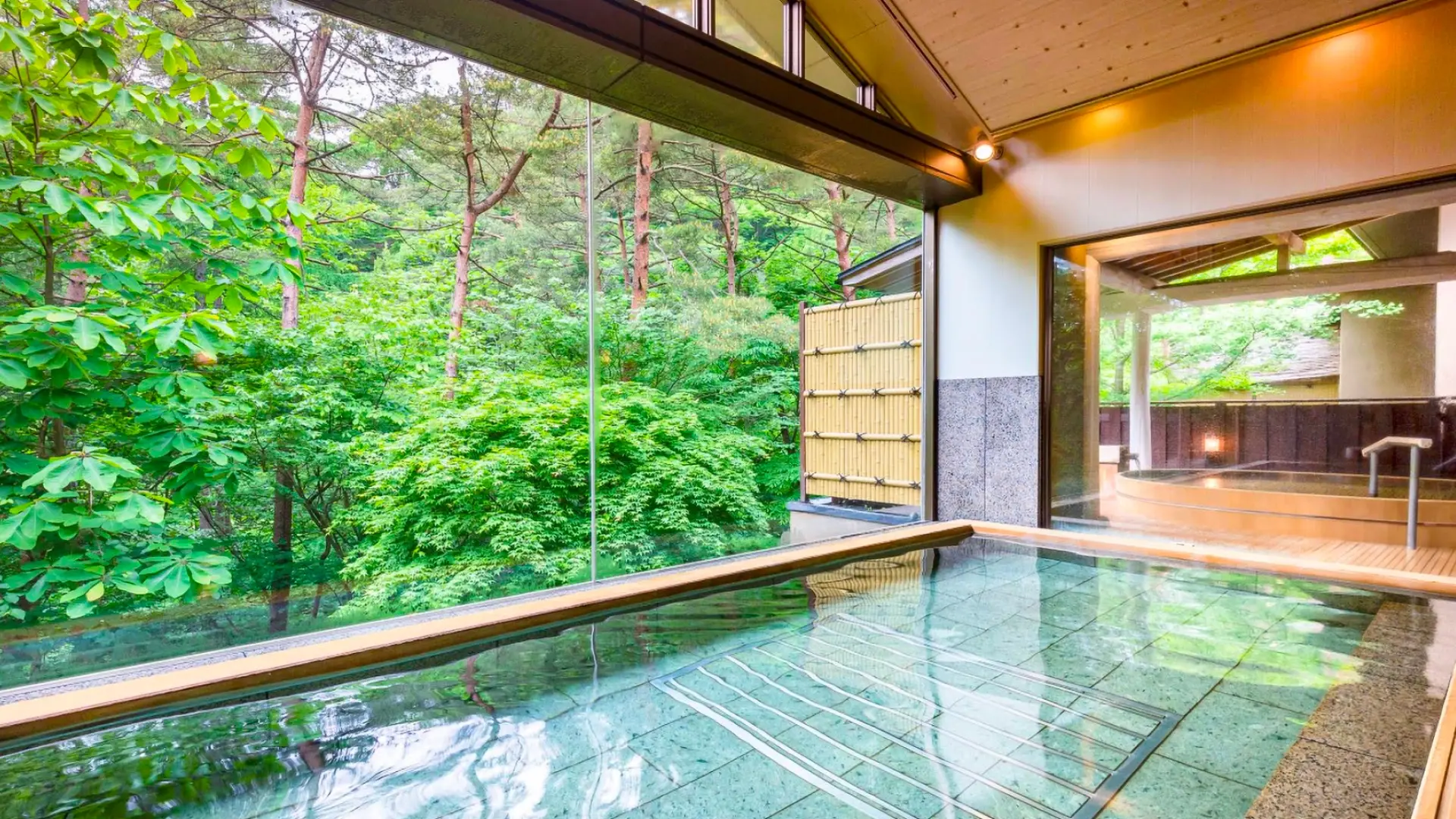
The most common category, simple thermal springs account for roughly half of all classified onsen in Japan. "Simple" does not mean ordinary; it means that no single dissolved mineral exceeds the threshold required for a specialized classification. The water is typically clear, odorless, and gentle on the skin, making it an excellent introduction for first-time bathers.
What simple thermal springs lack in dramatic mineral character, they compensate for in versatility and comfort. The water feels soft, almost silky, and the bathing experience is defined more by the setting and temperature than by any particular mineral sensation. Many of Japan's most celebrated onsen towns, including Gero in Gifu Prefecture, are built around simple thermal springs.
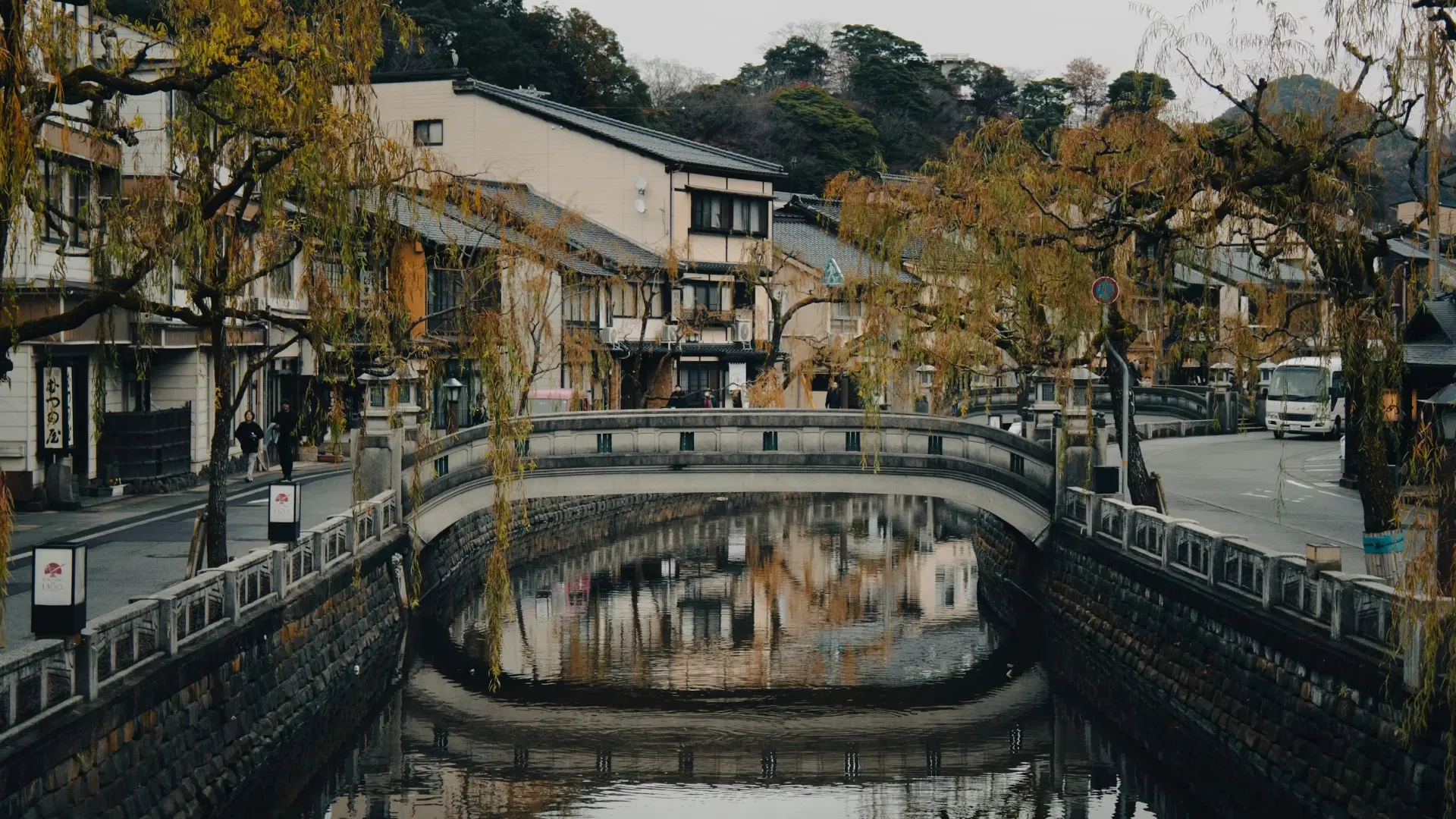
At the finest ryokans built around simple thermal springs, the emphasis shifts from the water itself to the architecture and atmosphere of the bathing space. The rotenburo at Nishimuraya Honkan in Kinosaki, for example, draws from a simple thermal source, but the experience of bathing beneath centuries-old willows alongside a quiet canal is anything but simple.
Sulfur Springs (Io-sen)
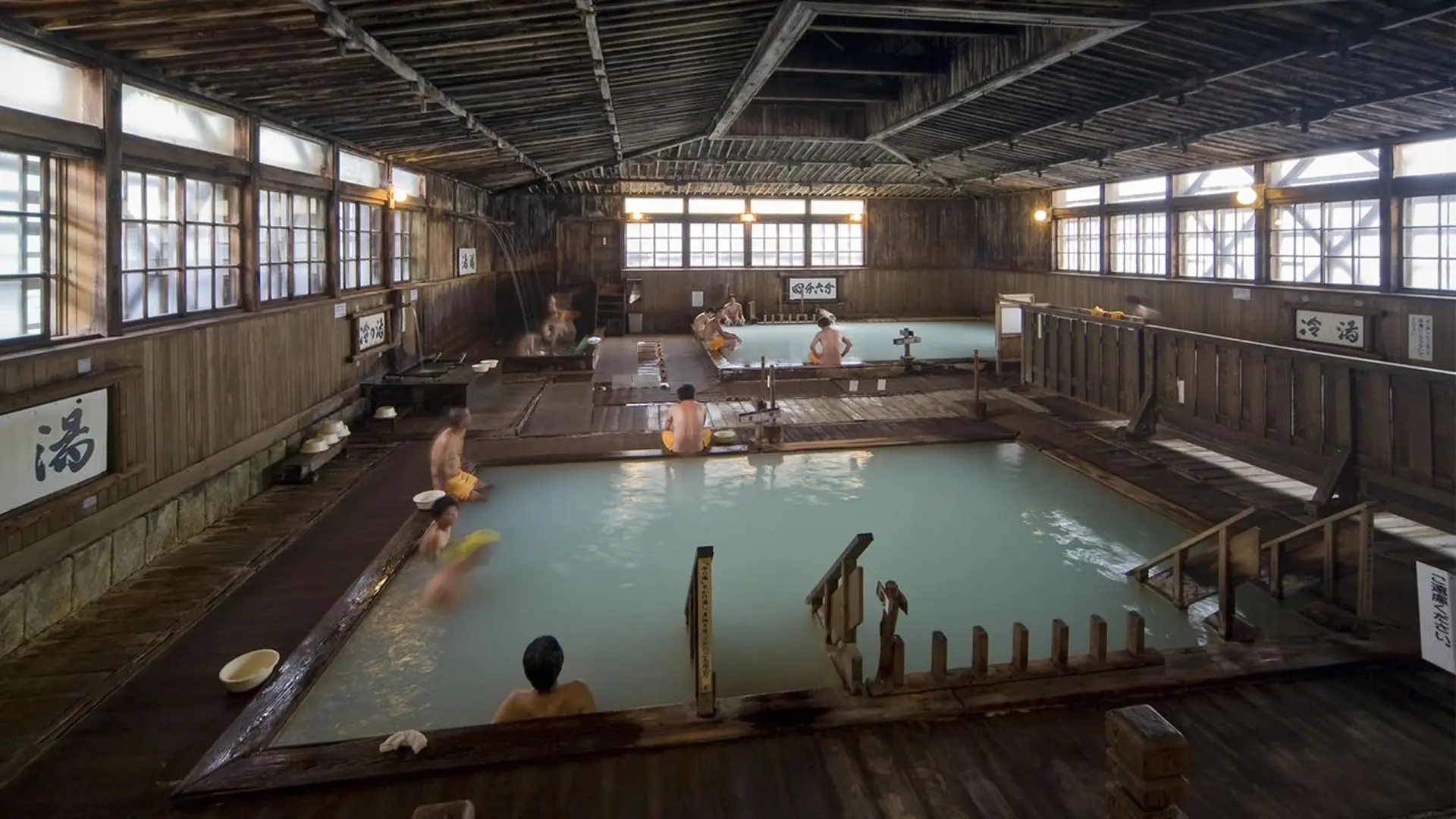
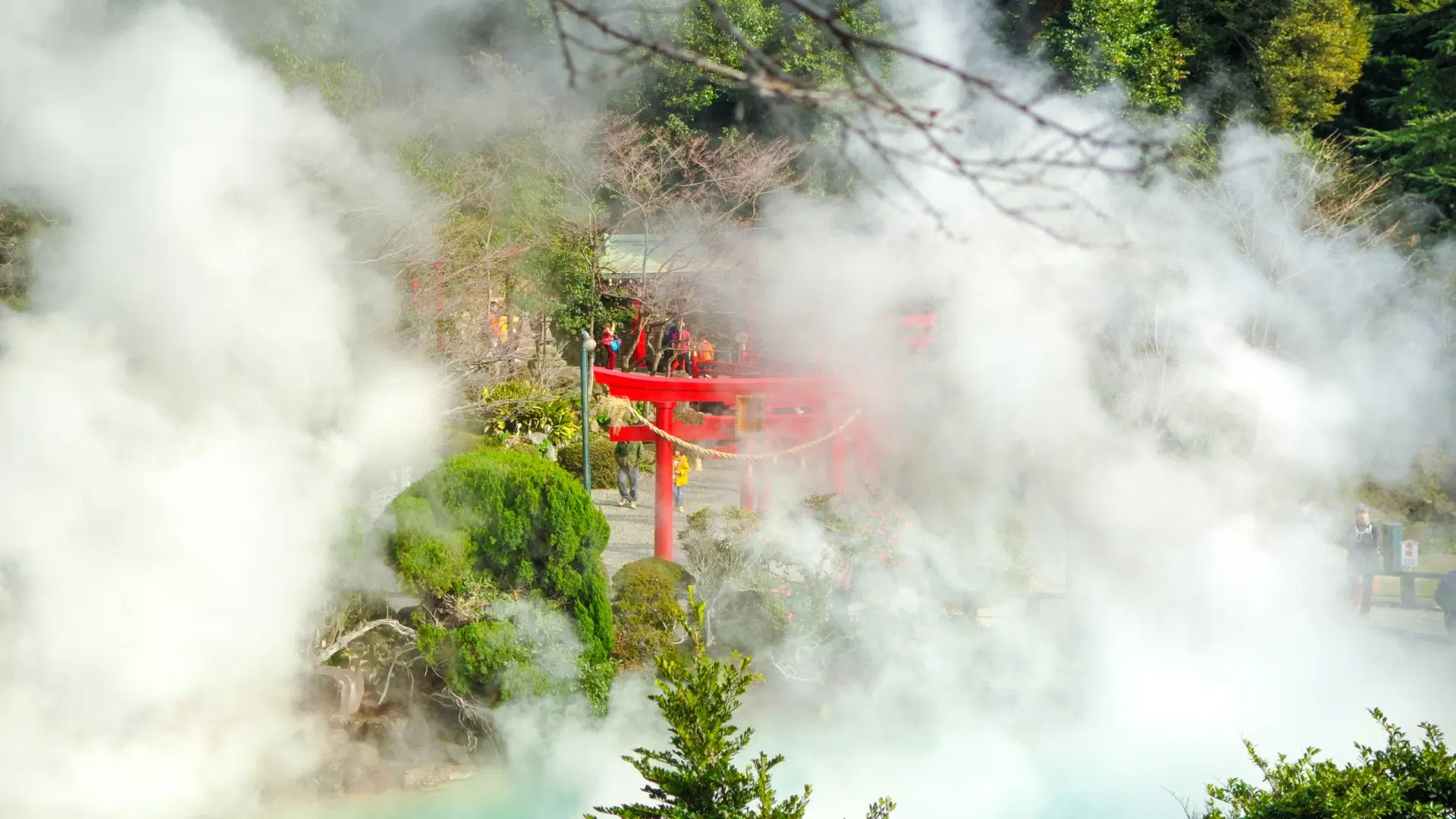
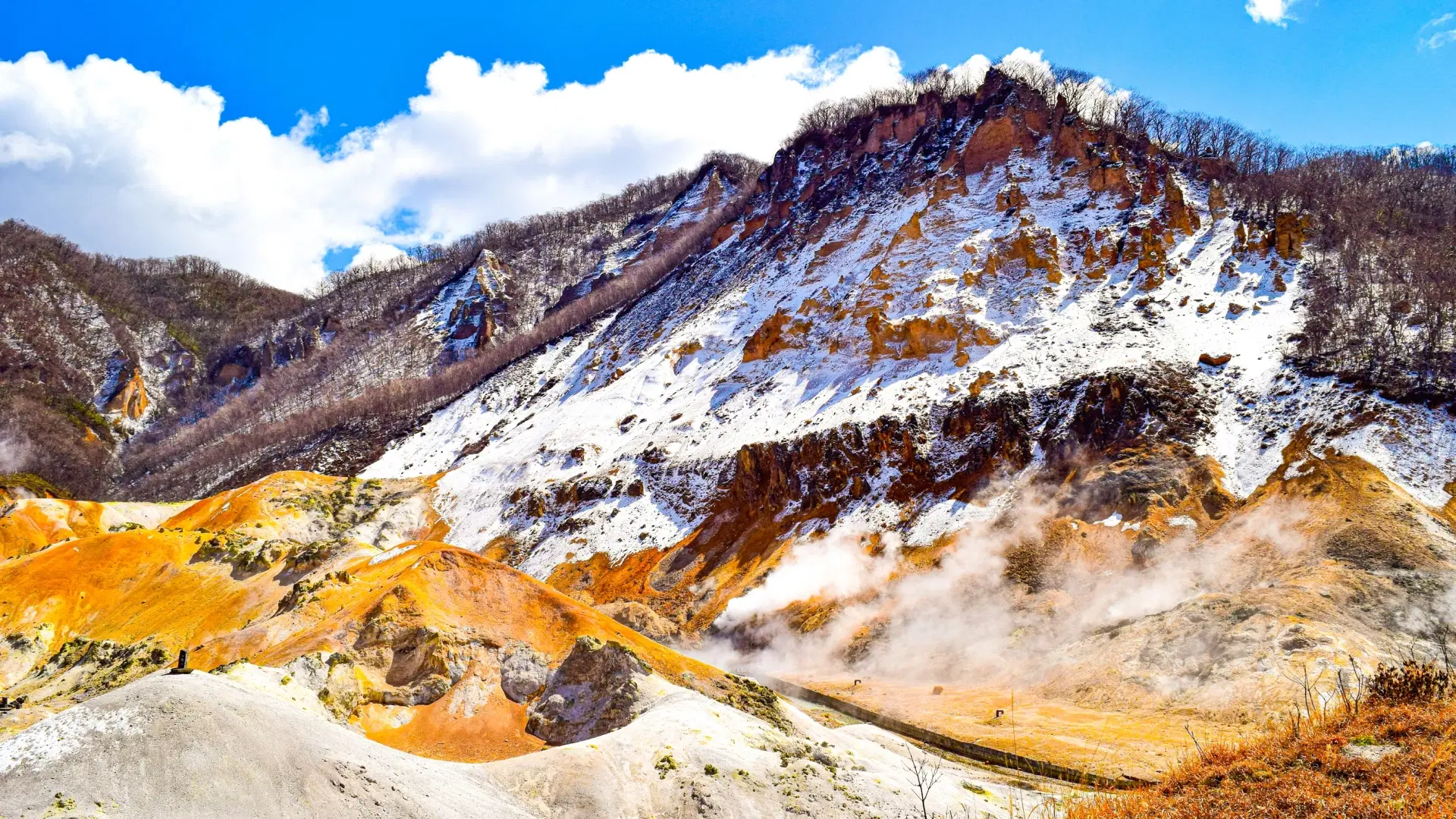
If simple thermal springs are the quiet conversationalists of the onsen world, sulfur springs are the ones who announce their presence from across the room. The unmistakable scent of hydrogen sulfide is the calling card of Japan's most dramatic hot springs. The water ranges from milky white to pale blue-green, and the landscape surrounding sulfur springs is often otherworldly.
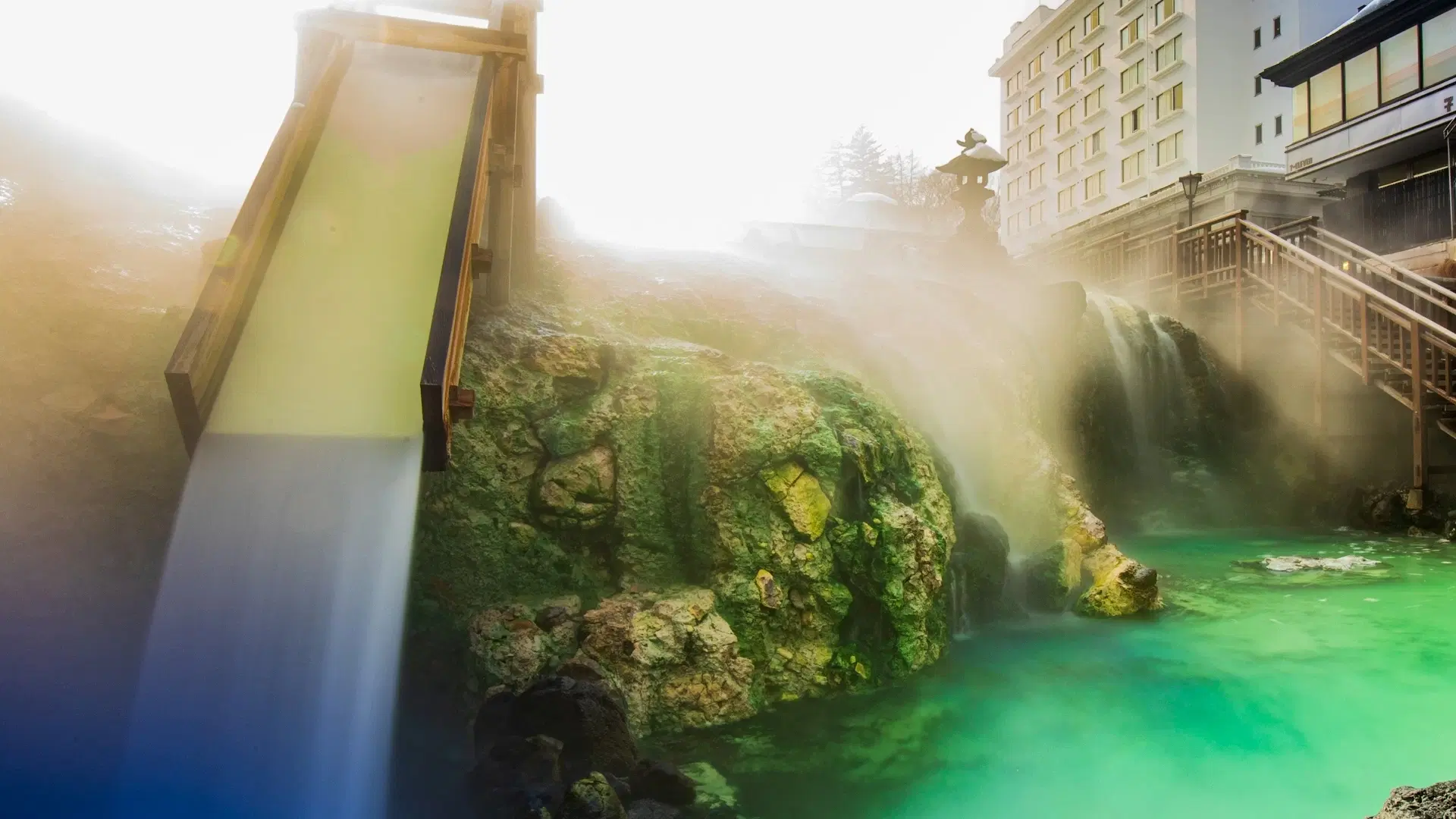
Kusatsu Onsen in Gunma Prefecture is Japan's most famous sulfur spring. The town's central yubatake, a wooden lattice system that cools the scalding source water before distributing it to the surrounding bathhouses, is one of the iconic images of Japanese onsen culture. The water here is highly acidic, with a pH as low as 2.0.
Sodium Chloride & Hydrogen Carbonate Springs
Salt springs produce water with a high concentration of dissolved sodium chloride. The heat-retention property is remarkable: bathers emerging from a sodium chloride onsen report feeling warm for hours afterward, which is why these springs are particularly popular during Japan's harsh winters.
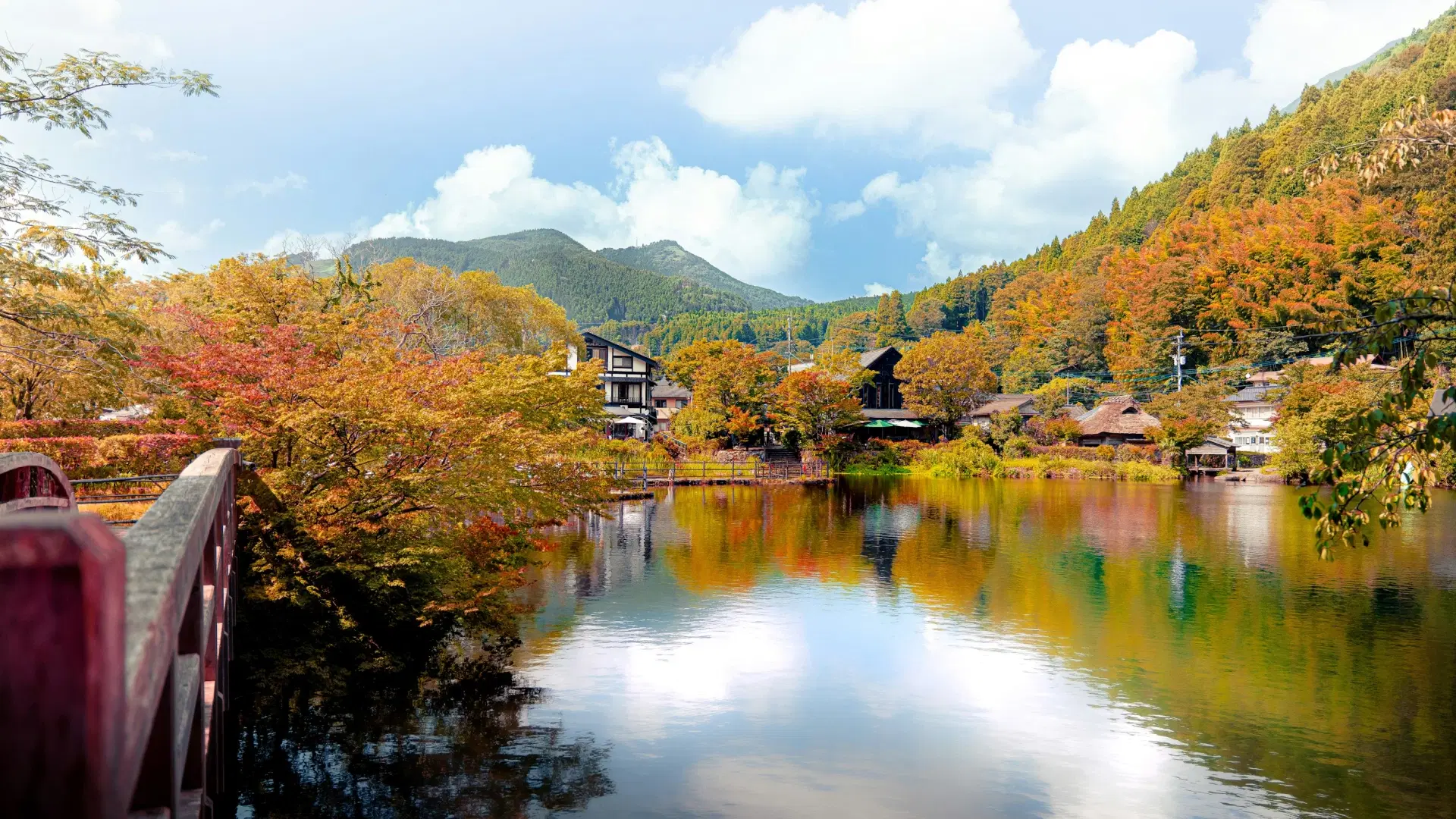
Hydrogen carbonate springs, meanwhile, are known as bijin no yu: "beauty water." The water softens and smoothes the skin through a gentle alkaline reaction. Yufuin Onsen in Oita Prefecture, one of Japan's most elegant onsen destinations, draws from hydrogen carbonate springs and offers the combination of bijin no yu with meticulously prepared Kyushu kaiseki.
Choosing an onsen based on its water type is as natural in Japan as choosing a wine by its grape variety. It is a literacy that transforms bathing from a simple act of relaxation into something far more intentional.
The Ryokan Guide Editorial
Iron Springs & Acidic Springs
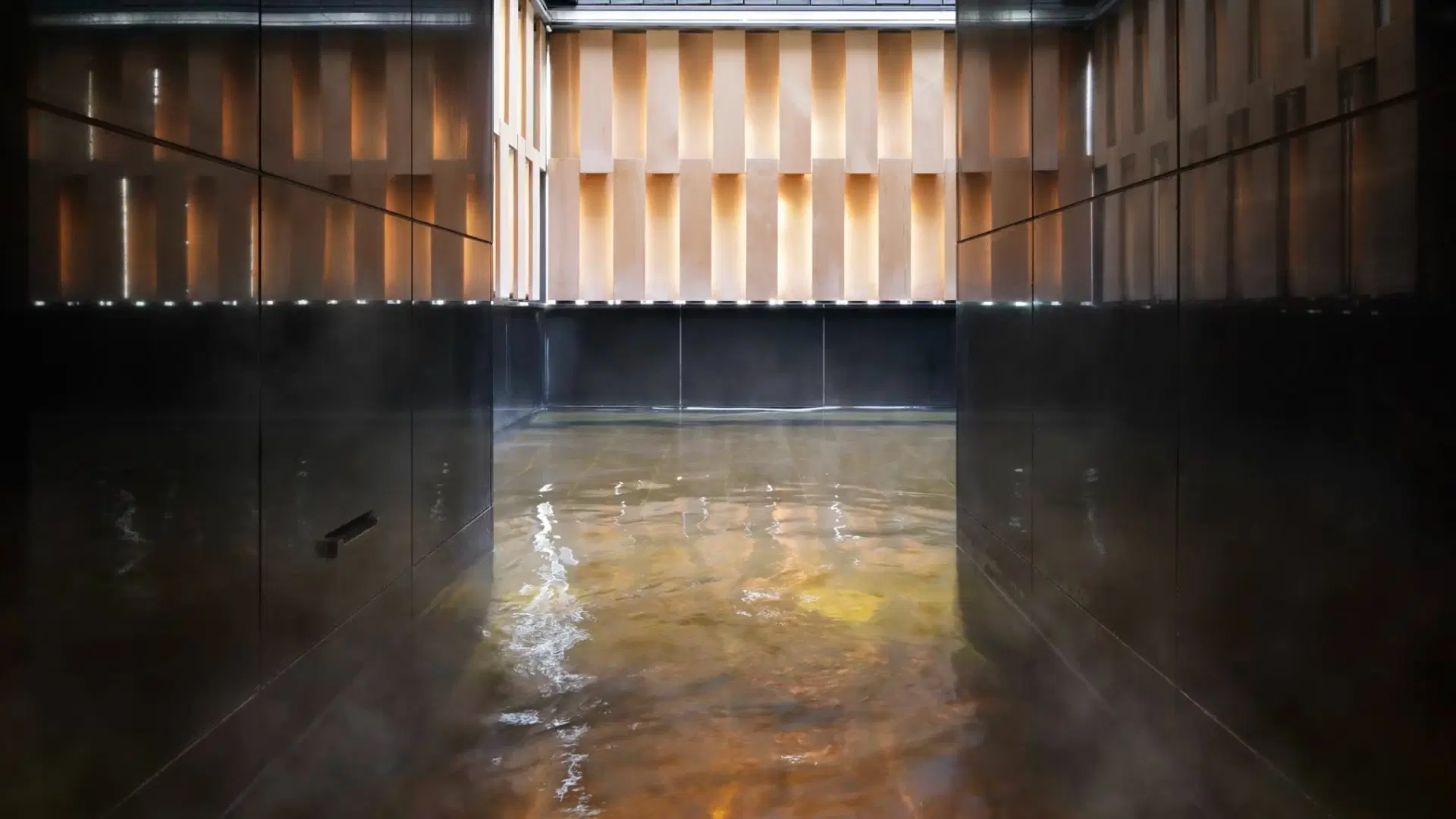
Iron springs are immediately recognizable by their color. The water emerges clear from the source but oxidizes rapidly upon contact with air, turning shades of rust, amber, and deep ochre. Arima Onsen in Hyogo Prefecture is famous for its kin no yu, or "gold water," an iron-and-salt spring that emerges a deep copper-gold color.
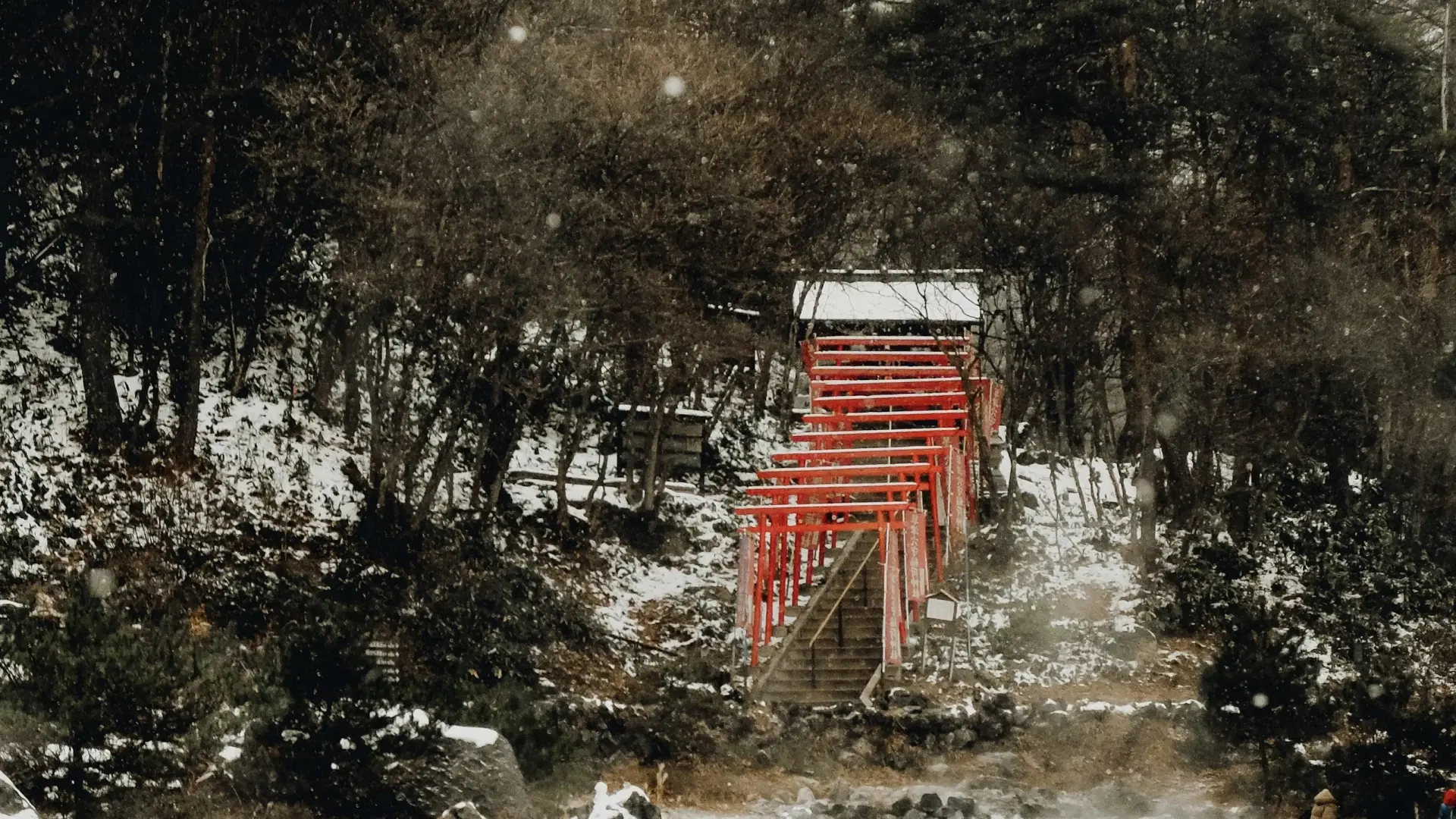
Acidic springs are the most intense waters in the classification. With pH values sometimes dropping below 2.0, these springs produce a pronounced tingling sensation. Tamagawa Onsen in Akita Prefecture holds the distinction of having the most acidic water in Japan, with a pH of approximately 1.2.
Choosing Your Water
Understanding onsen water types is not merely academic; it is a practical tool for planning better trips. A traveler seeking skin-care benefits will find their ideal spring in the hydrogen carbonate waters of Yufuin. Someone with sore muscles after a mountain hike will benefit most from the deep warmth of a sodium chloride spring. A bather looking for the most dramatic sensory experience should seek out a sulfur spring in winter.
The finest onsen ryokans understand their water the way a great winery understands its terroir. They build their bathing spaces to showcase the particular qualities of their source, and they design the entire guest experience around the character of the water.
The practice of toji, or therapeutic hot spring bathing, has been documented in Japan since the eighth century. Many onsen towns still operate dedicated toji ryokans where guests stay for extended periods of restorative soaking under medical guidance.