Hokkaido
北海道Hokkaido is Japan turned inside out. Where the rest of the archipelago is dense, layered, and ancient, the northernmost island opens into unbroken horizon: volcanic calderas giving way to rolling dairy pastures, birch forests thinning into lavender fields that bleed purple to the edge of sight. It is the youngest of Japan's settled landscapes, colonized in earnest only during the Meiji era, and that relative youth gives Hokkaido a quality rare in this country. Space. The air itself feels different here, sharper and less freighted with history, carrying the mineral tang of active hot springs or the salt of three surrounding seas.
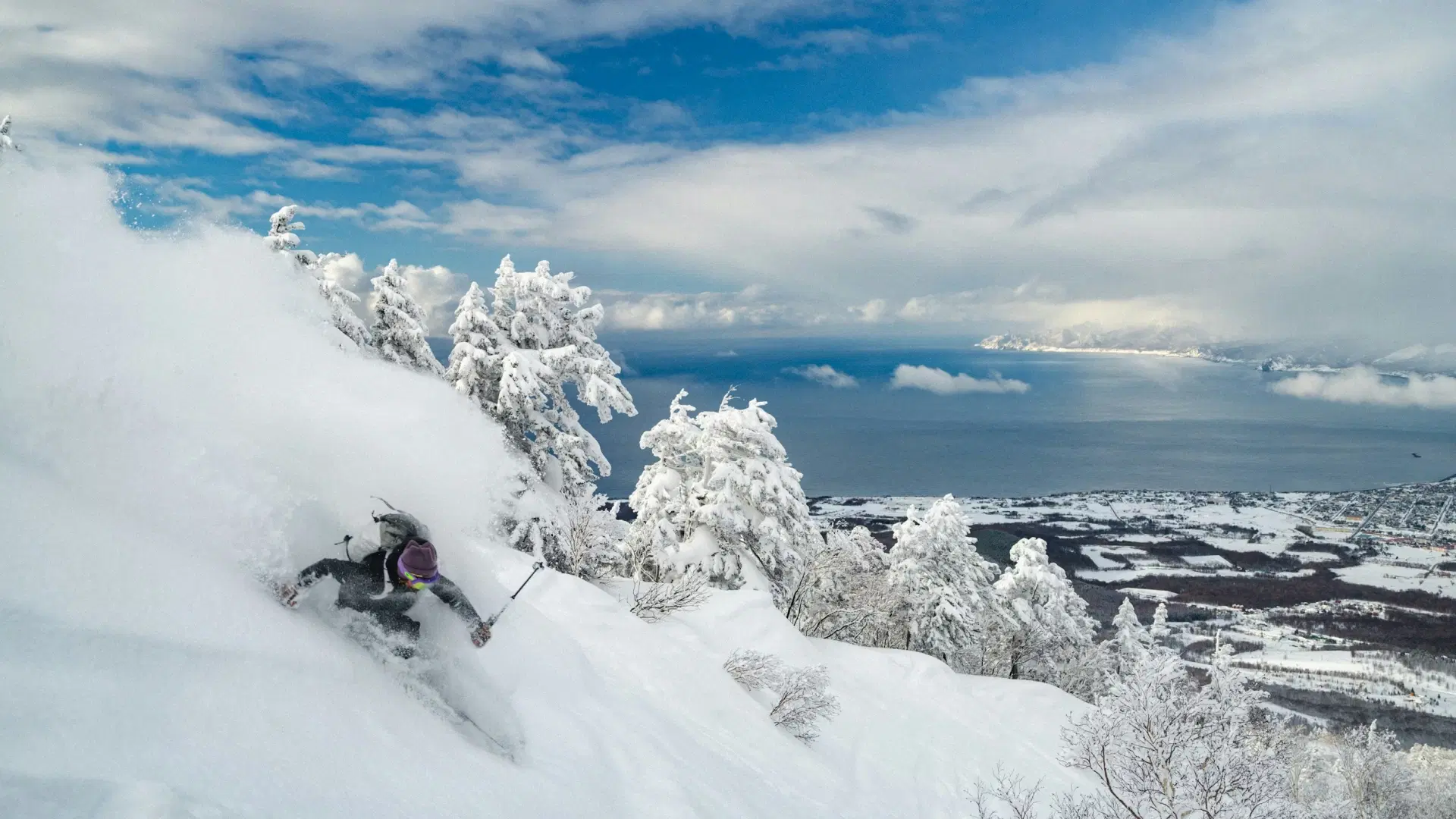
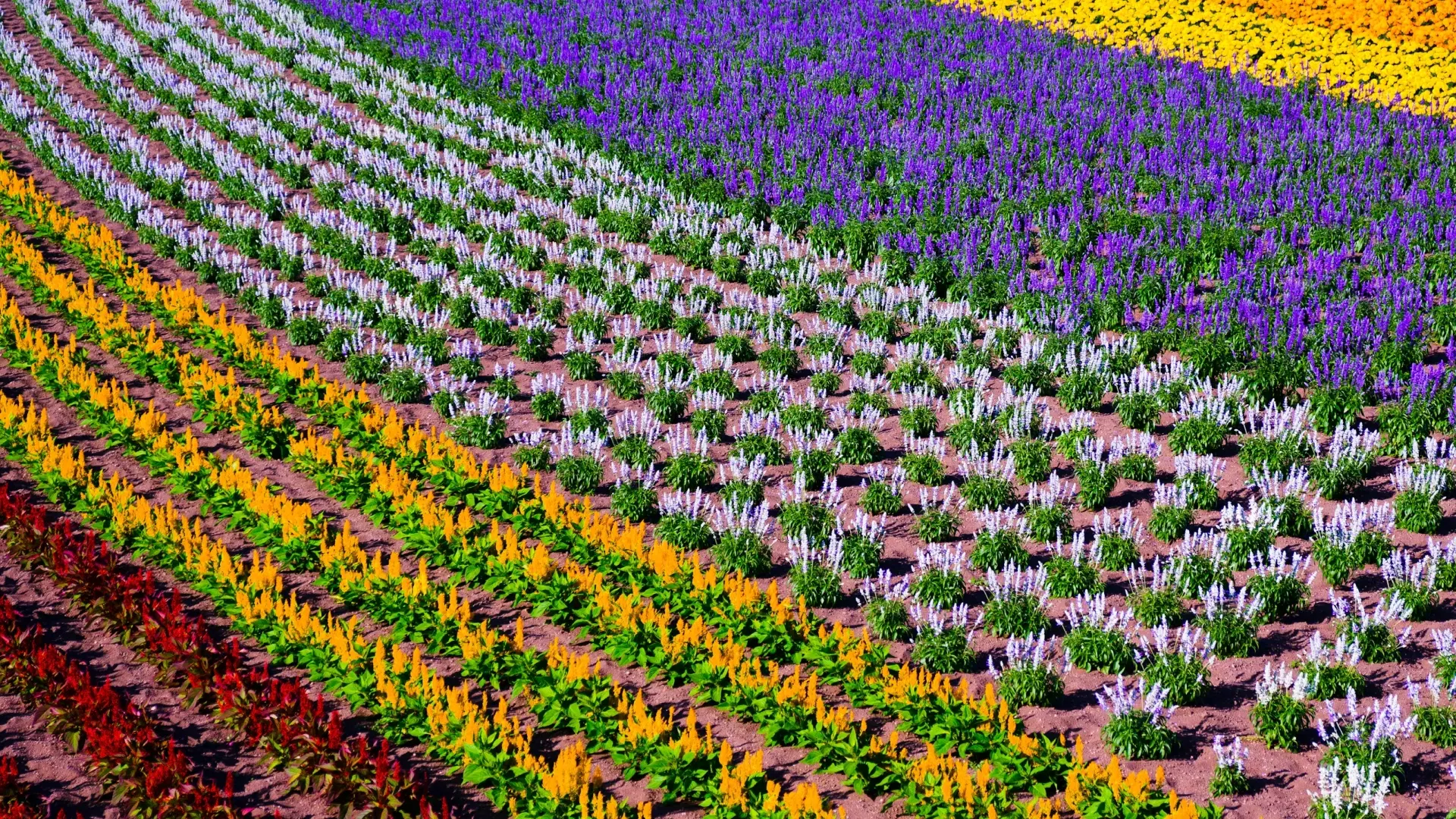
Winter defines the island's deepest character. From December through March, Hokkaido receives some of the driest, lightest powder snow on earth, a meteorological gift of Siberian air crossing the Sea of Japan. Niseko's back bowls have earned a global reputation, but the interior ranges near Asahidake and the frozen stillness of Lake Mashu remain largely the province of those who know where to look. In summer, the transformation is absolute: Furano and Kamifurano become quilts of lavender, melon farms open their doors, and the coastline from Shakotan to Shiretoko reveals water so clear it seems to belong to another latitude entirely.
Beneath the natural spectacle lies a culinary culture of extraordinary richness. Hokkaido supplies much of Japan's finest seafood, from the hairy crab and sea urchin of Rishiri to the salmon and scallops of Okhotsk. Its dairy industry, modeled on European traditions, produces butter, cream, and cheeses that have no parallel elsewhere in the country. To visit a ryokan here is to experience Japan's wild north at its most generous, where the kaiseki is built not on Kyoto refinement but on the sheer, unapologetic abundance of the land and sea.
Cultural Identity
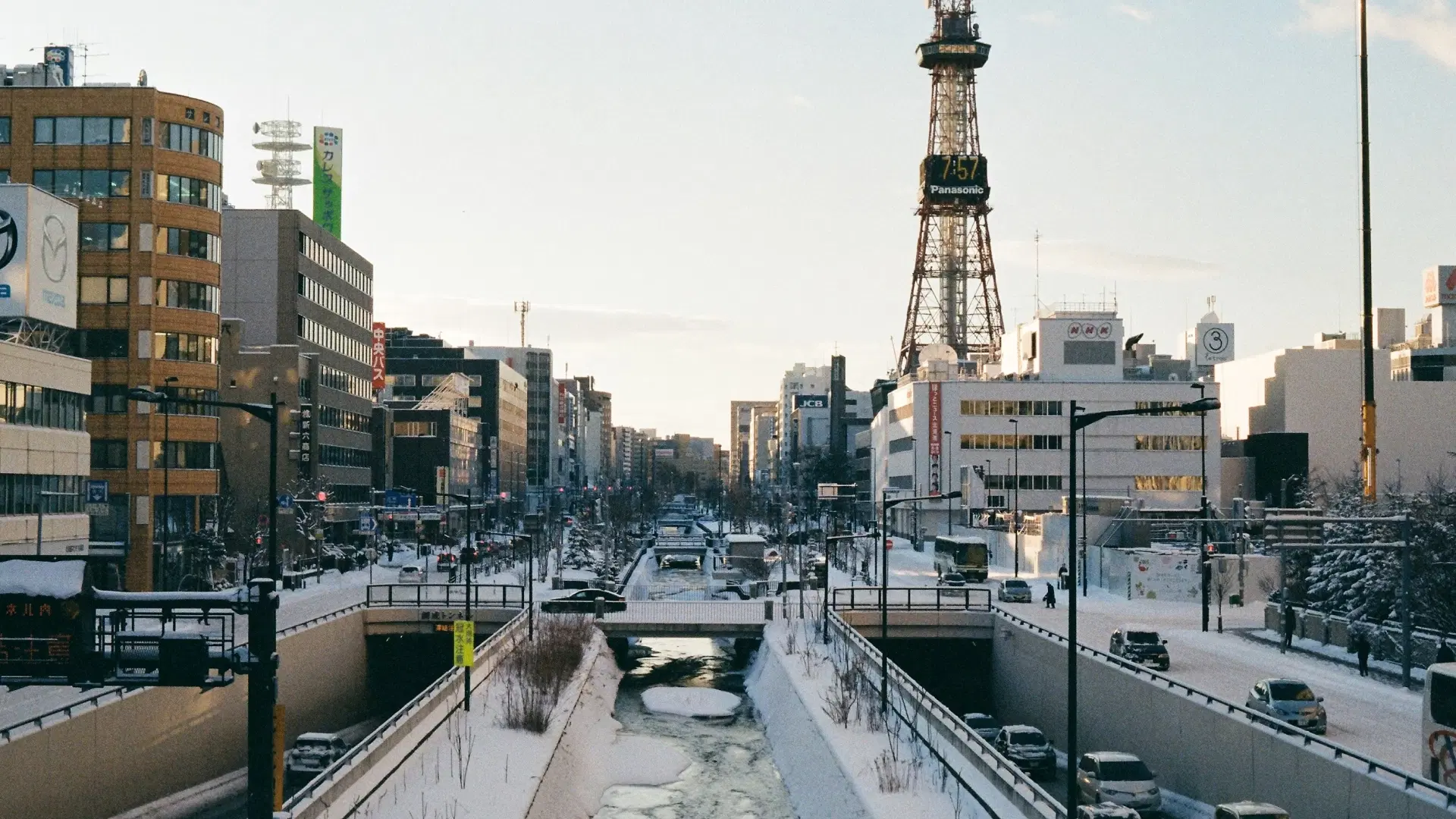
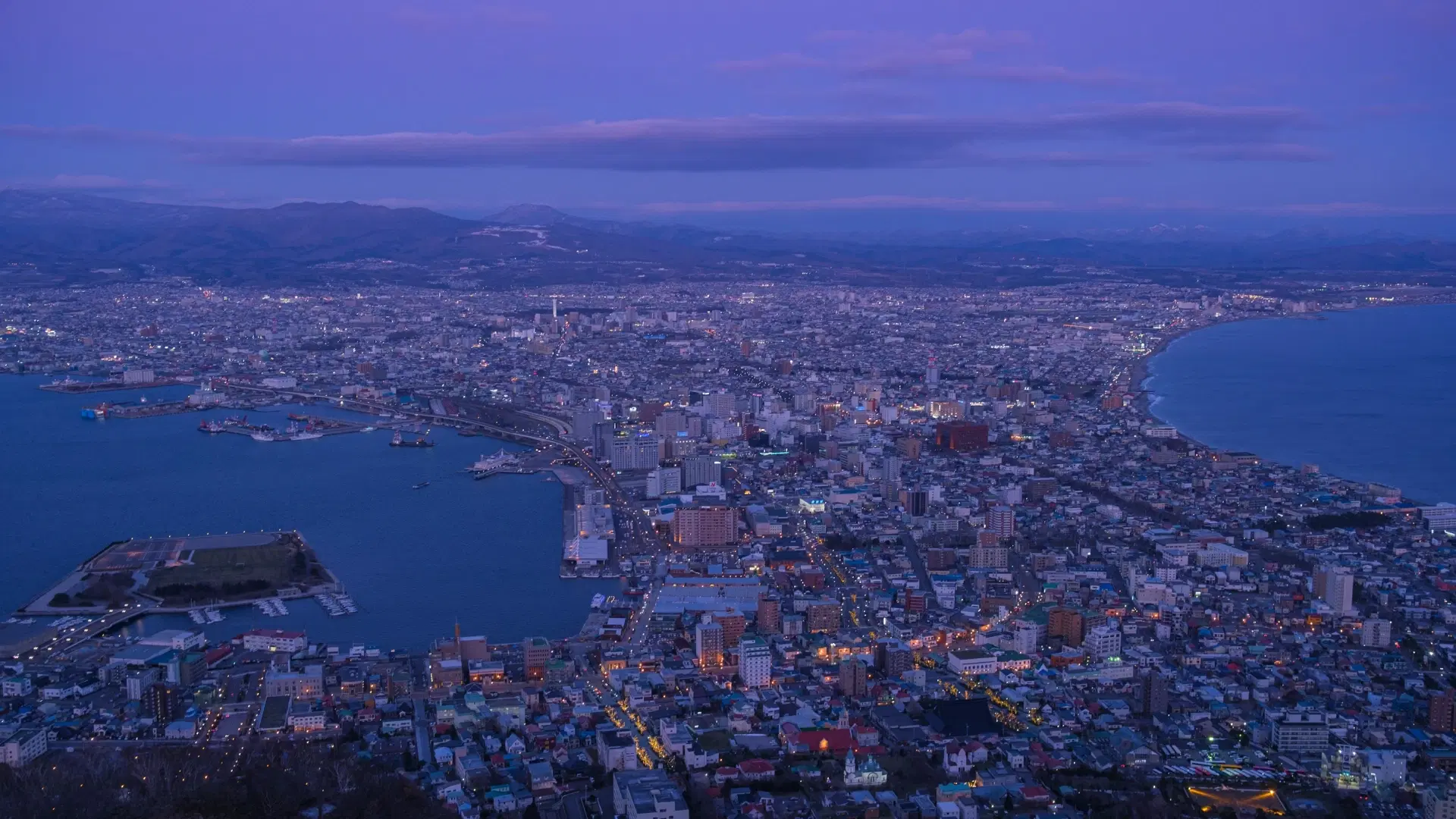
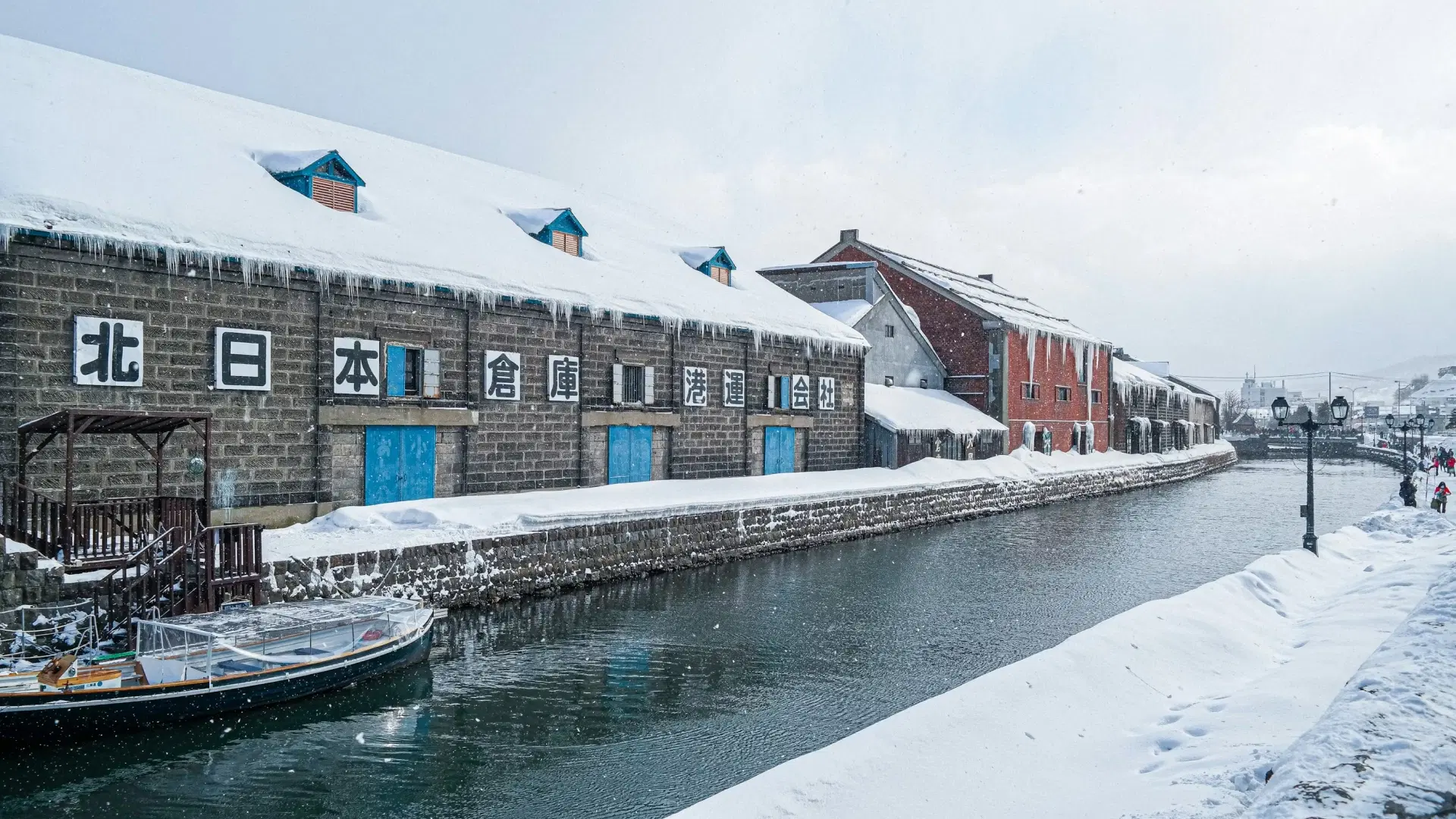
Hokkaido's cultural identity is inseparable from the legacy of the Ainu, the island's indigenous people whose relationship with the natural world predates Japanese settlement by millennia. Ainu traditions of oral epic, woodcarving, and ceremonial textile weaving have experienced a remarkable resurgence, most visibly at the Upopoy National Ainu Museum in Shiraoi. The island's frontier heritage also shapes its character. Unlike the feudal castle towns of Honshu, Hokkaido's cities were planned on rational grids, and its architecture carries a pragmatic, almost North American openness. Sapporo's beer halls, Otaru's canal-side warehouses, and Hakodate's Western-influenced hillside homes all speak to a place that has always looked outward.
Culinary Traditions
The island is Japan's great larder. Hokkaido crab, whether the spindly-legged tarabagani or the prized horsehair kegani, is served with a minimalism that borders on reverence: steamed, with nothing more than a squeeze of citrus. Sea urchin from Rishiri and Rebun islands is considered the finest in the nation, its sweetness almost floral. Beyond the sea, Hokkaido's pastures yield milk, butter, and soft-serve ice cream of startling quality, while Furano and Yubari are synonymous with melons so aromatic they are sold individually, boxed like jewels. Sapporo's miso ramen, rich with corn and butter, and the lamb-over-charcoal tradition of jingisukan are comfort foods elevated to regional art.
Waters & Onsen
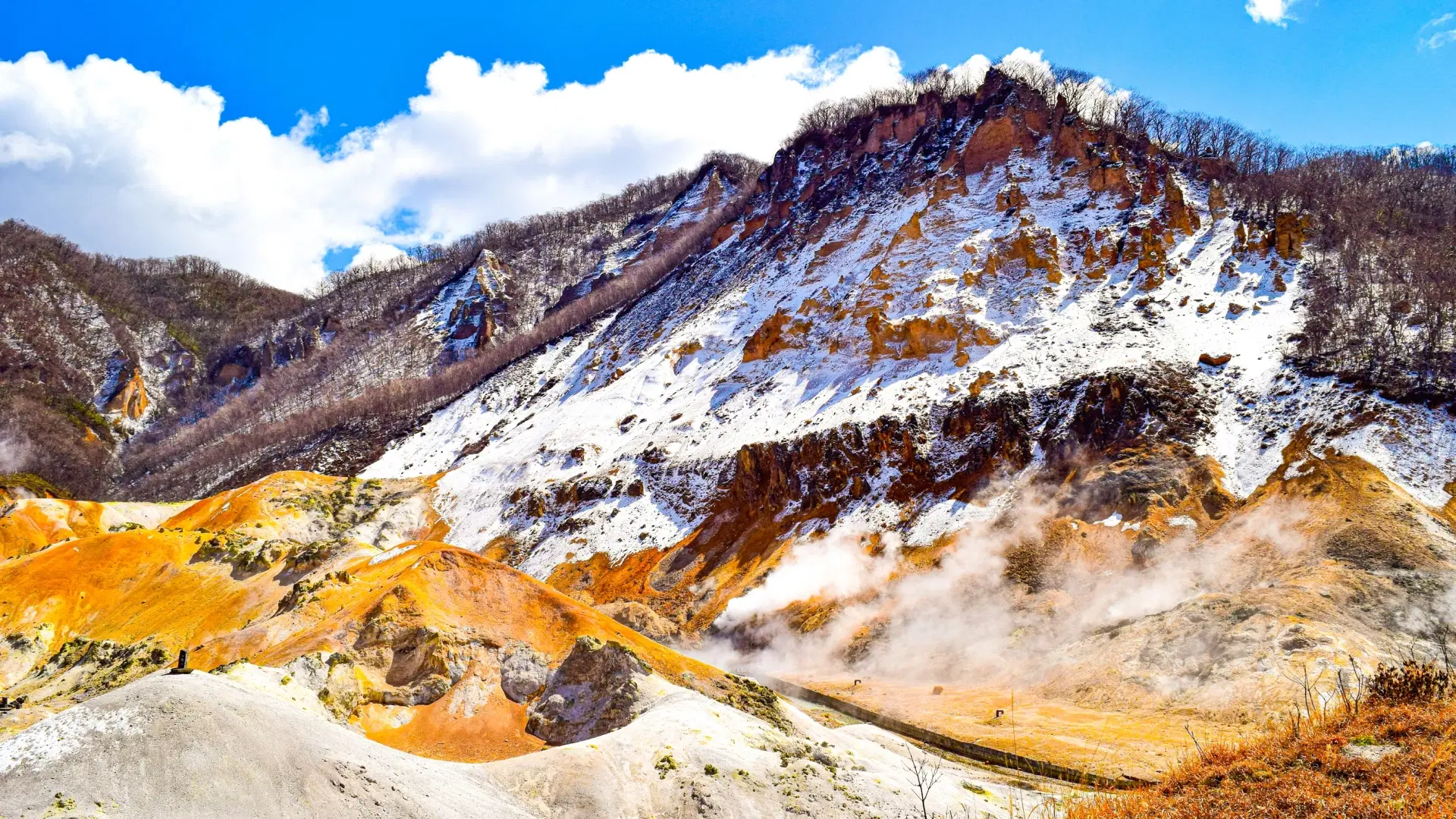
Hokkaido's volcanic geology produces hot springs of uncommon variety and potency. Noboribetsu Onsen, the island's most celebrated thermal destination, draws from Jigokudani, a steaming, sulfurous crater valley where nine distinct mineral sources feed dozens of baths. The waters range from milky white sulfur springs to iron-rich, rust-colored pools. Further south, Hakodate's Yunokawa Onsen offers the rare pleasure of bathing in ocean-view rotenburo while Hokkaido's wild coastline stretches before you. In the interior, Tokachigawa Onsen is known for its moor springs, peat-filtered waters with a silky amber hue found almost nowhere else in Japan. The remoteness of many Hokkaido onsen, set against forests of white birch and volcanic peaks, lends the bathing experience a sense of solitary communion with the landscape.