Niseko
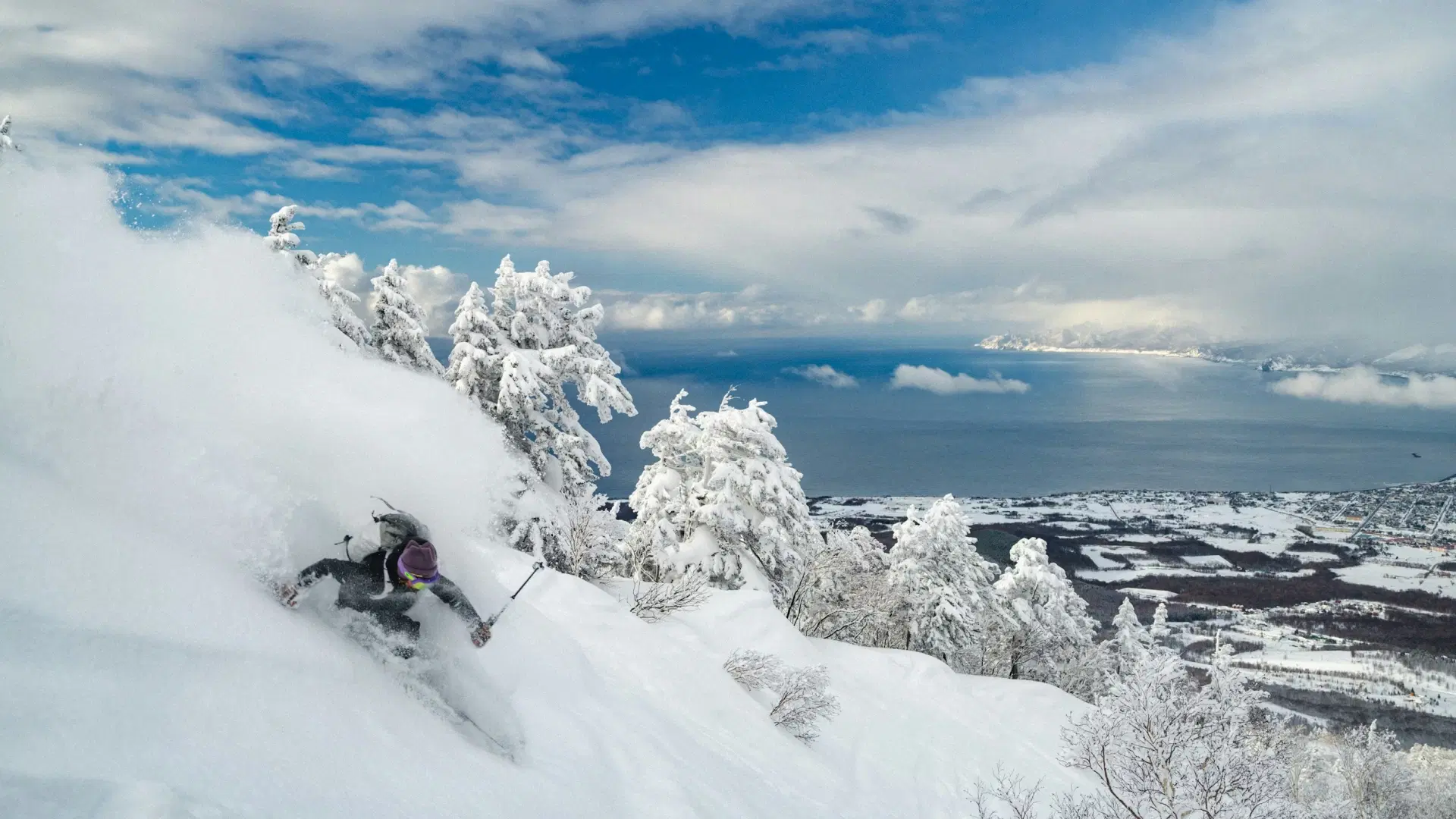
ニセコNiseko's reputation rests on a meteorological phenomenon that borders on the miraculous. The Siberian weather systems that cross the Sea of Japan accumulate moisture over the warm Tsushima Current, then release it as snow when they collide with Hokkaido's western mountain ranges. The result is a snowfall of extraordinary quality: dry, light, and relentless, accumulating to depths that can exceed fifteen meters over a season. Skiers and snowboarders who have experienced this powder describe it in terms that sound religious, the sensation of floating through weightless crystals unlike anything produced by the weather systems of the Alps, the Rockies, or the southern hemisphere ranges. The Japanese term for it, "Japow," has entered the global skiing lexicon as shorthand for perfection.
The area encompasses several interconnected ski resorts clustered around the volcanic peak of Mount Niseko-Annupuri, whose 1,308-meter summit provides the gravitational anchor for a terrain that ranges from manicured groomed runs to backcountry tree skiing of genuine wildness. Grand Hirafu, the largest of the resort villages, has evolved from a quiet Japanese ski town into an international destination whose restaurants, bars, and luxury accommodations cater to a global clientele. Hanazono, Niseko Village, and Annupuri offer variations on the theme, each with a distinct character and aspect that captures different angles of snowfall and sunlight.
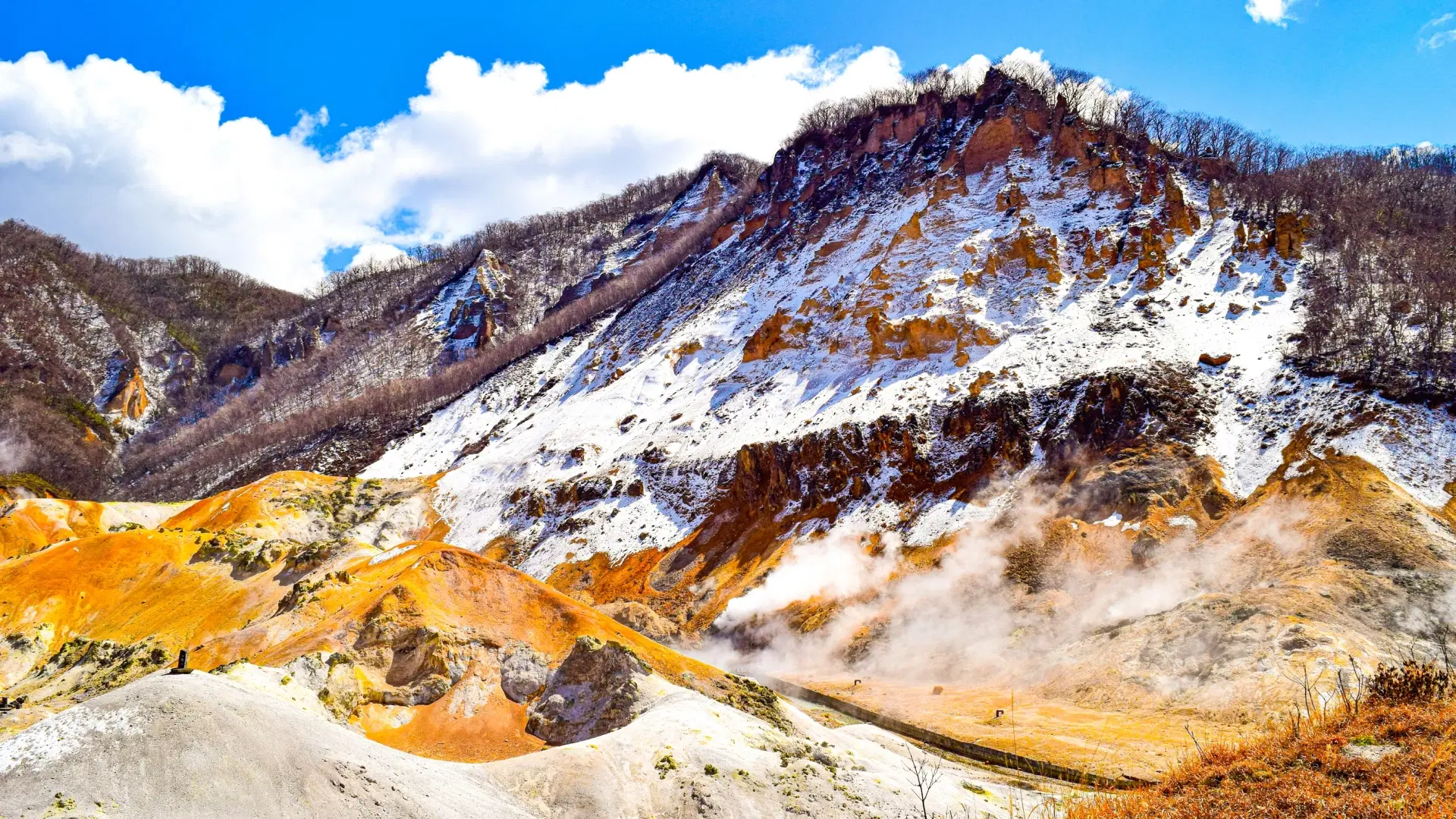
Yet Niseko's appeal extends beyond winter. The same volcanic geology that shapes the mountains feeds a network of onsen hot springs that range from rustic outdoor pools surrounded by birch forest to the refined mineral baths of luxury resort spas. Summer transforms the landscape into a green, gently mountainous terrain ideal for cycling, rafting on the Shiribetsu River, and hiking trails that offer views of the symmetrical cone of Mount Yotei, often called the "Ezo Fuji" for its striking resemblance to Japan's iconic peak.
Niseko's reputation rests on a meteorological phenomenon that borders on the miraculous.
Highlights
The powder skiing experience at Niseko is the primary draw, and it is best approached with respect for both the mountain and the conditions. The resort's backcountry gates, which open controlled access to off-piste terrain beyond the groomed boundaries, offer tree skiing through silver birch forests where the snow lies untracked between the trunks. A guide is essential for backcountry exploration, both for safety and for local knowledge of the terrain features that distinguish a transcendent run from a merely excellent one. Night skiing under floodlights at Grand Hirafu, with fresh powder still falling, provides an experience of sensory intensity that daylight cannot replicate.
Mount Yotei dominates the visual landscape from every angle. The volcano, dormant but not extinct, rises to 1,898 meters in a near-perfect cone that serves as a compass point for orientation across the district. In summer, the climb to Yotei's crater takes six to eight hours round trip and rewards with views that extend to the sea on clear days. The crater itself contains a small lake and alpine wildflowers that bloom briefly in July and August.
The onsen culture of the Niseko area encompasses a remarkable range of thermal experiences. Yukichichibu, a rustic riverside onsen accessible only on foot, offers immersion in milky, sulfurous water surrounded by forest. Goshiki Onsen, at the base of Niseko-Annupuri, draws from multiple mineral sources whose different compositions produce water that shifts in color and character. The luxury hotel properties in the area have developed spa experiences that integrate these natural thermal waters with contemporary wellness design, creating a distinctly Hokkaido approach to the onsen tradition.
Culinary Scene
Niseko's dining scene has expanded dramatically with the area's international development, creating a culinary landscape that blends Hokkaido's agricultural abundance with global sophistication. The Niseko area sits within one of Japan's most productive farming regions, and the local vegetables, particularly potatoes, asparagus, melons, and corn, possess a sweetness and density of flavor that reflect the cold-climate growing conditions and volcanic soil. Several farm-to-table restaurants in the Hirafu and Kutchan area have built their menus around hyper-local sourcing, the seasonal progression from spring asparagus through summer corn to autumn pumpkin and root vegetables forming a narrative as compelling as any kaiseki sequence.
The apres-ski dining culture ranges from izakaya serving Hokkaido-style dishes to high-end restaurants offering multi-course meals that would be notable in any city. Lamb and Genghis Khan grills are a regional specialty, the dome-shaped griddle producing a smoky, convivial dining experience that warms after a day on the mountain. The sushi in Niseko benefits from proximity to Hokkaido's fishing ports, with the day's catch arriving from the Sea of Japan coast with a freshness that inland resorts elsewhere in the world cannot approach.
Ryokans in Hokkaido
There are no ryokans in our guide listed in Niseko. See our selection across Hokkaido.
View ryokans in Hokkaido