Hokkaido Shrine Festival
北海道神宮例祭The Hokkaido Shrine Festival, known locally as the Sapporo Matsuri, is the largest shrine festival in Hokkaido and the event that most deeply connects the modern city of Sapporo to the spiritual traditions that accompanied its founding as the capital of Japan's northern frontier. Held each year from June 14th through 16th at Hokkaido Shrine, situated within the ancient forest of Maruyama Park, the festival draws over a million visitors across its three days and fills the surrounding streets with a procession of mikoshi portable shrines, elaborately decorated floats, and hundreds of yatai food stalls whose offerings stretch from the shrine gates deep into the park and along the tree-lined approaches.
The festival occupies a singular position in Sapporo's cultural calendar. While the Snow Festival defines the city's international identity and the Yosakoi Soran Festival channels its youthful energy, the Hokkaido Shrine Festival is the celebration that belongs most intimately to the residents themselves. It is the festival where families bring children in their first yukata, where office colleagues gather at food stalls after work, and where the rhythm of the mikoshi procession through the city streets produces a collective energy that is both specifically Shinto in its spiritual grammar and universally human in its communal warmth.
Hokkaido Shrine itself, founded in 1869, enshrines the souls of the four deities charged with the development and protection of Hokkaido, including the spirit of Emperor Meiji, whose government initiated the colonization that transformed the island from Ainu homeland to Japanese prefecture. The festival's rituals carry this foundational history, their solemn core surrounded by the festive atmosphere that has accumulated over more than a century of observance.
The Hokkaido Shrine Festival, known locally as the Sapporo Matsuri, is the largest shrine festival in Hokkaido and the event that most deeply connects the modern city of Sapporo to the spiritual traditions that accompanied its founding as the capital of Japan's northern frontier.
History & Significance
Hokkaido Shrine was established in 1869, the same year that the Meiji government created the Hokkaido Development Commission and began the systematic settlement of the island. The shrine was conceived as the spiritual anchor of the colonization project, its deities tasked with protecting the settlers and ensuring the success of the enterprise that would transform Hokkaido from a vast, sparsely inhabited territory into an integrated part of the Japanese state. The annual festival, formalized in the shrine's earliest years, served both as a religious observance and as a communal gathering that reinforced the bonds among the settler communities whose isolation and hardship required the sustaining power of shared ritual.
The festival grew in scale and elaboration as Sapporo developed from a frontier outpost into a modern city, its procession expanding to include floats of increasing artistry, its food stall culture deepening into a tradition that now represents one of the most extensive festival market experiences in northern Japan. The postwar period brought the festival's full maturation, the growing population and prosperity of Sapporo providing the human energy and resources to sustain a celebration that now ranks among the major shrine festivals of the nation. Through all its growth, the festival has maintained its fixed dates of June 14th through 16th, a constancy that gives the event the quality of a seasonal marker as reliable as the blooming of the lilacs that coincide with its timing.
What to Expect
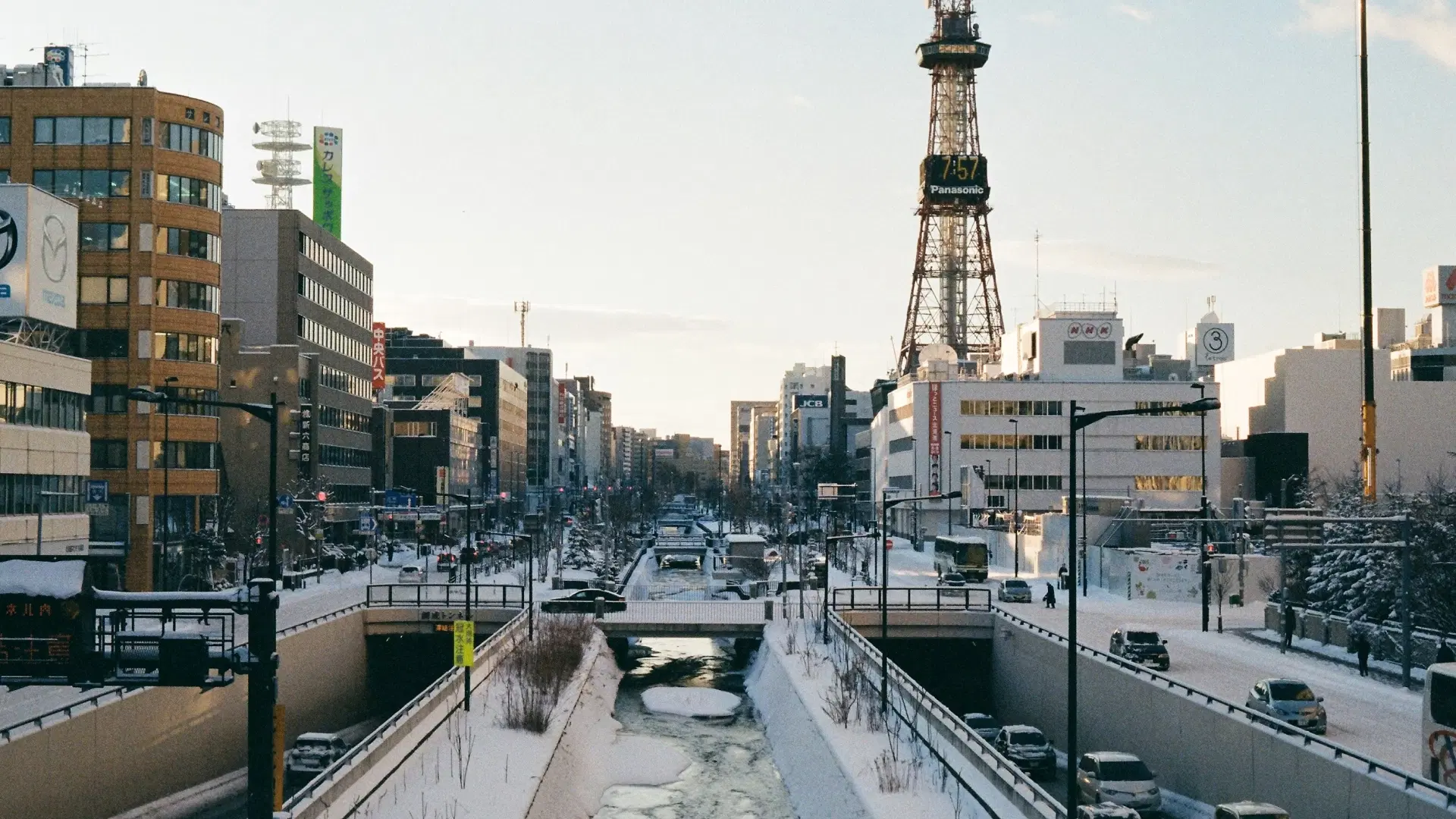
The festival's spiritual heart is the shinko, the grand procession that moves through the streets of central Sapporo on June 16th, carrying mikoshi portable shrines accompanied by costumed attendants, musicians playing traditional instruments, and floats decorated with elaborate carvings and textiles. The procession follows a route from the shrine through the city center that takes several hours to complete, its passage marked by the rhythmic chanting of the bearers, the clear notes of the flutes, and the periodic pauses at designated rest points where the mikoshi are set down and prayers are offered. The sight of the procession moving through Sapporo's modern streetscape, the ancient forms of worship passing beneath glass towers and neon signs, produces the particular frisson that arises whenever Japanese tradition asserts itself within the contemporary cityscape.
The yatai food stalls, numbering in the hundreds, create a temporary market that is itself one of the festival's primary attractions. The offerings encompass the full vocabulary of Japanese festival cuisine, from yakisoba and takoyaki to cotton candy and chocolate-dipped bananas, alongside Hokkaido specialties that exploit the island's dairy, seafood, and agricultural abundance. The stalls line the approaches to the shrine and fill the adjacent streets, creating corridors of aromatic temptation that are navigated slowly and with frequent stops.
Maruyama Park, the forested preserve that surrounds the shrine, provides a natural setting that softens the festival's urban context. The ancient trees, many of them centuries-old Hokkaido spruce and oak, filter the June sunlight into green-gold patterns on the paths below, and the combination of forest atmosphere, shrine architecture, and festival energy creates an environment in which the sacred, the natural, and the communal exist in easy proximity.