Sapporo
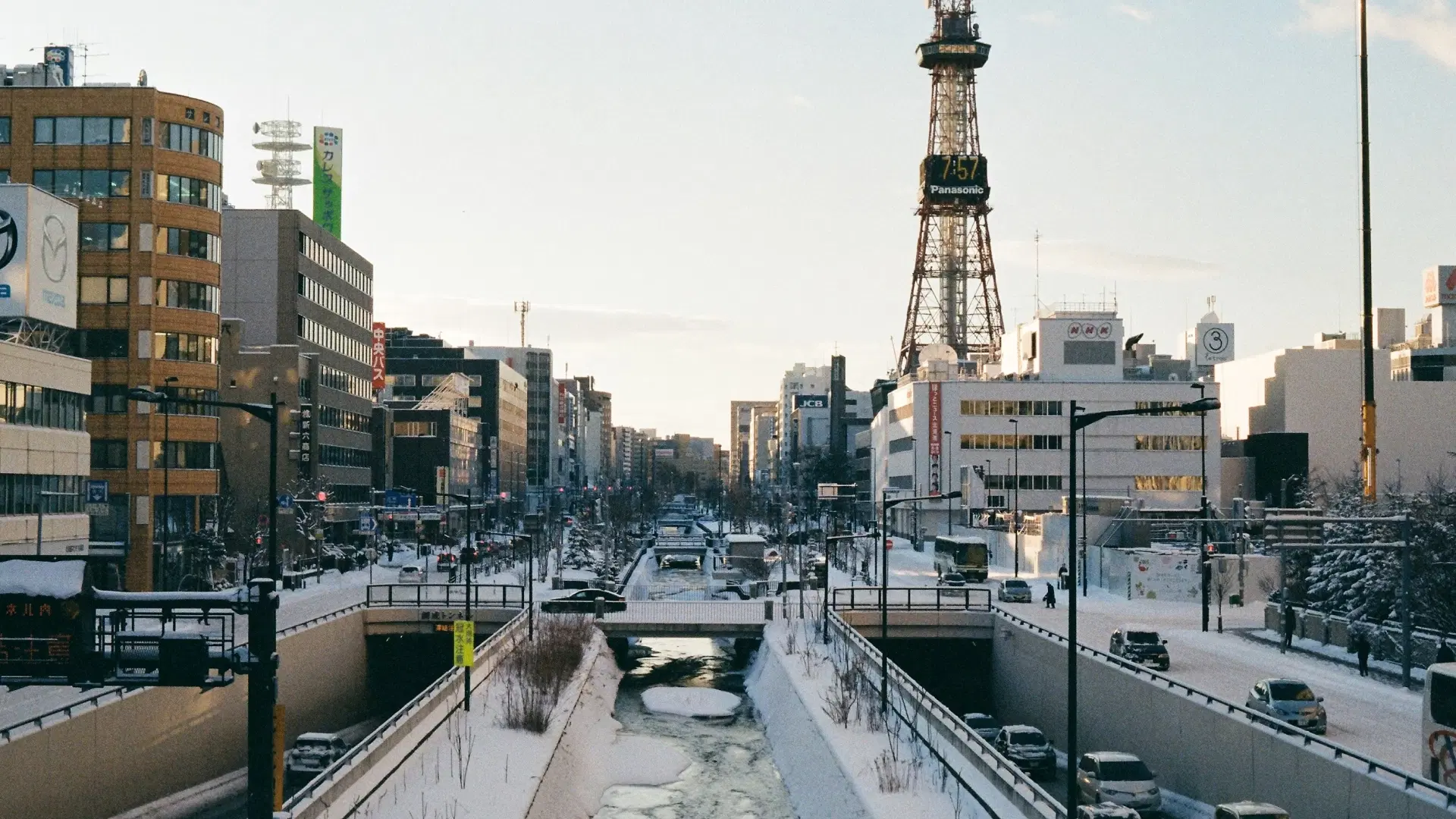
札幌Sapporo is a city that should not exist, or rather, it should not exist in the form it takes. Founded in 1869 as the capital of the newly established Hokkaido Development Commission, it was laid out on a grid system borrowed from American frontier towns, its broad avenues and numbered blocks a deliberate repudiation of the organic, winding urbanism that characterizes older Japanese cities. The Meiji government recruited foreign advisors, many of them from New England, to help colonize this northern wilderness, and their influence persists in the city's spatial logic: Odori Park, a ribbon of green running east-west through the center, divides the city into north and south with a rationality that feels almost Cartesian. Yet Sapporo has long since absorbed its colonial geometry into something unmistakably Japanese, the grid softened by seasons so extreme that urban planning becomes a negotiation with nature itself.
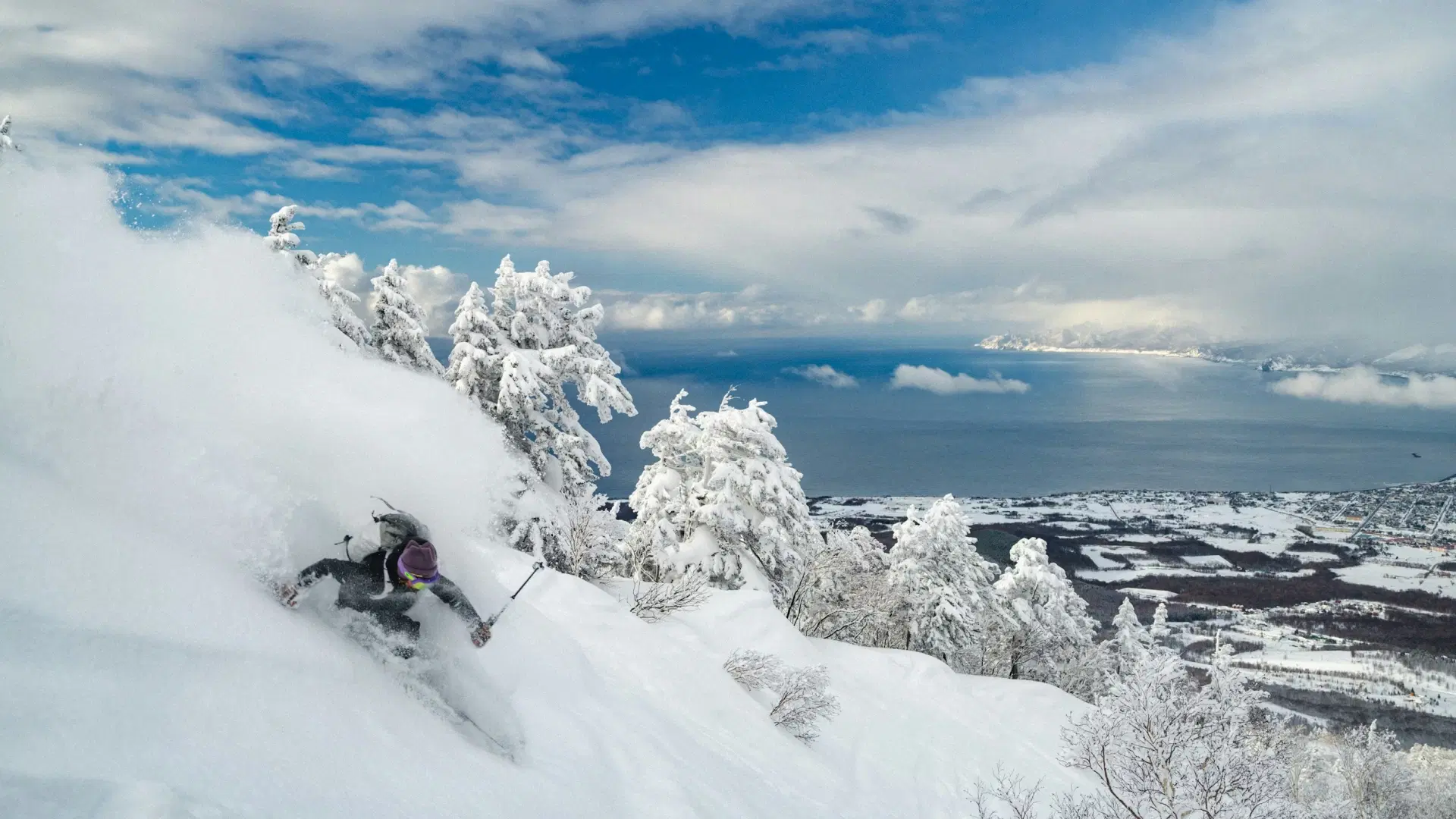
The city's relationship to winter defines its character more than any architectural feature. For five months of the year, snow reshapes the streets, burying the parks, insulating the buildings, and driving civic life into the vast underground shopping arcades that connect the central stations. The Sapporo Snow Festival, held each February, is merely the most visible expression of a culture that has learned not to endure winter but to celebrate it. The city's beer halls, soup curry restaurants, and miso ramen shops are winter institutions, places where warmth is not merely temperature but hospitality.
For travelers approaching Hokkaido from the south, Sapporo serves as the natural gateway, a city large enough to offer international-standard accommodations and dining, yet close enough to wilderness that brown bears occasionally wander into suburban neighborhoods. The Hokkaido University campus, with its famous poplar-lined avenue and ginkgo tunnel, provides a pastoral corridor through the city center that shifts from spring blossom to summer canopy to autumn gold to winter silence with a theatrical regularity that makes the passage of seasons feel like a performance staged for the city's benefit.
Sapporo is a city that should not exist, or rather, it should not exist in the form it takes.
Highlights
Odori Park stretches for thirteen blocks through the heart of Sapporo, functioning as a public living room that changes character with each season. In February, it becomes the main venue of the Snow Festival, its blocks filled with enormous illuminated ice sculptures that transform the park into a frozen gallery. In summer, beer gardens occupy the same space, the Sapporo Beer Garden at the eastern end offering an open-air drinking experience beneath the trees. The Sapporo TV Tower at the park's eastern terminus provides observation deck views that contextualize the city's grid against the surrounding mountains.
The Former Hokkaido Government Office, known as the Red Brick Building, anchors the northern end of the central district with its neo-baroque architecture, a style that speaks to the Meiji ambition of building a modern capital from nothing. The surrounding gardens are among the city's finest cherry blossom spots in May, the pink flowers striking against the red brickwork. Nearby, the Hokkaido University Botanical Garden preserves a fragment of the original Hokkaido forest, its collection of over four thousand plant species housed in greenhouses and outdoor beds that document the island's unique subarctic ecology.
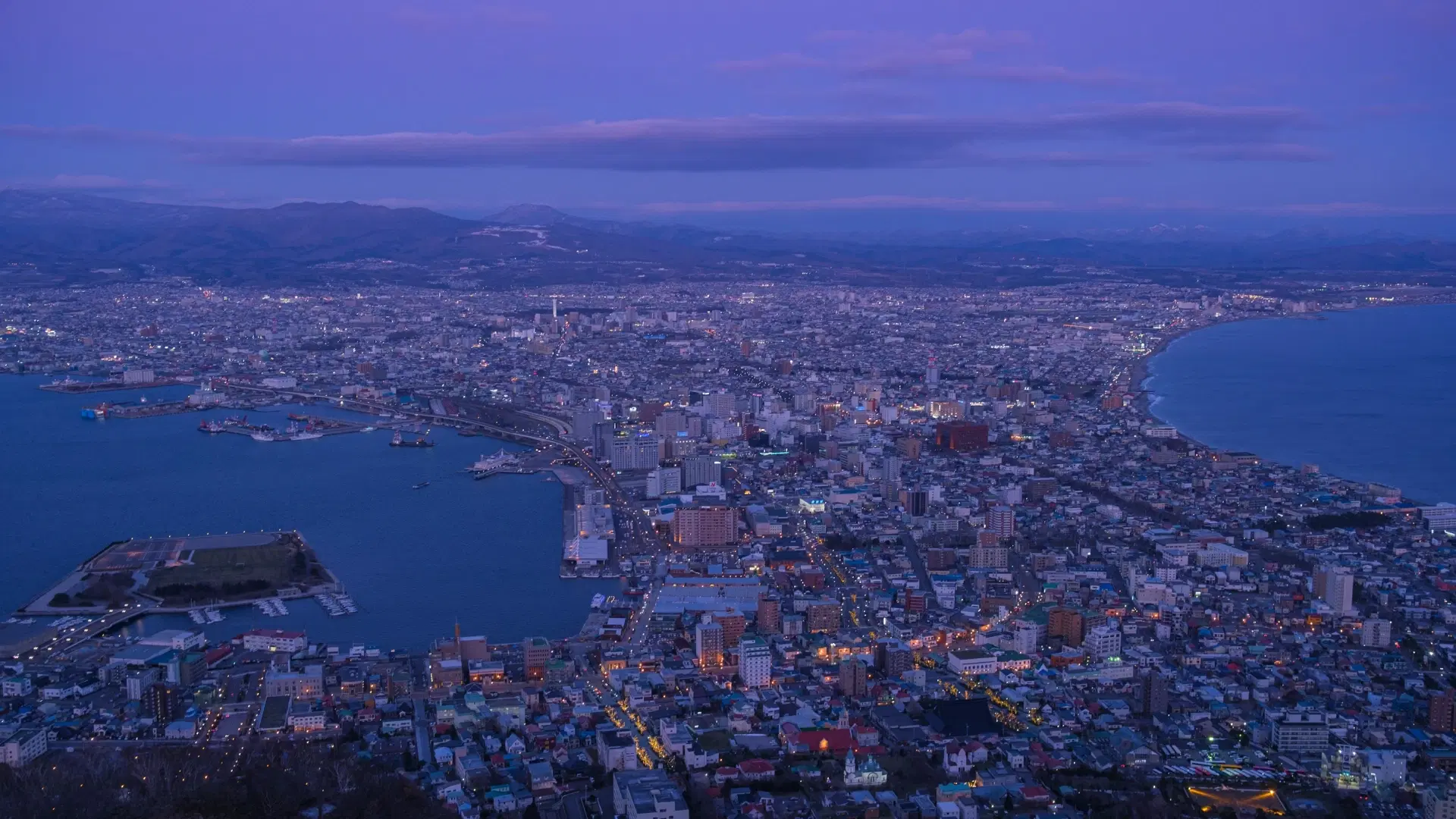
Mount Moiwa, accessible by ropeway from the city's southwestern edge, offers panoramic night views that have been designated among Japan's three finest new night views. The observation deck at 531 meters looks down on the city's illuminated grid, the light fading at the edges where the urban fabric dissolves into darkness and forest. The experience is most striking in winter, when snow amplifies the reflected light and the cold air sharpens visibility to crystalline precision.
Culinary Scene
Sapporo's food identity is built on the convergence of Hokkaido's extraordinary agricultural and marine bounty with a cooking culture shaped by cold weather and immigrant innovation. Miso ramen, the city's signature dish, was developed here in the postwar period, its rich, butter-laced broth a response to winters that demand caloric density. The original Ramen Yokocho alley in Susukino has been serving bowls since 1951, its narrow corridor of competing shops a living museum of the form. Soup curry, a Sapporo invention that combines Japanese curry with Southeast Asian spice profiles and generous vegetables, has evolved from counterculture oddity to civic staple, with hundreds of shops across the city offering variations that range from mild and aromatic to intensely fiery.
The Nijo Market, operating since 1903 near Odori Park, concentrates the island's seafood heritage into a compact grid of stalls and counter restaurants. Hokkaido's hairy crab, sea urchin, scallops, and salmon are displayed with the theatrical abundance that defines Japanese market culture, and the kaisen-don bowls of rice topped with glistening raw seafood offer what may be Japan's finest ratio of quality to price. Genghis Khan, the dome-shaped grill on which lamb is cooked at the table, reflects Hokkaido's pastoral character, a cooking method developed when the island's sheep farming industry needed a way to popularize mutton consumption. The Sapporo Beer Museum, housed in a handsome Meiji-era red brick factory, tells the story of Japan's oldest beer brand and offers tastings that pair well with the city's robust, cold-weather cuisine.