Yosakoi Soran Festival
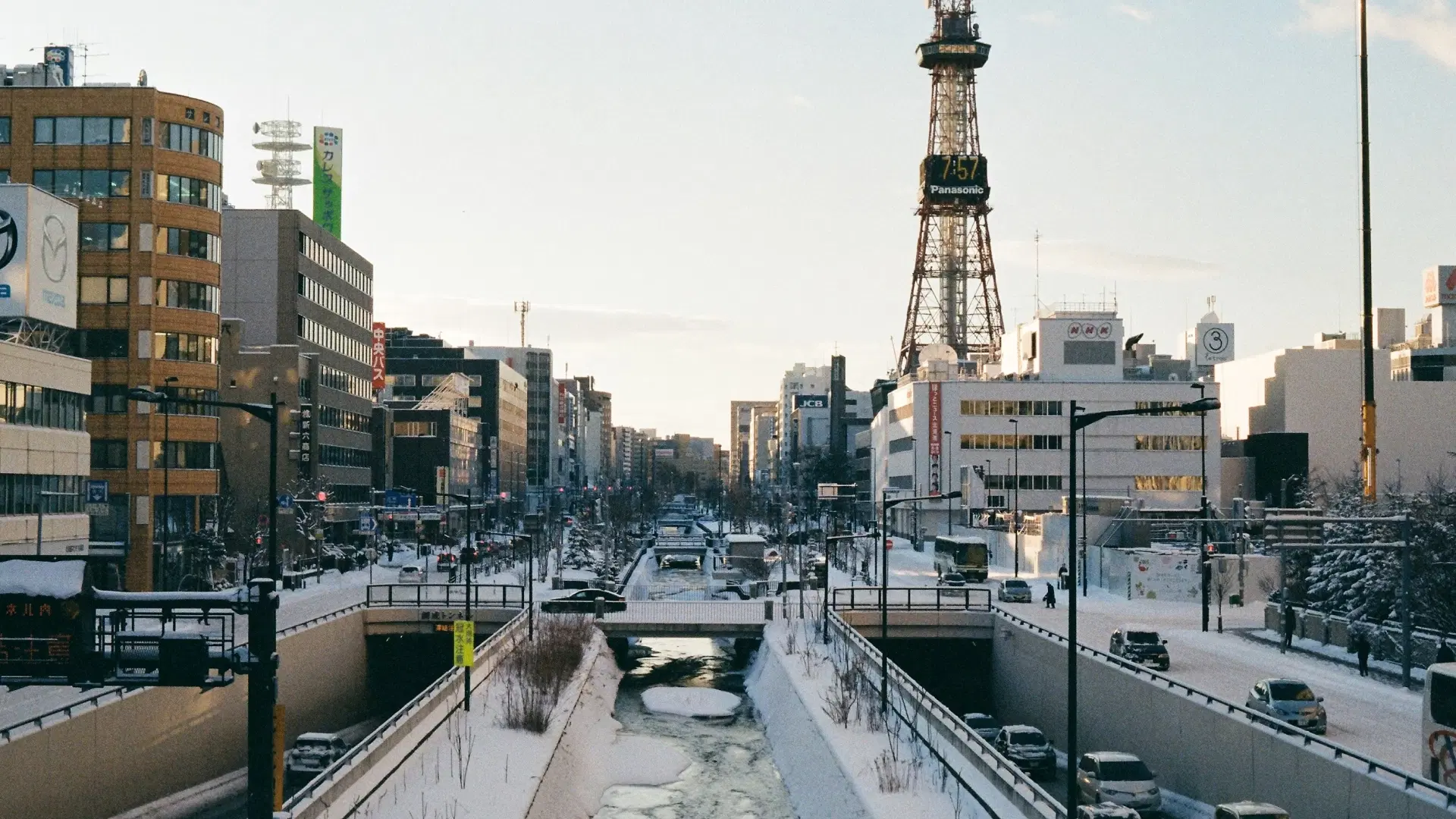
YOSAKOIソーラン祭りThe Yosakoi Soran Festival is Sapporo's most kinetically charged event, a five-day explosion of choreographed energy in which tens of thousands of dancers from across Japan transform the city's broad avenues and parks into an open-air theater of movement, color, and amplified sound. The festival is a hybrid creation, fusing the yosakoi dance tradition born in Kochi Prefecture on the island of Shikoku with the soran bushi, a traditional Hokkaido folk song whose driving rhythm echoes the labor of herring fishermen hauling their nets from the frigid northern seas. The result is a performance form that belongs to neither tradition alone but draws from both a vitality that is entirely its own.
Each participating team, and there are typically over two hundred and fifty, designs its own costumes, choreography, and musical arrangement, the only requirements being the incorporation of naruko wooden clappers and a musical composition that references the soran bushi melody. Within these constraints, the creative range is staggering: teams arrive in costumes that span the spectrum from traditional happi coats to futuristic bodysuits, their choreography ranging from classically influenced dance to athletic, acrobatic routines whose physical demands rival competitive sport. The sound of hundreds of naruko clappers striking in unison produces a percussive wall that is the festival's acoustic signature, a rhythmic pulse that reverberates through the streets and into the body.
The festival's competitive structure adds an edge of intensity that elevates the performances beyond mere celebration. Teams are judged on choreography, costume design, musical arrangement, and overall impact, with the grand prize awarded at the festival's culmination. The result is a standard of preparation and execution that transforms what might be a casual street dance into performances of genuine artistic ambition, the months of rehearsal and investment evident in every synchronized turn and coordinated gesture.
The Yosakoi Soran Festival is Sapporo's most kinetically charged event, a five-day explosion of choreographed energy in which tens of thousands of dancers from across Japan transform the city's broad avenues and parks into an open-air theater of movement, color, and amplified sound.
History & Significance
The Yosakoi Soran Festival was founded in 1992 by a group of Hokkaido University students who had witnessed the original Yosakoi Festival in Kochi and recognized in its energy and participatory spirit a model that could invigorate Sapporo's early summer season. The fusion with the soran bushi was both a creative decision and an act of cultural synthesis, grafting the southern island's dance tradition onto a northern folk song to create something that could claim legitimate roots in Hokkaido's own heritage. The first festival attracted twenty teams and a modest audience, but the concept resonated with a city that had long sought a summer counterpart to its celebrated Snow Festival.
The growth that followed was rapid and transformative. Within a decade, the festival had become one of Japan's largest participatory dance events, drawing teams from every prefecture and audiences exceeding two million. The festival's organizational model, which encourages any group regardless of professional affiliation to form a team and participate, democratized performance in a way that resonated with the egalitarian spirit of Hokkaido's settler culture. Corporate teams, university clubs, community groups, and collections of friends united by nothing more than enthusiasm have all taken the stage, the festival's inclusive structure ensuring that the boundary between performer and spectator remains porous and inviting.
What to Expect
The festival's main stage on Odori Park's western blocks is where the competition's most polished teams perform, their routines executed with a precision and theatrical flair that commands attention. The energy at the main stage builds through the festival's five days, the preliminary rounds winnowing the field until the final day's performances carry the accumulated intensity of a competition reaching its climax. The seated viewing areas fill quickly for the headline performances, and standing positions along the park's edges offer a more spontaneous viewing experience where the crowd's reactions become part of the spectacle.
The street parade stages, spread across multiple locations in central Sapporo, offer a different and in some ways more visceral experience. Teams dance through cordoned street sections in processions that bring the performers within arm's reach of the spectators, the volume of the amplified music and the physical proximity of the dancers creating an immersive intensity that the main stage's distance cannot replicate. The Susukino evening parade, where teams dance beneath the entertainment district's neon canopy, adds a particular visual drama, the traditional movements performed in a landscape of modern urban spectacle.
The diversity of the teams is itself a source of fascination. A university team performing with gymnastic athleticism may be followed by a group of grandmothers whose grace and dignity transform the same musical framework into something entirely different. Regional teams bring the aesthetic sensibilities of their home prefectures, their costumes and choreography serving as cultural ambassadors. Children's teams perform with an unselfconscious joy that reminds the audience of the festival's fundamental purpose: the celebration of communal energy expressed through the body in motion.