Furano
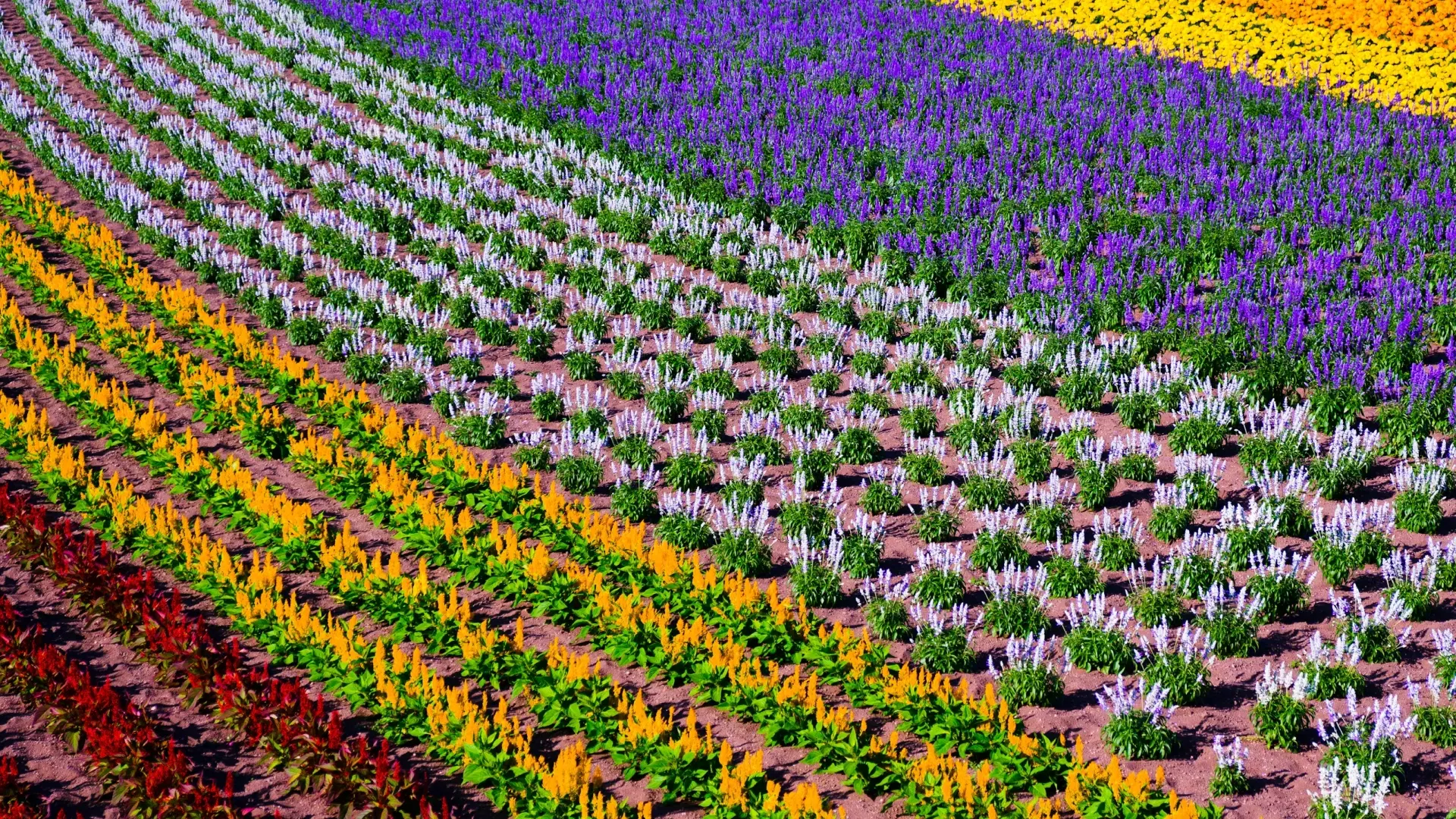
富良野Furano lies at the geographic center of Hokkaido, a fact the town commemorates with a small monument, but its true centrality is aesthetic rather than cartographic. The rolling hills that surround the town form one of Japan's most photogenic agricultural landscapes, a patchwork of cultivated fields that shift color with the seasons: white with snow in winter, green with young crops in spring, purple with lavender and gold with wheat in summer, amber with harvested stubble in autumn. The visual effect, particularly in the undulating terrain between Furano and neighboring Kamifurano and Biei, is of a land art installation on a vast scale, the stripes and blocks of color arranged by farming practice into compositions that recall the work of landscape painters.
The lavender fields, blooming from late June through early August, are what draw most visitors, and justifiably so. Lavender was introduced to Furano in the 1940s as a commercial crop for essential oil production, but when synthetic alternatives made the farming uneconomical in the 1970s, the fields were preserved for their beauty rather than their utility. Farm Tomita, the most famous of the lavender farms, has become a pilgrimage site whose fields of purple, arranged in flowing rows that follow the contours of the hills, produce a sensory experience that combines visual splendor with the pervasive, calming fragrance of the blossoms.
Beyond the lavender season, Furano sustains a quieter agricultural beauty. The town's winemaking tradition, established in the 1970s using cold-hardy grape varieties, produces vintages that reflect the terroir of a northern growing region. The surrounding dairy farms supply milk, butter, and cheese of exceptional quality, the rich pastureland and cold climate combining to produce dairy products with a creaminess and depth that have made Hokkaido dairy famous throughout Japan.
Furano lies at the geographic center of Hokkaido, a fact the town commemorates with a small monument, but its true centrality is aesthetic rather than cartographic.
Highlights
Farm Tomita is the epicenter of the lavender experience, its twelve fields arranged across a hillside that provides elevated views over the purple expanse to the Tokachi mountain range beyond. The Lavender East field, a separate property and the largest lavender field in Japan at fourteen hectares, blooms slightly later than the main farm and offers a more expansive, less crowded experience. The farm's distillery produces essential oil using traditional steam extraction methods, and the lavender soft-serve ice cream, a product that should be kitschy but instead tastes genuinely of the flower, has become an edible emblem of Hokkaido summer tourism.
The Panorama Road between Furano and Biei traverses a landscape of gentle hills planted with wheat, potatoes, beans, and flowers in patterns that change weekly as different crops reach maturity. The "patchwork hills" of Biei, named for their resemblance to fabric swatches, have become famous through photography and advertising, their visual appeal so consistent that certain trees standing alone in the fields have been given individual names and attract their own pilgrimages.
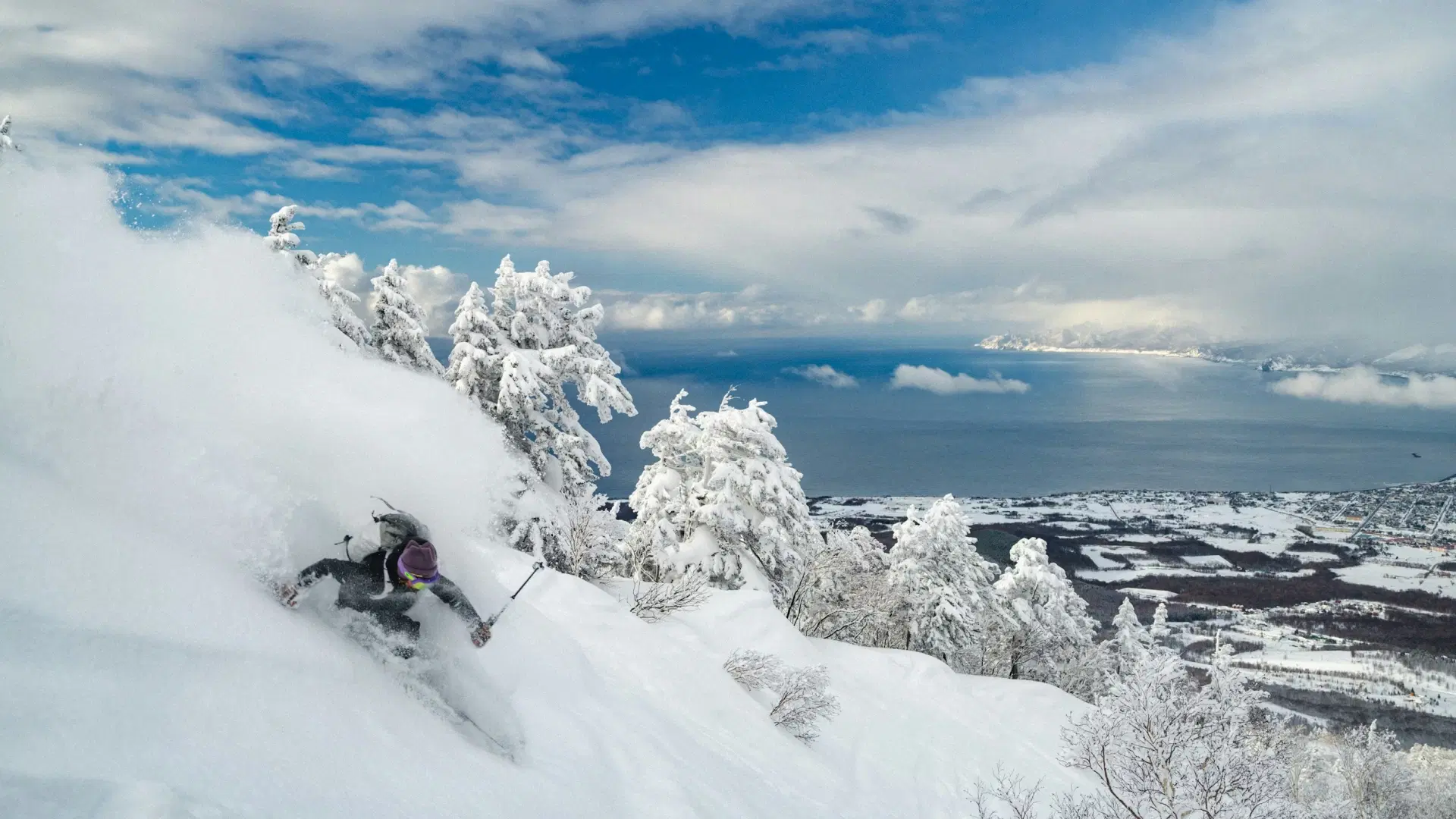
Furano Ski Resort, operating on the slopes of Mount Kitanomine, offers excellent powder skiing that benefits from the same weather systems that supply Niseko but with significantly fewer international visitors. The resort's vertical drop of 964 meters, north-facing aspect, and reliable snowfall make it a serious ski destination that remains, for now, primarily known to domestic skiers and those travelers willing to venture beyond the more publicized western resorts.
Culinary Scene
Furano's cuisine is rooted in the extraordinary quality of its local agriculture. The Furano melon, a cantaloupe variety grown in greenhouses that harness the long summer daylight, achieves a sweetness and aroma that justify the premium prices these fruits command in Tokyo department stores. Eaten at the source, sliced and served at farmside stands still cool from the morning harvest, the experience is revelatory. The town's cheese factory, Furano Cheese Kobo, produces camembert, wine-washed, and smoked varieties using milk from local herds, the products reflecting a European cheesemaking tradition adapted to Hokkaido's climate and pastureland.
Furano Wine, produced from grapes grown in vineyards visible from the town center, offers tastings at a hillside winery whose terrace overlooks the valley. The wines, predominantly made from Seibel and other cold-climate varieties, possess a lightness and acidity that pair naturally with the rich dairy and seafood of Hokkaido cuisine. Omu-curry, a Furano specialty combining omelette, rice, and curry in a single comforting dish, has been adopted as the town's official culinary symbol, with local restaurants competing to produce the most satisfying version using Furano eggs, rice, and vegetables.
Ryokans in Hokkaido
There are no ryokans in our guide listed in Furano. See our selection across Hokkaido.
View ryokans in Hokkaido