The Rotenburo: Bathing Under Open Sky
Why the outdoor bath is the soul of the Japanese onsen experience, and where to find the country's finest
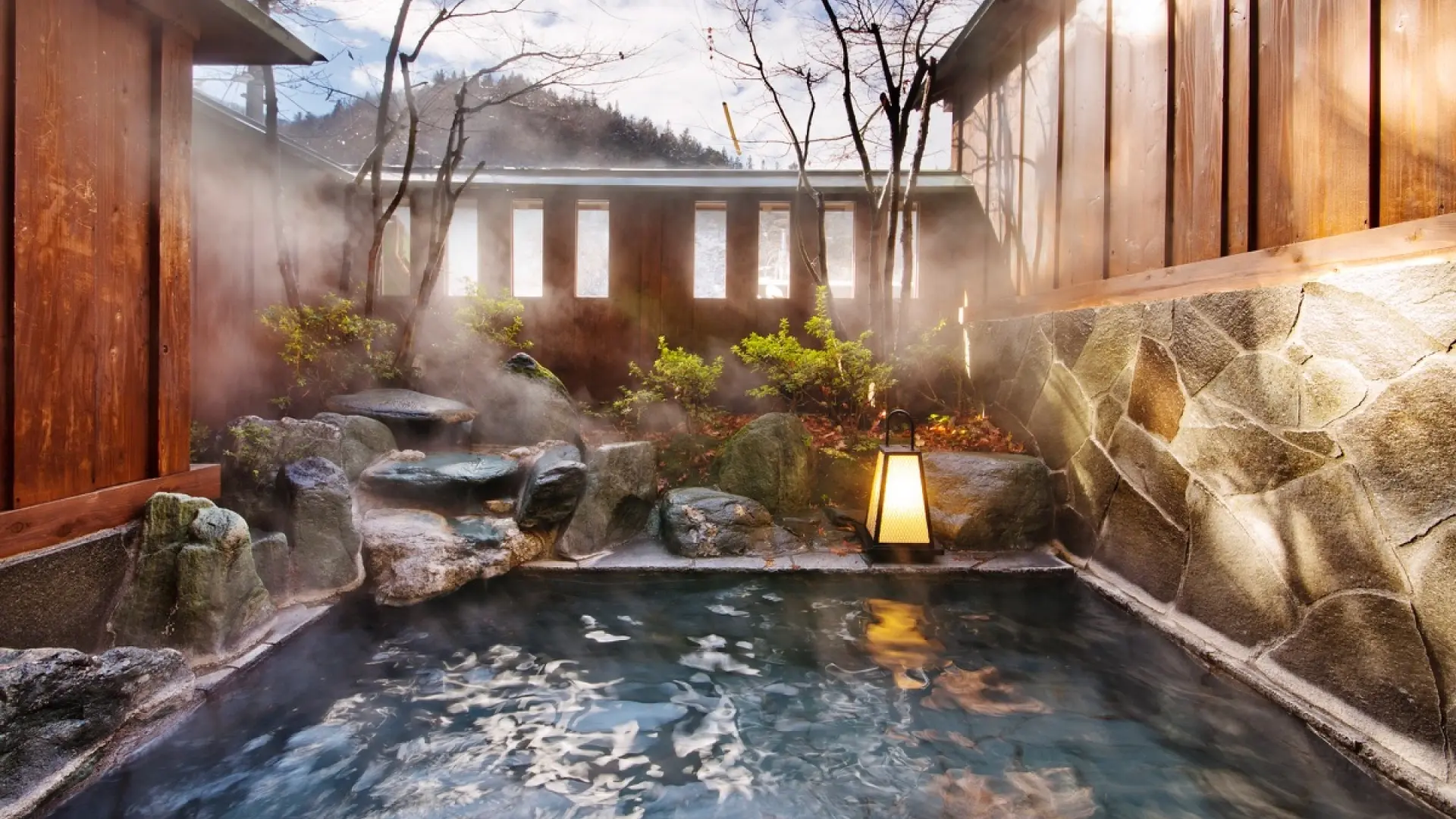
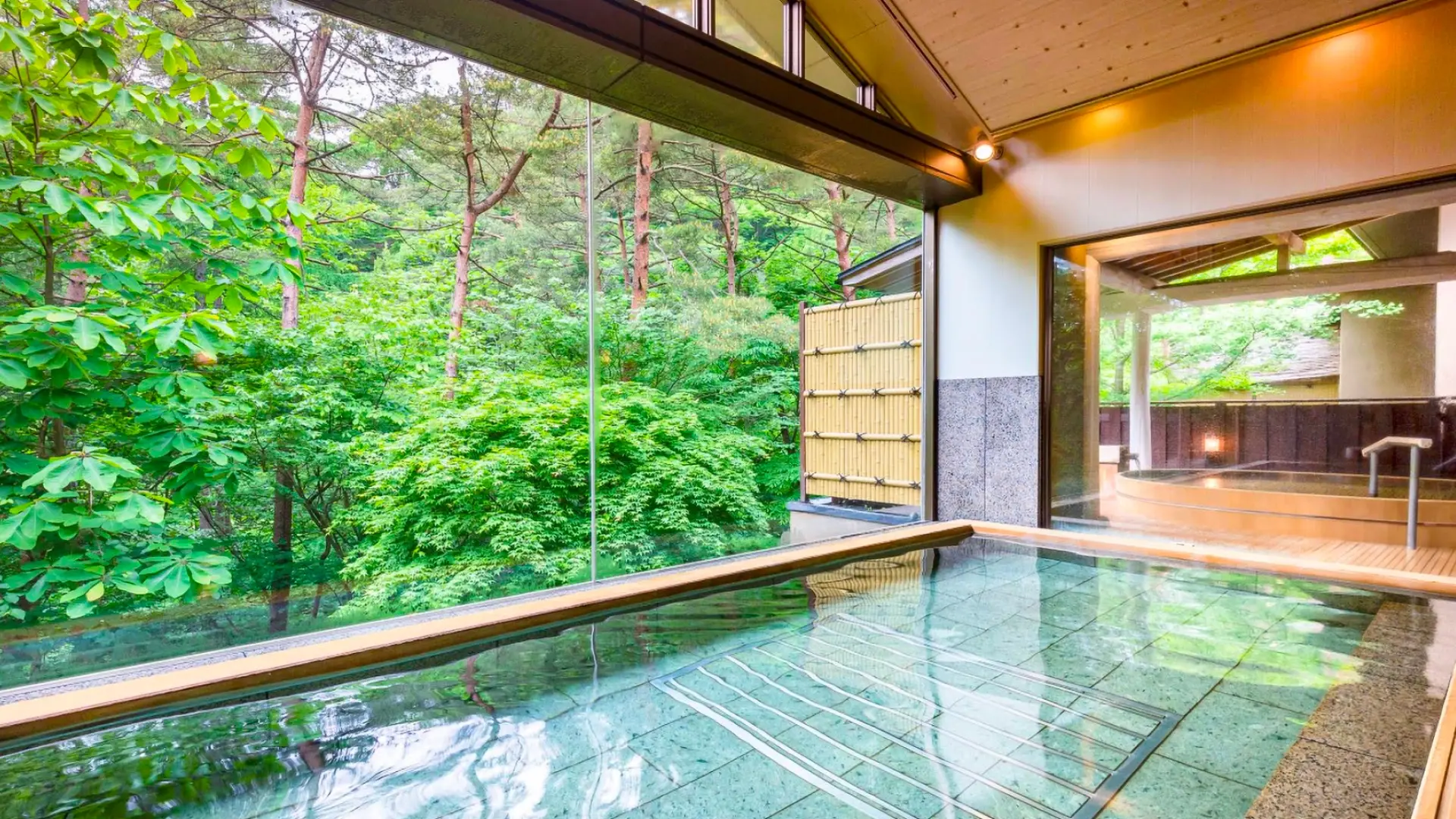
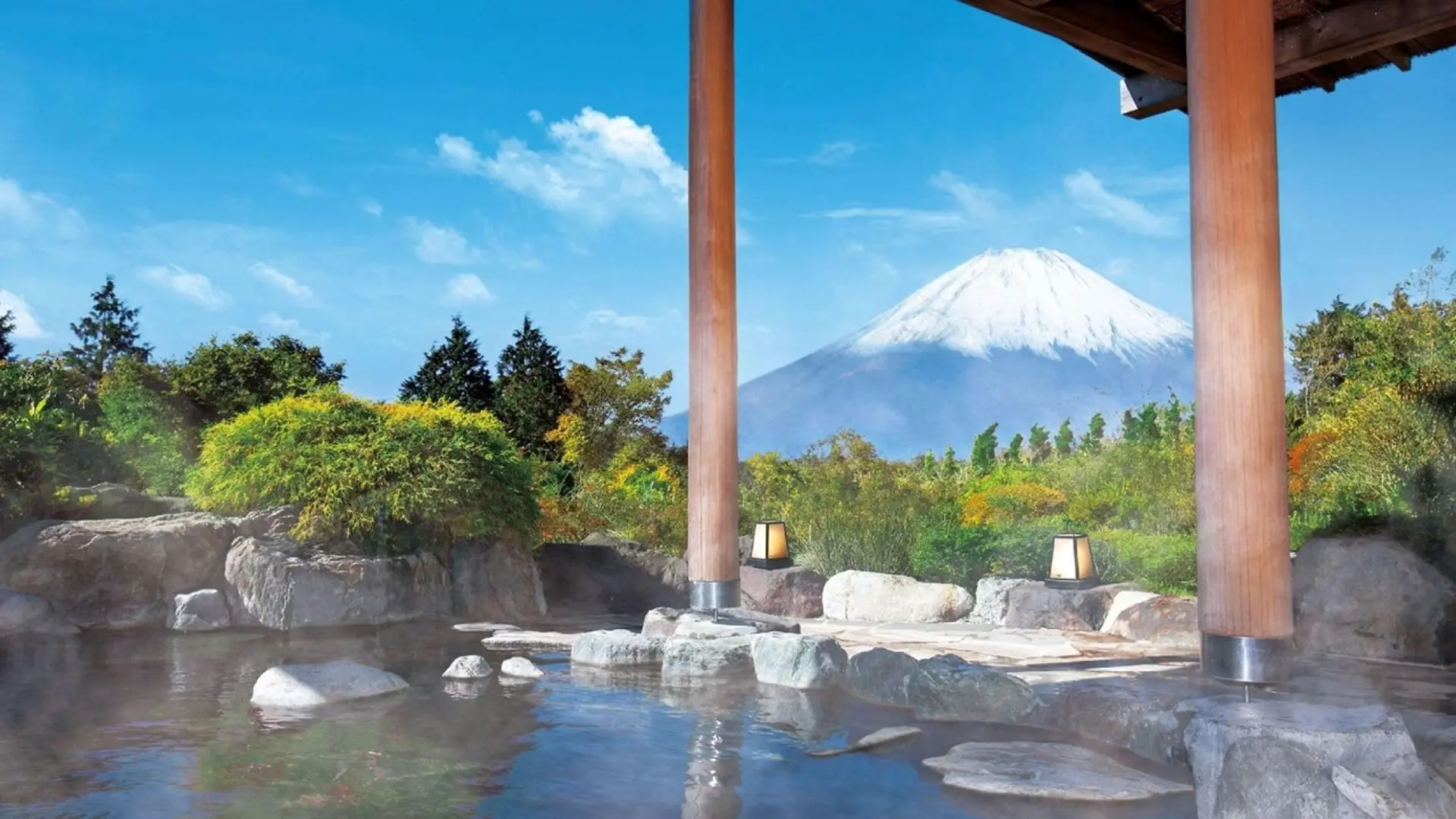
There is a moment, repeated thousands of times each day across the Japanese archipelago, that encapsulates something essential about this country's relationship with nature. A bather steps out of the interior washing area, slides open a wooden door, and emerges into the open air. Steam rises from a stone-edged pool. Beyond the bath's rim, the landscape unfolds: a forested mountainside, a rushing river, a snow-covered garden, or the vast expanse of the Pacific.
This is the rotenburo, the outdoor hot spring bath, and it is arguably the single most transcendent experience that Japanese hospitality offers. The rotenburo adds a dimension that transforms bathing from an act of relaxation into something closer to communion. Here, the mineral water connects the body to the geological forces beneath the earth while the open sky connects the spirit to the world above.
Rotenburo (露天風呂) literally translates as "open-air bath" or "dew-sky bath." The kanji for "dew" (露) and "sky" (天) together evoke the image of bathing directly beneath the elements. The earliest references to outdoor bathing in Japanese literature date to the Nara period.
The Architecture of Openness
The finest rotenburo are not merely baths placed outdoors. They are carefully designed spaces that orchestrate the relationship between water, stone, vegetation, and sky. The architecture must accomplish something paradoxical: it must create a sense of enclosure and privacy while simultaneously opening the bather to the natural world.
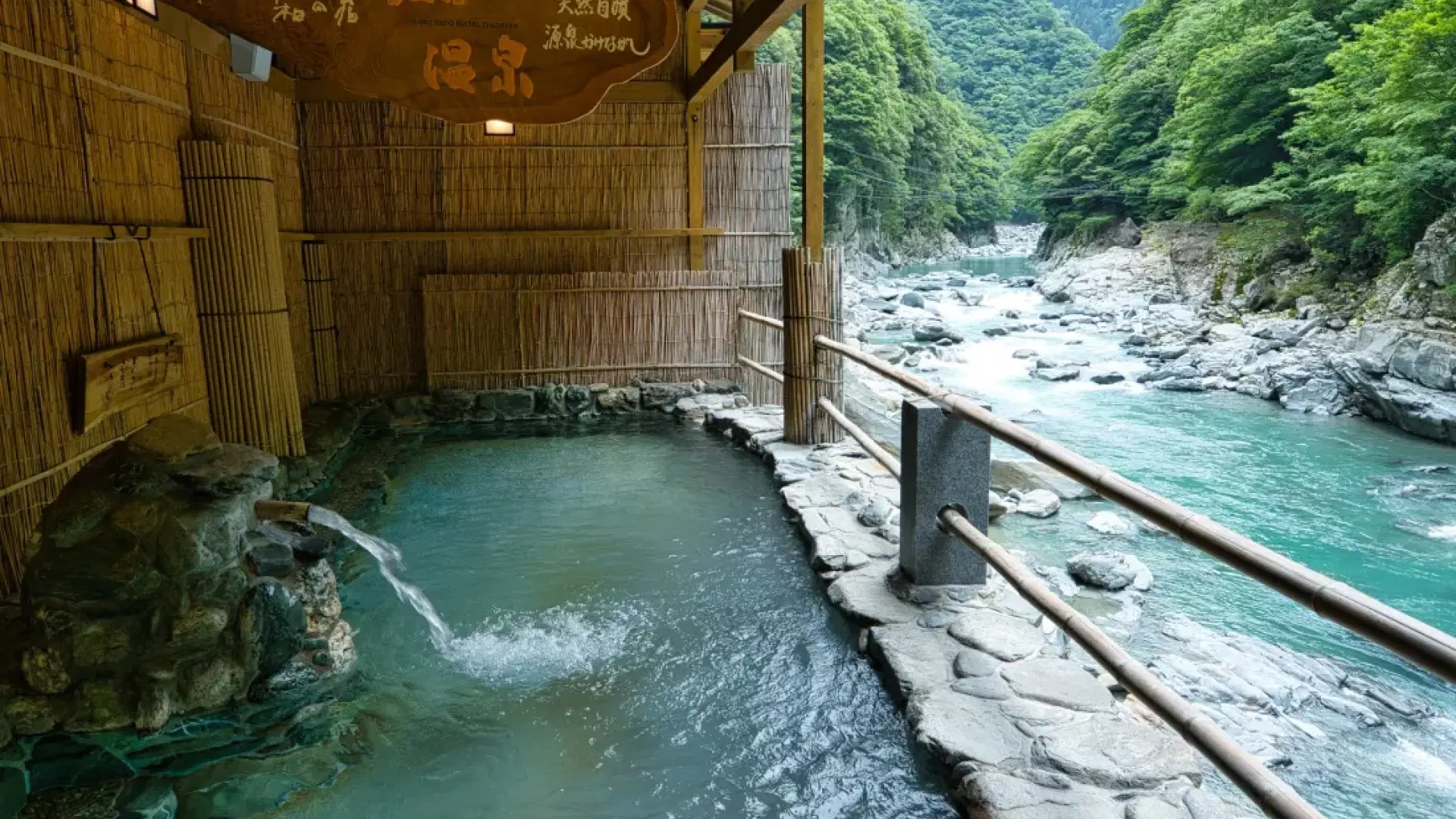
The materials are almost always natural. Stone forms the bath's basin and edges. Bamboo fencing or carefully pruned hedges provide screening without creating walls. Water entry is a critical detail: in the most traditional rotenburo, the hot spring water flows into the bath through a bamboo spout or a natural rock channel, creating a gentle, continuous sound that contributes to the meditative atmosphere.
The Four Seasons of the Rotenburo
No aspect of the rotenburo experience illustrates the Japanese concept of shun more clearly than the seasonal cycle. The same bath transforms completely across the year.
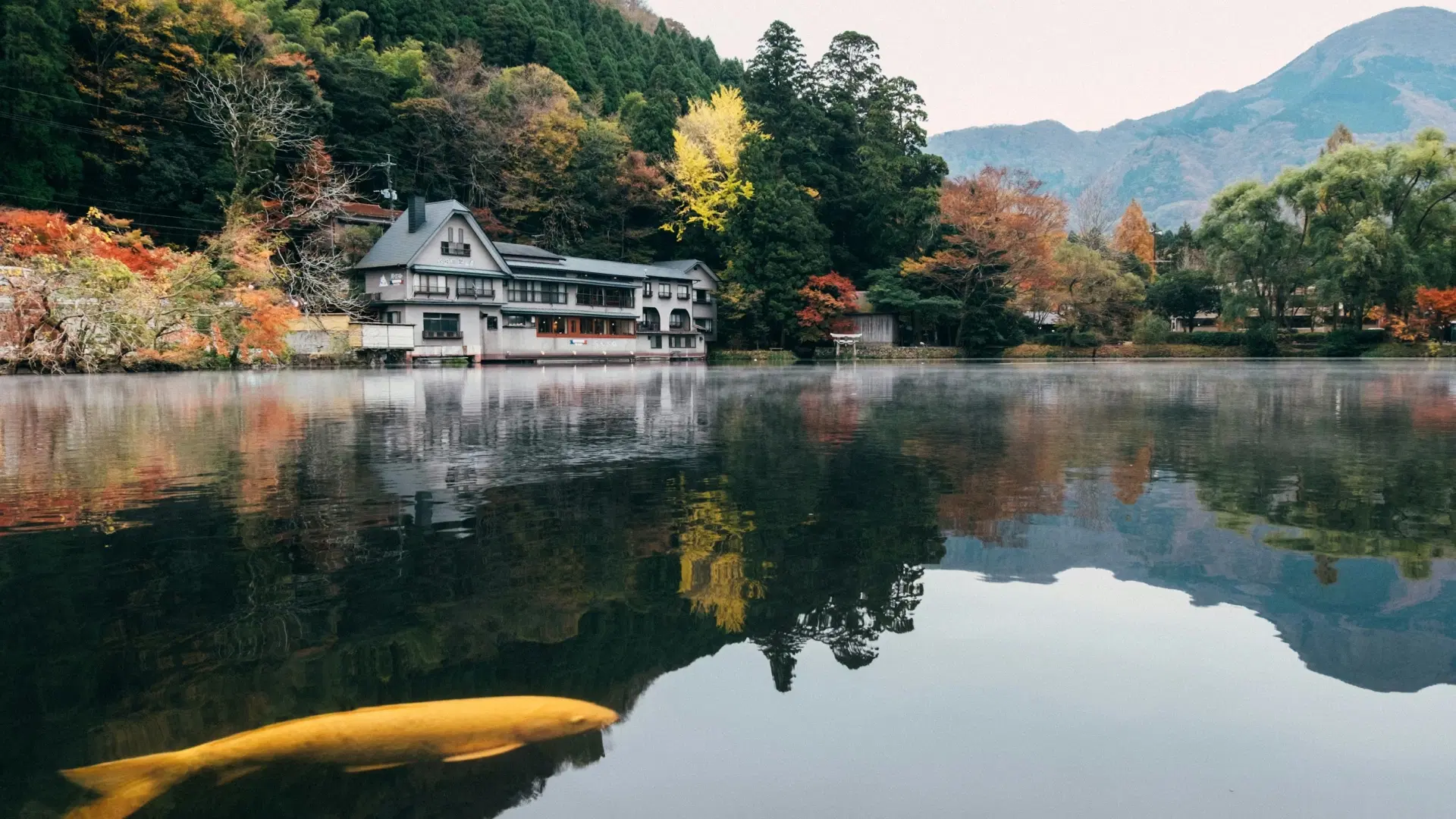
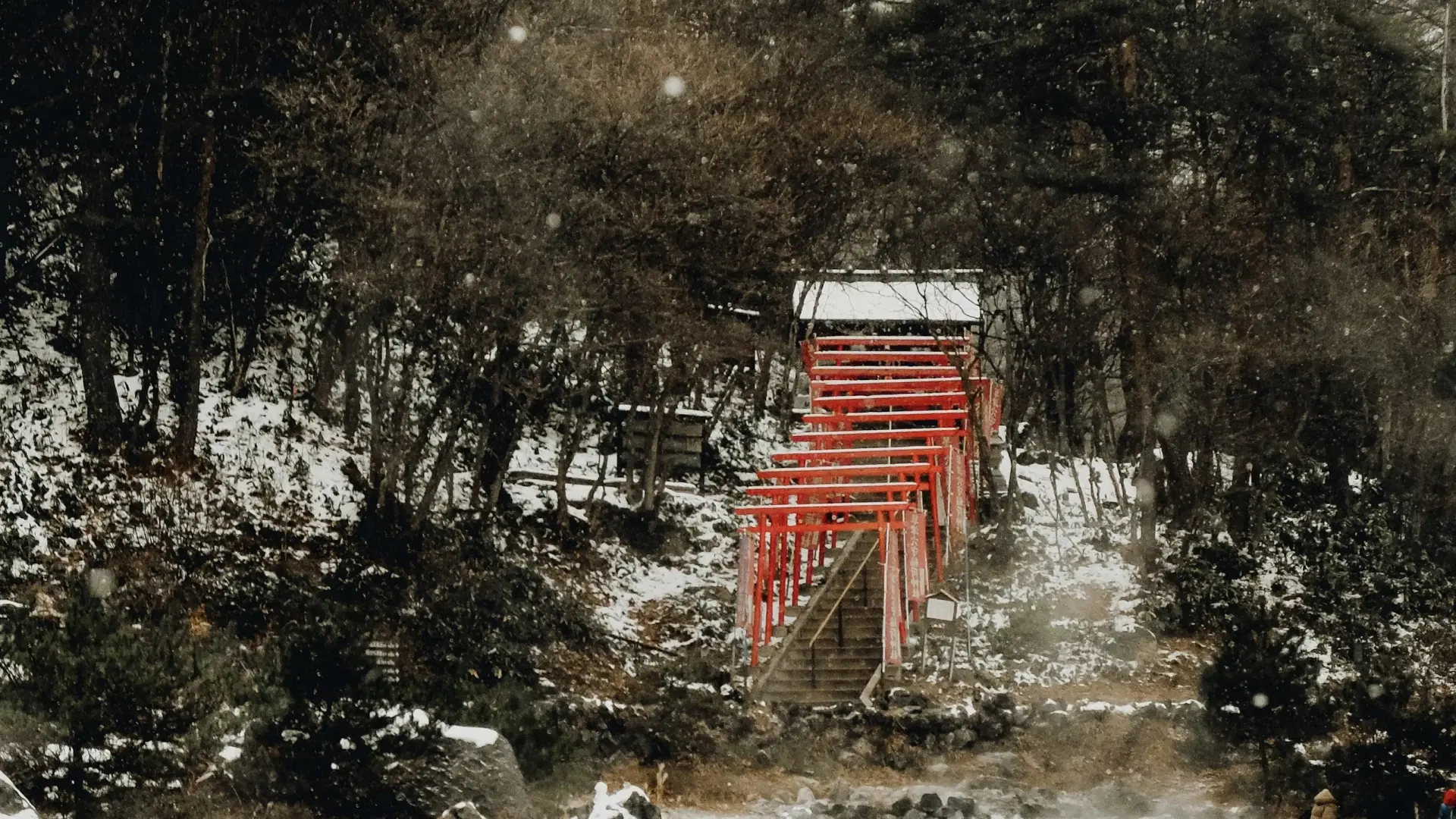
Spring brings hana-ikada, cherry petals drifting onto the water's surface. Summer offers cool mountain air against the heat of the bath at elevation. Autumn is, for many devotees, the supreme season, when crimson and gold maple leaves are reflected in the steaming water. Winter delivers yukimi-buro, the celebrated art of bathing while watching snow fall, which many consider the ultimate rotenburo experience.
Best months for rotenburo: spring blossoms, autumn foliage, and winter snow
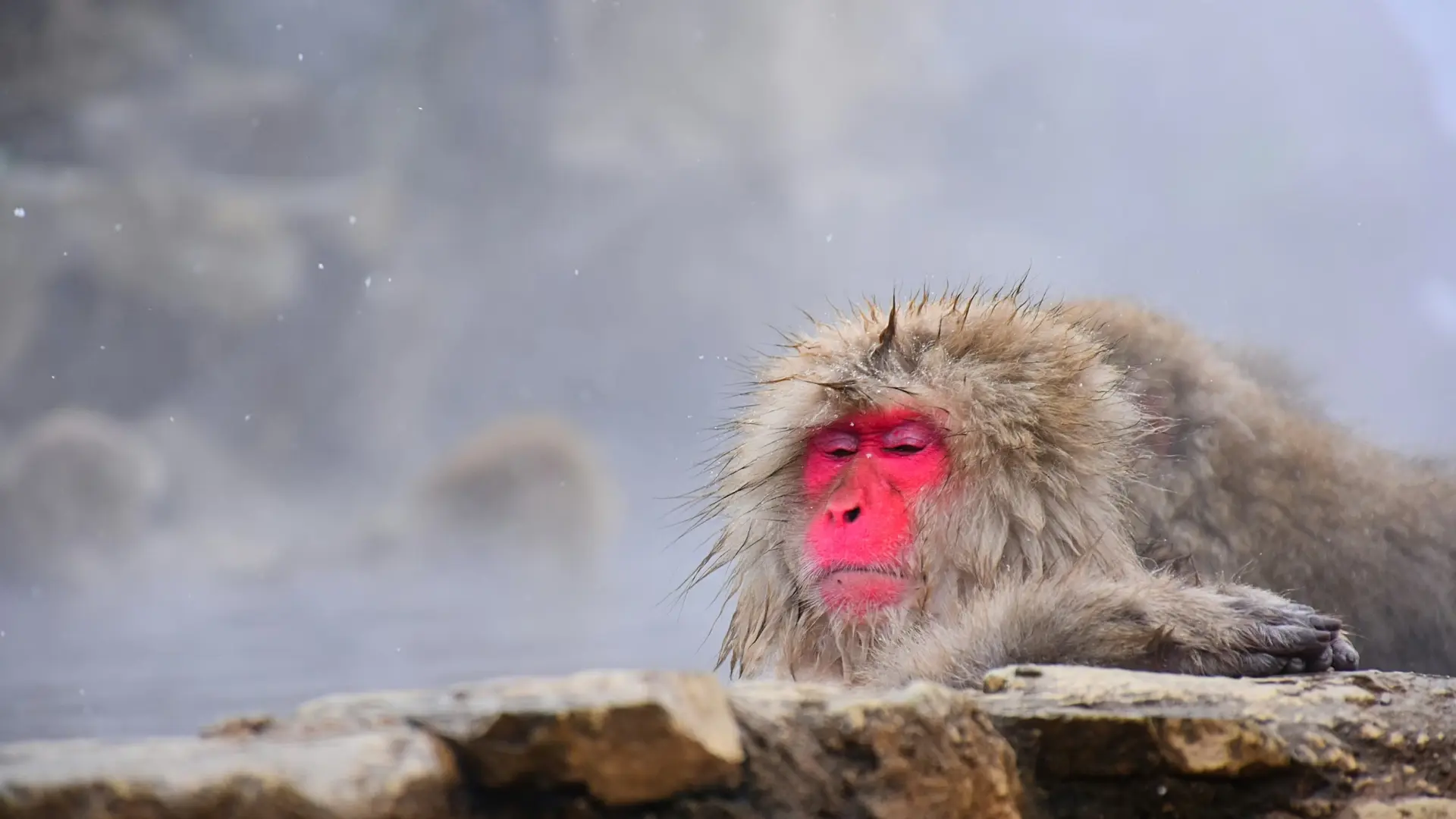
The contrast between the scalding water and the freezing air, between the steam rising from the bath and the snowflakes descending from the sky, creates a sensory intensity that borders on the ecstatic.
The Ryokan Guide Editorial
The Private Rotenburo
One of the most significant developments in contemporary ryokan culture is the proliferation of rooms with private rotenburo, known as kyakushitsu-rotenburo. These are small outdoor baths accessible exclusively from a guest room, representing the intersection of two powerful desires: the craving for outdoor bathing and the desire for absolute privacy.
The best private rotenburo achieve an intimacy that communal baths cannot. At dawn, a guest might slip into their private bath and watch the mist rise off a mountain valley in perfect solitude. At night, the same bath offers a view of stars that the steam-fogged interior baths can never provide.
Etiquette Under Open Sky
The etiquette of the rotenburo follows the same principles as indoor onsen bathing. Wash thoroughly at the indoor stations before entering the outdoor bath. Photography is prohibited in all bathing areas, both indoor and outdoor. This rule is absolute and non-negotiable.
The most important piece of rotenburo etiquette is also the simplest: be present. Leave your phone in the changing room. Let the water hold you and the sky cover you, and allow the boundary between your body and the landscape to soften. This is what the rotenburo was built for.
To bathe outdoors in a Japanese hot spring, in any season, at any hour, is to understand something about Japan that no museum, temple, or restaurant can convey.
The Ryokan Guide Editorial