Regional Ryokan Specialties: A Culinary Map of Japan
From the snow crab of the Japan Sea to the black pork of Kagoshima, how geography shapes the ryokan table
One of the most persistent misconceptions about Japanese cuisine is that it is a single, unified tradition. The truth is that a kaiseki dinner in Kanazawa and a kaiseki dinner in Kagoshima have about as much in common as a Provencal meal and a Scandinavian one. The ingredients, the flavors, the techniques, and the aesthetic sensibility are shaped by geography, climate, history, and local tradition in ways that make each region's ryokan cuisine genuinely distinctive.



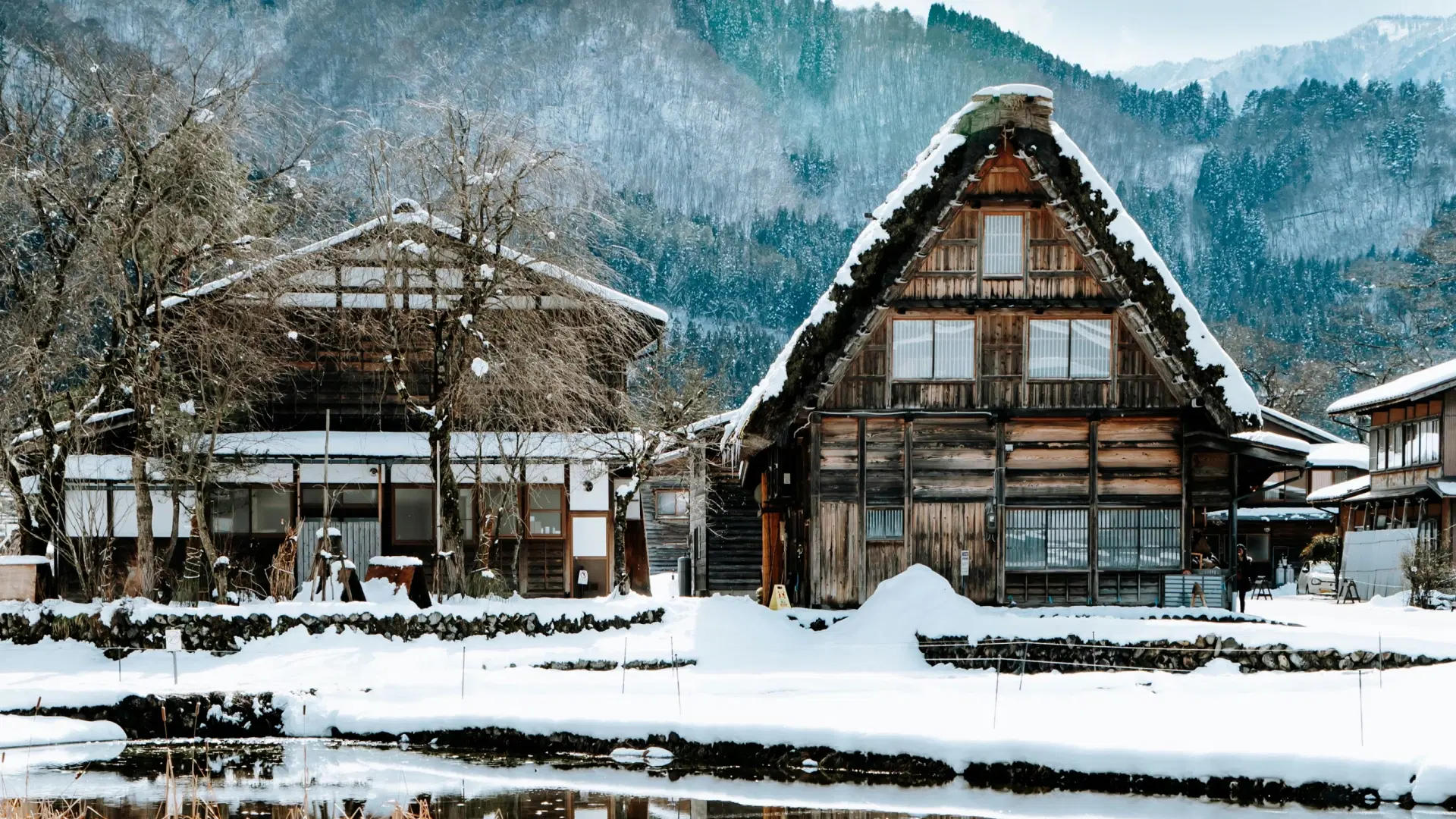

Hokkaido: The Northern Larder
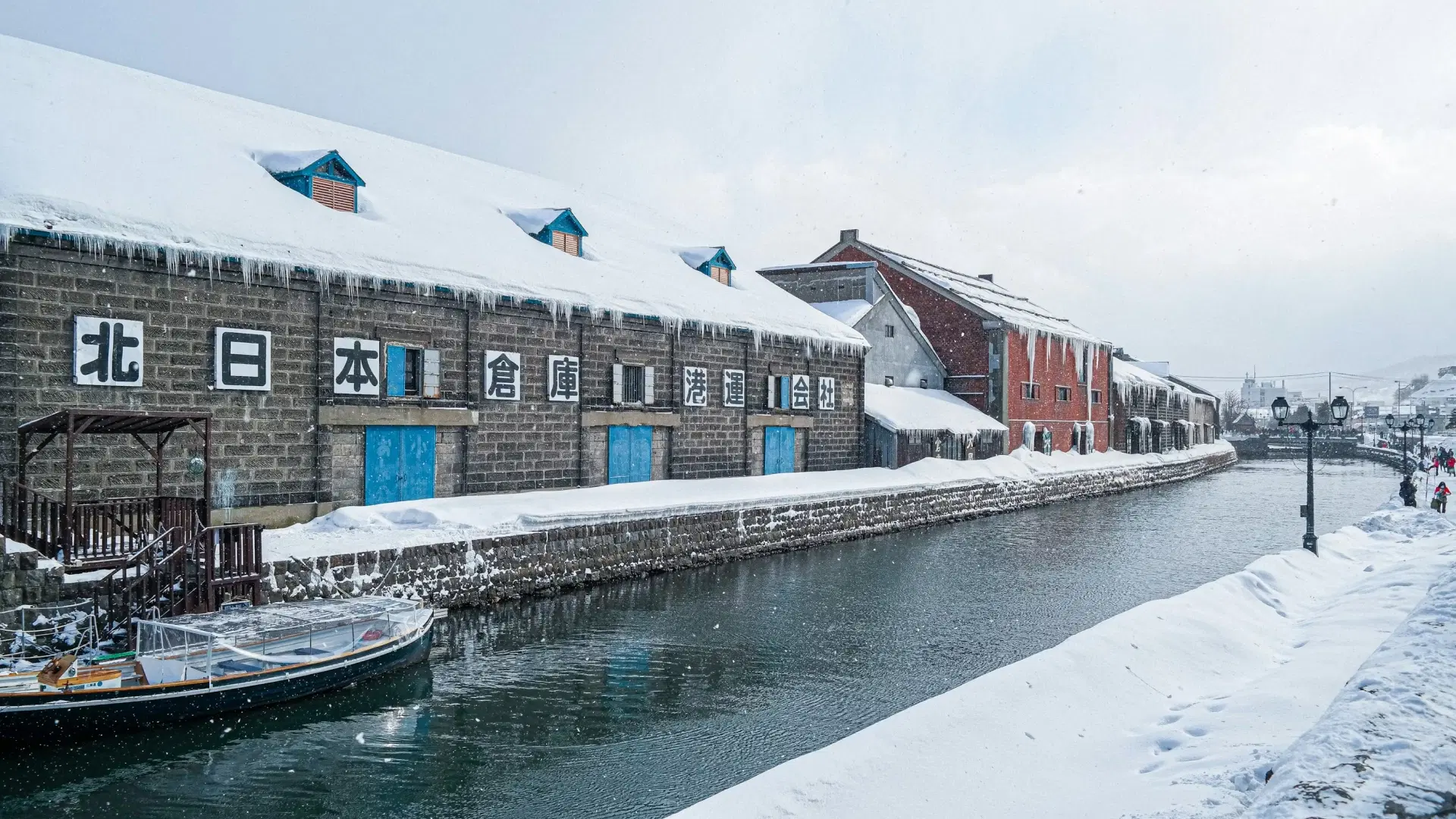
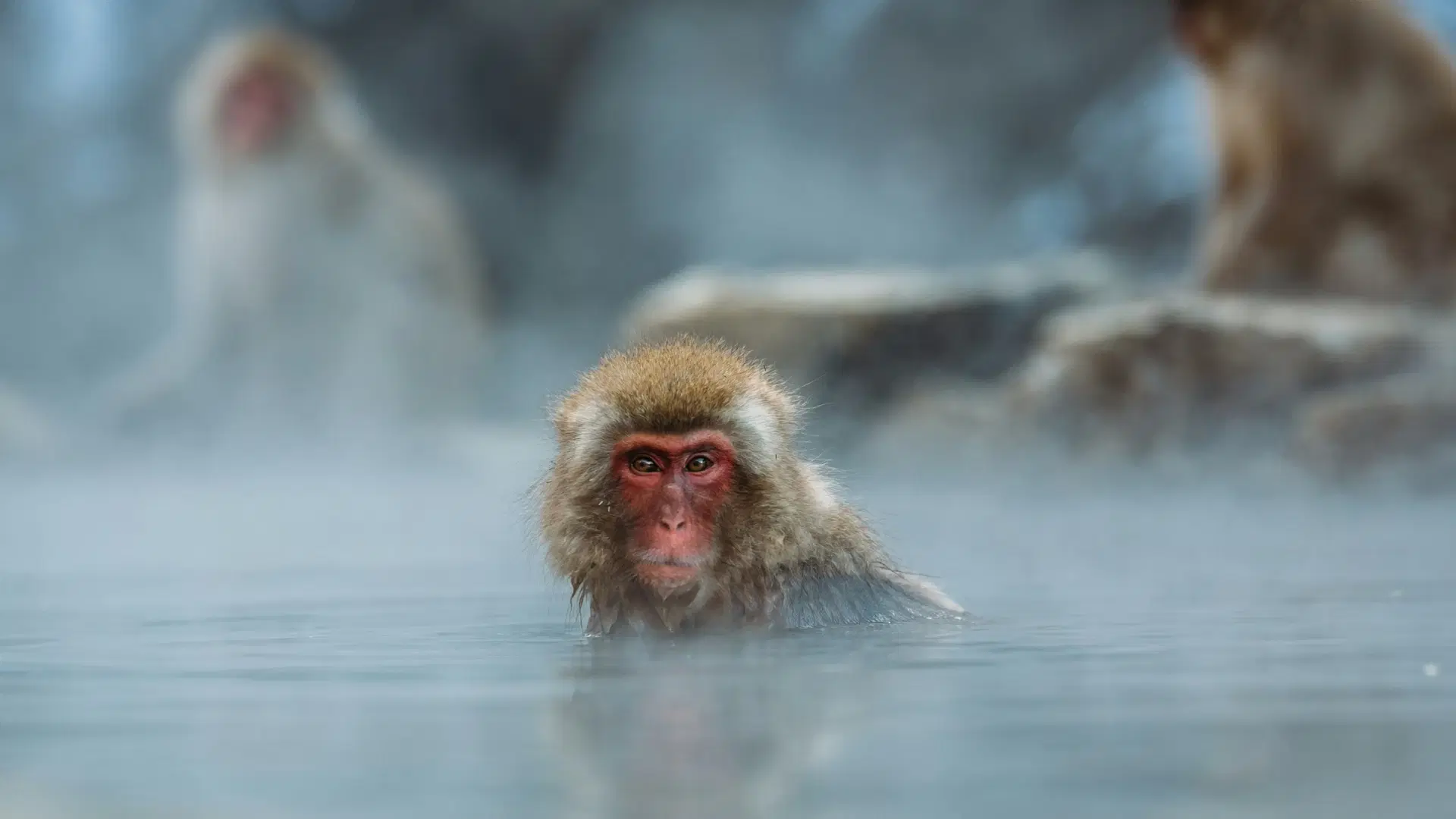
Hokkaido is the country's breadbasket and its seafood frontier. The cold, nutrient-rich waters produce seafood of extraordinary quality: hairy crab, sea urchin, scallops, salmon, and dozens of lesser-known species. The overall character of Hokkaido ryokan cuisine is one of abundance and directness, shaped by a landscape of wide horizons and long winters.
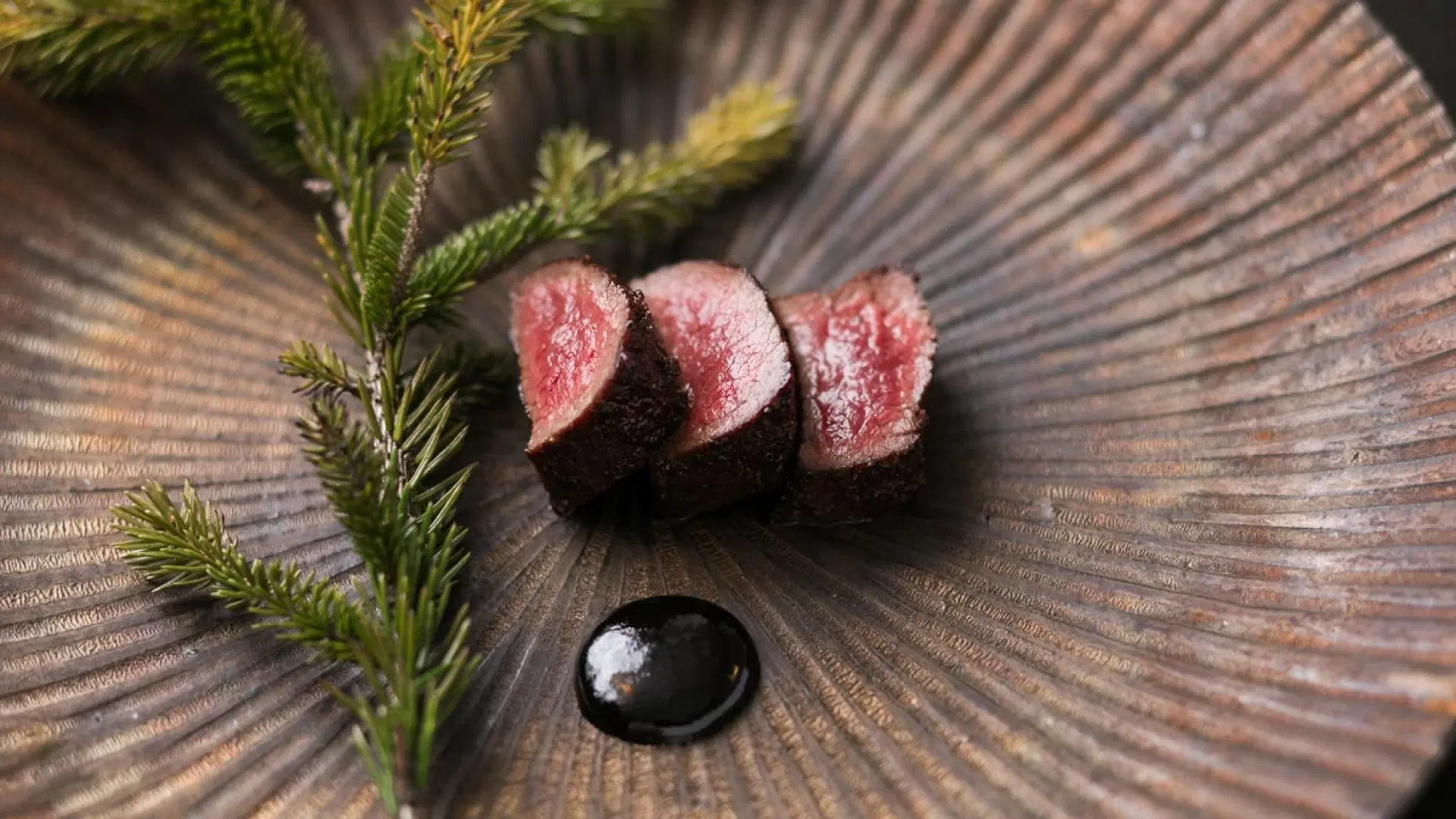
The Japan Sea Coast: Crab, Rice, and Sake
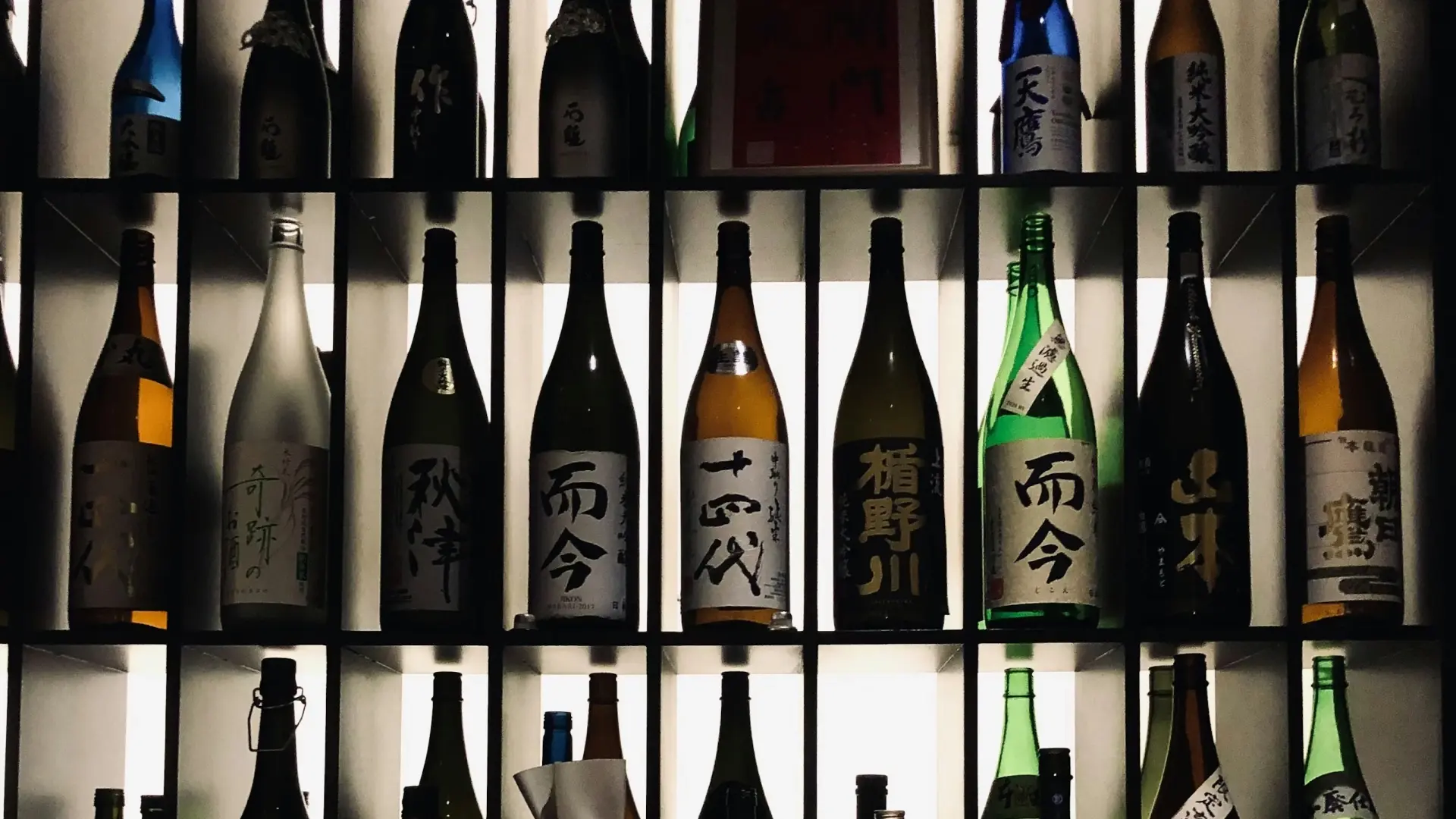
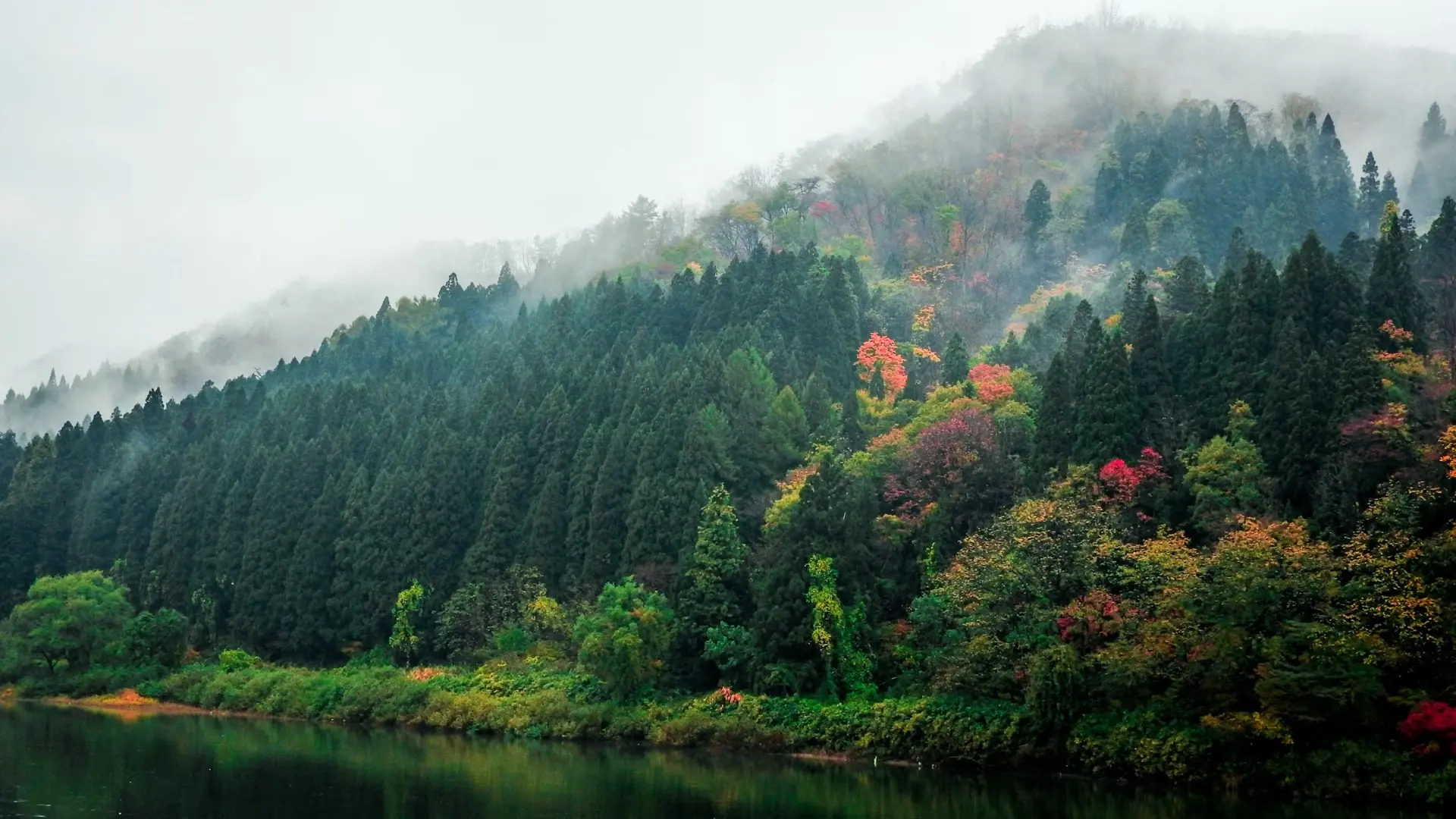
The coastline stretching from Niigata through Ishikawa and Fukui is one of Japan's great culinary corridors. The winter crab season defines this coast, and Kanazawa's culinary reputation rivals Kyoto's. Niigata is Japan's rice heartland, where Koshihikari rice and pure snowmelt water produce the country's most elegant sake.
Japan's dramatic topography, from subarctic Hokkaido to subtropical Okinawa, creates distinct culinary terroirs. A ryokan in the mountains of Nagano and a ryokan on the coast of Shimane may both serve kaiseki, but the ingredients and flavors will be as different as Burgundy and Bordeaux.
Kyoto: Vegetables and Tradition
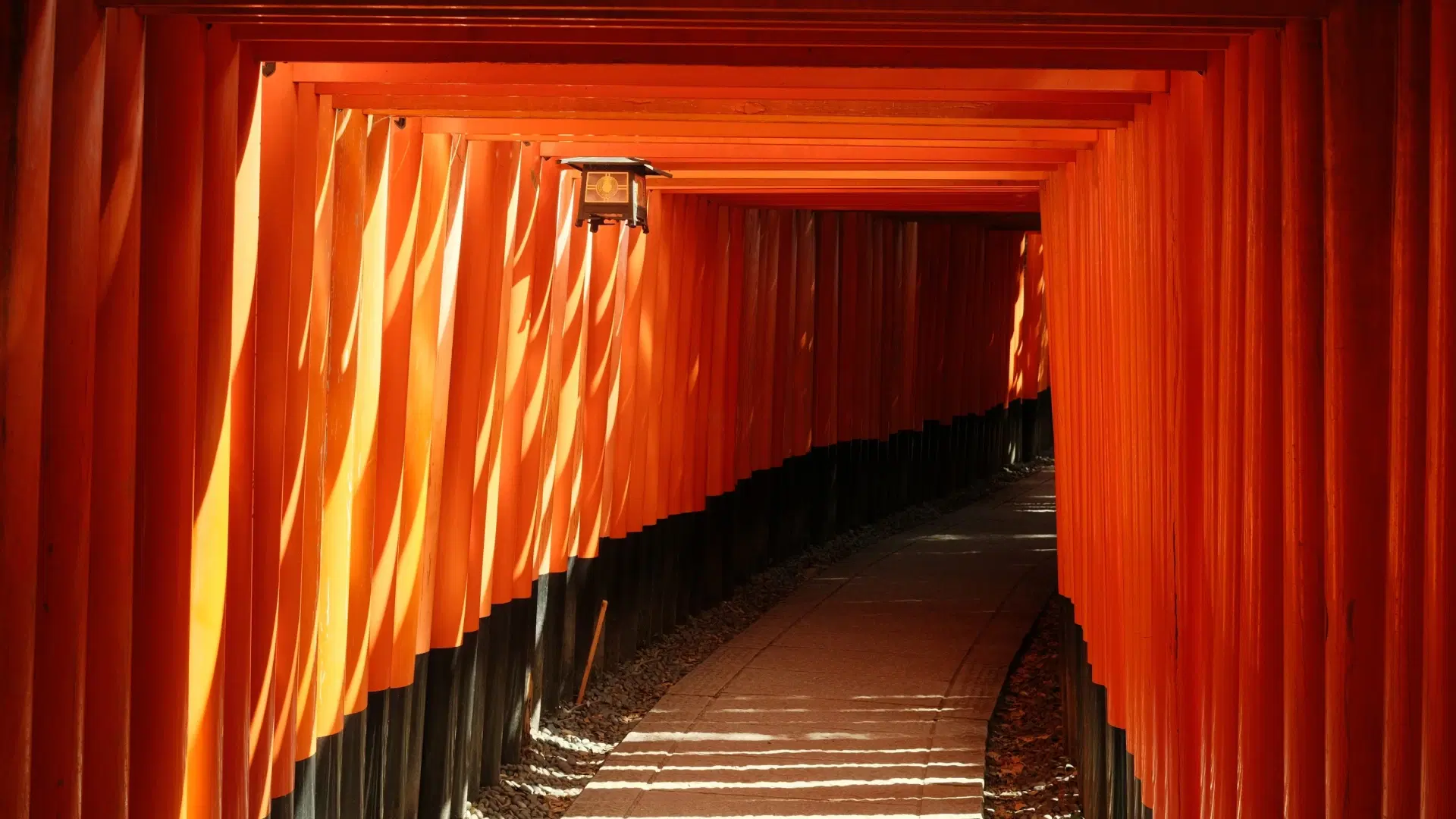
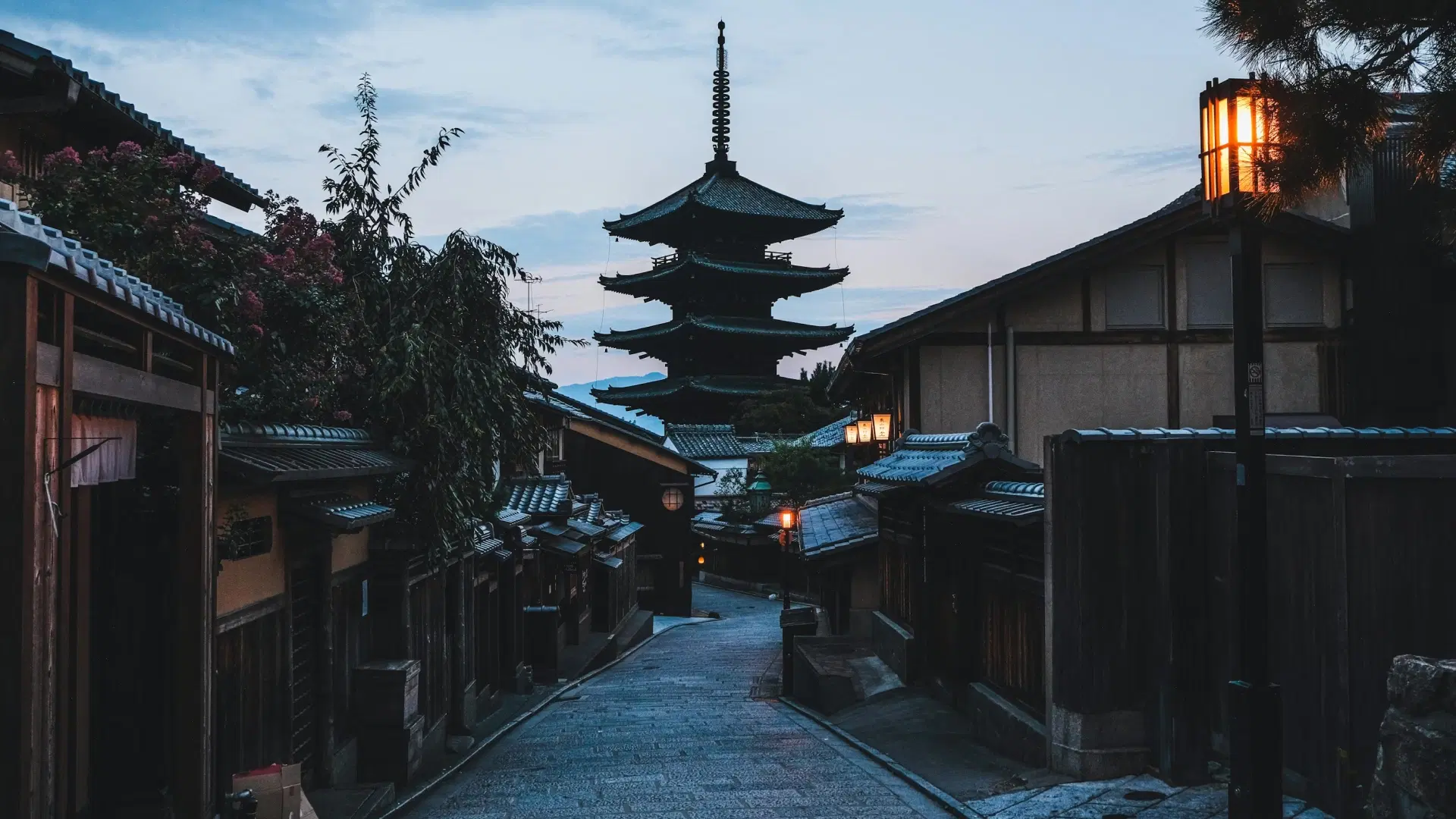
Kyoto's culinary tradition stands apart. As the imperial capital for more than a millennium, the city developed a cuisine shaped by Buddhist temple culture, elevating vegetables, tofu, and subtle flavors to an art form of extraordinary sophistication. The cornerstone is kyo-yasai, heirloom vegetables cultivated in the Kyoto basin for centuries.
For international visitors accustomed to thinking of tofu as a bland meat substitute, a Kyoto ryokan kaiseki can be a transformative experience.
The Ryokan Guide Editorial
Kyushu: Bold Flavors, Volcanic Terroir
Kyushu produces cuisine of a markedly different character. Kagoshima is famous for kurobuta black pork and shochu. Oita contributes kabosu citrus and dried shiitake. Kumamoto offers basashi. The overall character is bolder and more robust than the delicate refinement of Kyoto.
Tohoku and the Central Mountains
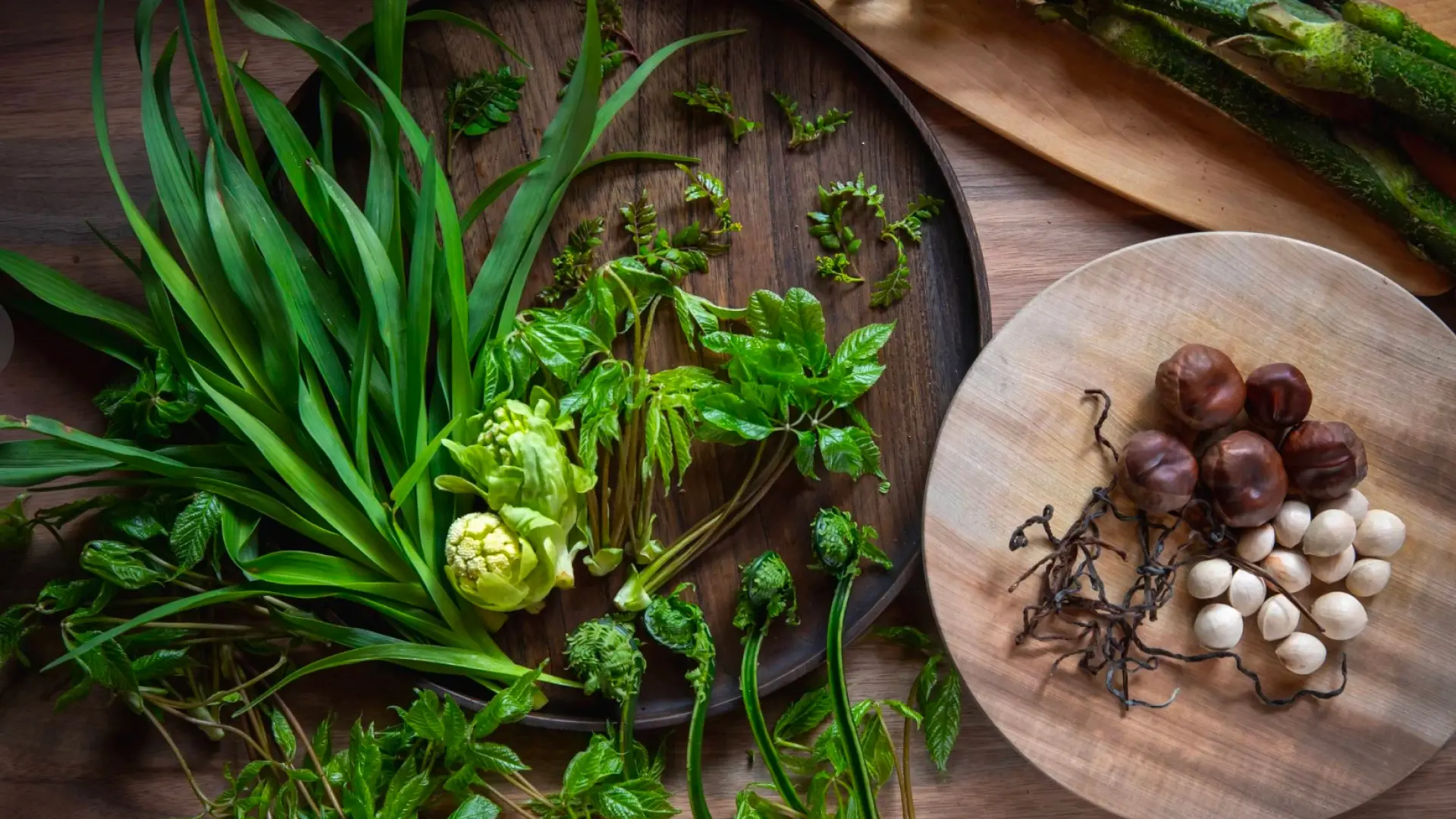
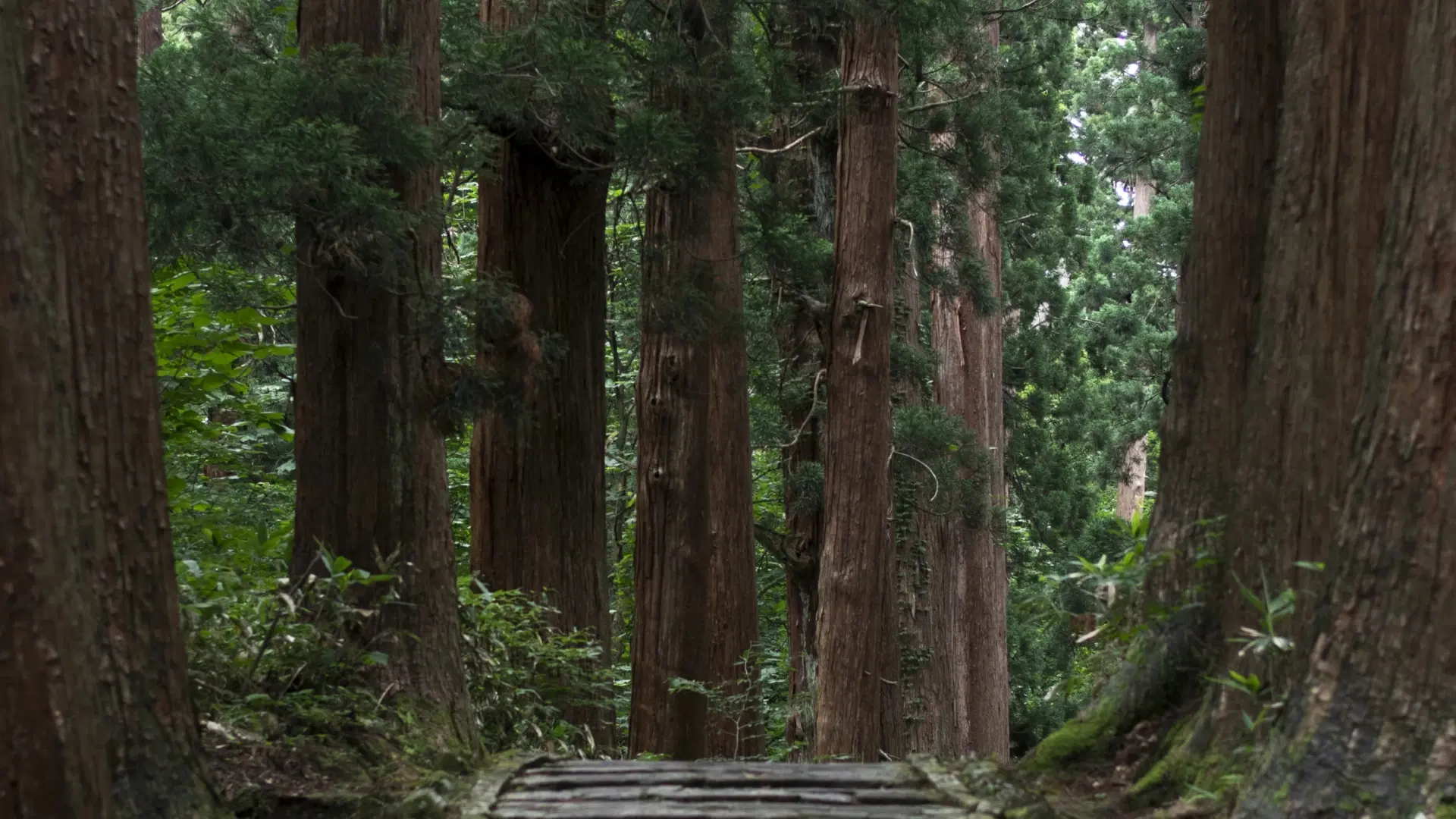
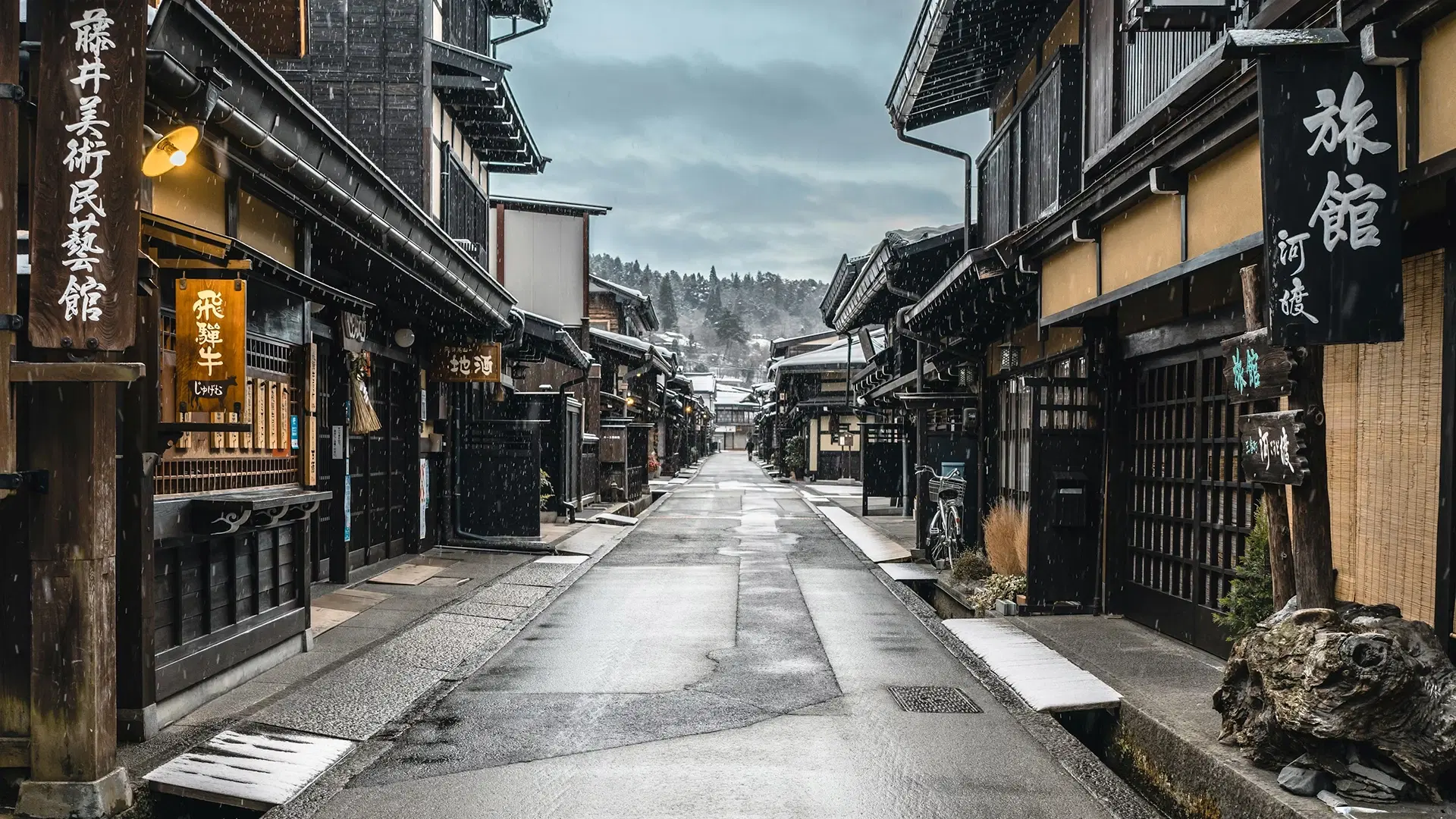
Tohoku's mountain ryokans feature hearty preserved foods alongside seasonal sansai, while the Central Mountains region offers legendary soba noodles, Hida beef, and hoba miso. Toyama bridges coastal and mountain traditions with extraordinary white shrimp and firefly squid.
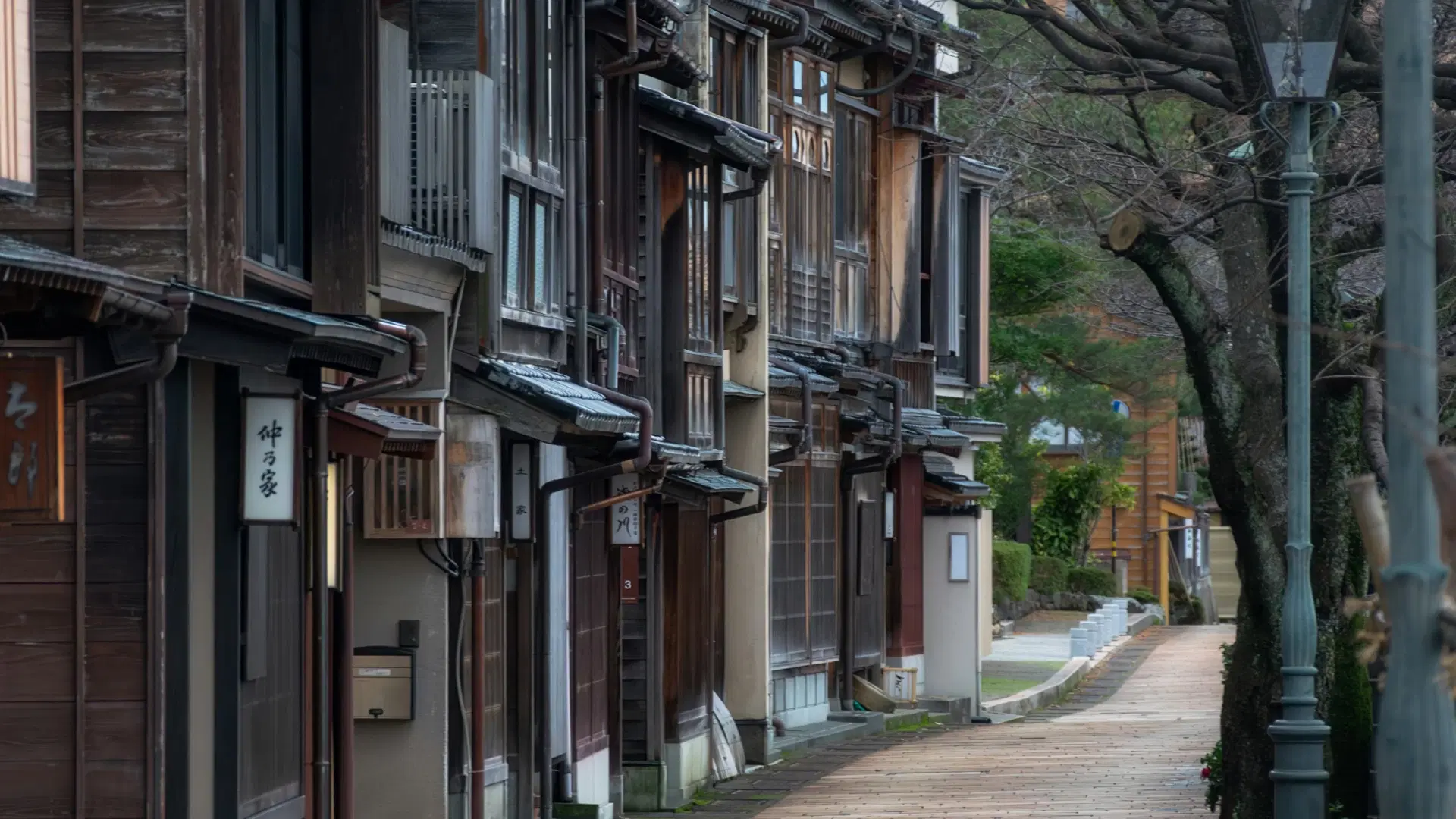

At a ryokan, the connection between landscape and table is not a marketing concept; it is a lived reality, and tasting it is one of the deepest pleasures of traveling in Japan.
The Ryokan Guide Editorial