Kaiseki: A Course-by-Course Journey
From sakizuke to mizumono, understanding the structure, philosophy, and artistry of Japan's highest culinary form
Kaiseki is not a menu. It is a narrative. From the first small bite placed before you on a ceramic dish chosen specifically for the season, to the final sweet that signals the meal's conclusion, a kaiseki dinner tells a story about a particular place at a particular moment in time. The ingredients are local. The season is now. The ceramics were selected this morning. Nothing about the meal could have existed yesterday or will exist tomorrow in exactly this form.
This impermanence is not a limitation; it is the entire point. Kaiseki is the culinary expression of a worldview that prizes transience, seasonality, and the beauty of the unrepeatable moment.
The Architecture of a Kaiseki Meal
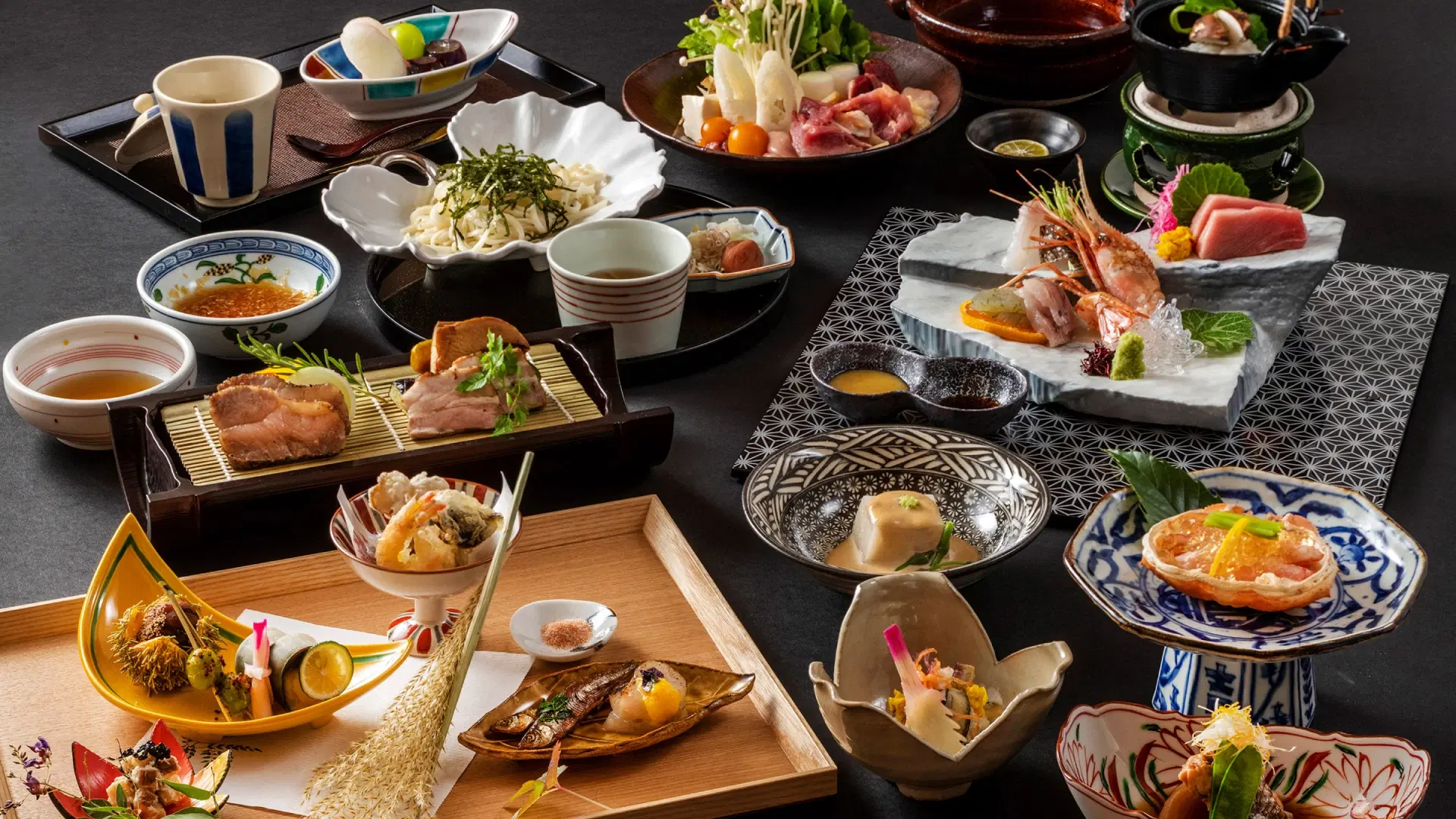
A formal kaiseki dinner typically comprises eight to fourteen courses, though the number varies by property, season, and the chef's inclination. The structure follows a well-established progression that guides the palate through a deliberate arc of flavors, textures, temperatures, and visual impressions. The progression moves, broadly, from light to rich, from cold to warm, from raw to cooked, and from savory to sweet.
The word kaiseki (懐石) originally referred to a warm stone that Zen monks placed against their stomachs to suppress hunger during meditation. The modest meal that replaced this practice evolved over centuries into the elaborate multi-course format we know today.
Sakizuke Through Hassun: The Opening Movements
The meal begins with sakizuke, a small appetizer that functions as a declaration of intent. A spring sakizuke might be a sliver of firefly squid resting on a bed of rapeseed blossom, dressed with a whisper of vinegar and miso. The hassun course follows, where the chef's seasonal vision is most dramatically expressed, presenting an assortment of small preparations that represent both mountain and sea, the dual pillars of Japanese cuisine.
Mukozuke and Owan: Purity of Ingredient
Raw fish appears early in the sequence, when the palate is still fresh and most sensitive to the subtle distinctions between species, preparations, and qualities of freshness. The owan, a clear soup served in a lacquered bowl with a fitted lid, is for many kaiseki scholars the most important course in the entire meal. There is nowhere to hide in an owan. The dashi must be perfect.
A great owan tastes of nothing specific and everything at once. It tastes of care.
The Ryokan Guide Editorial
Yakimono to Gohan: Fire, Earth, and Resolution
The yakimono course marks a shift in the meal's register, introducing the direct, primal pleasure of fire. The grilled course is followed by takiawase, where simmered vegetables and protein create compositions of complementary textures. Finally, the arrival of rice signals the meal's transition from art to sustenance, cooked in a donabe clay pot at the finest ryokans, accompanied by miso soup and house-made pickles.
The Vessel as Partner
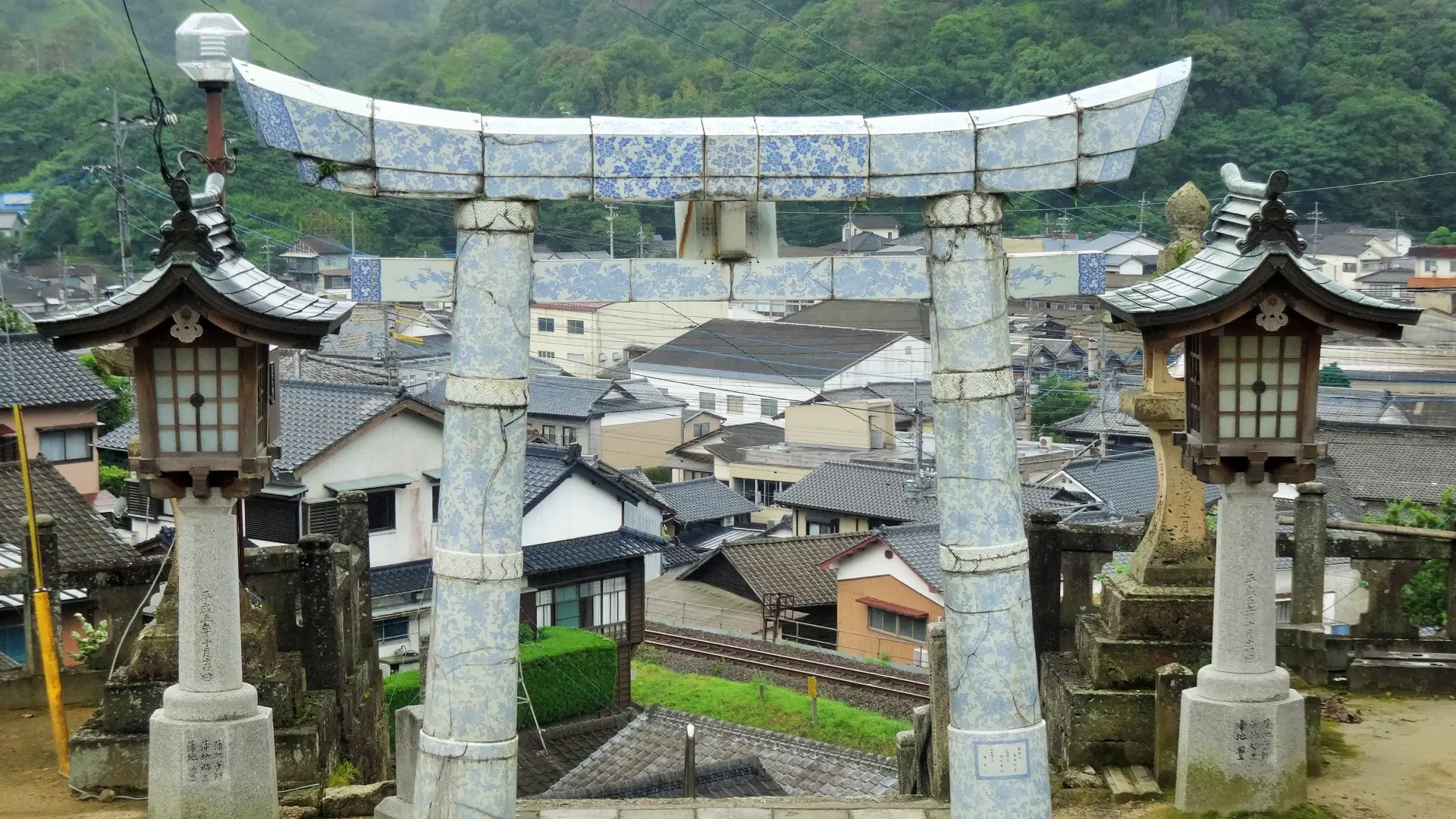
No discussion of kaiseki is complete without attention to the ceramics, lacquerware, and glassware on which the food is served. Properties like Tawaraya in Kyoto and Beniya Mukayu in Ishikawa maintain collections curated over generations, with pieces from Kutani, Arita, Bizen, Karatsu, and other storied kilns. A rough, dark Bizen plate beneath a piece of translucent sashimi creates a dialogue between the refined and the rustic.
The Japanese concept of shun (旬) refers to the brief window when an ingredient reaches its absolute peak of flavor and quality. Kaiseki chefs plan their menus entirely around shun, which means the same restaurant will serve a completely different meal every few weeks.
Kaiseki at the Ryokan
The ryokan kaiseki experience differs from restaurant kaiseki in ways that are subtle but significant. The meal comes to your room, borne by the nakai-san across corridors and garden paths, and you eat seated on tatami with the garden visible through open shoji screens. This intimacy changes the experience profoundly. It is this context, the private room, the garden, the silence, the attentive care, that elevates ryokan kaiseki from a meal to an event.
The food within the world of the ryokan, nested within the larger experience of bathing, resting, and being cared for, achieves something that no restaurant, however excellent, can quite replicate.
The Ryokan Guide Editorial