Kaiseki: The Art of the Japanese Multi-Course Meal
A course-by-course guide to the culinary tradition that turns dinner into a seasonal meditation.
There is a moment in a great kaiseki meal when the progression of courses, each one a small universe of flavor, texture, and visual beauty, achieves a cumulative weight that is almost musical. Dish by dish, the chef has been building toward something: a coherence that encompasses the season, the landscape, the traditions of the region, and the particular alchemy of this evening, these ingredients, this guest.
Kaiseki is Japan's most refined culinary tradition, and the ryokan kaiseki dinner is its most intimate expression. Unlike the kaiseki served in Kyoto's and Tokyo's celebrated restaurants, the ryokan version unfolds in the quiet of your room or a private dining alcove, delivered course by course by a nakai-san who has been assigned to your care for the evening.
The Philosophy of Kaiseki
To understand kaiseki, begin not with the food but with the tea ceremony from which it emerged. In the sixteenth century, the tea master Sen no Rikyu codified the principles of wabi-cha, a style of tea practice rooted in simplicity, rusticity, and the beauty of imperfection. The meal served before the tea, known as cha-kaiseki, was designed to prepare the palate and settle the stomach, not to impress.
The characters for kaiseki, 懐石, refer to a warm stone that Zen monks tucked against their abdomens to stave off hunger during meditation. The original kaiseki was a meal designed to be just enough: nourishing without excess, beautiful without ostentation.
Five principles govern kaiseki's aesthetic: Shun (peak seasonality), Moritsuke (presentation), Kiritsuke (knife work), Utsuwa (vessels), and Ichi-go ichi-e (one time, one meeting).
Shun (peak seasonality), Moritsuke (presentation), Kiritsuke (knife work), Utsuwa (vessels), and Ichi-go ichi-e (one time, one meeting). These five principles have guided kaiseki chefs since the tradition emerged from the tea ceremony in the sixteenth century.
The Courses
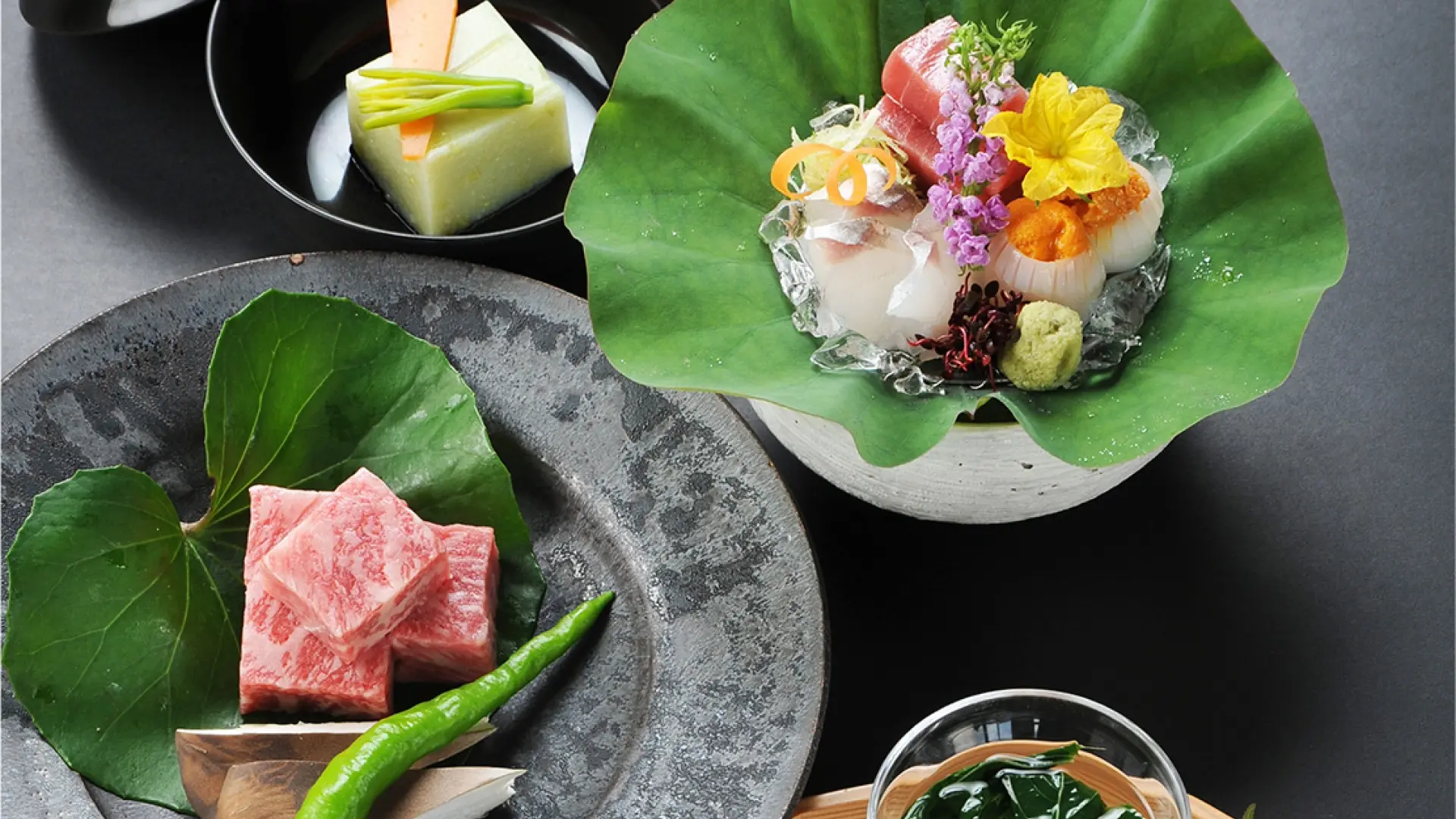
A formal kaiseki dinner typically consists of eight to fourteen courses. The structure follows a traditional sequence: Sakizuke (appetizer), Hassun (celebratory platter of mountain and sea ingredients), Mukozuke (sashimi), Takiawase (simmered dish), Futamono (lidded soup bowl), Yakimono (grilled course), Su-zakana (vinegared palate cleanser), Gohan (rice with pickles and miso soup), and Mizumono (dessert).
No two meals are identical. The beauty of kaiseki lies partly in its flexibility, each chef composing a unique progression based on the season, the region, and the guest.
In kaiseki, the courses are not a sequence. They are a conversation, each dish responding to the one before and anticipating the one to come.
Peak months for seasonal kaiseki ingredients
Seasonality and the Plate
No aspect of kaiseki is more central than seasonality. The Japanese concept of shun holds that every ingredient has a peak moment. Bamboo shoots in April. Ayu sweetfish in June. Matsutake mushrooms in October. Snow crab in January. Each ingredient arrives with the inevitability of a solstice and departs just as absolutely.
The plate itself participates in this seasonal dialogue. A summer dish may arrive on cool, translucent glass. An autumn dish rests on rough, earth-toned stoneware. Many of Japan's finest ryokans maintain extensive collections of ceramics, some antiques of considerable value, rotated through the year.
Kaiseki at the Ryokan
The ryokan kaiseki experience differs from the restaurant version in ways that matter. In a restaurant, you are a diner. At a ryokan, you are a guest. The meal is not an isolated event but the culmination of an afternoon that has included arrival, welcome tea, a bath, and the quiet settling of your body and mind into the rhythm of the house.
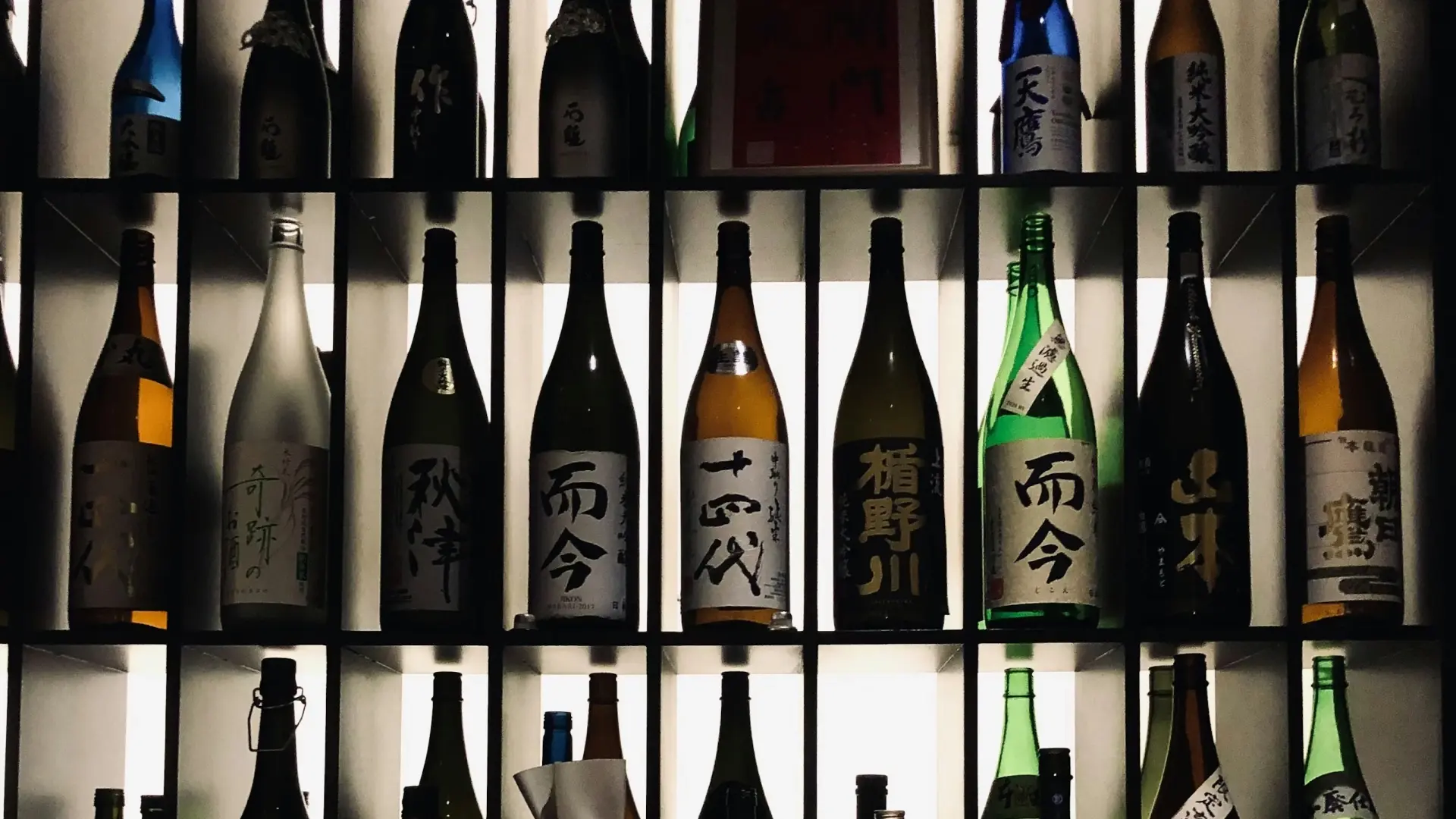
Sake and local beer are traditional accompaniments, and many ryokans offer carefully curated selections. A simple gochisosama deshita ("it was a feast") at the end of the meal carries more weight than any tip.
The kaiseki meal is not dinner. It is the reason the ryokan exists.