Your First Ryokan Stay: A Complete Guide
Everything you need to know, from booking to check-out, to make your first ryokan experience unforgettable.
You have decided to stay at a ryokan. Perhaps a friend returned from Japan with stories that sounded too beautiful to be real: sleeping on tatami, bathing in volcanic springs, eating a meal that seemed to contain the entire season. Whatever brought you here, you are about to have an experience unlike any other in travel.
This guide is for the first-timer. It covers everything from the moment you begin planning to the moment you bow farewell at the entrance. If you arrive prepared and open, your first ryokan stay will be among the most memorable nights of your life.
Before You Book
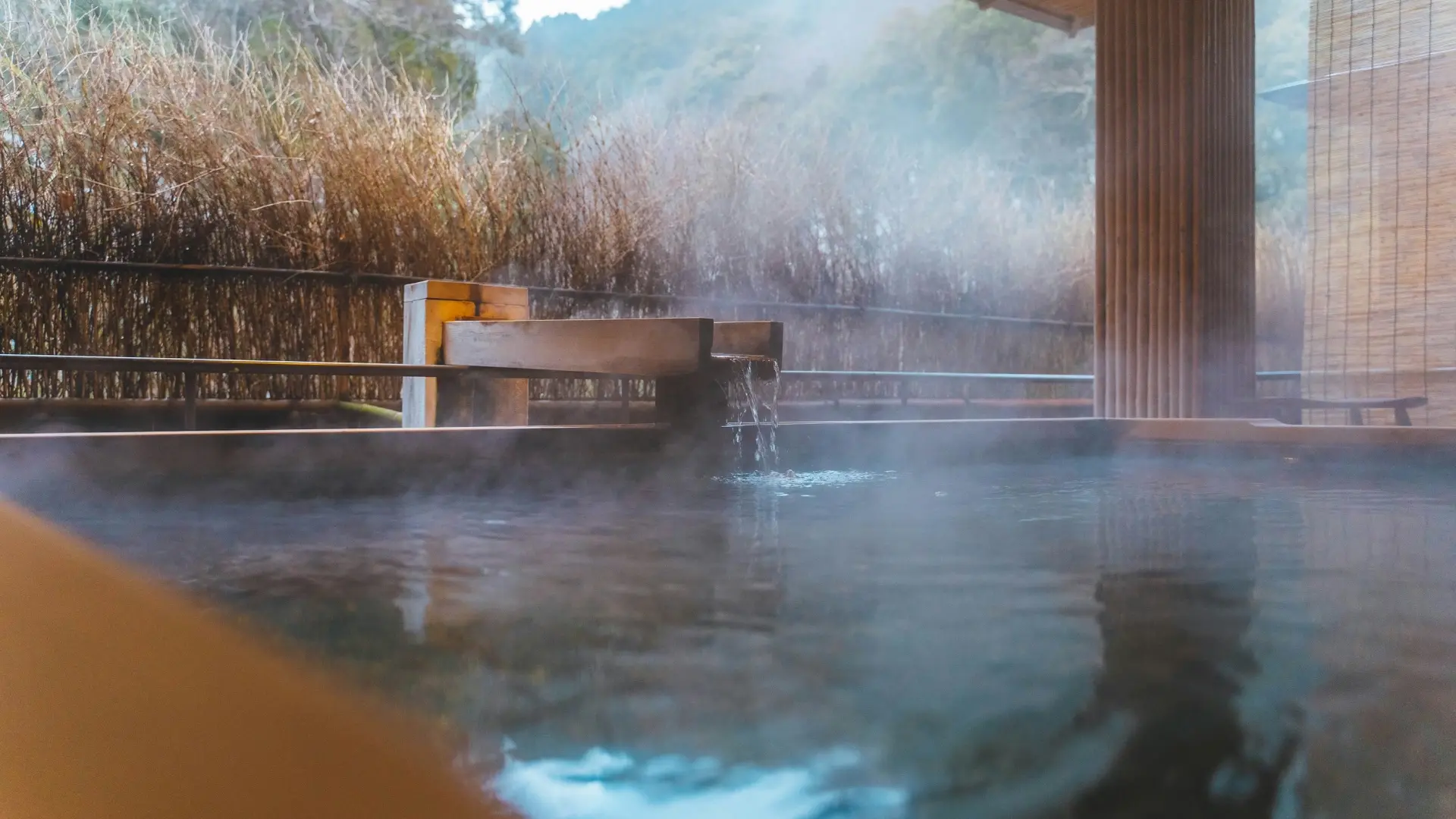
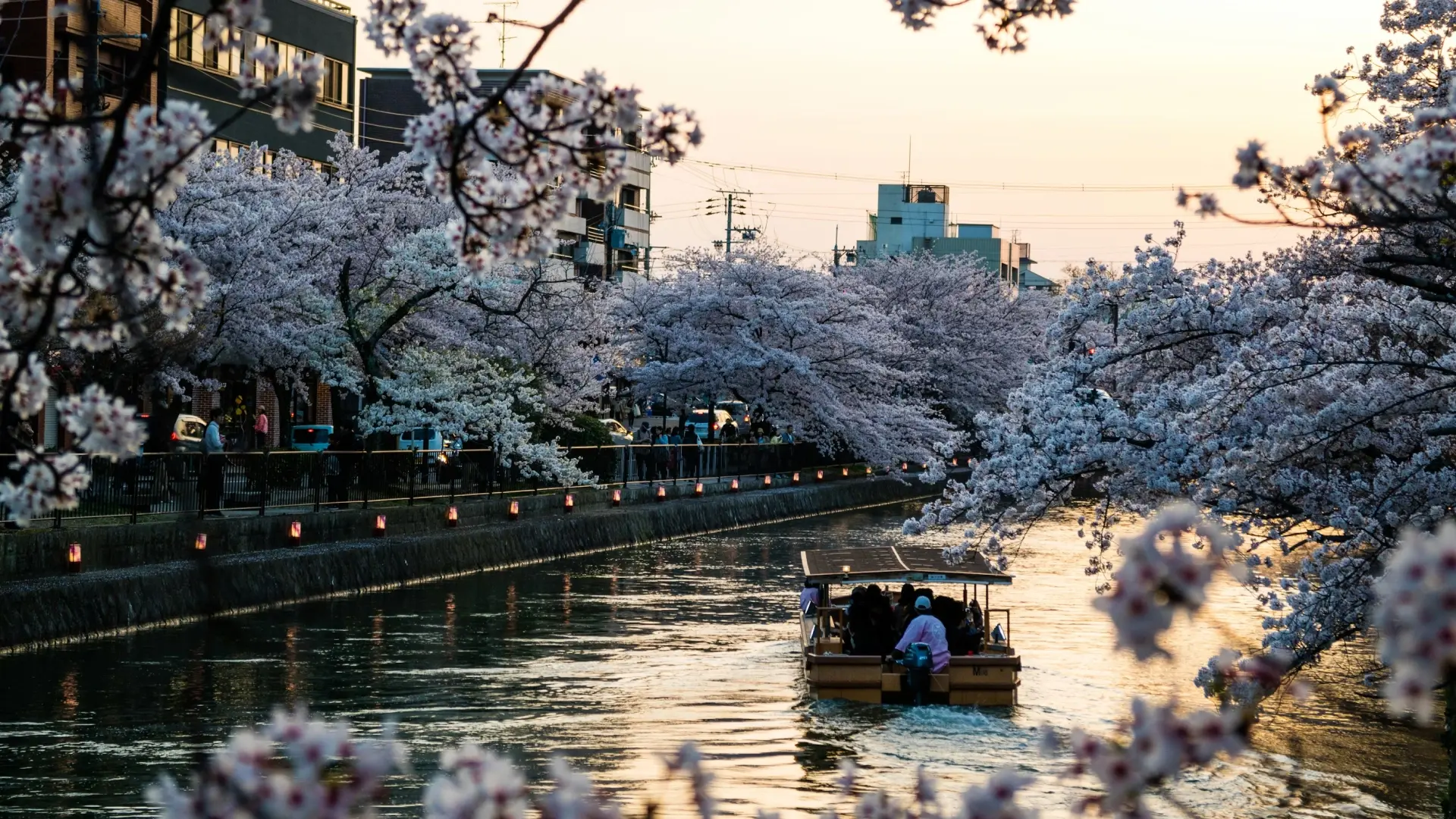
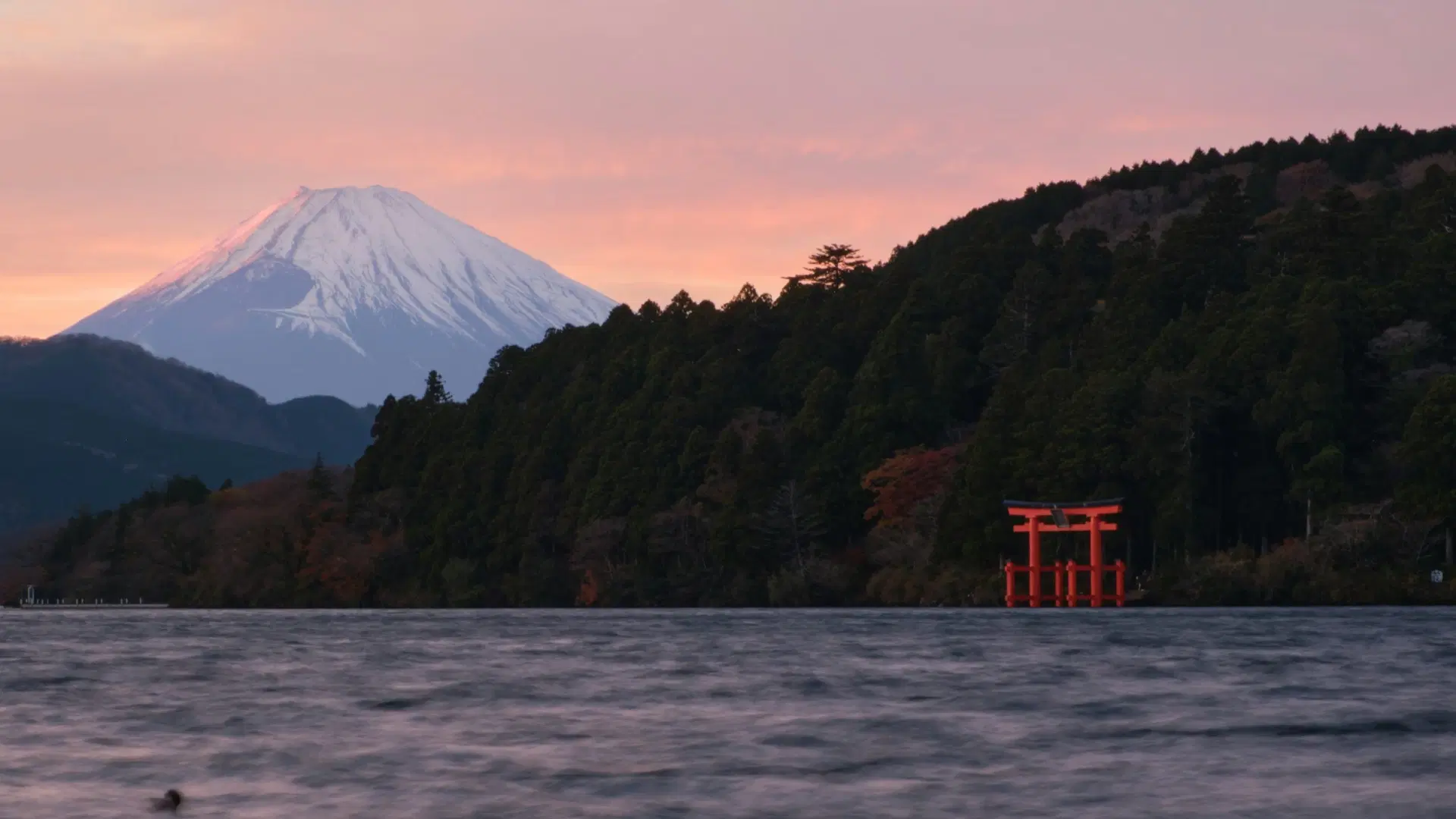
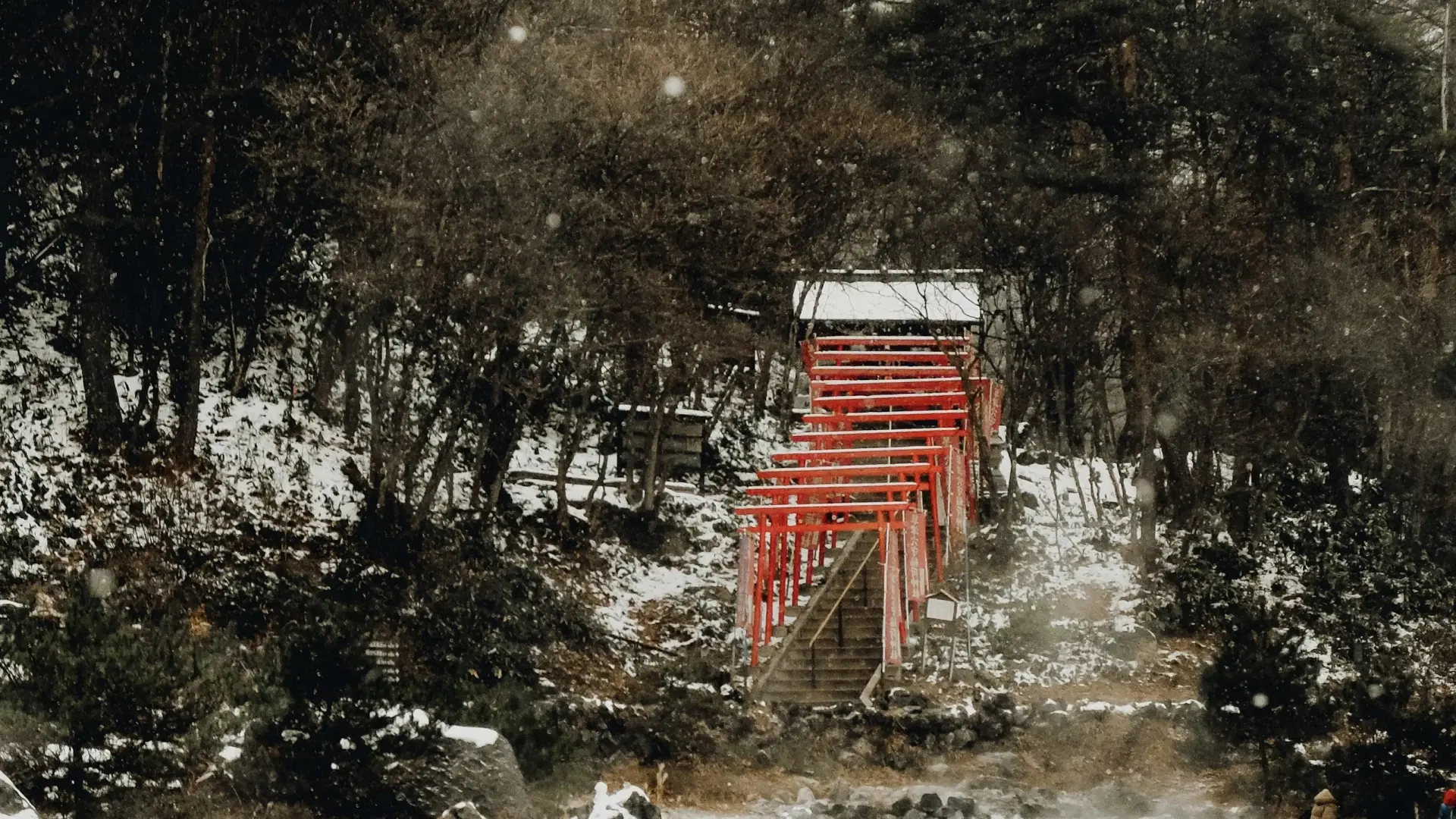
The first decision is not which ryokan but when. Japan's ryokan culture is deeply seasonal, and the time of year you visit will shape every aspect of your experience. Spring (March to May) brings cherry blossoms and renewal. Autumn (October to November) is equally celebrated, with fiery foliage and mushroom-rich menus. Winter (December to February) is the secret season, when snow transforms the rotenburo into something magical. Summer (June to August) is the least popular but offers river fish and garden vegetables.
When choosing a ryokan, consider what matters most. If food is your priority, look for establishments known for their kaiseki. If bathing is paramount, seek out ryokans with exceptional onsen. Budget is inevitably a consideration, but remember that the rate typically includes dinner and breakfast.
Best seasons for a first ryokan stay
What to Pack
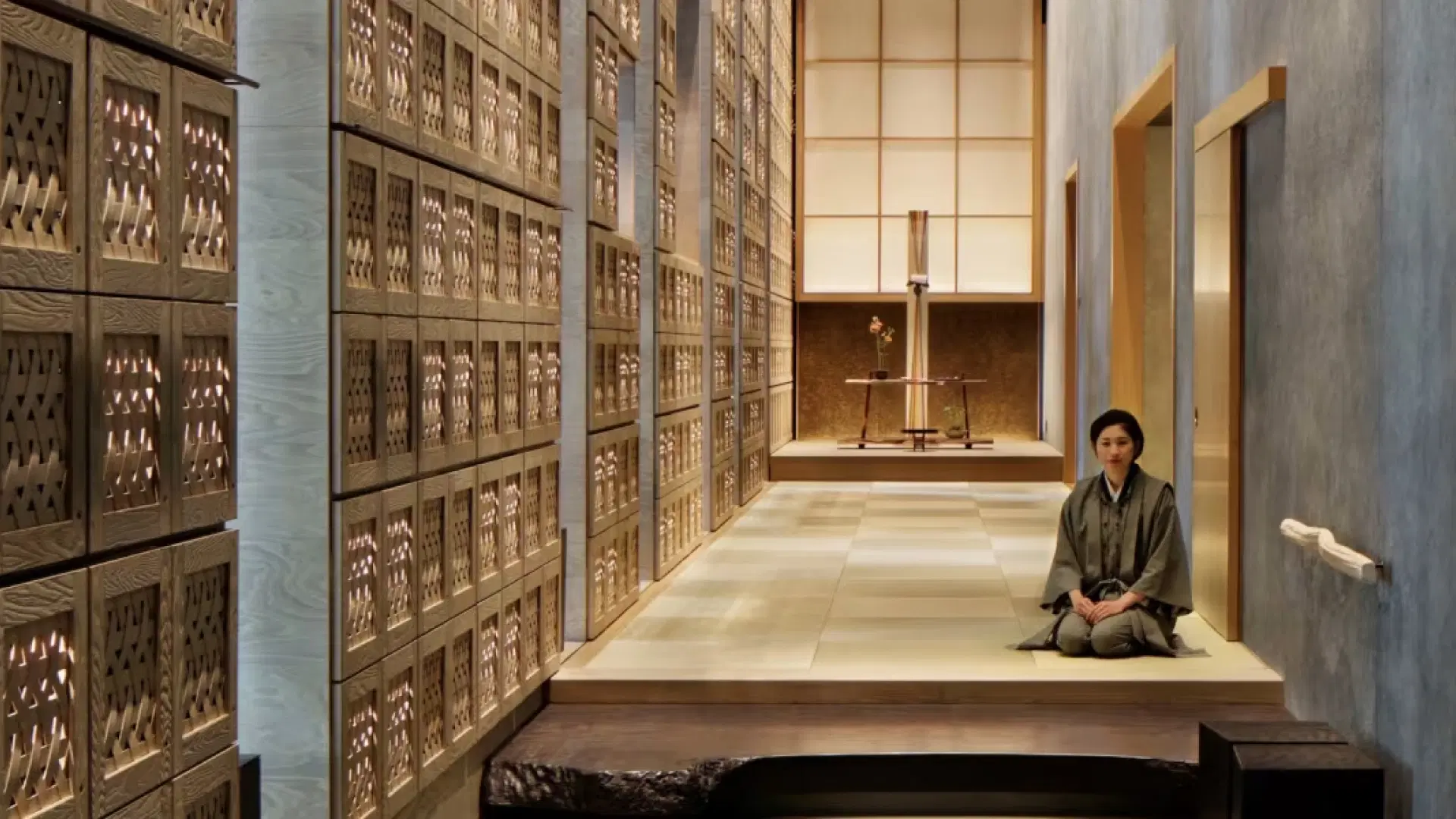
Packing for a ryokan stay is an exercise in restraint. The ryokan provides a yukata, obi, slippers, towels, toothbrush, razor, and basic toiletries. What to bring: a small waterproof bag for the bath, your own skincare preferences, warm socks for winter, a book for quiet hours, cash for smaller properties, and a sense of patience.
Arrival
Plan to arrive between 3:00 and 5:00 PM. At the entrance, you will remove your shoes. Welcome tea and a sweet will be served. Your nakai-san will explain the rhythms of the house: bath hours, meal times, the building layout.
The recommended sequence for your first evening: change into the yukata, visit the onsen, return for dinner, visit the bath again, and sleep on the freshly prepared futon.
The first hour at a ryokan is the most disorienting and the most important. Let yourself be guided. Let the house set the pace.
Navigating the Stay
Ryokan rooms typically have sliding fusuma doors rather than locking Western-style doors. You will cycle through several pairs of footwear: room slippers for corridors, toilet slippers in the bathroom, no footwear on tatami, and geta for the garden.
The futon will be laid out while you are at dinner. Kaiseki unfolds over sixty to ninety minutes. Express gratitude at the end with gochisosama deshita. Alcohol is ordered separately. And ryokans are quiet places: be mindful of your volume.
Check-Out and Beyond
Breakfast is served between 7:30 and 9:00 AM: grilled fish, miso soup, rice, pickles, egg, tofu, and tea. After breakfast, take a final morning bath. Check-out is between 10:00 and 11:00 AM.
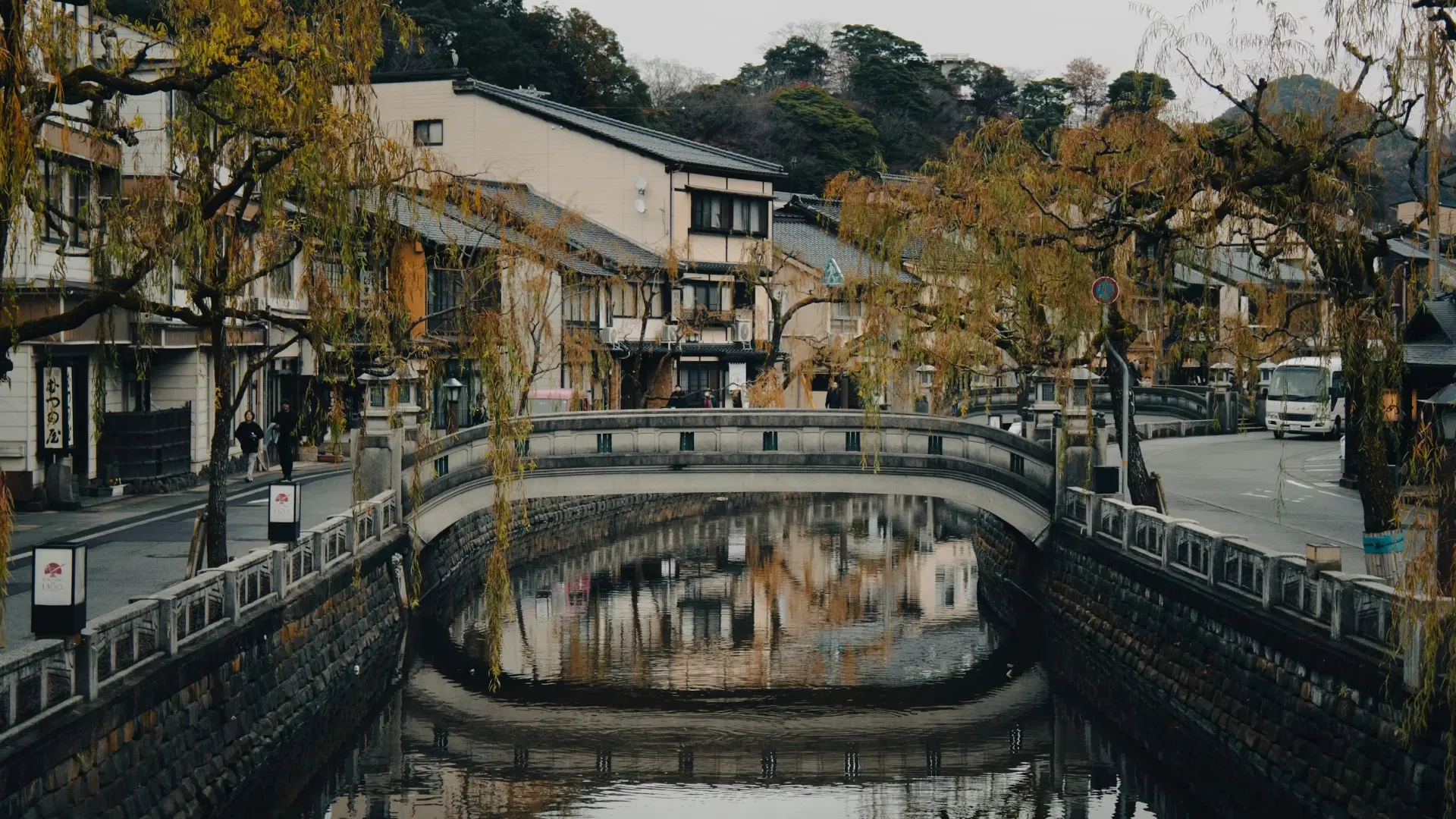
At the entrance, the okami or nakai-san will accompany you to the door. They will bow and watch as you depart, continuing to bow until you are out of sight. This is the miokuri, the farewell gaze, and it is one of the most moving rituals in Japanese hospitality.
At departure, ryokan staff accompany you to the entrance and continue to bow as you walk away or drive off. This ritual, called miokuri, is an acknowledgment that your presence mattered and your absence will be felt.
Your first ryokan stay changes you. Not dramatically, not loudly, but in the quiet way that only genuine care can: it raises your standard for what hospitality means.