Ryokan vs Hotel: Understanding the Difference
Two philosophies of rest, two ways of traveling, and how to choose the one that suits you.
The question arrives, sooner or later, in every conversation about Japanese travel. Someone planning their first trip to Japan, confronted with the bewildering range of accommodation options, asks: should I stay at a ryokan or a hotel? The question seems simple. The answer is not, because it depends on what you believe a night's lodging is for.
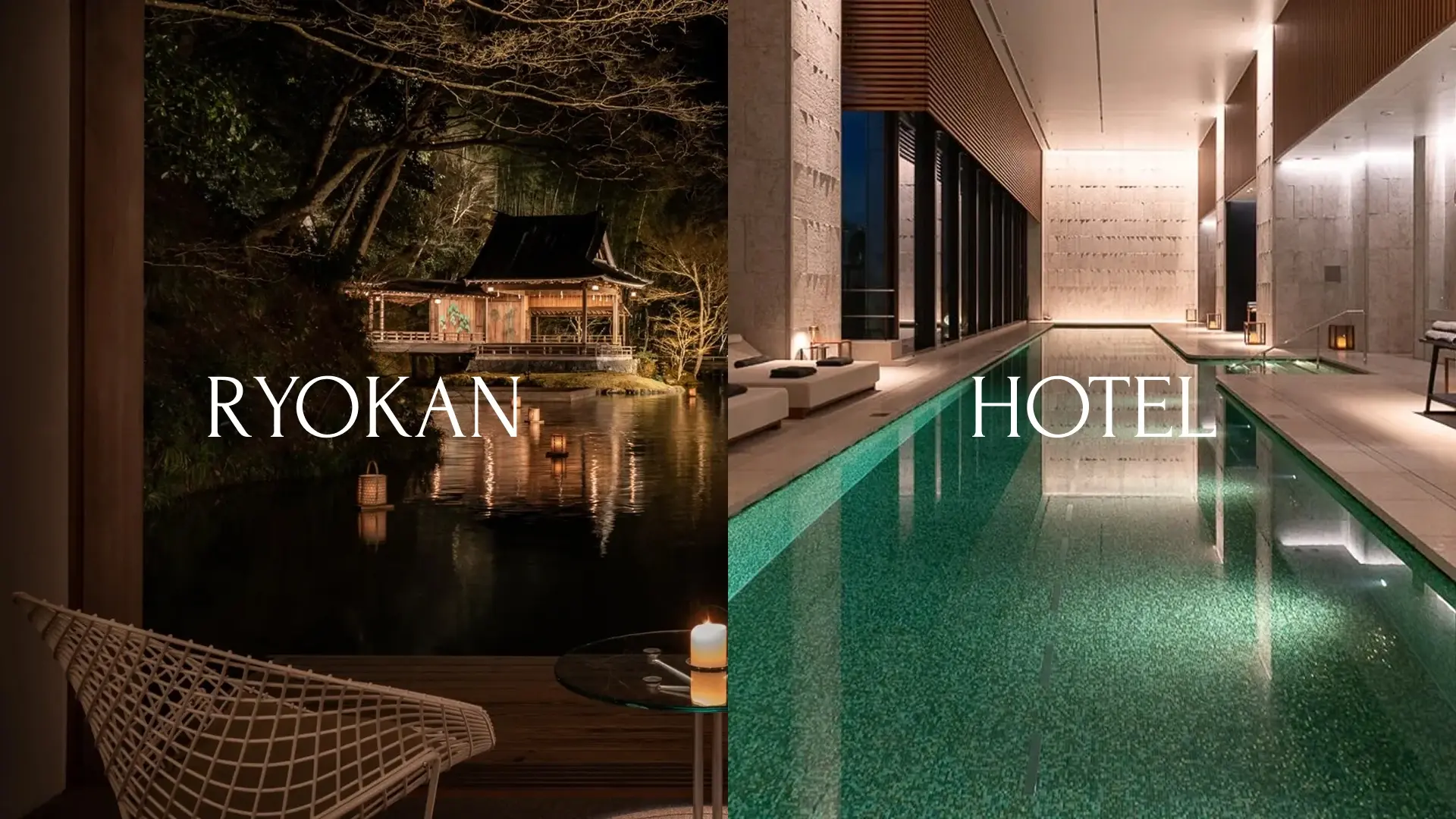
A hotel, at its finest, offers comfort, convenience, and privacy. It is a machine for rest, optimized for the individual traveler's autonomy. A ryokan offers something fundamentally different. It is not a machine but a ritual. It does not support your existing rhythm; it replaces it with its own.
Two Philosophies of Rest
The distinction between a ryokan and a hotel is not merely logistical. It is philosophical. The Western hotel tradition is built on the principle of autonomy. The guest is sovereign. The ryokan tradition is built on the principle of trust. The guest arrives and places themselves in the hands of the host.
This philosophical difference expresses itself in architecture. A hotel room is a self-contained unit. A ryokan room is part of a larger ecosystem. The bath is down the corridor. The garden is through the veranda. Movement through the ryokan is integral to the experience.
The hotel asks: what do you need? The ryokan answers before you ask.
What You Gain
The ryokan offers experiences that no hotel, however luxurious, can replicate.
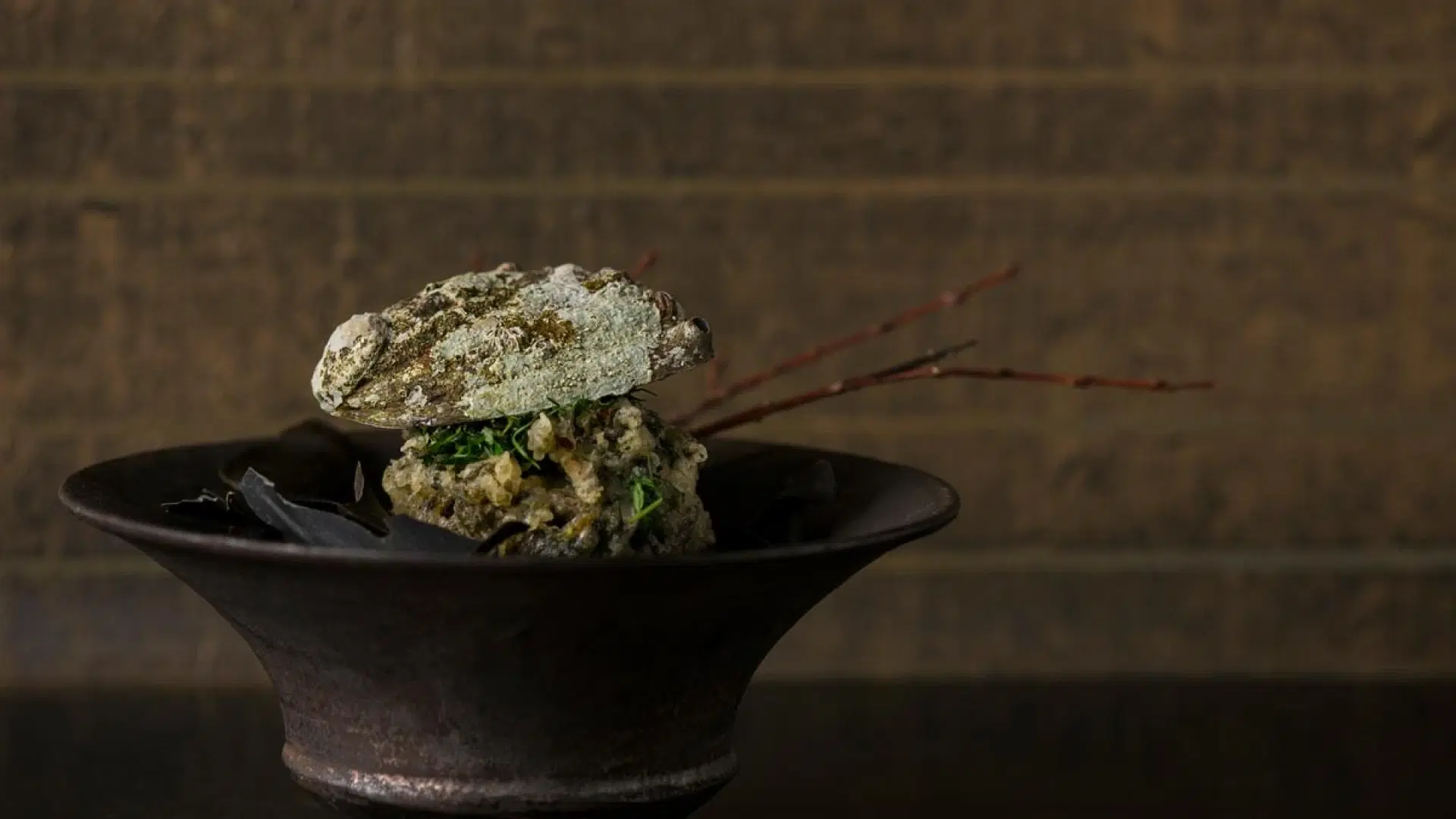
A culinary journey. The kaiseki dinner included in most ryokan stays is a multi-course meal of extraordinary refinement, prepared with hyper-local, hyper-seasonal ingredients.
Thermal bathing. The onsen baths at a ryokan are fed by natural hot springs whose mineral compositions have been celebrated for centuries.
Cultural immersion. A ryokan stay is an education in Japanese aesthetics, hospitality, cuisine, and daily life.
Human connection. The relationship between guest and nakai-san creates a continuity of care that the hotel model cannot offer.
Deep rest. The combination of thermal bathing, a substantial meal, and the particular quiet of a traditional Japanese building creates conditions for sleep that are almost medicinal.
What You Give Up
Honesty requires acknowledging that the ryokan experience involves trade-offs. Dinner is served at a set time. The communal onsen requires nudity. The futon is not a bed. Many ryokans are located in rural areas. And while English-speaking staff are increasingly common, many traditional ryokans operate primarily in Japanese.
For travelers who require Western-style comfort, these differences can feel like deprivations rather than novelties. But for those willing to surrender their schedule to the rhythm of the house, the rewards are extraordinary.
The Modern Ryokan
The binary between ryokan and hotel has blurred in recent decades, producing hybrid properties that preserve the essential elements of the tradition while incorporating Western-style amenities: beds instead of futons, private bathrooms, English-speaking staff, and digital booking systems.
At their best, these properties achieve a genuine synthesis. You sleep in a bed set against tatami floors. You bathe in a private rotenburo that opens to a meticulously composed garden. You are cared for with the warmth of the traditional nakai-san, but in a context that does not require navigating unfamiliar sleeping arrangements or communal nudity.
Unlike hotels, ryokan rates typically include both dinner (kaiseki) and breakfast. When comparing prices, factor in the substantial value of these included meals, which can represent the culinary highlight of your trip.
Making Your Choice
The decision between ryokan and hotel need not be exclusive. The savviest Japan travelers incorporate both into their itineraries, using hotels as efficient bases in cities like Tokyo and Osaka, and reserving ryokan stays for the moments when they want to slow down and go deep.
The ideal Japan itinerary includes at least one night at a ryokan. Not because it is obligatory, but because the ryokan offers something that no other form of accommodation in the world can match: the experience of being held, completely and without reservation, by a tradition that has spent centuries perfecting the art of making strangers feel at home.
You can visit Japan without staying at a ryokan. But you cannot understand Japan without staying at a ryokan.