Ryokans for Couples: Intimacy, Onsen, and the Art of Shared Stillness
What makes a ryokan romantic, and how to choose the right one for an anniversary, honeymoon, or quiet escape
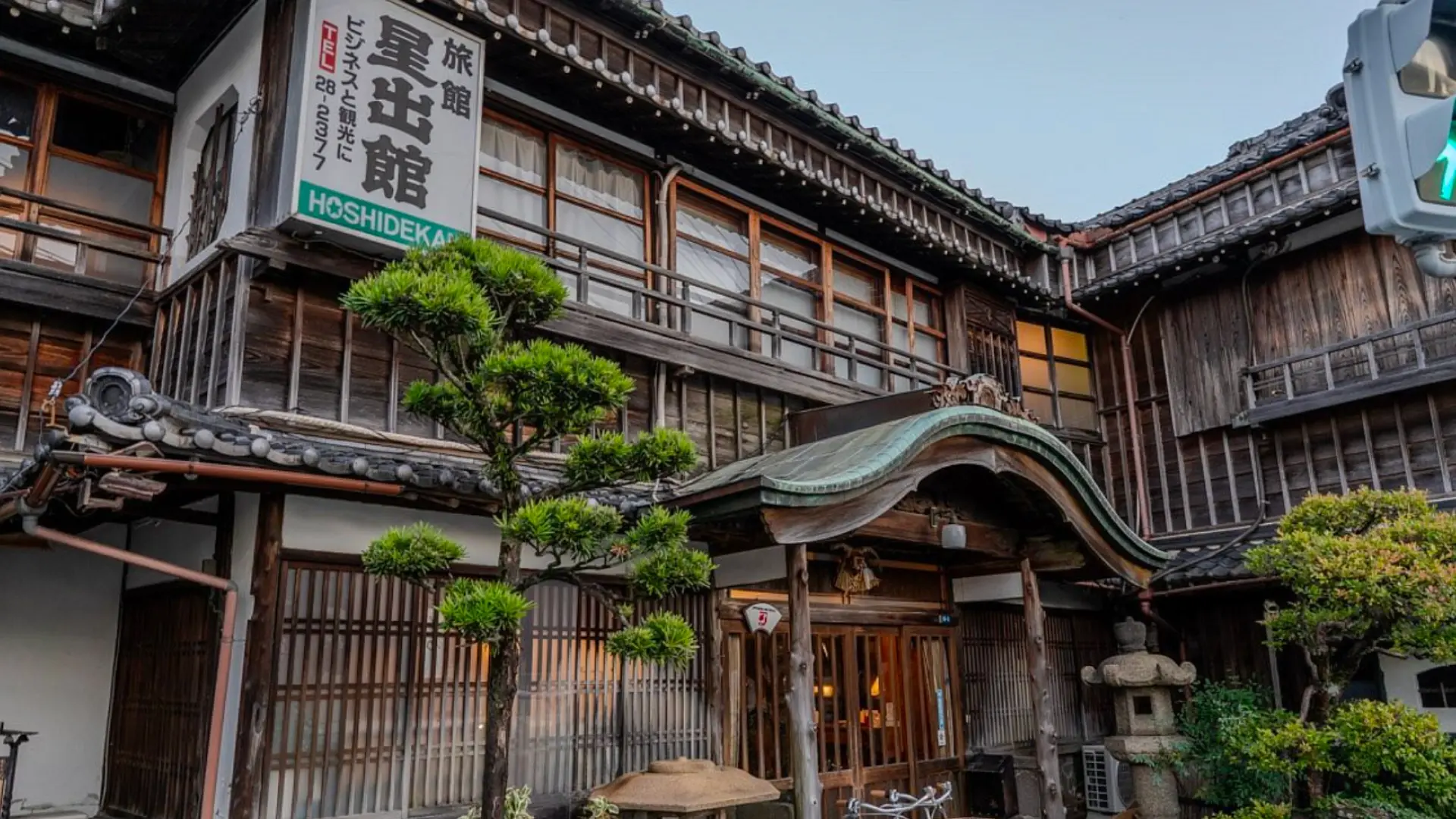
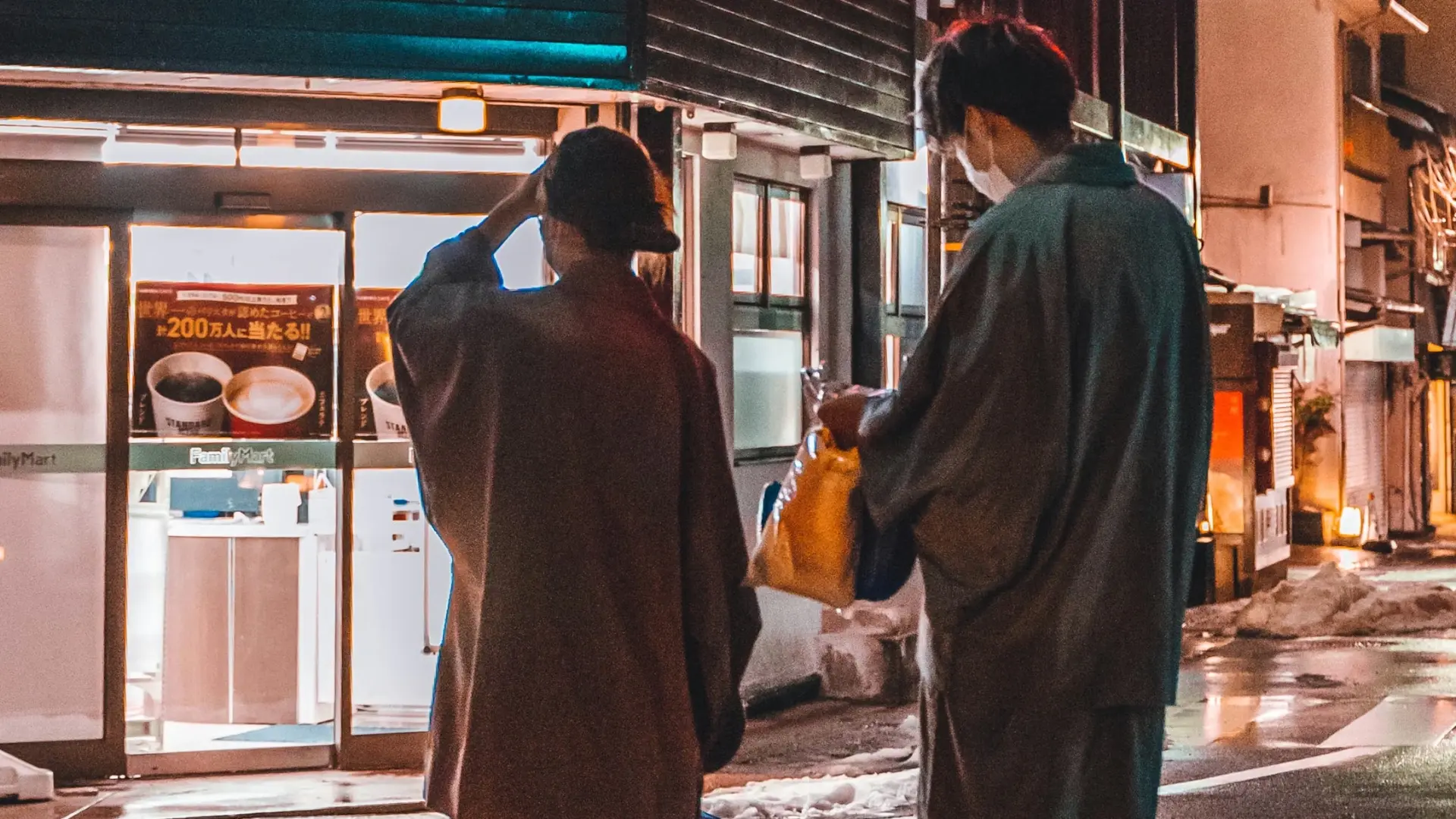
The Western idea of a romantic hotel tends toward a familiar set of signifiers: champagne, rose petals, a king-size bed. The Japanese ryokan offers none of these things, and yet it may be the most naturally romantic form of accommodation in the world. A ryokan evening is designed as a shared private ritual: you arrive, you change into yukata together, you bathe, you dine in your room, and you sleep side by side on futons laid on the tatami. The evening belongs entirely to the two of you.
The Private Onsen: Why It Matters
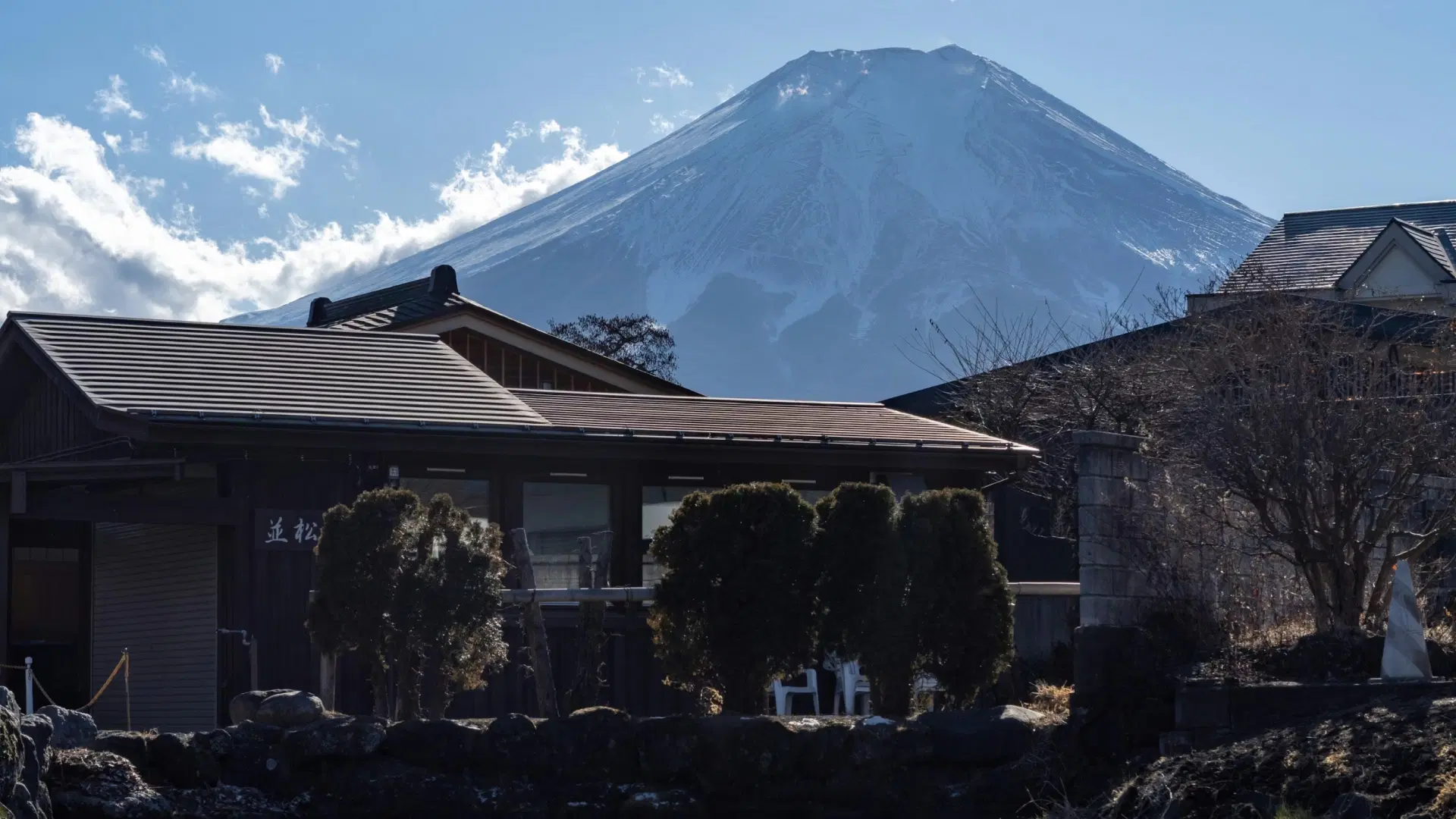
If a single feature defines the romantic ryokan experience, it is the private onsen. A kashikiri-buro, or reserved private bath, gives you and your partner exclusive use of a bath for forty to fifty minutes. For an even more immersive experience, seek out ryokans with rooms that include an attached private rotenburo, available to you at any hour of the day or night.
Waking before dawn and slipping into a hot outdoor bath while the garden is still dark and the stars are fading is an intimacy that no other type of accommodation can provide.
The Ryokan Guide Editorial
In-Room Kaiseki: Dining as Ceremony
At many traditional ryokans, dinner is served in your room rather than in a communal dining hall. The nakai-san prepares a low table on the tatami, sets it with seasonal ceramics, and brings each course in sequence. Between courses, you are alone together, the food arranged before you like a still life, the garden visible through the open shoji. Eating together slowly, with no phone to check and no bill to pay at the end, is a form of presence that modern life rarely permits.
Mention your celebration when booking. Many ryokans will arrange special touches: a seasonal flower arrangement in the tokonoma alcove, a celebratory dish added to the kaiseki, a premium sake pairing, or a commemorative gift from the okami.
Choosing the Right Property
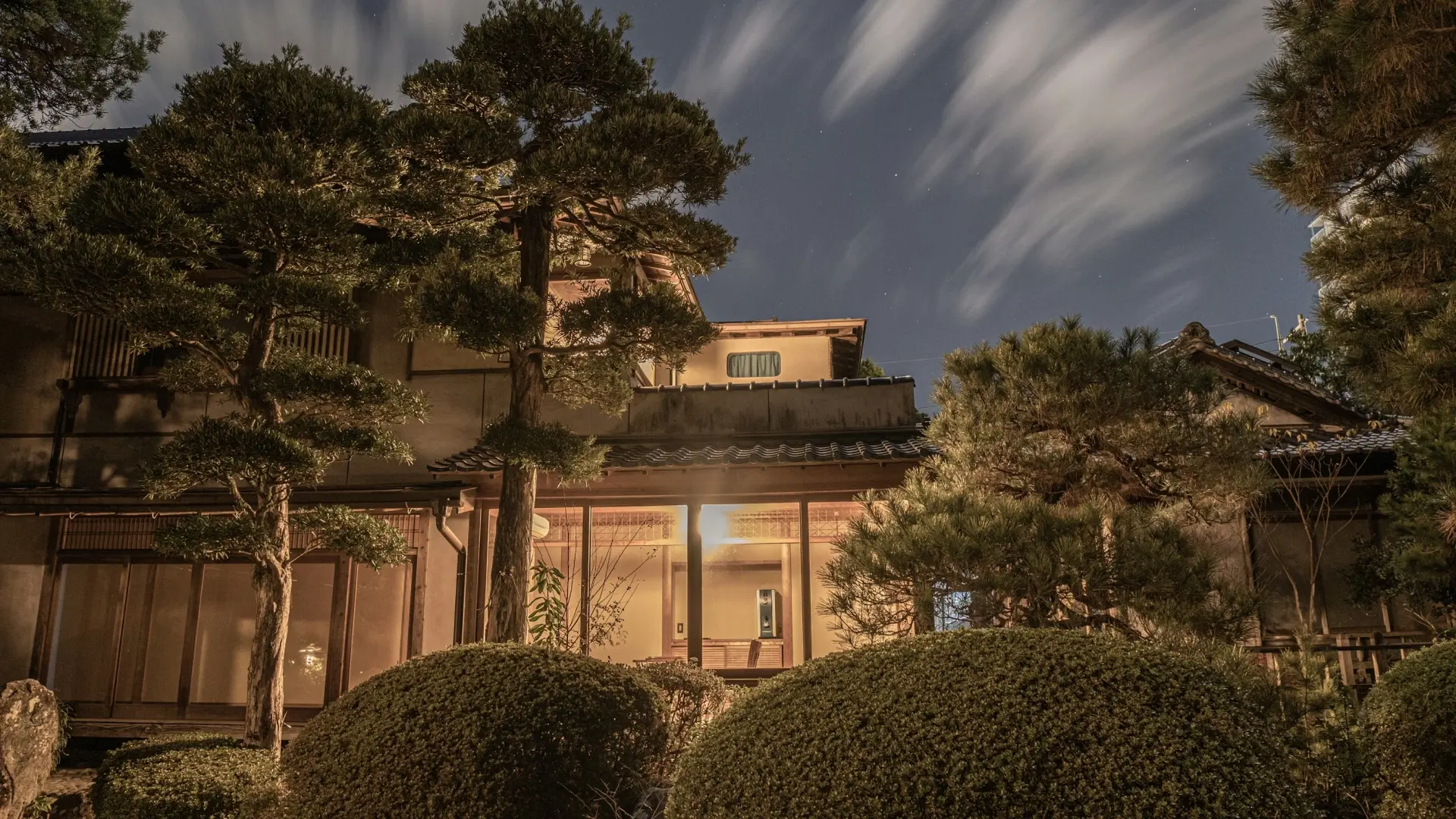
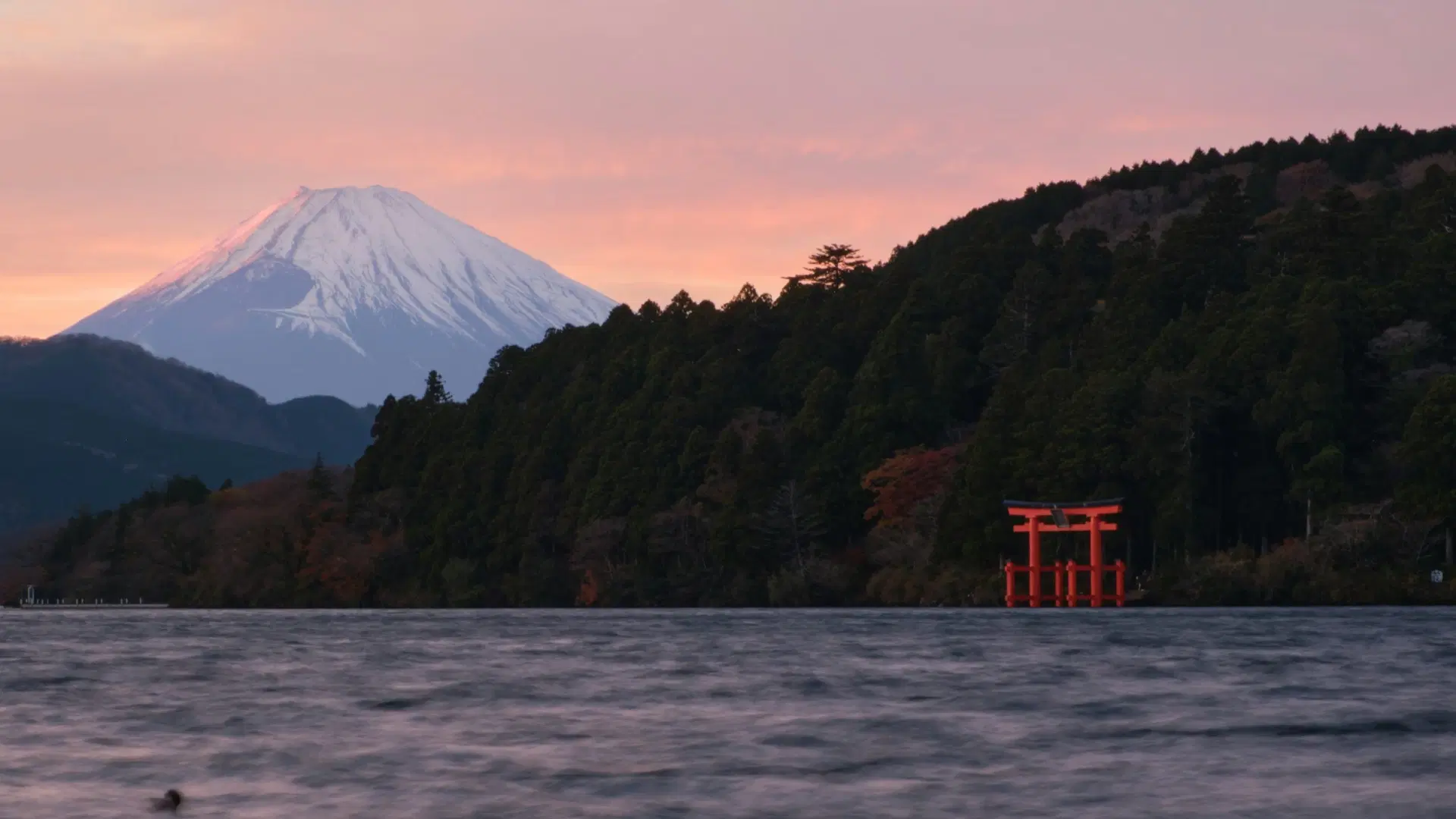
Room privacy is partly a function of architecture. Ryokans with detached guest cottages, known as hanare, offer the most seclusion. Properties with fewer than fifteen rooms tend to offer a more intimate atmosphere. Location matters enormously: mountain ryokans offer dramatic seclusion, coastal properties combine onsen with the sound of waves, and river valley ryokans provide a sense of enclosure that feels protective and warm.
Best months for a romantic ryokan stay
Seasonal Romance
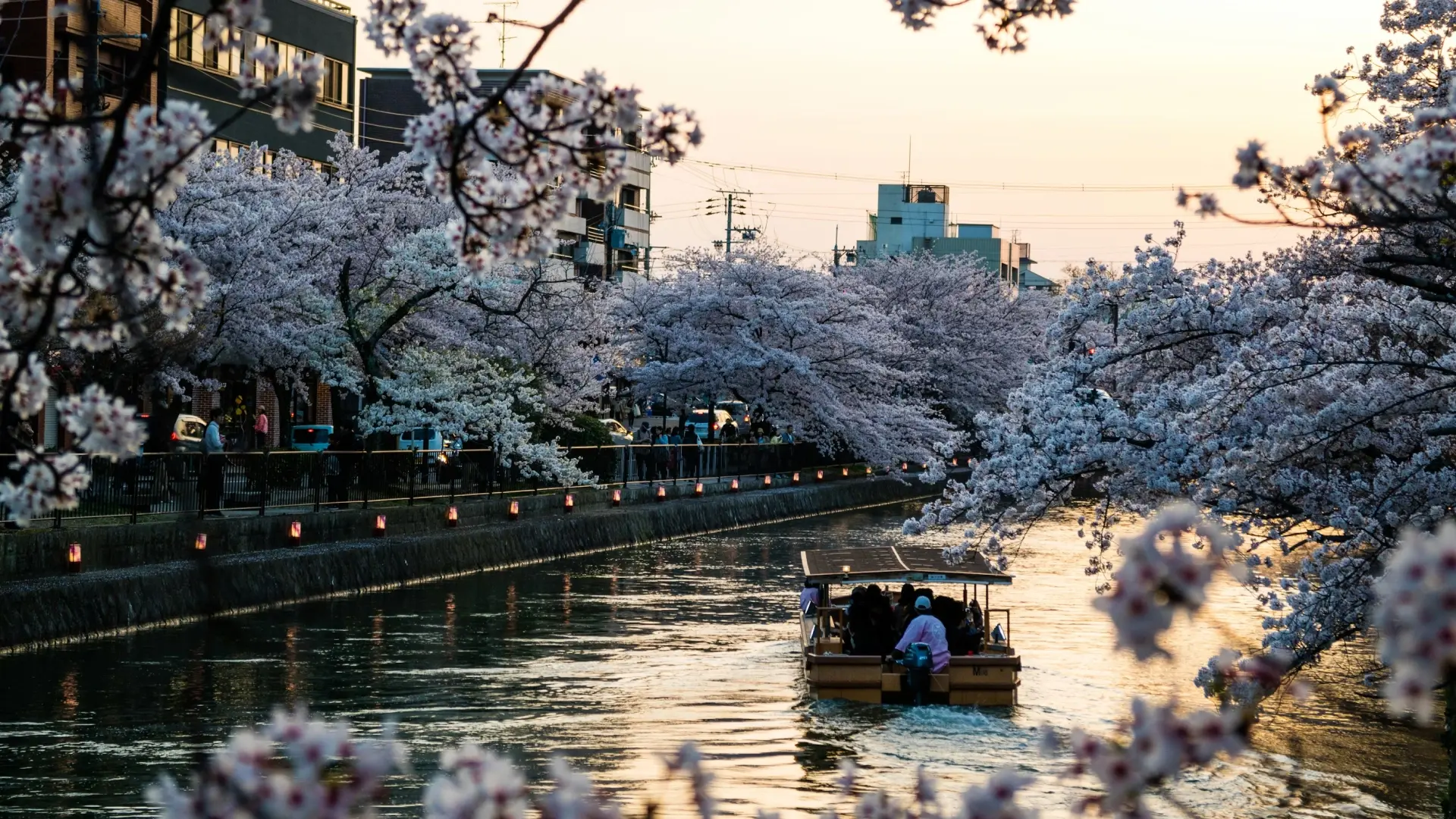
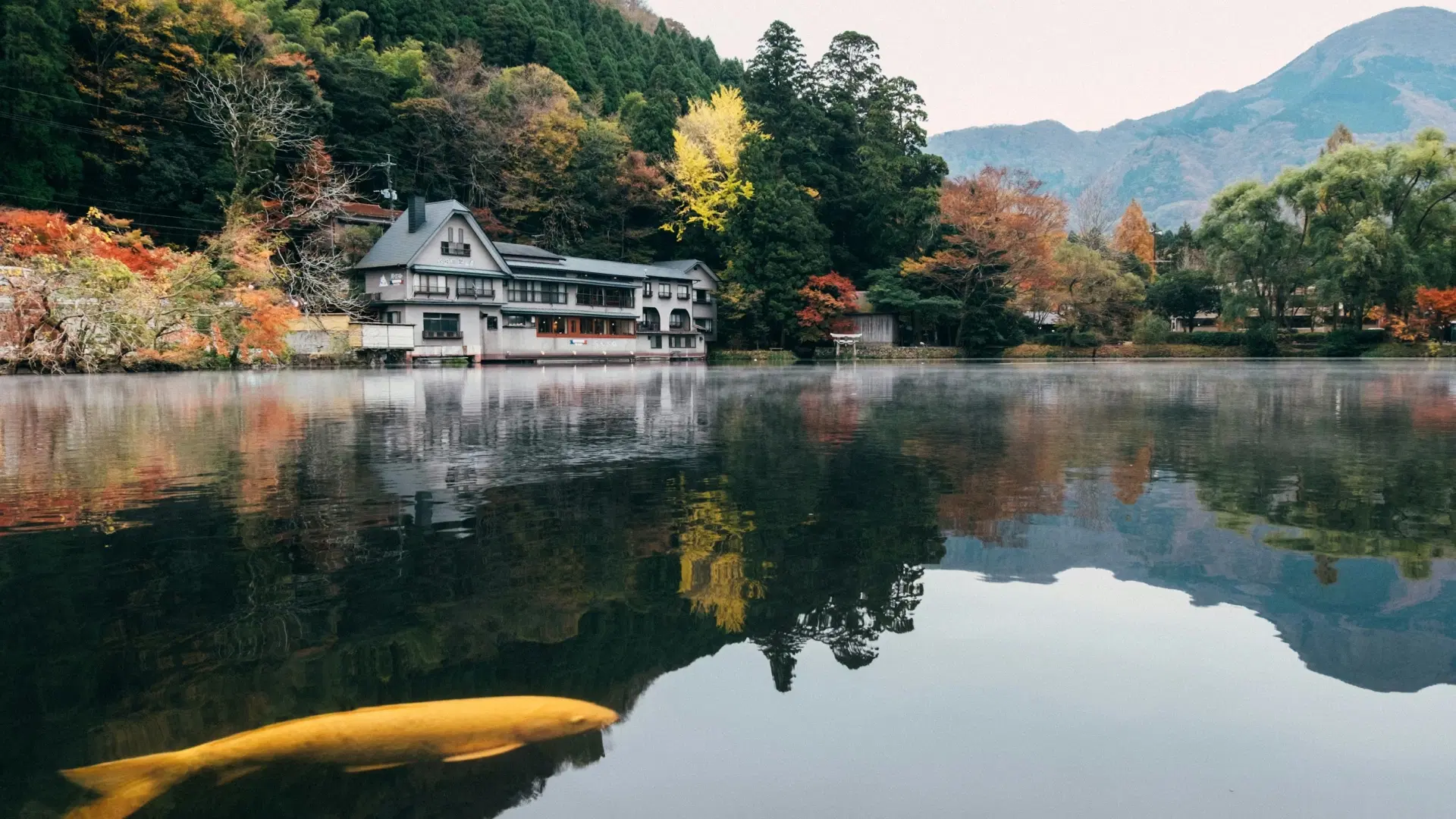
Each season brings its own character. Spring brings cherry blossoms drifting into private baths. Summer brings fireflies along mountain rivers. Autumn's maples are a spectacle experienced in matching yukata with matcha in hand. Winter may be the most romantic season of all, with snow-country ryokans taking on a hushed, lantern-lit quality and the contrast between freezing air and steaming onsen at its most intense.
In a world that works relentlessly to fragment our attention, the ryokan is a sanctuary of presence. For couples, this is its deepest romance.
The Ryokan Guide Editorial