Ryokan on Any Budget: From Humble Inns to Legendary Retreats
How to find the right ryokan experience at every price point, and when it pays to spend more
The most common question we receive at The Ryokan Guide is not about etiquette or geography. It is about money. Travelers want to know whether a ryokan stay is within their reach, and whether the more expensive properties justify their premium. The honest answer is that the ryokan world spans a vast range of price points, and exceptional experiences exist at nearly every level. The key is understanding what each tier offers and calibrating your expectations accordingly.
At most ryokans, the per-person rate covers far more than a room. It includes a multi-course kaiseki dinner, a traditional Japanese breakfast, yukata robes, onsen access, and the full arc of omotenashi hospitality. Factoring in meals, a mid-range ryokan often rivals or beats the combined cost of a hotel room plus two restaurant dinners.
Understanding the Price Spectrum
Ryokan pricing in Japan operates across roughly four tiers, each corresponding to a distinct level of experience. The entry tier encompasses smaller family-run inns, often in rural hot spring towns, where the rooms are simple tatami spaces and the meals are hearty rather than refined. The mid-range tier is where most travelers find the best intersection of quality and value. The premium tier represents established names with private onsen and destination-worthy kaiseki. And at the pinnacle sit the legendary ryokans, where a stay is less a hospitality transaction than a cultural event.
When to Save and When to Splurge
Not every night of a Japan trip needs to be a ryokan night. The most experienced travelers practice strategic allocation: they spend modestly on some nights to afford something extraordinary on others. Weekday stays are significantly less expensive, and winter months from December through February offer some of the best value. Choosing a standard room over a premium suite at a high-quality ryokan means you still receive the same kaiseki, the same onsen, and the same level of service.
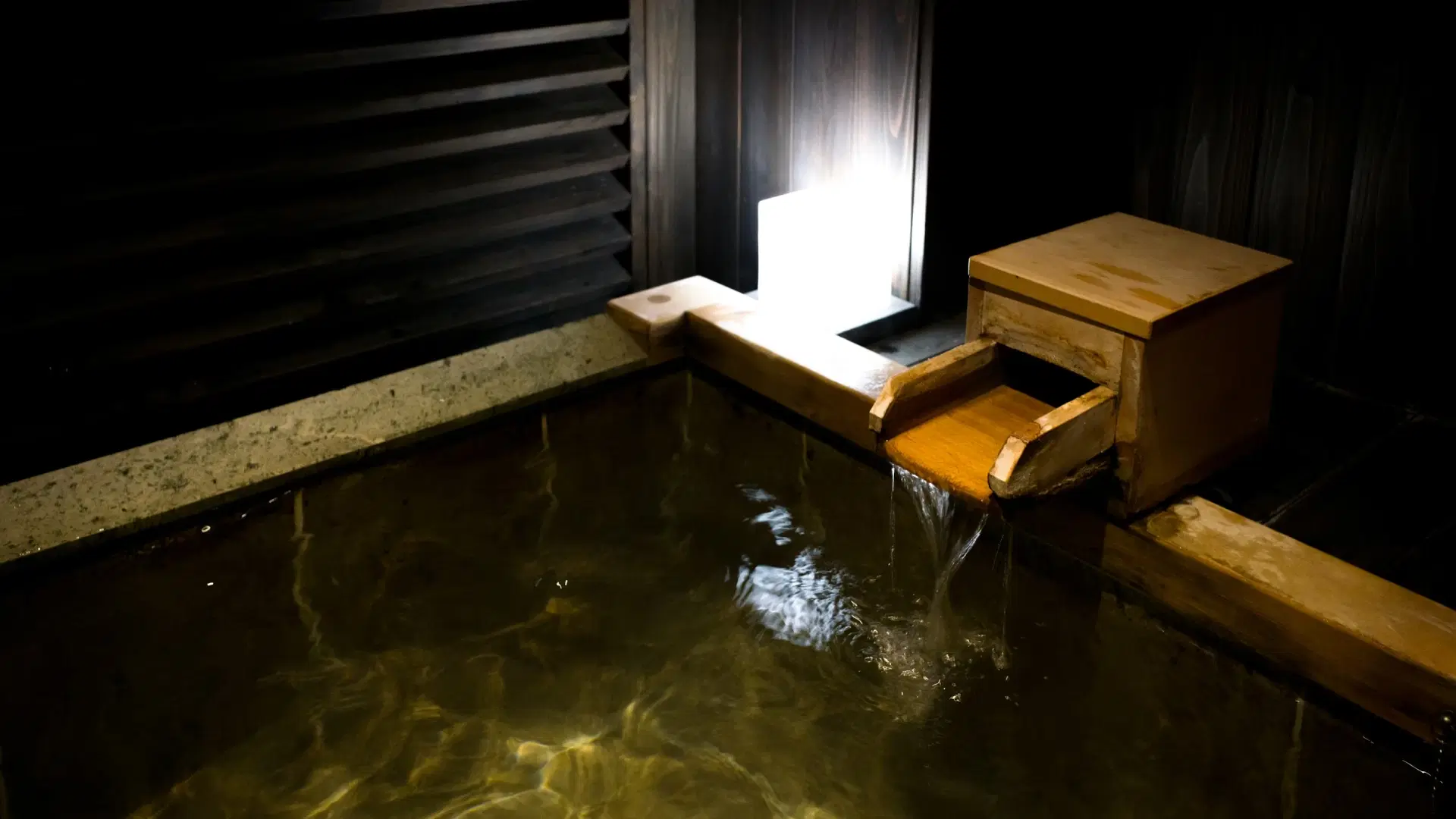
Conversely, a ryokan stay for a significant occasion deserves a property that rises to the moment. A private onsen consistently justifies a premium, and if you plan to experience only one ryokan, aim for the upper end of what your budget allows.
A single extraordinary night will give you a more complete and more lasting understanding of ryokan culture than three adequate ones.
The Ryokan Guide Editorial
Booking Strategies That Work
Direct booking through a ryokan's own website often yields the best rates and the most flexible cancellation terms. Japanese booking platforms such as Jalan and Rakuten Travel carry a far wider selection than international platforms. Some ryokans offer seasonal packages that bundle the stay with curated experiences, from private cherry blossom viewings to crab kaiseki dinners, often representing better value than the room alone.
Sunday through Thursday rates at many ryokans drop by 20 to 40 percent compared to Friday and Saturday. This single adjustment can move a property from aspirational to attainable.
The Value You Cannot Measure
The question of whether a ryokan is worth the money ultimately misses the point. A ryokan stay is not a commodity to be comparison-shopped. It is an experience whose value reveals itself slowly, in the weeks and months after you return home, when you find yourself remembering the particular quality of light through the shoji screens, or the taste of the first course of a meal you ate in a room overlooking a garden you will never see again.