How to Book a Ryokan
A practical guide to reserving your stay, from platforms and timing to plans and cancellation etiquette.
Booking a ryokan is not like booking a hotel. The process is simpler in some ways, more nuanced in others, and shaped by cultural expectations that differ meaningfully from Western norms. Understanding these differences before you begin will save you confusion, prevent missteps, and significantly increase your chances of securing a room at the property you want.
This guide covers the practical mechanics of booking: when to reserve, where to search, what the various plan options mean, how to communicate special needs, and how to handle changes and cancellations with the grace that the ryokan tradition expects.
When to Book
Timing matters more for ryokan reservations than for almost any other type of accommodation. The best ryokans are small, often with fewer than twenty rooms, and during peak periods they fill quickly.
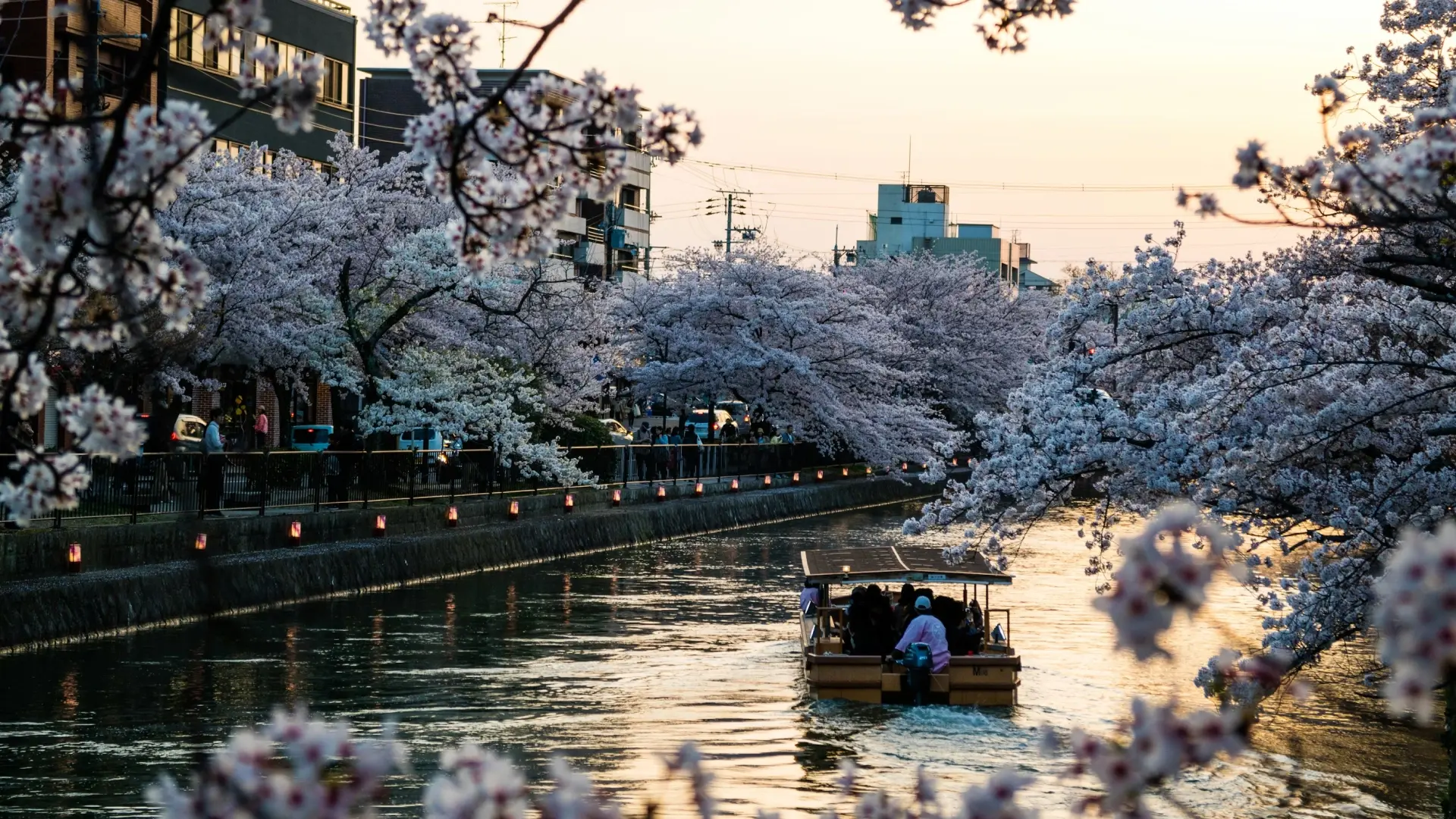
Japan's peak travel seasons include cherry blossom season (late March to mid-April), Golden Week (April 29 to May 5), Obon (August 13 to 16), autumn foliage (mid-October to late November), and New Year (December 28 to January 3). For these peak periods, book three to six months ahead. For the most celebrated properties, six months to a year is not excessive.
Peak booking seasons for ryokans
Direct Booking vs Platforms
There are three main channels: international platforms (Booking.com, Expedia, Agoda), Japanese platforms (Jalan, Rakuten Travel, Ikyu), and direct reservation with the ryokan itself.
International platforms are the most accessible but offer limited selection. Japanese platforms offer dramatically wider choice but are primarily in Japanese. Direct booking is often the best option, providing access to the full range of room types and plans, allowing direct communication of special requests, and sometimes yielding better rates.
When in doubt, book direct. The ryokan will know you by name before you arrive, and that personal connection is worth more than any platform's convenience.
Ryokan rates are almost always quoted per person, not per room. This surprises many Western travelers. A rate that appears moderate for one person doubles for a couple. Factor in the included dinner and breakfast when comparing to hotel prices.
Understanding the Plans
The most common plans are: Ippaku-nishoku (one night, two meals) which is the standard and recommended plan including dinner and breakfast; Ippaku-choshoku (one night, breakfast only) offering more flexibility; and Sudomari (room only) which is least common and generally not recommended.
Within the ippaku-nishoku category, many ryokans offer tiered plans varying by room type, meal grade, or included amenities. A "premium kaiseki" plan might feature upgraded ingredients, while a "room with private onsen" plan includes a room with its own outdoor bath.
Communicating Your Needs
The ryokan's ability to anticipate your needs depends on your willingness to communicate them in advance. Dietary restrictions and allergies must be communicated at the time of booking, without exception. State your expected arrival time. Mention special occasions. Confirm accessibility needs. And always ask about children's policies in advance.
The ryokan coordinates its entire afternoon around guest arrivals: warming rooms, preparing welcome tea, timing the kitchen, and scheduling bath maintenance.
Cancellation and Etiquette
Cancellation policies at Japanese ryokans are stricter than many Western travelers expect. A typical policy: no charge seven or more days before arrival, 30% three to six days before, 50% one to two days before, and 100% on the day or for a no-show.
If you must cancel, do so as early as possible and communicate directly with the ryokan. A no-show without communication is considered deeply disrespectful in Japanese hospitality culture.
The act of booking a ryokan is the first exchange in a relationship of mutual respect. Honor it accordingly.
A Final Word on Booking
The process of booking a ryokan can feel more involved than reserving a hotel room. But this additional effort is not friction; it is the beginning of the experience. By the time you walk through the entrance, the kitchen will have sourced your dinner's ingredients. The nakai-san will know your name. The room will be warmed, the tea prepared, the seasonal scroll hung in the tokonoma.
The reservation is not a transaction but a promise: the ryokan promises to care for you, and you promise to arrive, to be present, and to receive that care with the attention it deserves.