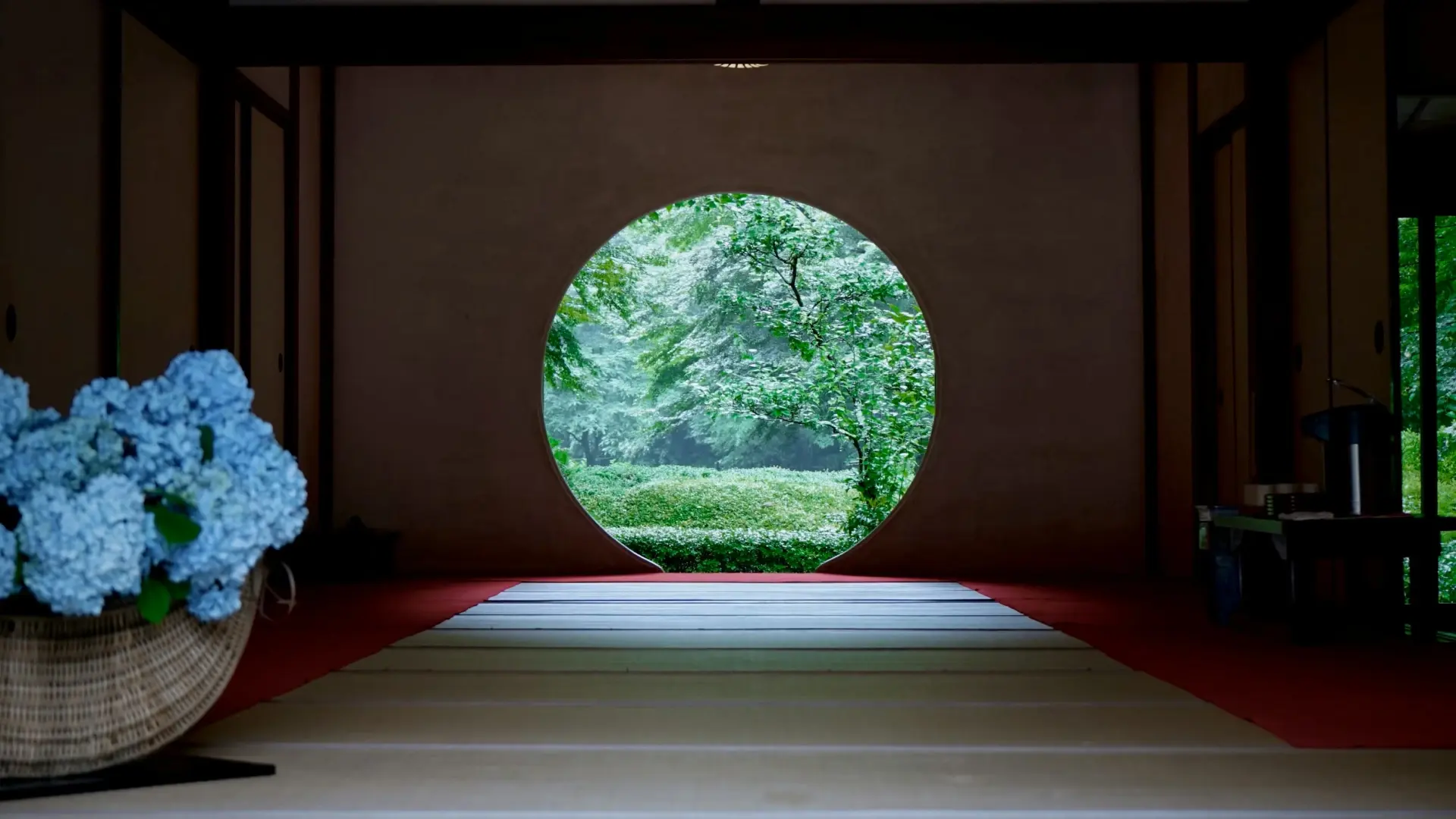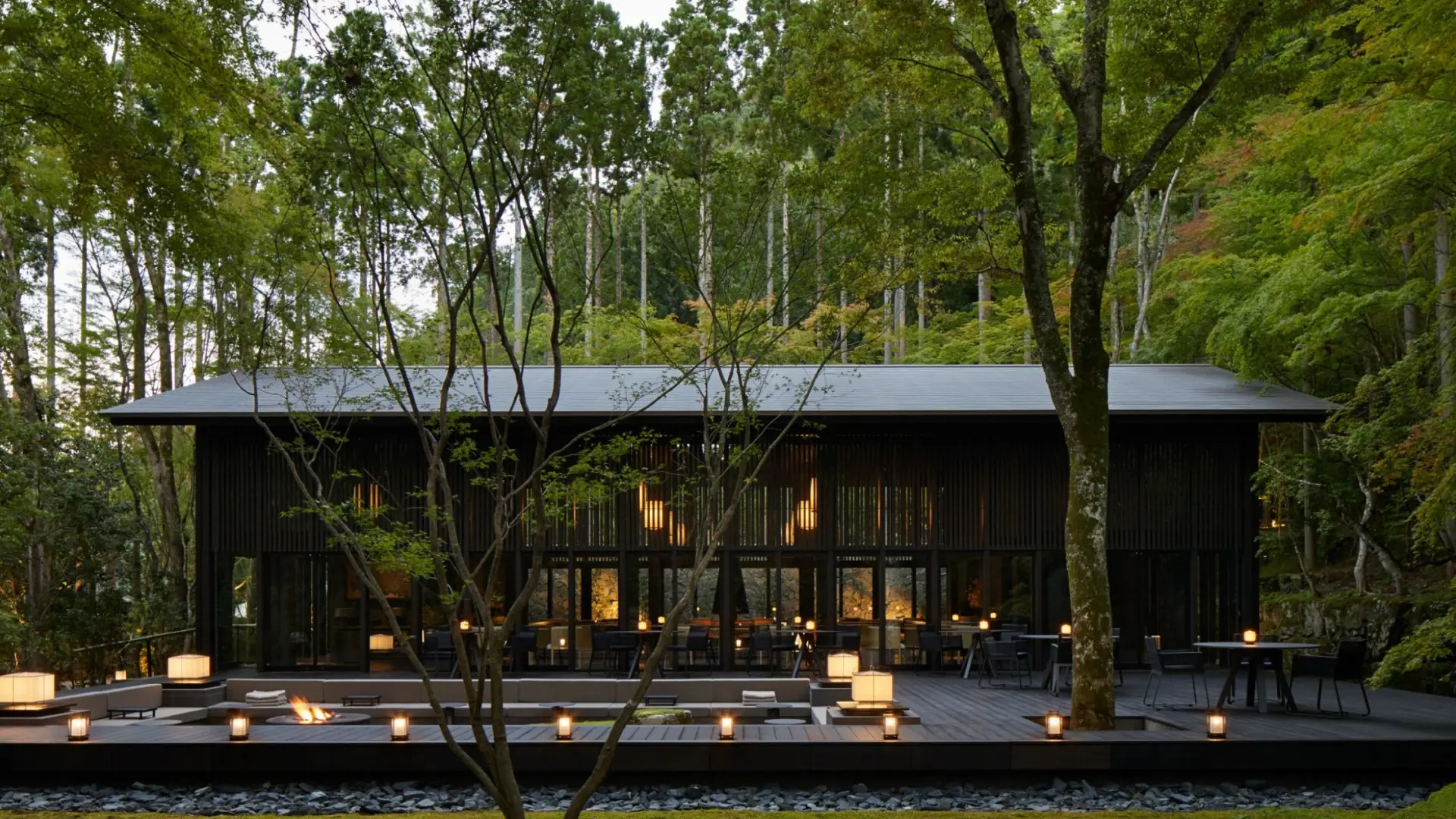
What Is a Ryokan?
A journey into the Japanese inn that has sheltered travelers, poets, and pilgrims for centuries.
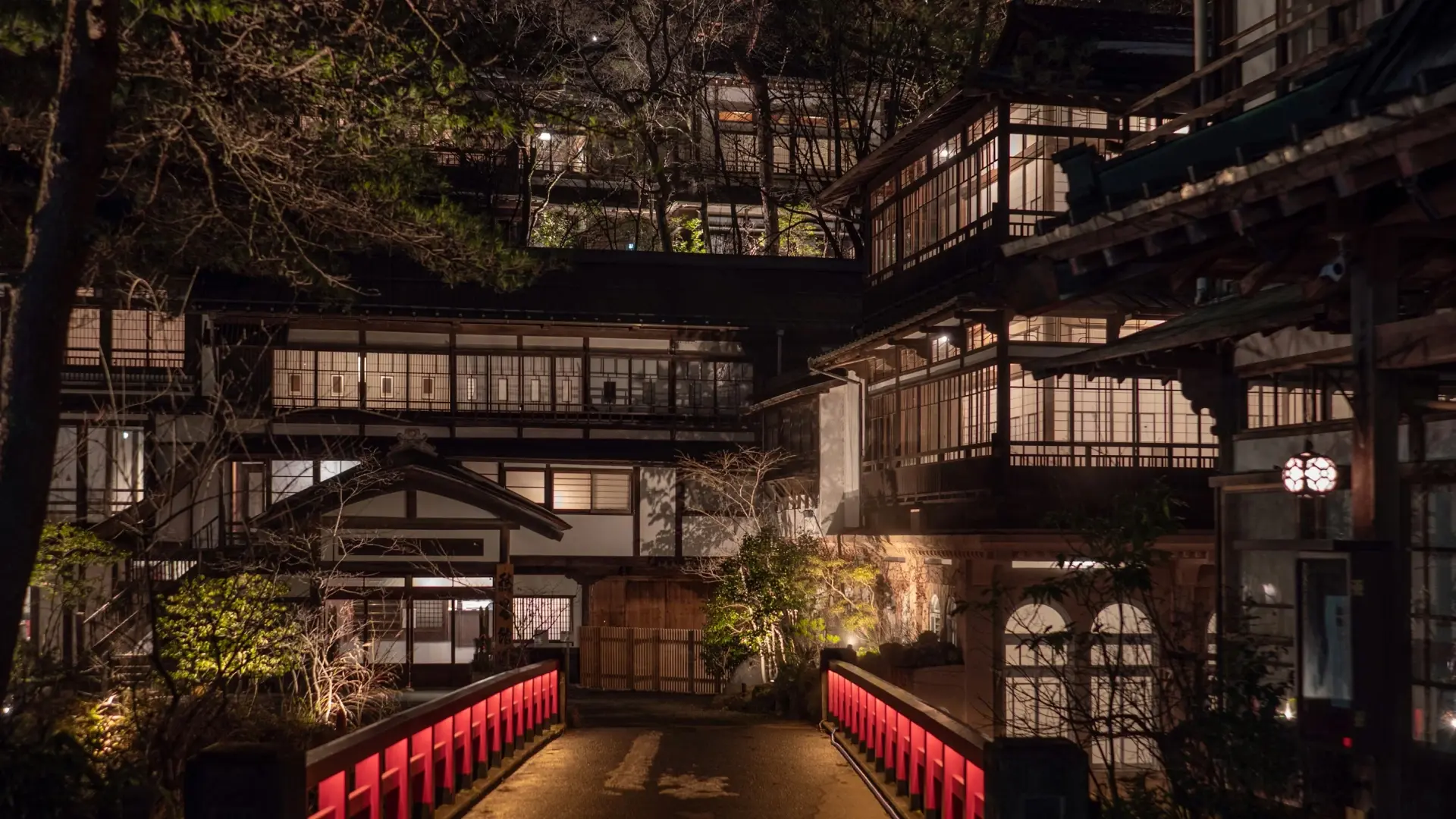
There is a moment, just past the threshold of a ryokan entrance, when the world you arrived from dissolves. The taxi recedes. The station announcements fade. What remains is a silence shaped by centuries: the clean scent of tatami rush, the soft click of a sliding fusuma, a woman in kimono bowing so deeply that her greeting seems to rise from the earth itself.
This is the ryokan. Not merely a place to sleep, but a philosophy of rest made architecture, a tradition of care made ritual. For centuries, the ryokan has stood at the crossroads of Japanese culture, distilling the country's reverence for nature, its obsession with seasonality, and its profound understanding of human comfort into a single, quietly extraordinary overnight stay.
To the uninitiated traveler, a ryokan may appear to be a simple Japanese inn. Tatami floors, futon bedding, communal baths, multi-course dinners. All of this is accurate, and none of it is sufficient. A ryokan is a theater of hospitality, a meditation on impermanence, and, when encountered at its finest, one of the most civilized experiences available to a human being.
The Living Tradition
The history of the ryokan is inseparable from the history of Japanese travel itself. During the Edo period (1603 to 1868), when the Tokugawa shogunate enforced the sankin-kotai system requiring feudal lords to make regular pilgrimages to Edo, a network of post stations sprang up along the great highways. The Tokaido, connecting Kyoto and Edo, alone counted fifty-three stations, each with lodgings that catered to travelers of every class. These were the ancestors of the modern ryokan.
But the roots reach deeper. As early as the eighth century, temple lodgings along pilgrimage routes offered shelter, sustenance, and spiritual renewal. The concept of settai, the selfless offering of hospitality to strangers on a sacred journey, infused Japanese innkeeping with a moral dimension that persists to this day. The ryokan inherited this ethic. To host a guest was not merely a commercial transaction but an act of grace.
By the Meiji Restoration of 1868, as Japan opened to the world and modernization swept the archipelago, the ryokan crystallized into something recognizable: a traditional inn offering Japanese-style rooms, communal or private baths fed by natural hot springs, and elaborate meals rooted in the local harvest. Some of the country's greatest literary figures wrote their masterworks in ryokan rooms. Kawabata Yasunari composed portions of Snow Country at a ryokan in Yuzawa, Niigata. Natsume Soseki convalesced and created at a ryokan in Shuzenji.
Japan is home to more than 30,000 ryokans, though the number has steadily declined since its peak in the 1980s. The oldest continuously operating ryokan, Nishiyama Onsen Keiunkan, has welcomed guests since 705 AD.
To stay at a ryokan is to be held, gently and completely, by people who have made your comfort their life's work.
Arriving at the Ryokan
The ryokan experience begins not at check-in but at arrival. In many establishments, staff will be waiting at the entrance, having tracked your expected arrival time with quiet precision. At the genkan, the entryway, you will remove your shoes. This is not a minor logistical detail but a symbolic act: you are crossing from the outside world into a space governed by different rules.
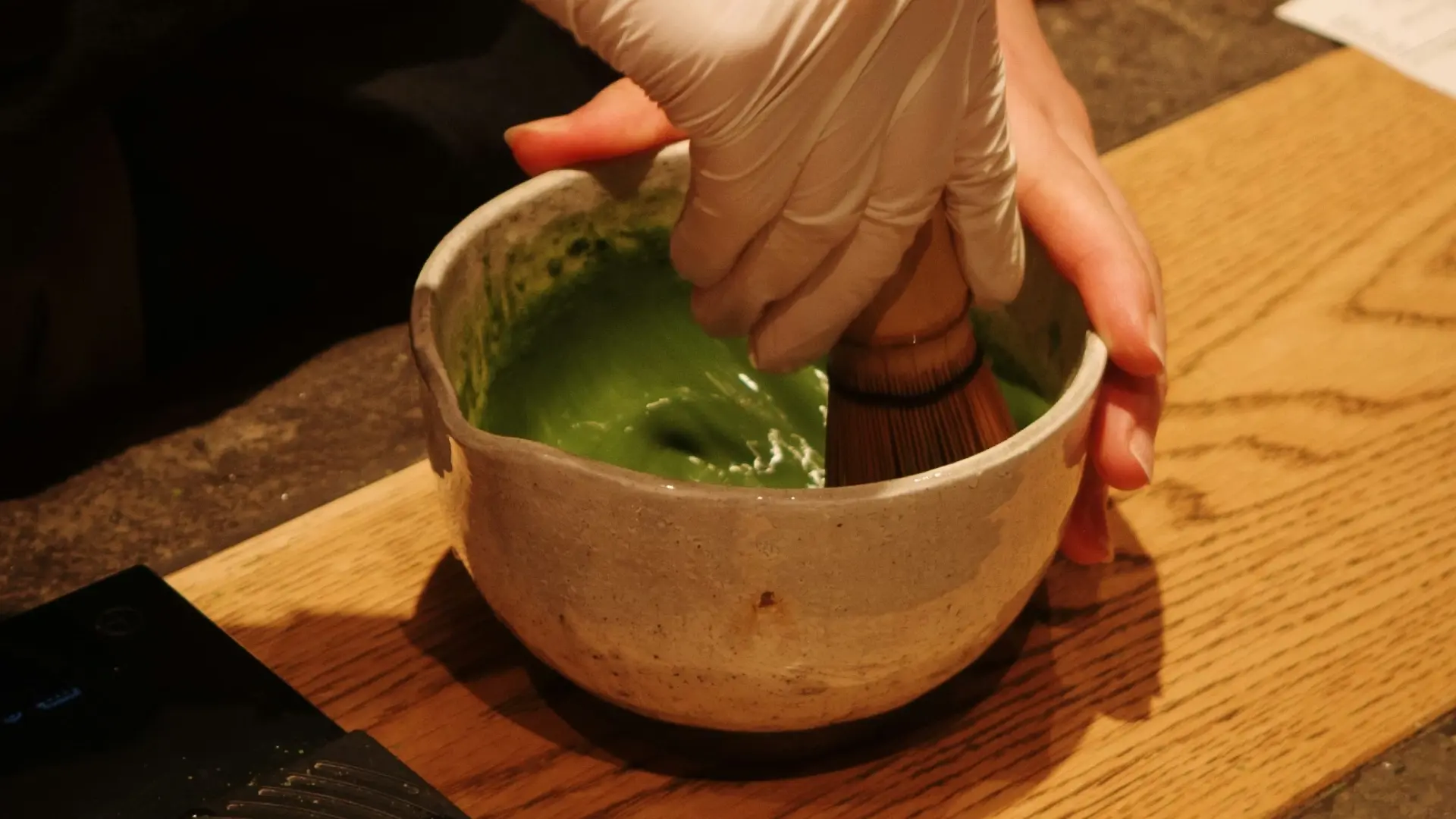
You will be guided to a common room or directly to your guest room, where a cup of matcha or sencha will be served alongside a small sweet, often a local wagashi. This is the otsukimono, a welcome offering. Pay attention to it. The sweet will likely reference the season: a chestnut confection in autumn, a cherry-blossom mochi in spring.
The Room
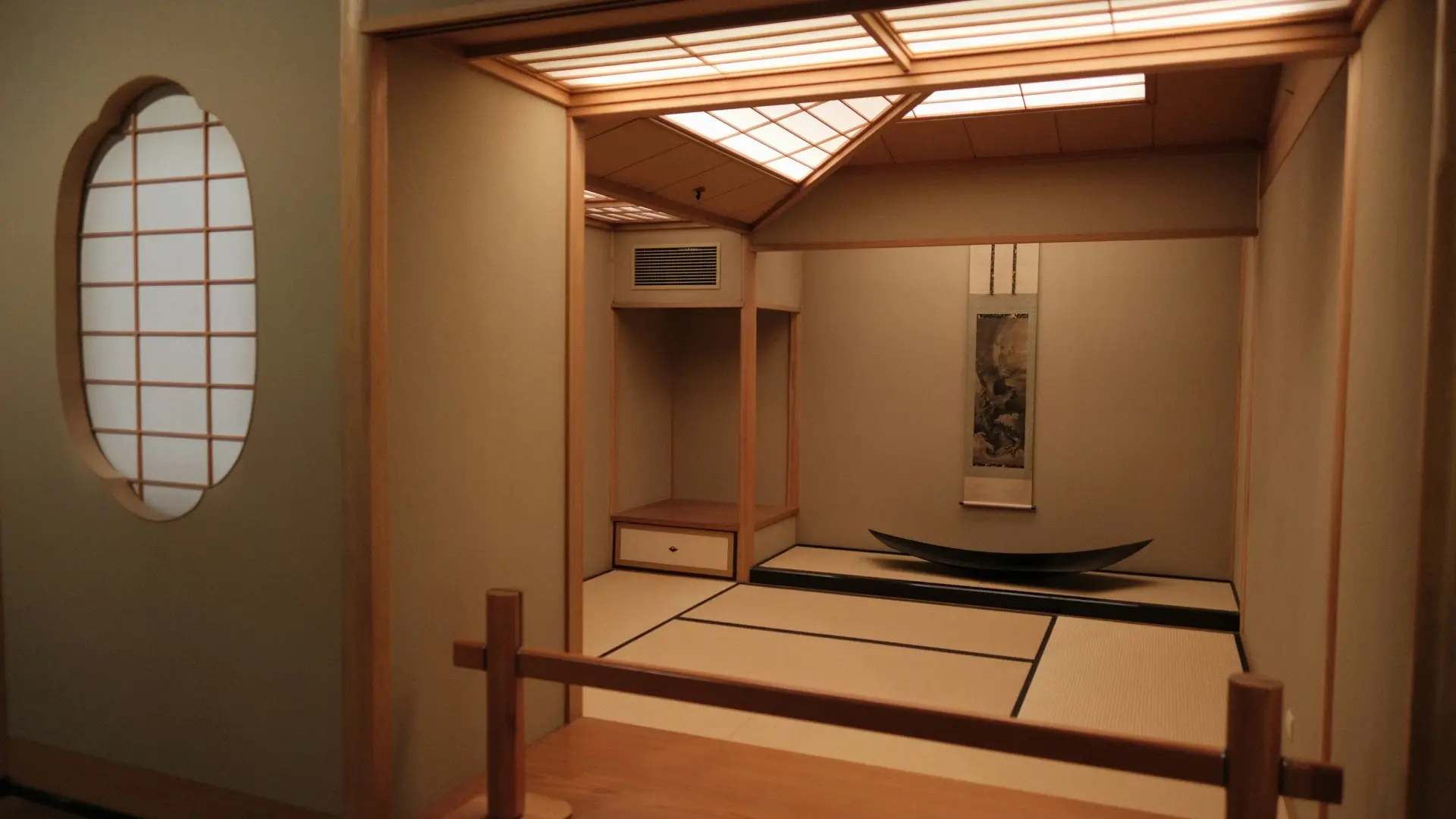
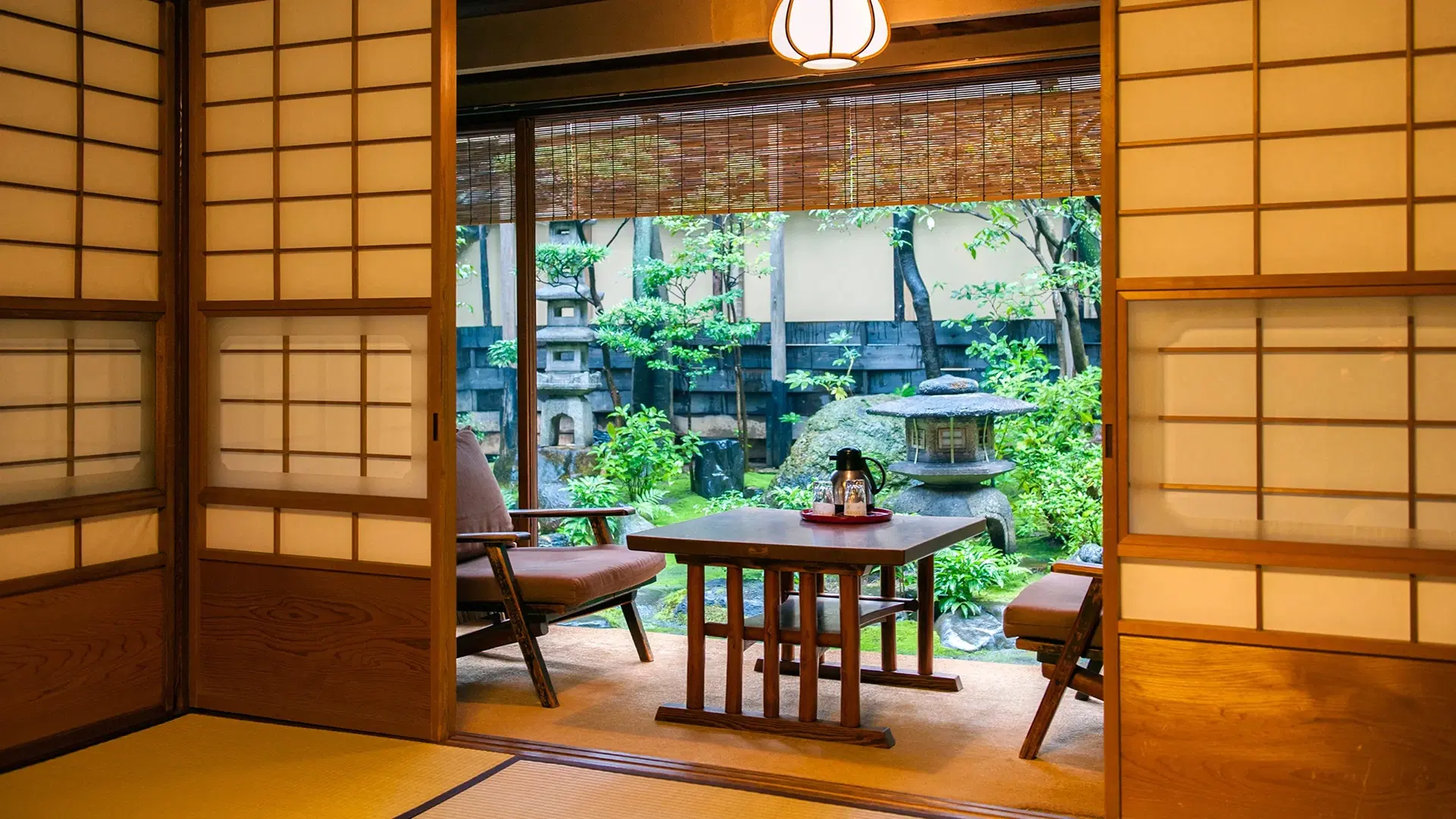
A ryokan room is a study in deliberate simplicity. Tatami mats cover the floor, their woven rush surface releasing a faint, grassy fragrance. A low table sits at the center, flanked by zabuton cushions. An alcove, the tokonoma, holds a scroll painting or calligraphy, accompanied by a single flower arrangement. These are changed with the seasons, sometimes with the weeks.
The genius of the room lies in its transformability. By day, it is a sitting room. Before dinner, the table may be set with lacquerware and ceramics. After dinner, while you are at the baths, the nakai-san will clear the table, lay out your futon, and transform the space into a bedroom.
The Bath
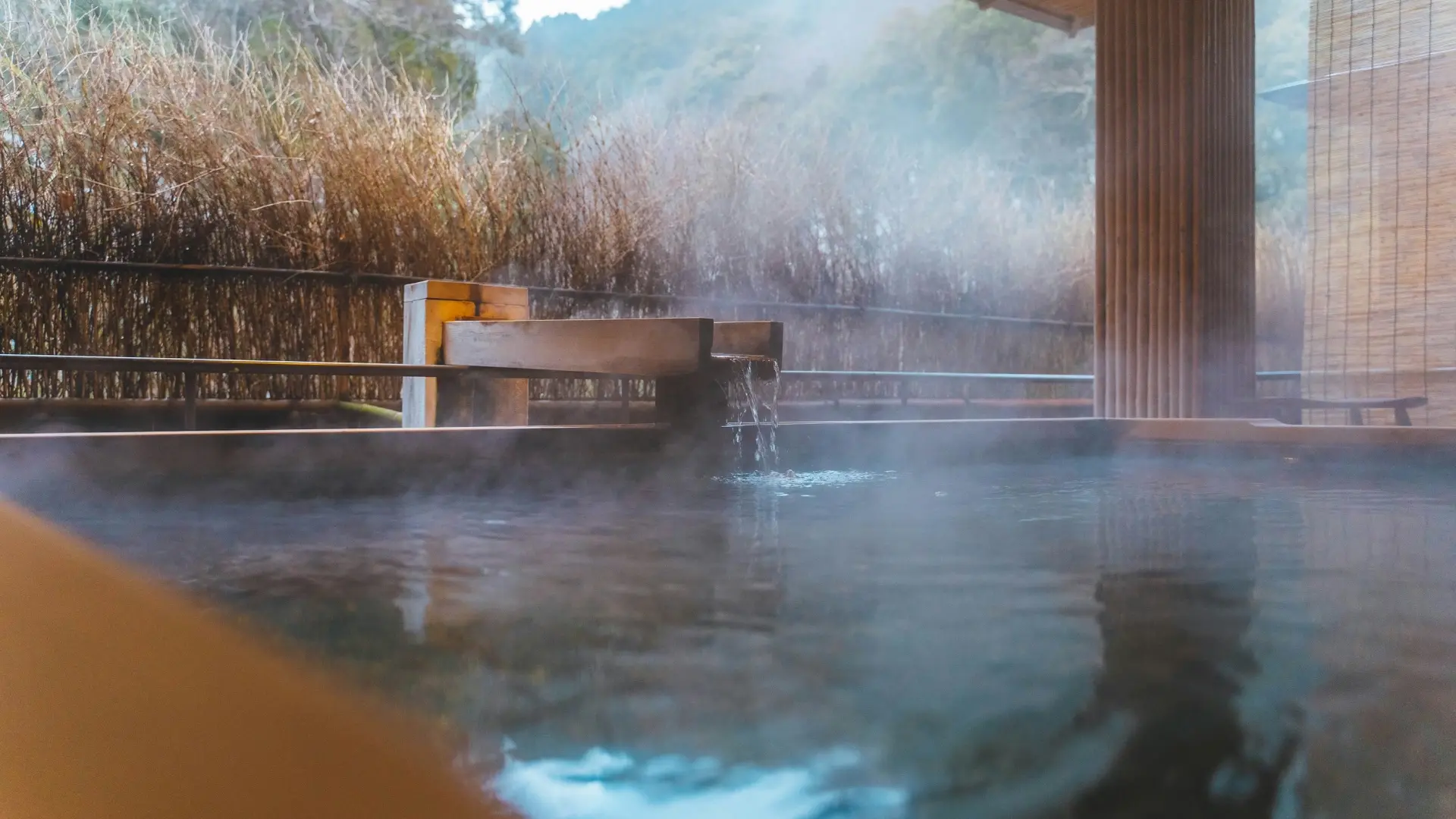
If the room is the ryokan's body, the bath is its soul. Japan's volcanic geography has blessed the archipelago with thousands of natural hot springs, and the onsen bath is the ryokan's most profound offering. To bathe in a ryokan is not merely to wash but to participate in a ritual that stretches back millennia, one that dissolves the barriers between the human body and the natural world.
Most ryokans offer both an indoor bath (uchiburo) and an outdoor bath (rotenburo). The water may be milky with sulfur, clear and mineral-rich, or tinged amber with iron. Each spring carries its own chemistry, its own claimed therapeutic properties, its own particular warmth.
The Meal
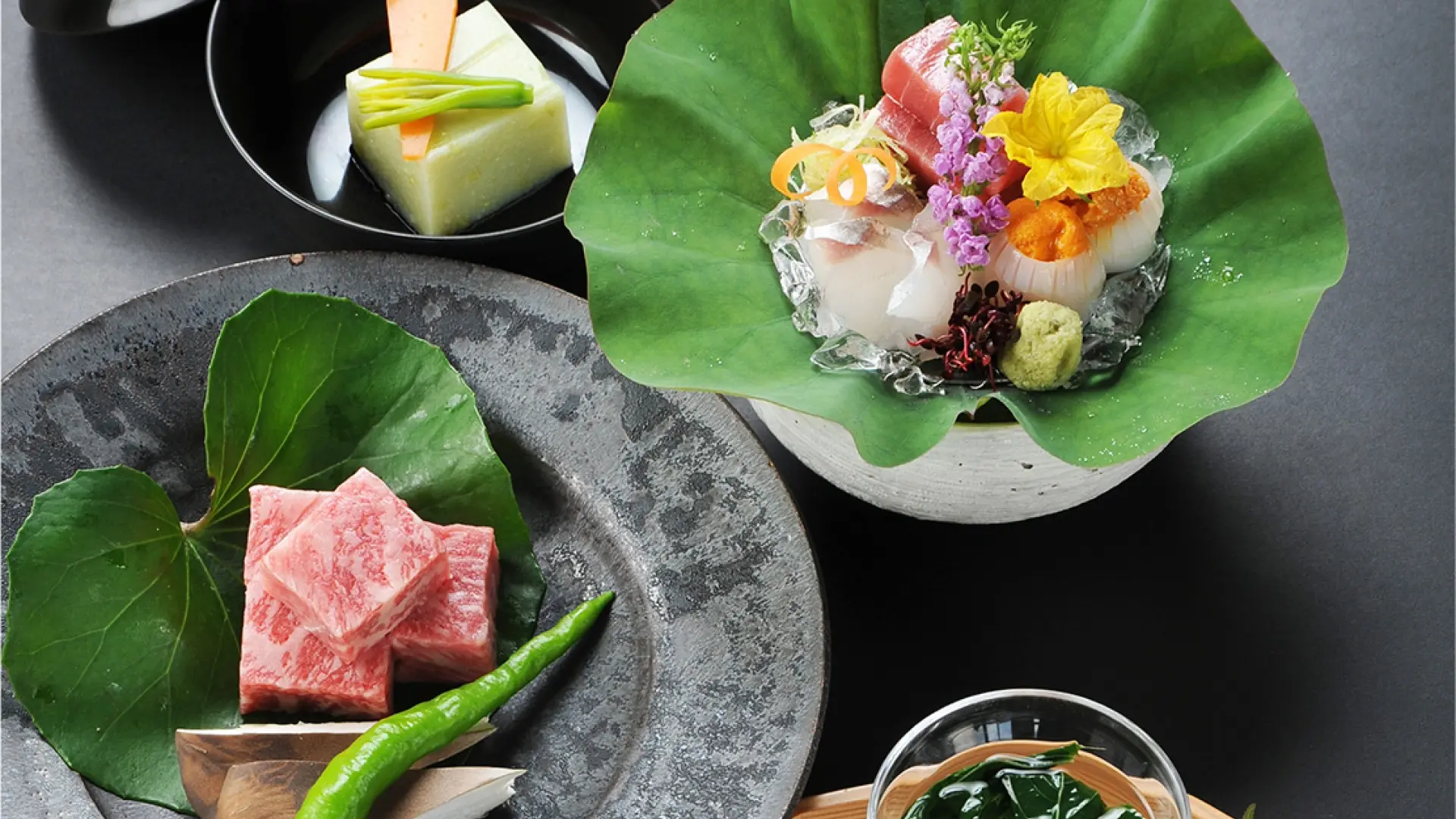
Dinner at a ryokan is not a meal; it is a performance, an edible poem composed in honor of the season, the region, and the guest. The formal kaiseki dinner that awaits you is the culinary descendant of the tea ceremony, structured with the same attention to balance, sequence, and surprise.
Courses arrive in succession, each presented on ceramics chosen for the season. The ingredients will be hyper-local. Mountain ryokans will serve river fish, wild vegetables, and game. Coastal ryokans will offer the morning's catch. In Kyoto, the vegetable cookery will attain a refinement that rivals any fine-dining establishment on earth.
In a ryokan kaiseki, the seasons do not merely influence the menu. They author it.
The Morning After
You will sleep deeply. The combination of thermal bathing, a substantial meal, and the particular quiet of a ryokan creates conditions for rest that few other environments can match. In the morning, you may wake early, drawn by birdsong or the quality of light filtering through the shoji.
Breakfast at a ryokan is one of the great underappreciated meals in global cuisine. It is a Japanese breakfast in its purest form: grilled fish, a small simmering pot of tofu or vegetables, pickles of startling variety and crunch, miso soup, rice, and green tea. The meal is lighter than dinner but no less considered, designed to ground you for the day ahead.
At departure, your hosts will accompany you to the entrance. They will bow. They will likely remain at the door, watching as your taxi or car departs, bowing again as you recede from view. This final gesture, the miokuri, is one of the most moving rituals in Japanese hospitality.