Japanese Gardens: Reading the Landscape
A guide to understanding the gardens that define Japan's greatest ryokans
A Japanese garden is not a collection of plants. It is a language, a system of signs and references developed over more than a thousand years to communicate ideas about nature, time, spirituality, and the relationship between the human world and the world beyond it. To walk through a Japanese garden without understanding this language is to appreciate its beauty while missing its meaning, like admiring calligraphy for its visual rhythm without being able to read the words.
Learning to read a Japanese garden is one of the most rewarding skills a ryokan traveler can develop. It transforms the view from the guest room window from a pleasant background into an active conversation between designer and viewer, between culture and nature, between the present moment and a tradition that stretches back to the gardens of Heian-era Kyoto.
The Three Great Styles
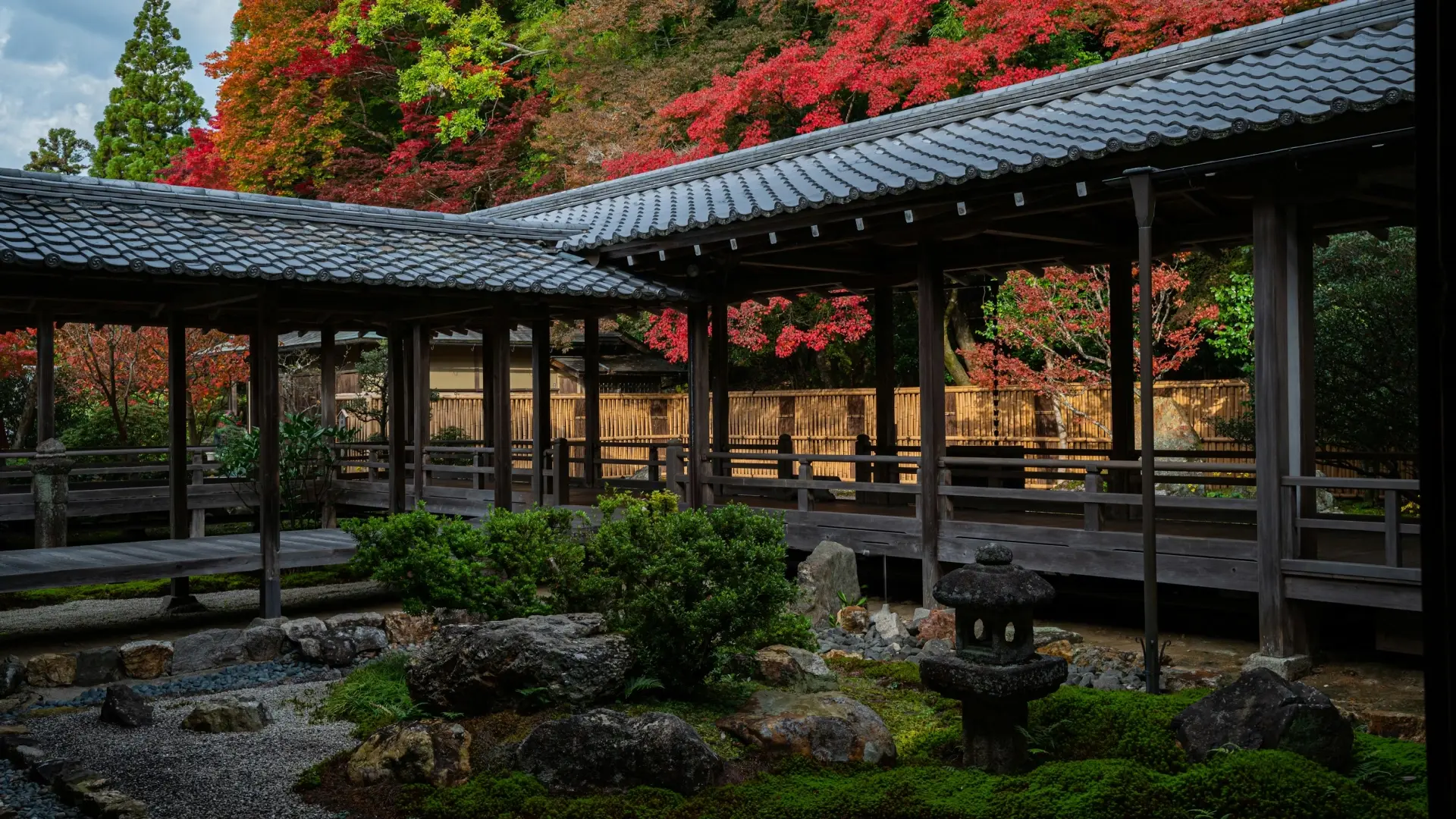
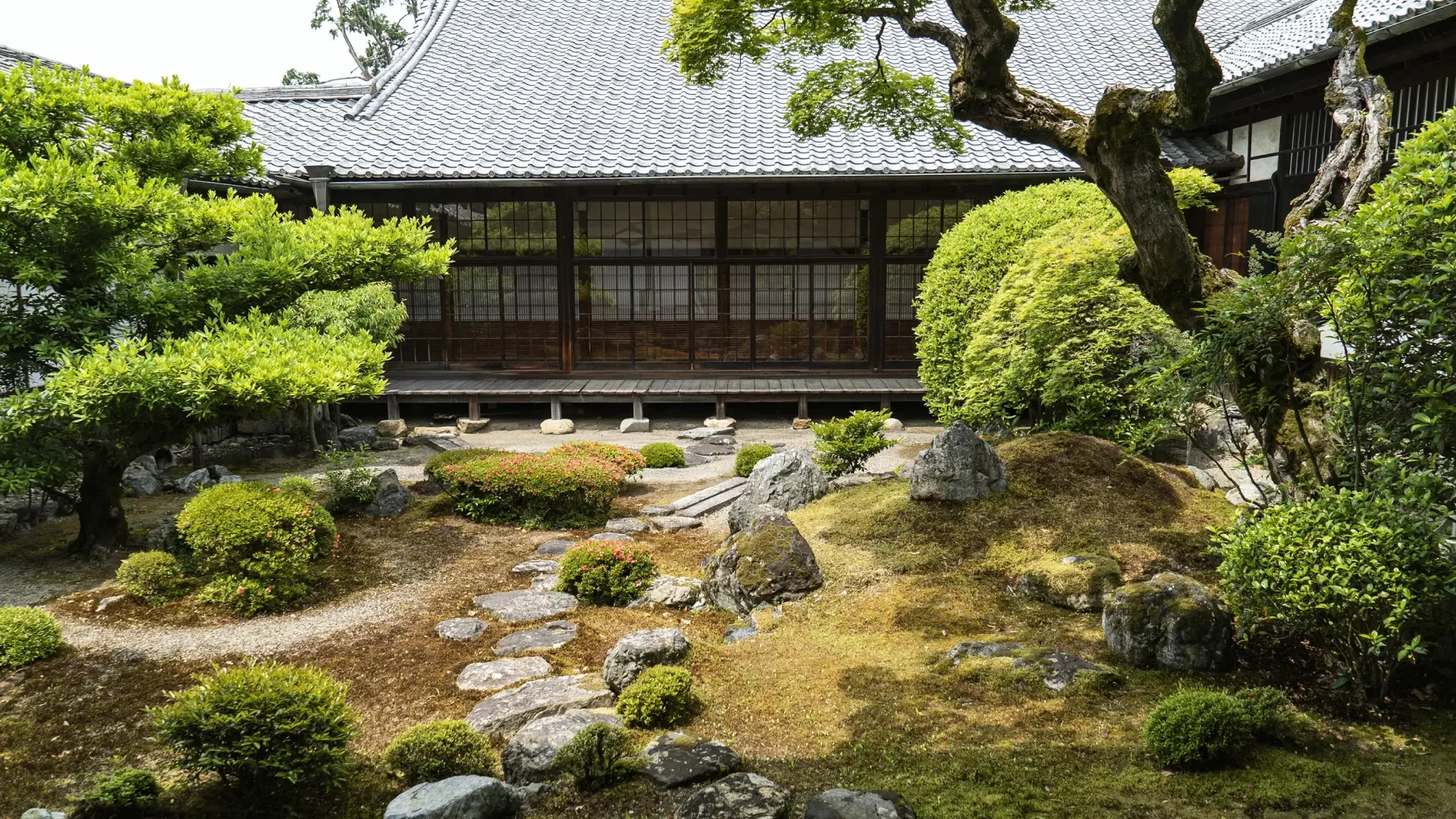
Japanese gardens are traditionally classified into three major styles, each with distinct principles and purposes. The first and oldest is the pond garden, or chisen kaiyu shiki teien, the stroll garden organized around a central body of water. The second great style is the dry landscape garden, or karesansui, the raked gravel and stone garden most closely associated with Zen Buddhism. The third style is the tea garden, or roji, designed by tea masters as a transitional passage from the everyday world to the heightened awareness of the tea room.
At ryokans with stroll gardens, the guest's experience of the space unfolds over the course of the stay. The morning walk reveals one set of compositions. The afternoon walk, with different light and shadow, reveals another. The evening, when stone lanterns are lit and the water reflects the warm glow, reveals a third.
The garden is designed to reward repeated visits, to reveal itself gradually, and to change with the hour and the season.
On the stroll garden tradition
Stone: The Bones of the Garden
In Japanese garden design, stone comes first. It is the garden's skeleton, its permanent foundation, the element around which everything else is organized. The medieval garden treatise Sakuteiki, written in the 11th century and still consulted by garden designers today, devotes more space to the selection and placement of stones than to any other element.
A stone is evaluated not only for its shape, color, and texture but for its character, a quality that the Japanese call ishi no kokoro, the heart of the stone. The gardener's task is not to impose meaning on the stone but to recognize the meaning already inherent in it and to place it in a context where that meaning is revealed.
Water: The Garden's Lifeblood
Water appears in Japanese gardens in three forms: as a pond or stream, as a waterfall, and as an absence, represented by the raked gravel of the karesansui. In a ryokan garden, the murmur of running water is not accidental. It is designed: the stream's course, the size and placement of the stones over which it flows, and the height and angle of any waterfall are all calibrated to produce a specific acoustic effect.
The tsukubai, or stone water basin, appears in both tea gardens and ryokan gardens as a point of ritual purification, the gentle drip of water from a bamboo spout into the basin providing a metronomic punctuation to the garden's silence.
Shakkei is the technique of incorporating distant landscape, such as a mountain or forest, into the garden's composition. The boundary between garden and world dissolves, making the distant peak feel like part of the garden's design.
Moss, Pruning, and the Art of Maintenance
A Japanese garden is never finished. It is a living system that requires continuous, skilled maintenance to sustain the vision that its designer established. Moss maintenance is a daily practice. Pruning is the other great art of garden maintenance, aiming to reveal structure, to make visible the essential form that exists within the tree.
Reading the Garden from Your Room
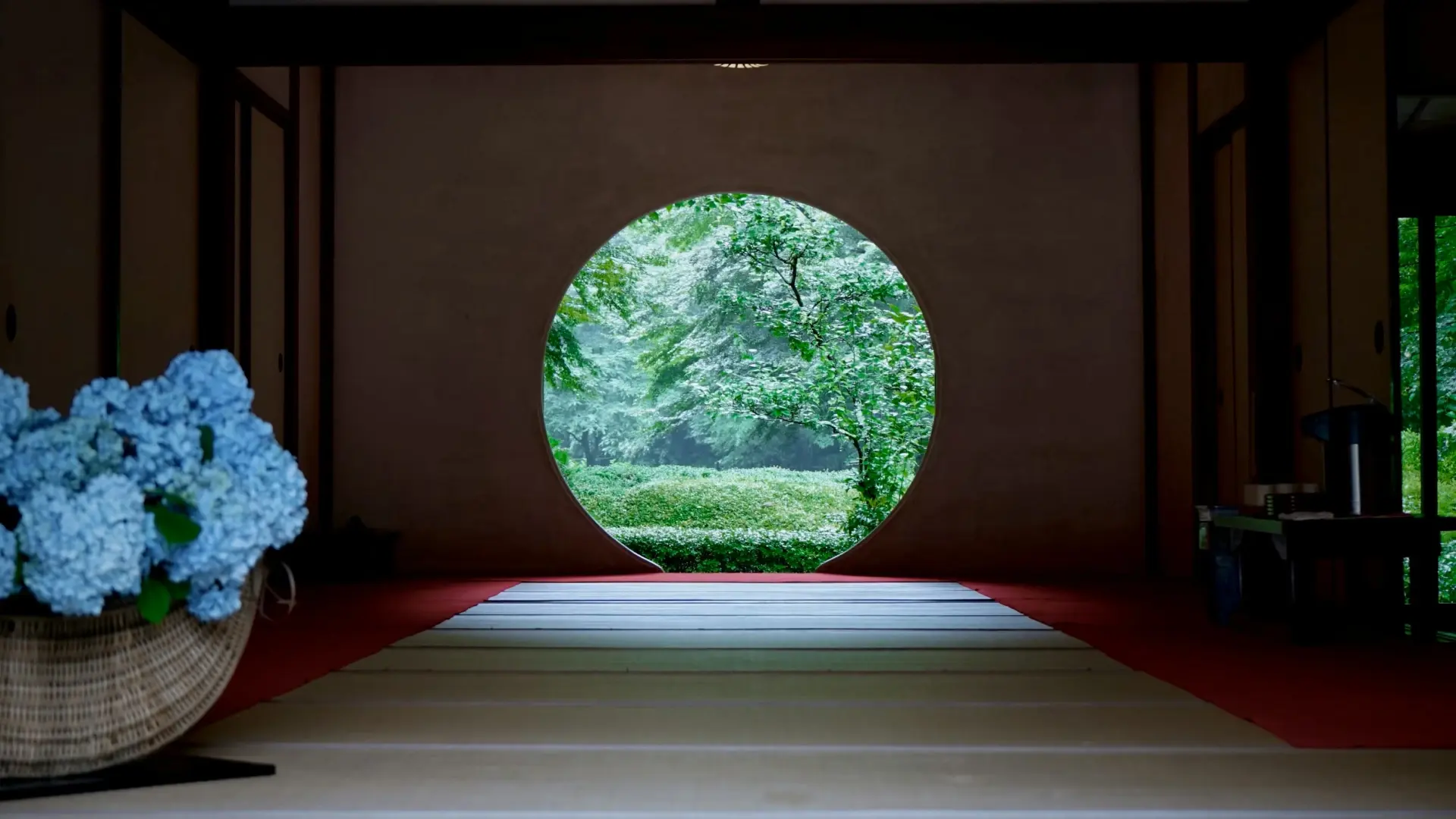
The ryokan garden is designed, above all, to be viewed from within the building. The seated perspective, looking out through an open or translucent shoji screen, is the primary viewpoint. Seasonal change adds a temporal dimension: the garden viewed through the same window in April, August, November, and January is four different gardens.
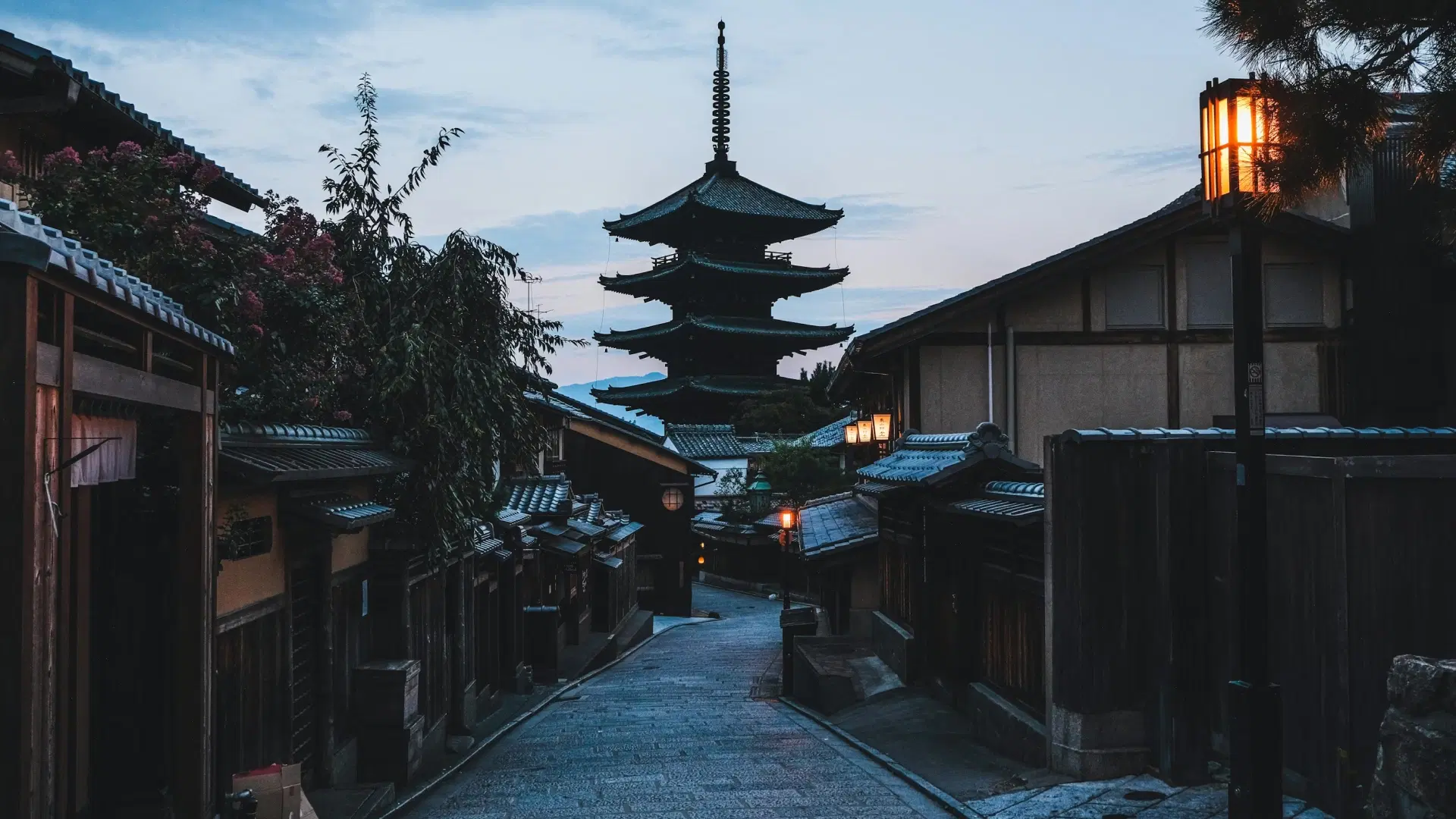
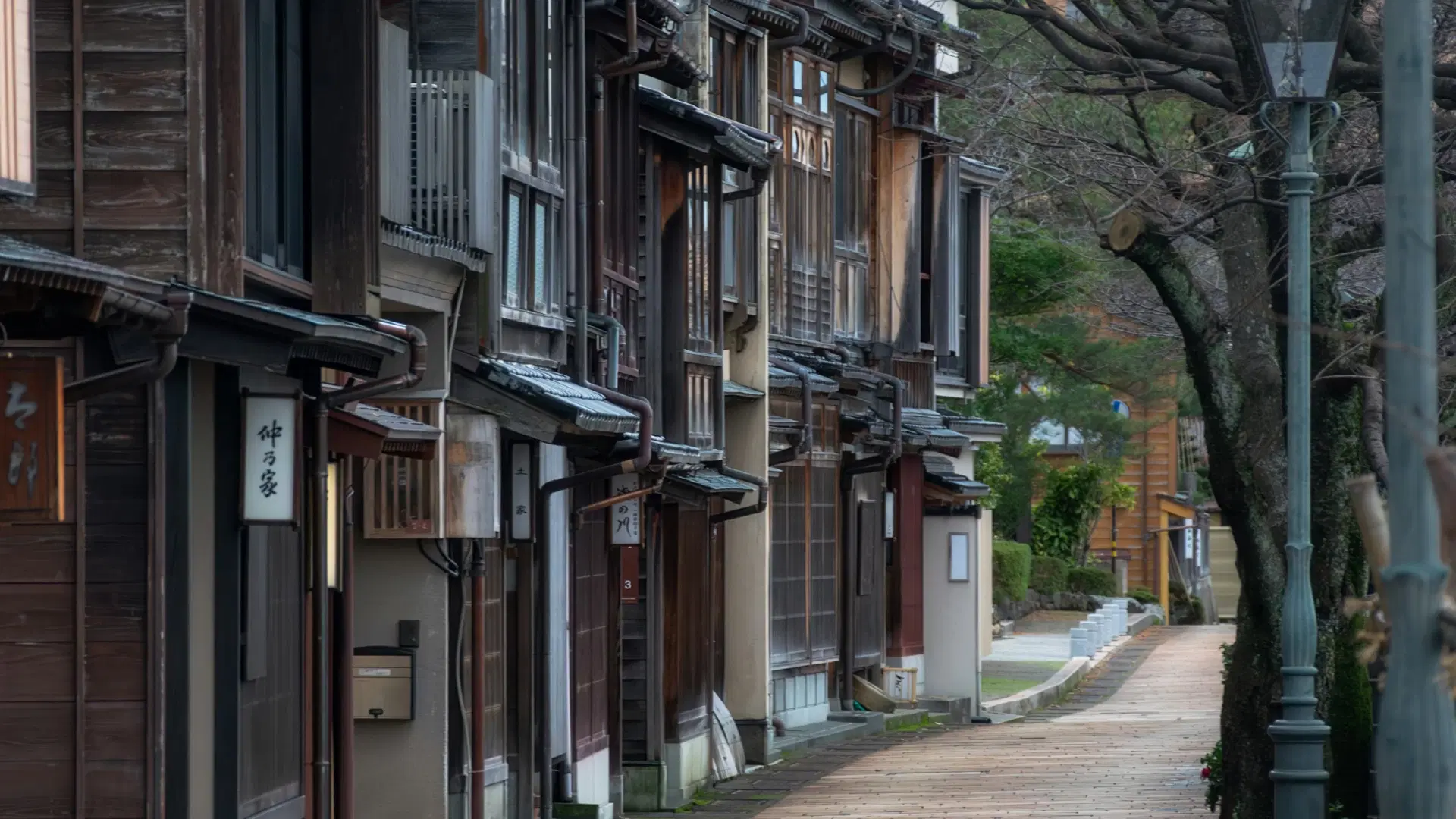
In Japanese garden design, the empty space between elements is as carefully considered as the elements themselves. This concept, called ma, gives the garden its sense of breathing room and contemplative quiet.
The garden viewed through the same window in April, August, November, and January is four different gardens: one of pink bloom and fresh green, one of deep shade and vivid verdure, one of fire and gold, and one of snow, stone, and the austere beauty of bare branch.
On seasonal change in the ryokan garden