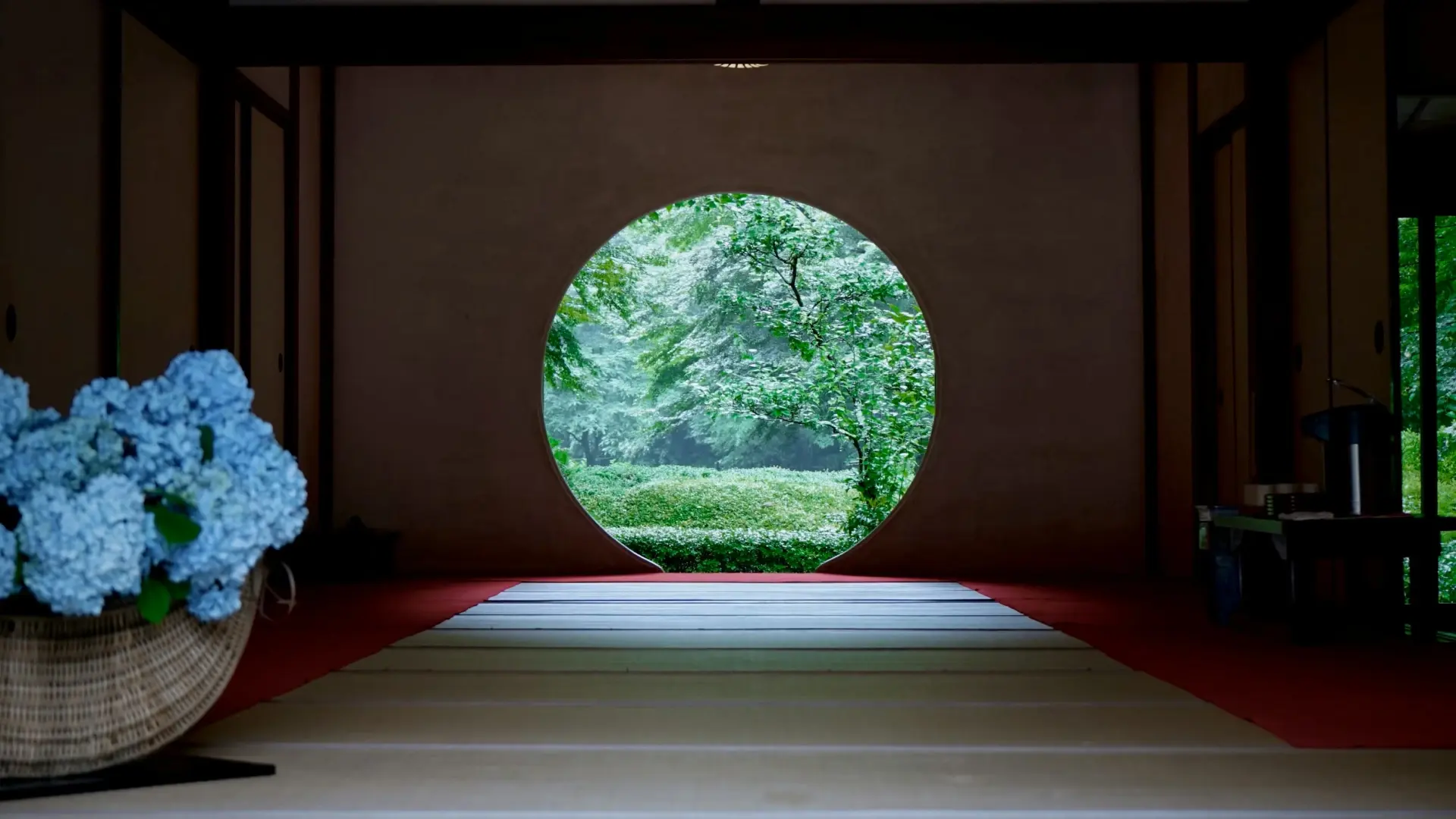
Zen and the Ryokan
How Zen Buddhism shaped the aesthetics, rituals, and silence of the Japanese inn
The connection between Zen Buddhism and the Japanese ryokan is not always immediately visible. There is no Buddha statue in the entrance hall, no meditation cushion in the guest room, no chanting from behind closed doors. Yet Zen pervades the ryokan so thoroughly that it has become, like the oxygen in the air, both essential and invisible.
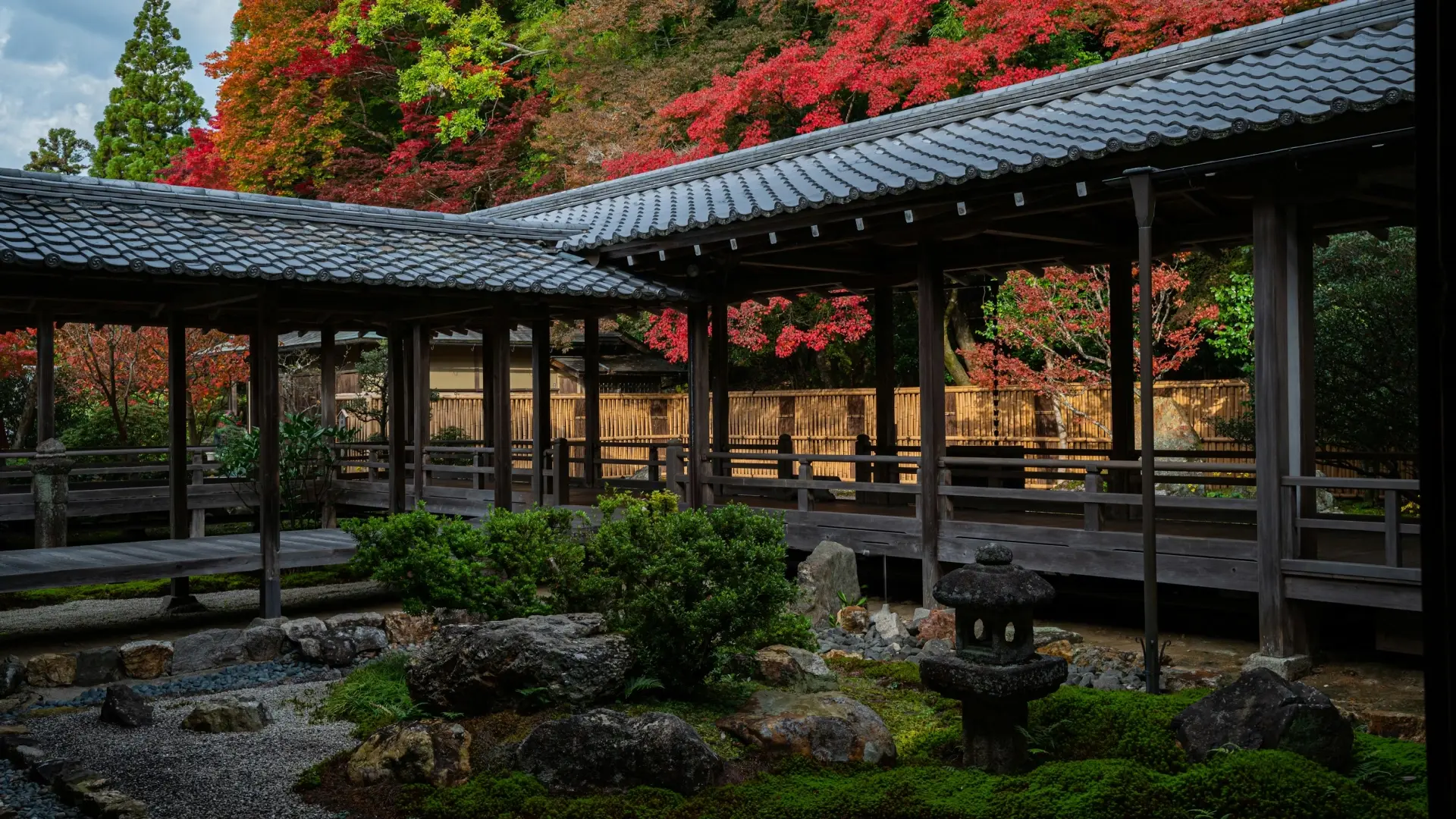
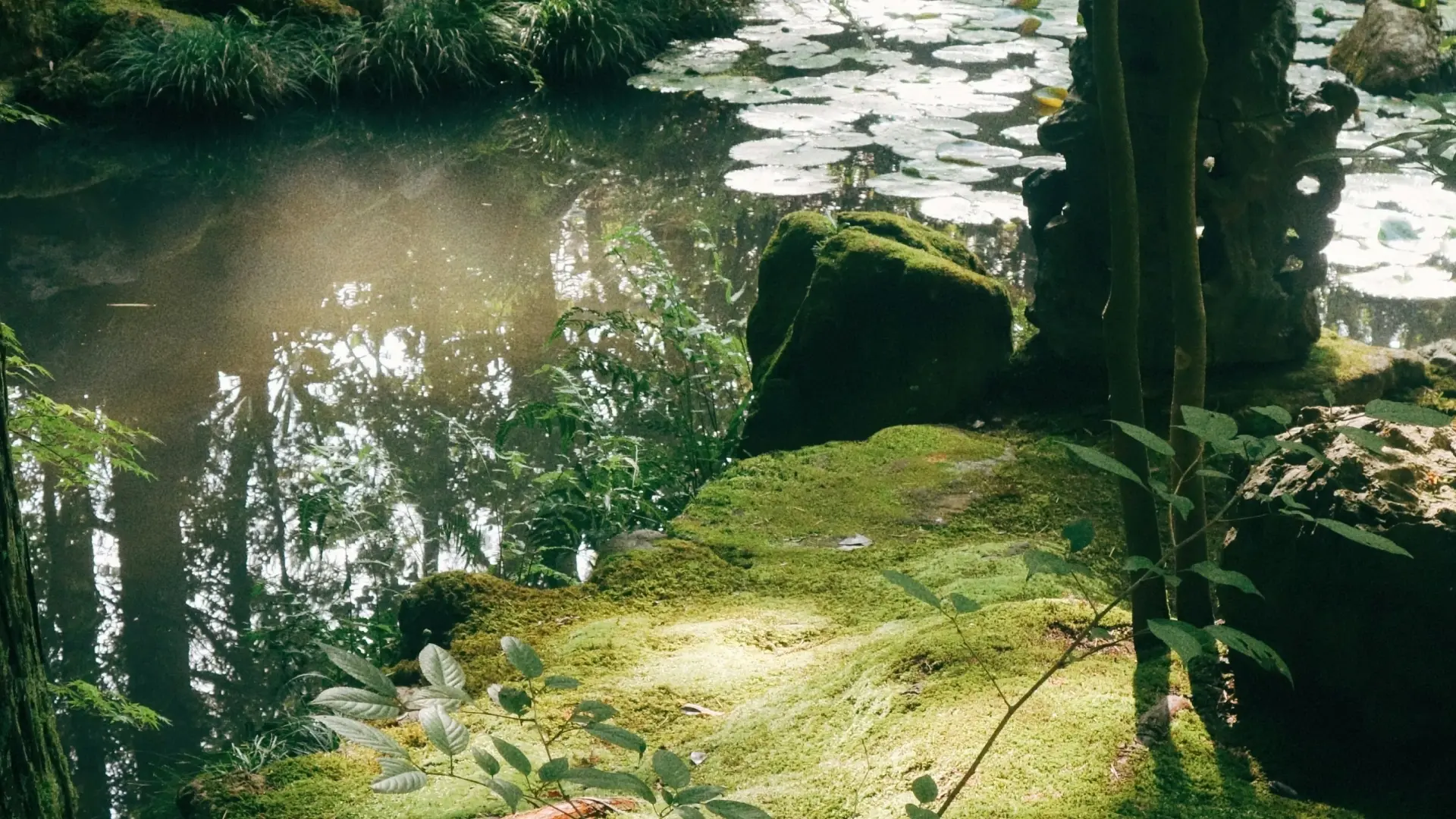
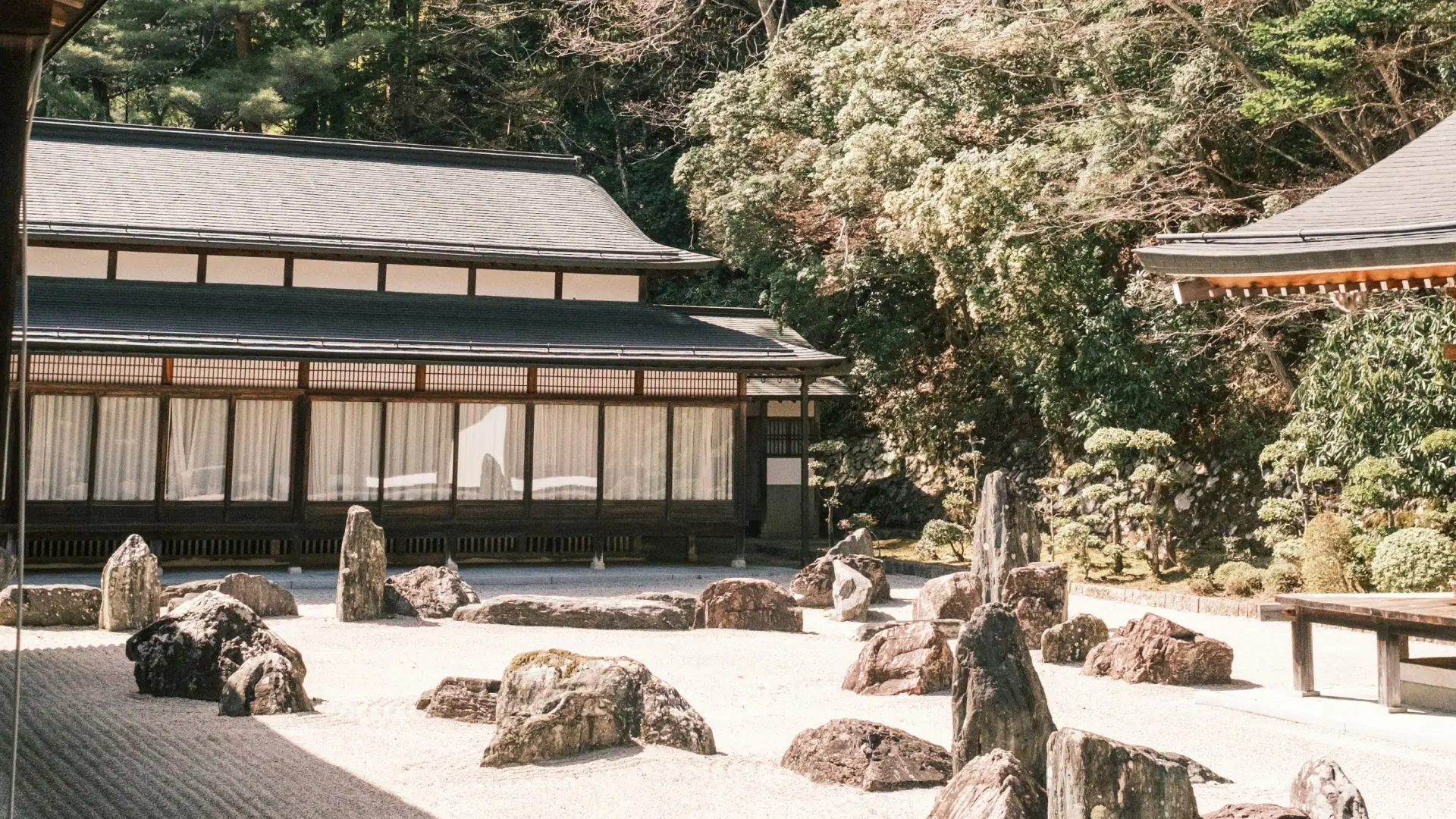
This pervading influence operates at every level: in the architecture that values empty space as much as occupied space, in the garden that uses stone and gravel to represent water and mountain, in the meal that treats the arrangement of food on a plate as an act of meditation, in the silence that is not the absence of sound but the presence of attention.
The Zen Arrival
Zen Buddhism arrived in Japan from China during the 12th and 13th centuries. The two main schools, Rinzai (brought by Eisai in 1191) and Soto (brought by Dogen in 1227), shared a core commitment to simplicity, discipline, and the discovery of truth through direct encounter rather than intellectual analysis.
Under samurai patronage, Zen monasteries became centers of culture, and the arts that developed within them, ink painting, calligraphy, garden design, the tea ceremony, spread outward into Japanese society. The aesthetic principles that these arts shared became the defining characteristics of Japanese taste, and they remain so today.
Zen Buddhism was transmitted from China to Japan in the 12th and 13th centuries, primarily through the monks Eisai (Rinzai school) and Dogen (Soto school). Its influence on Japanese arts and architecture was transformative, reshaping everything from garden design to the tea ceremony.
Emptiness as Fullness
The Zen concept that most directly shapes the ryokan is ku, often translated as emptiness or void but more accurately understood as the absence of fixed, independent essence. In Zen, emptiness is not nothingness. It is the condition of possibility, the open space in which anything can arise.
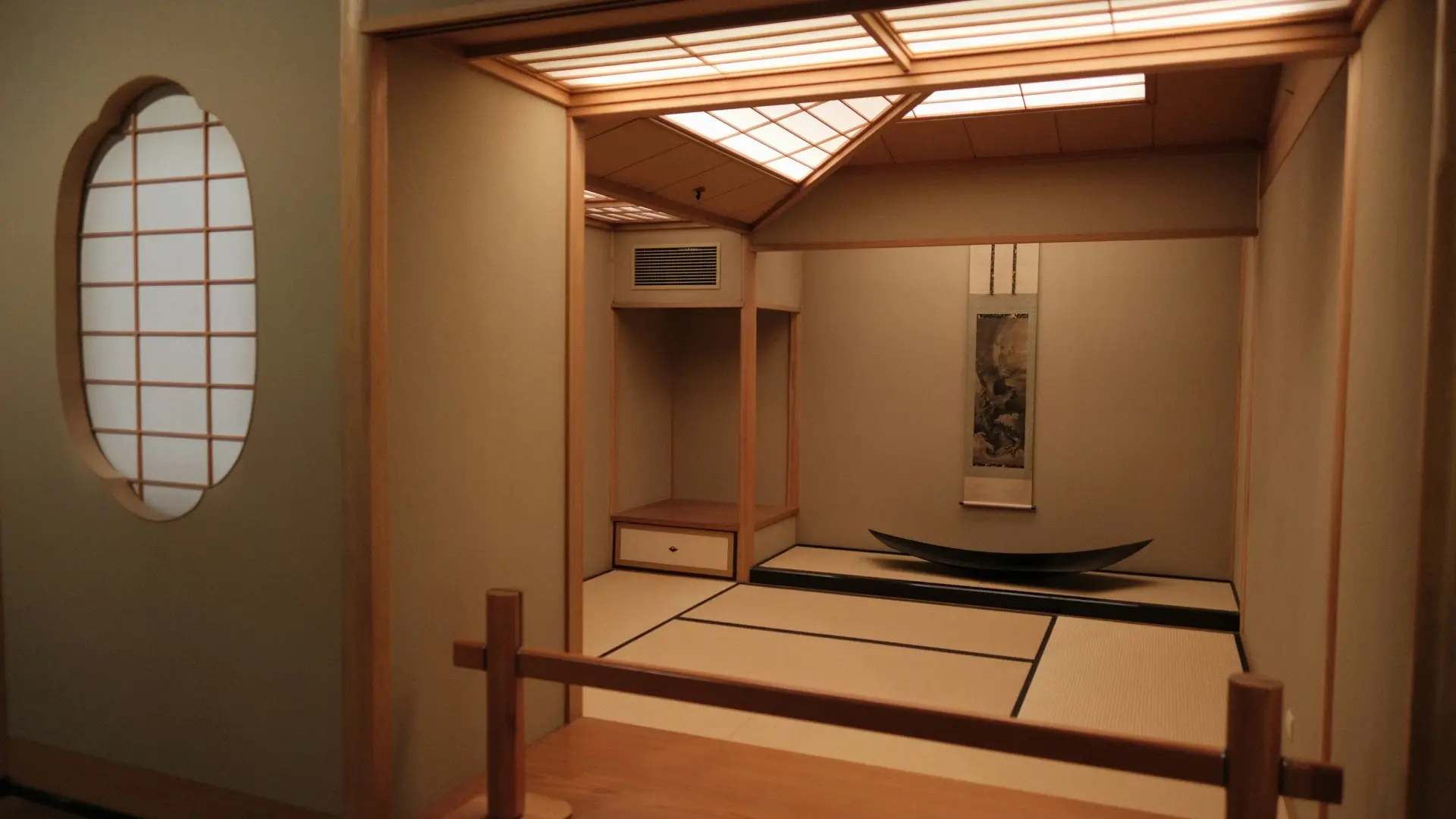
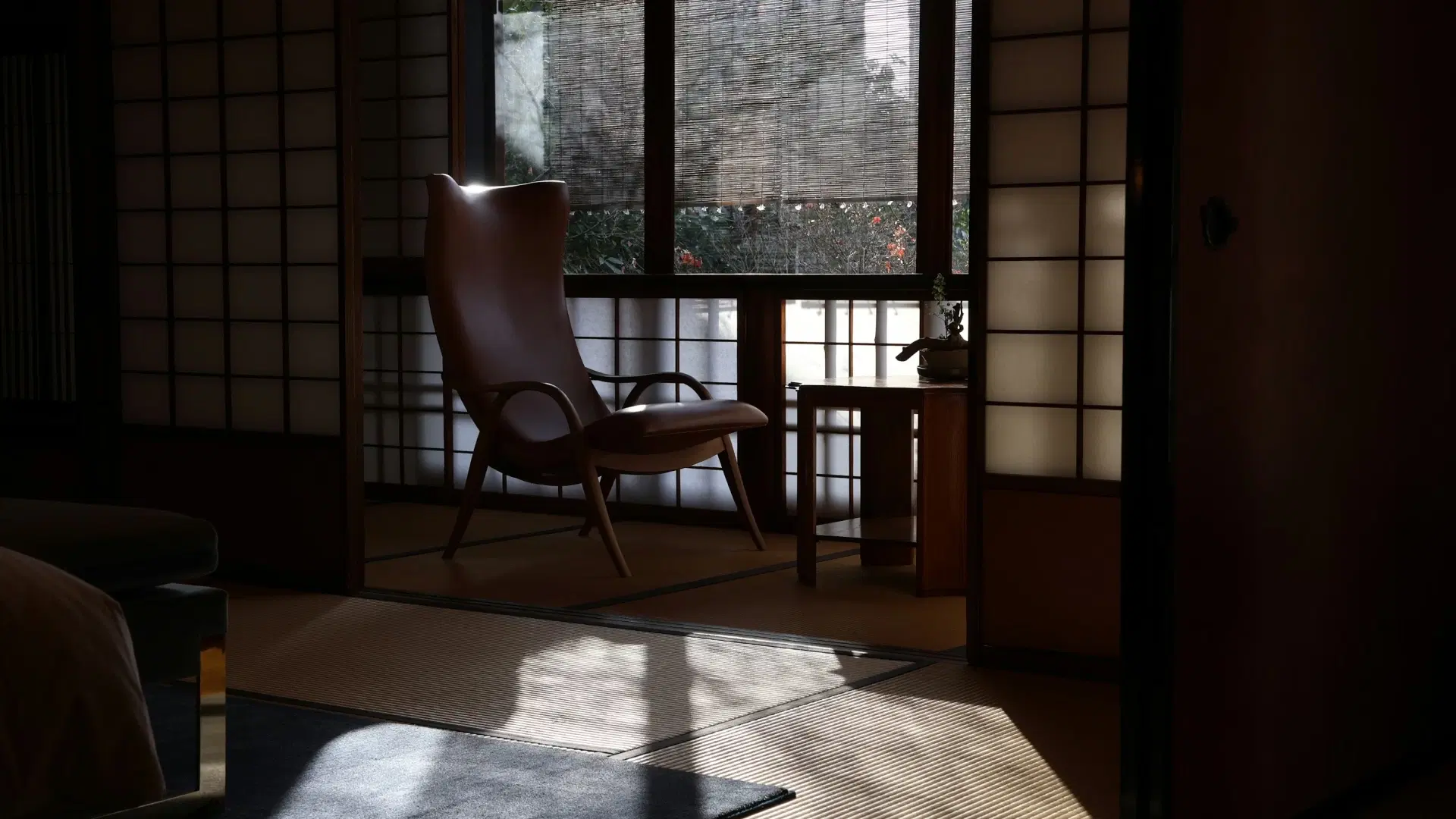
The tatami room of a ryokan is a physical expression of this teaching. The room contains almost nothing, and this emptiness is not a design limitation. It is a positive quality, a deliberate creation of space in which the guest's experience can take its own shape.
The ryokan does not teach you anything. It simply removes the obstacles that prevent you from experiencing what has always been available: the taste of this tea, the warmth of this water, the beauty of this garden, the kindness of this welcome.
On the Zen-ryokan connection
Mindfulness and Ritual
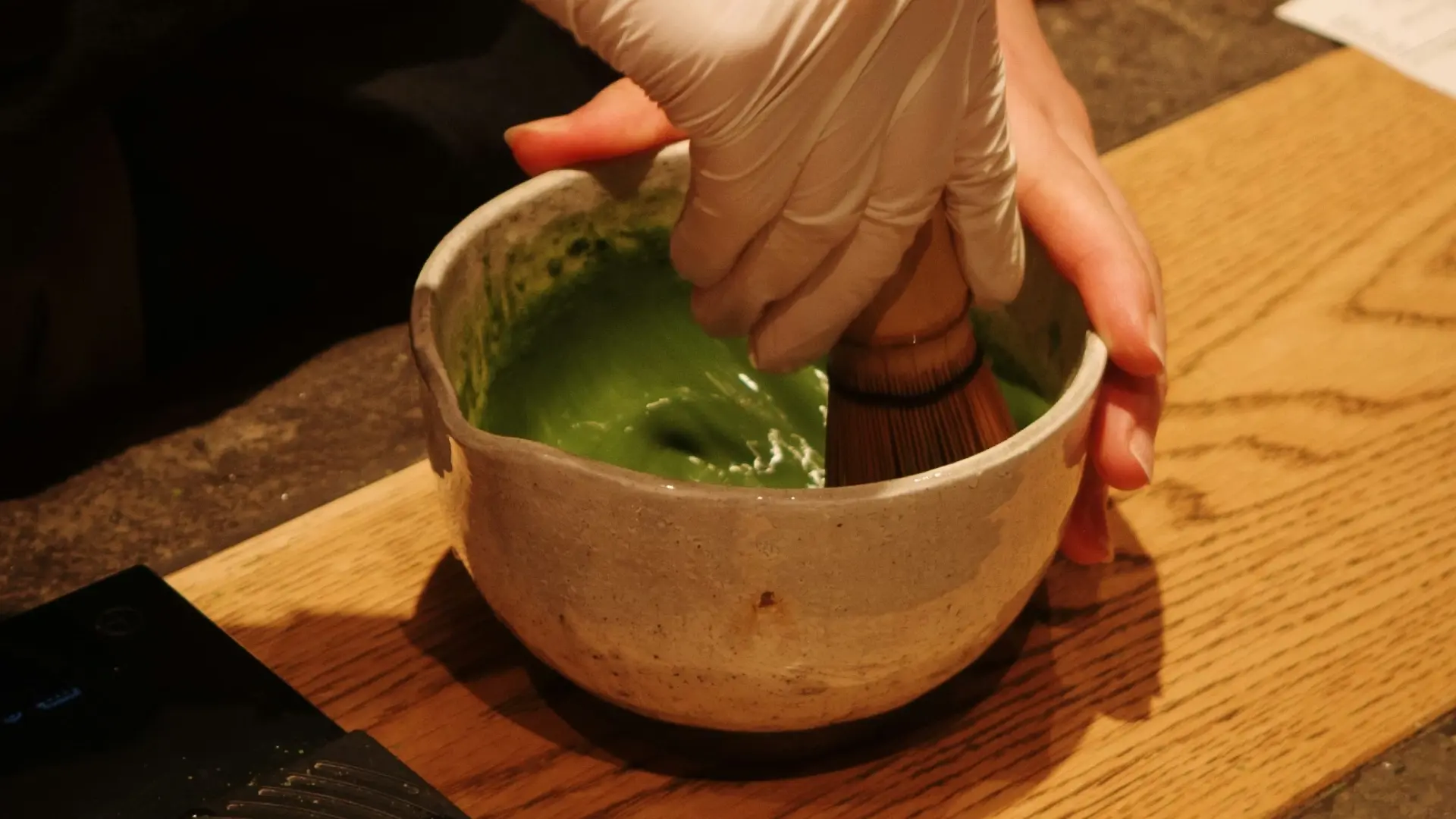
The ryokan translates monastic mindfulness into the language of hospitality. The rituals that structure the ryokan experience, the arrival tea, the changing of clothes into yukata, the bathing sequence, the kaiseki dinner, are not mere procedures. They are invitations to mindfulness, opportunities for the guest to bring attention to actions that might otherwise pass unnoticed.
Silence as Practice
The quiet of a Japanese ryokan is directly indebted to Zen's understanding of silence. In Zen, silence is not passive. It is active, a state of alert receptivity in which the mind is fully present and fully available. The ryokan creates conditions in which silence becomes natural and appealing.

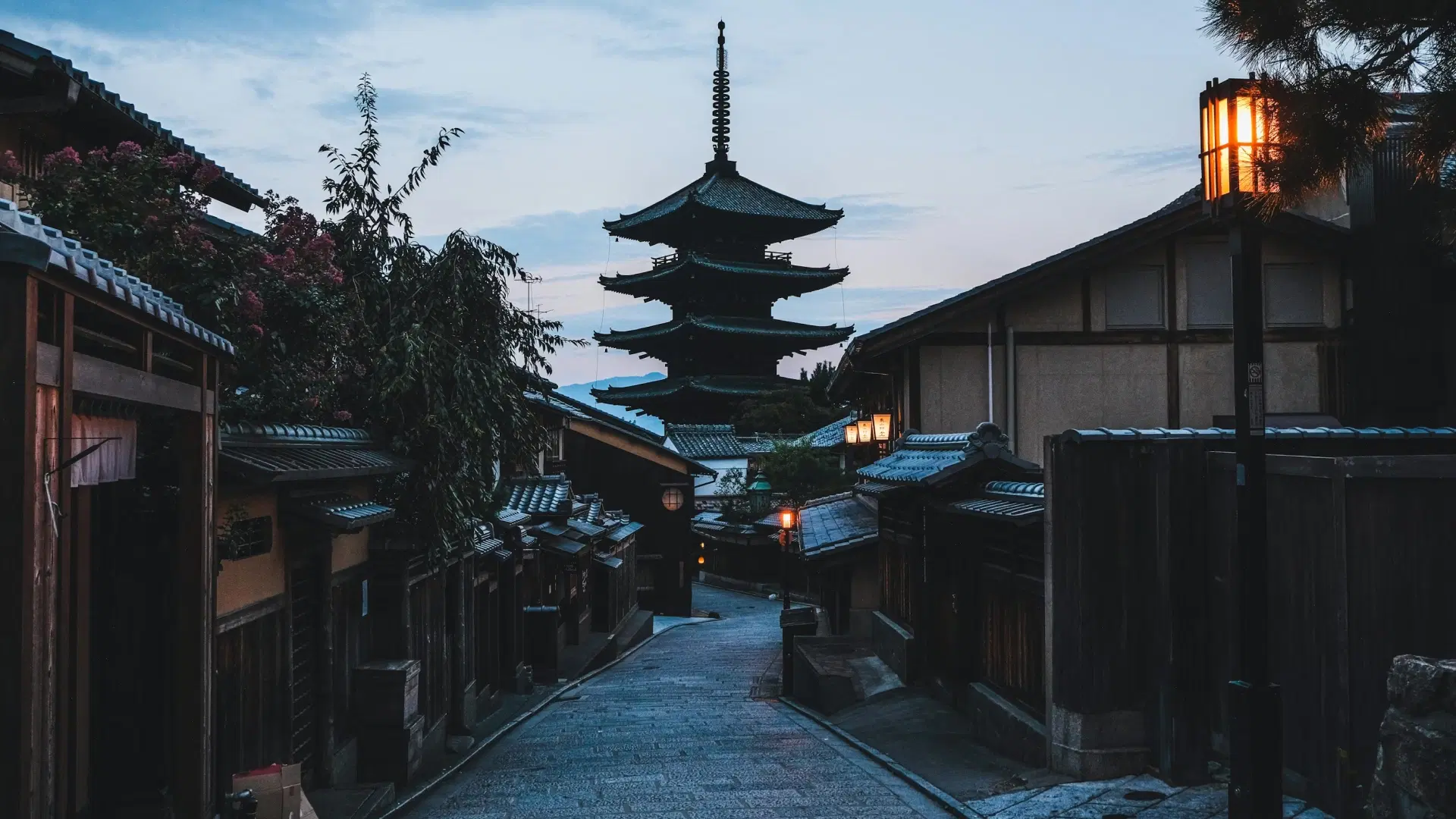
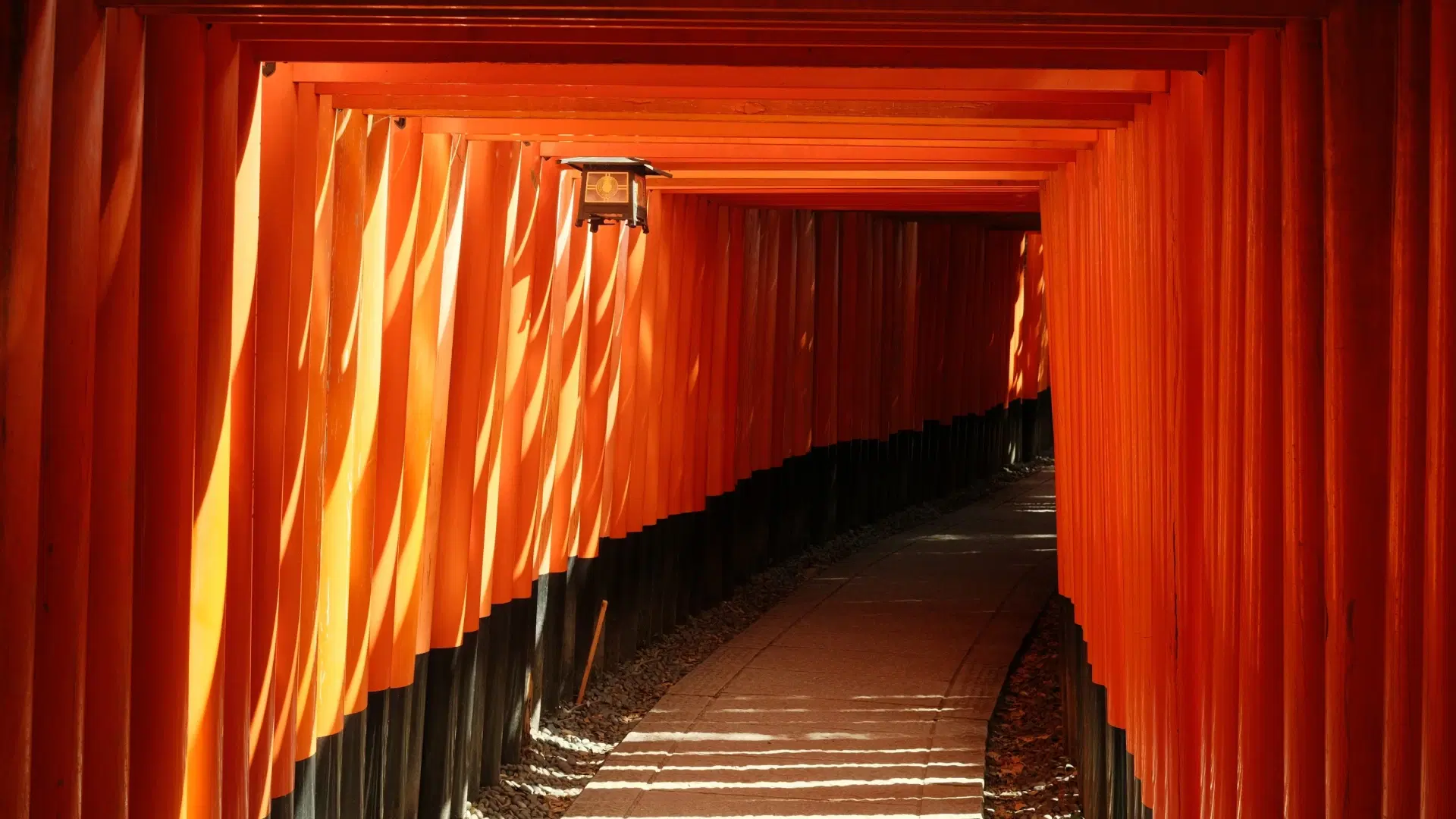


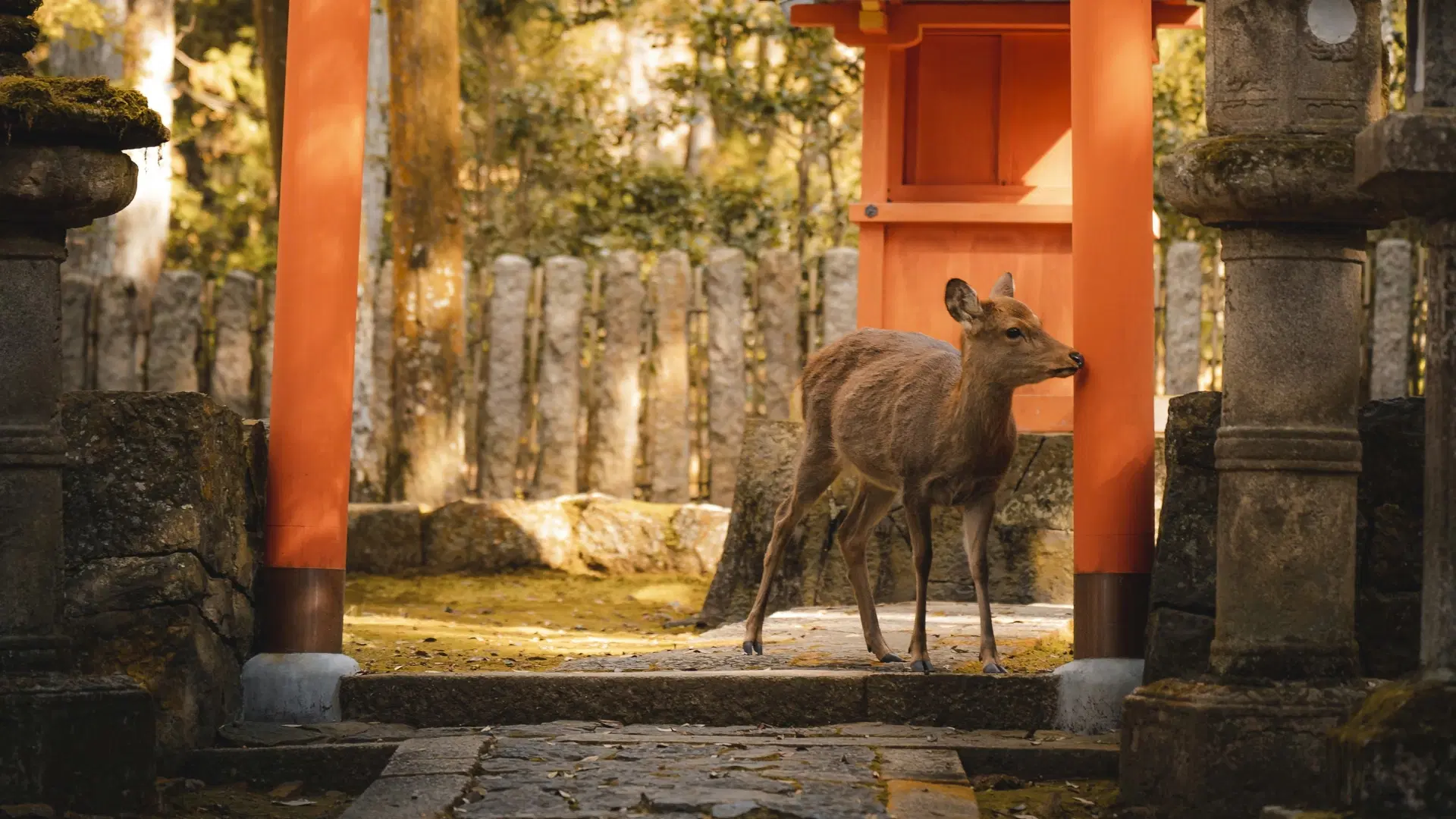
In Zen practice, silence is not the absence of sound but the presence of awareness. The ryokan's quiet, punctuated by the sounds of water, wind, and distant temple bells, cultivates this quality of attentive stillness.