Omotenashi: The Heart of Japanese Hospitality
The philosophy of selfless care that transforms a ryokan stay from accommodation into art.
There is a small ryokan in the mountains of Gifu Prefecture where the okami, the female proprietor, keeps a handwritten notebook in her desk drawer. In it, she records the preferences of every guest who has ever stayed: the one who mentioned a fondness for yuzu, the couple celebrating a wedding anniversary, the solo traveler who arrived in a rainstorm and seemed, beneath her composure, to be carrying something heavy. When these guests return, sometimes years later, they find their preferences remembered.
This is omotenashi. Not a word that yields easily to translation, and not a concept that can be reduced to a service manual. It is the invisible architecture of care that distinguishes the great Japanese ryokan from every other form of hospitality on earth.
Beyond Translation
The word omotenashi entered the global lexicon in 2013, when Christel Takigawa used it in Tokyo's Olympic bid presentation. It was translated, inevitably, as "hospitality." The translation is not wrong, but it is catastrophically incomplete.
Western hospitality, at its best, is responsive. Omotenashi operates on a different axis. It is not about responding to the guest's expressed desires but about sensing desires the guest has not yet recognized. It is not about grand gestures but about the accumulation of small, invisible ones.
Consider the etymology. One reading breaks the word into omote (surface) and nashi (nothing): service with no facade, no boundary between the host's inner intention and outer expression.
Omotenashi is not what the host does. It is what the host is.
The Invisible Architecture of Care
At a well-run ryokan, omotenashi manifests in ways the guest may never consciously notice. This is by design. The highest form of care, in the Japanese understanding, is the care that leaves no trace of effort.
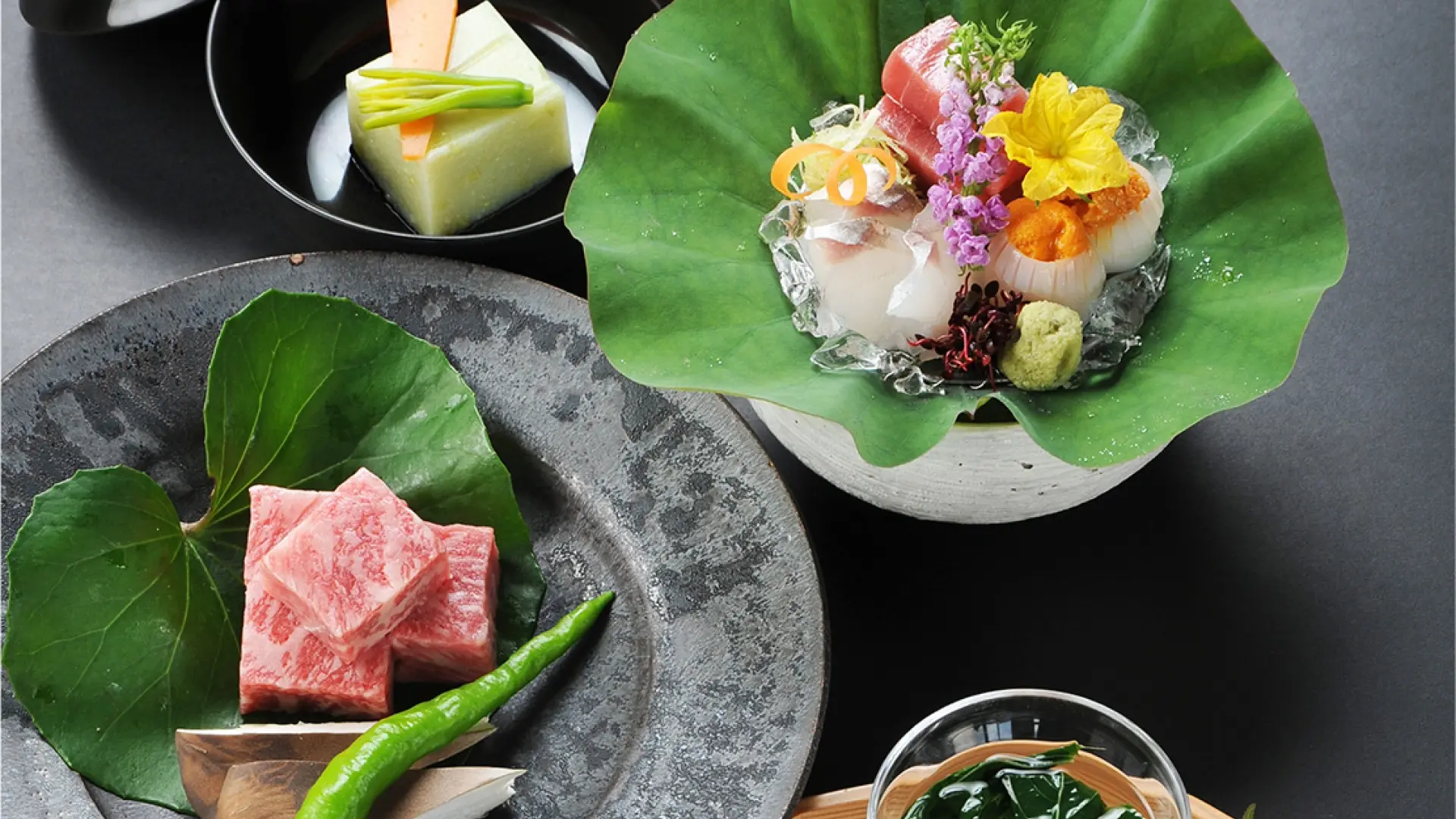
You arrive at the ryokan and find your room already warmed to precisely the right temperature. Your slippers are aligned in the direction you will walk. At dinner, the courses arrive at intervals that perfectly match your eating pace. The nakai-san who serves you is reading your rhythm: the speed at which you set down your chopsticks, the moment you take your last sip of sake.
The Okami
At the center of the ryokan's universe stands the okami, the female proprietor whose role has no real equivalent in Western hospitality. She is not a general manager, though she manages everything. She is not a concierge, though she knows every detail of her guests' needs. She is, in the most literal sense, the soul of the house.
The okami tradition is one of Japan's most demanding vocations. Many begin their training in childhood, apprenticing under their mothers or mothers-in-law, learning the thousand small arts that constitute the running of a ryokan.
A Philosophy, Not a Protocol
It would be a mistake to understand omotenashi as a set of rules or a checklist of behaviors. It is a philosophy, rooted in Buddhist and Zen principles, that views the encounter between host and guest as a unique, unrepeatable event worthy of total commitment.
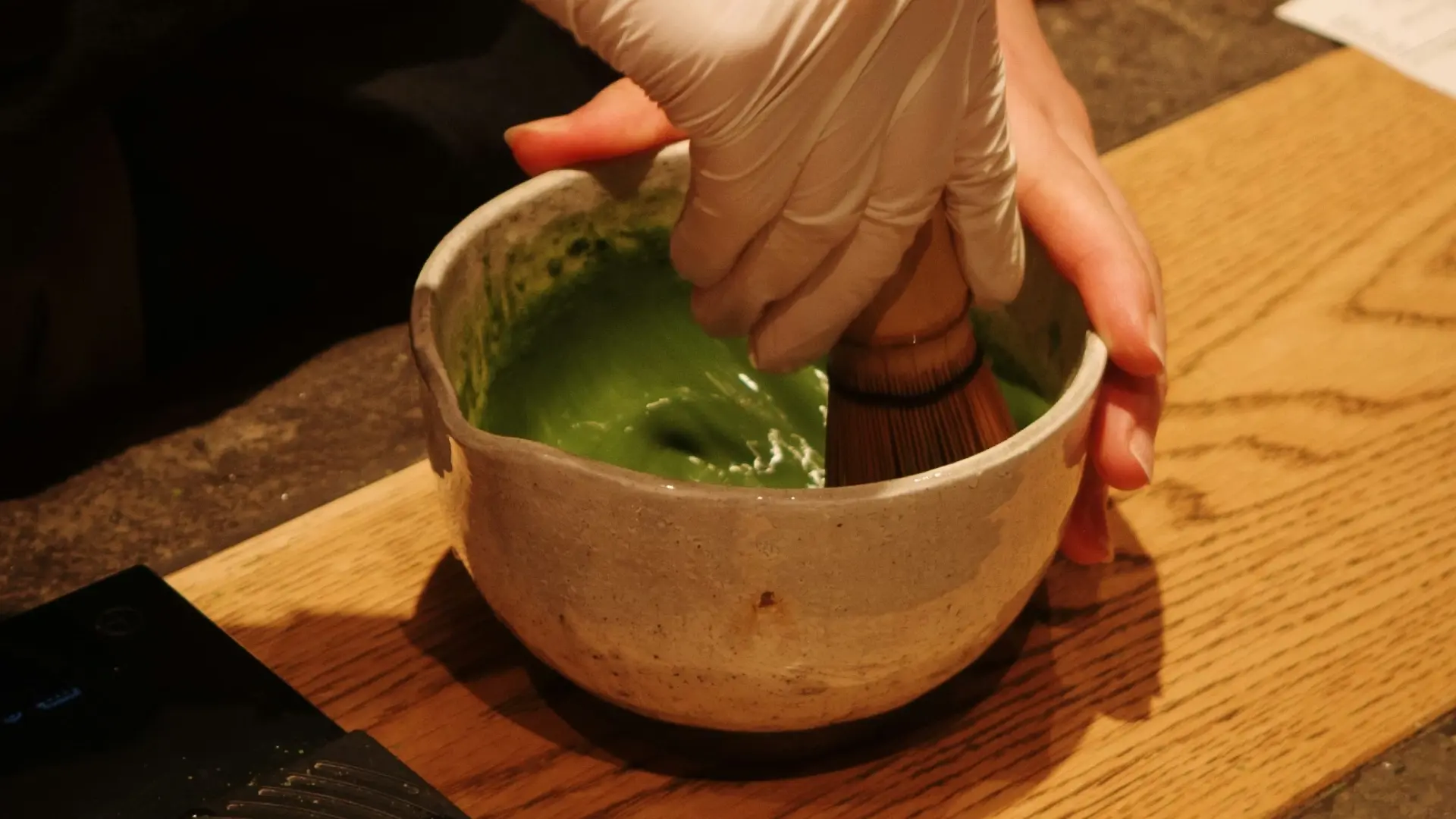
The tea ceremony concept of ichigo ichie, "one time, one meeting," is central to this understanding. Each guest's visit is singular. It will never occur again in exactly this form. The host's responsibility is to honor this singularity by bringing their fullest attention and care to the encounter.
The phrase ichigo ichie, meaning "one time, one meeting," originates from the sixteenth-century tea master Sen no Rikyu. It reminds both host and guest that each encounter is unique and unrepeatable, deserving of total presence and commitment.
Experiencing Omotenashi
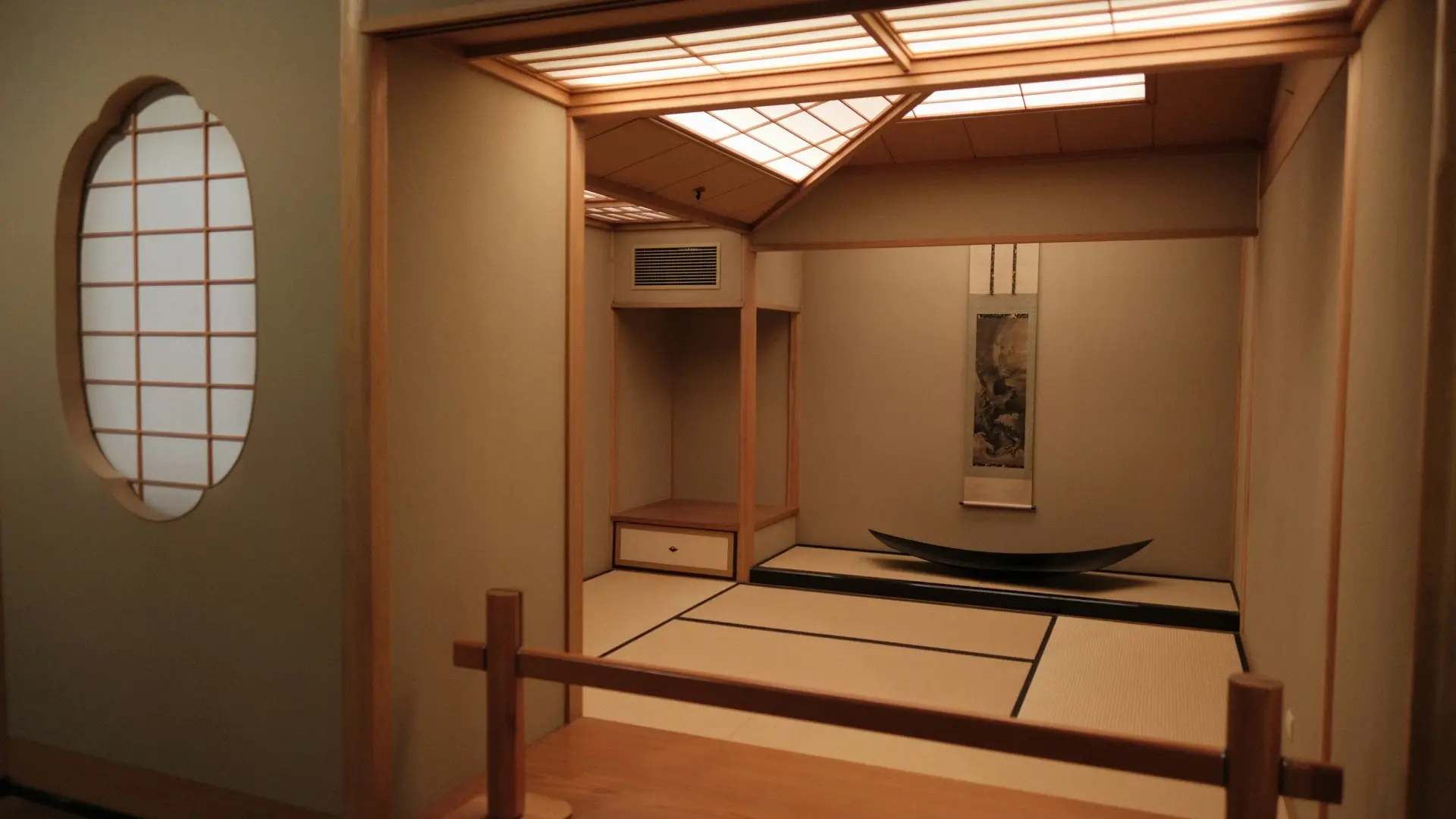
For the first-time ryokan guest, the experience of omotenashi can be disorienting. The most meaningful reciprocation is presence. Be attentive to the details of your stay: notice the seasonal scroll in the tokonoma, taste the local ingredients in your kaiseki, feel the temperature of the bath water.
There is a final element of omotenashi that is rarely discussed but deeply felt: the sadness of departure. In the ryokan tradition, the host accompanies the guest to the entrance and watches until the guest is out of sight. This ritual, the miokuri, is an acknowledgment that something real has occurred between host and guest.
The depth of a ryokan's hospitality is measured not by what you are given but by what you never had to ask for.