Wabi-Sabi: Finding Beauty in Imperfection
The aesthetic philosophy at the heart of the ryokan tradition
Wabi and sabi are, strictly speaking, two separate concepts that history and common usage have fused into a single compound. Understanding them individually illuminates the compound.
Wabi originally carried negative connotations, suggesting loneliness, desolation, and the sadness of living in reduced circumstances. Over centuries, particularly through the influence of the tea ceremony, the word underwent a remarkable revaluation. Wabi came to describe the beauty found in simplicity, austerity, and the deliberate rejection of excess.
Sabi, related to the verb sabiru (to rust or to grow old), refers to the beauty that emerges through the passage of time. Together, wabi-sabi describes an aesthetic worldview in which beauty is found not in perfection, permanence, and completeness but in imperfection, impermanence, and incompleteness.
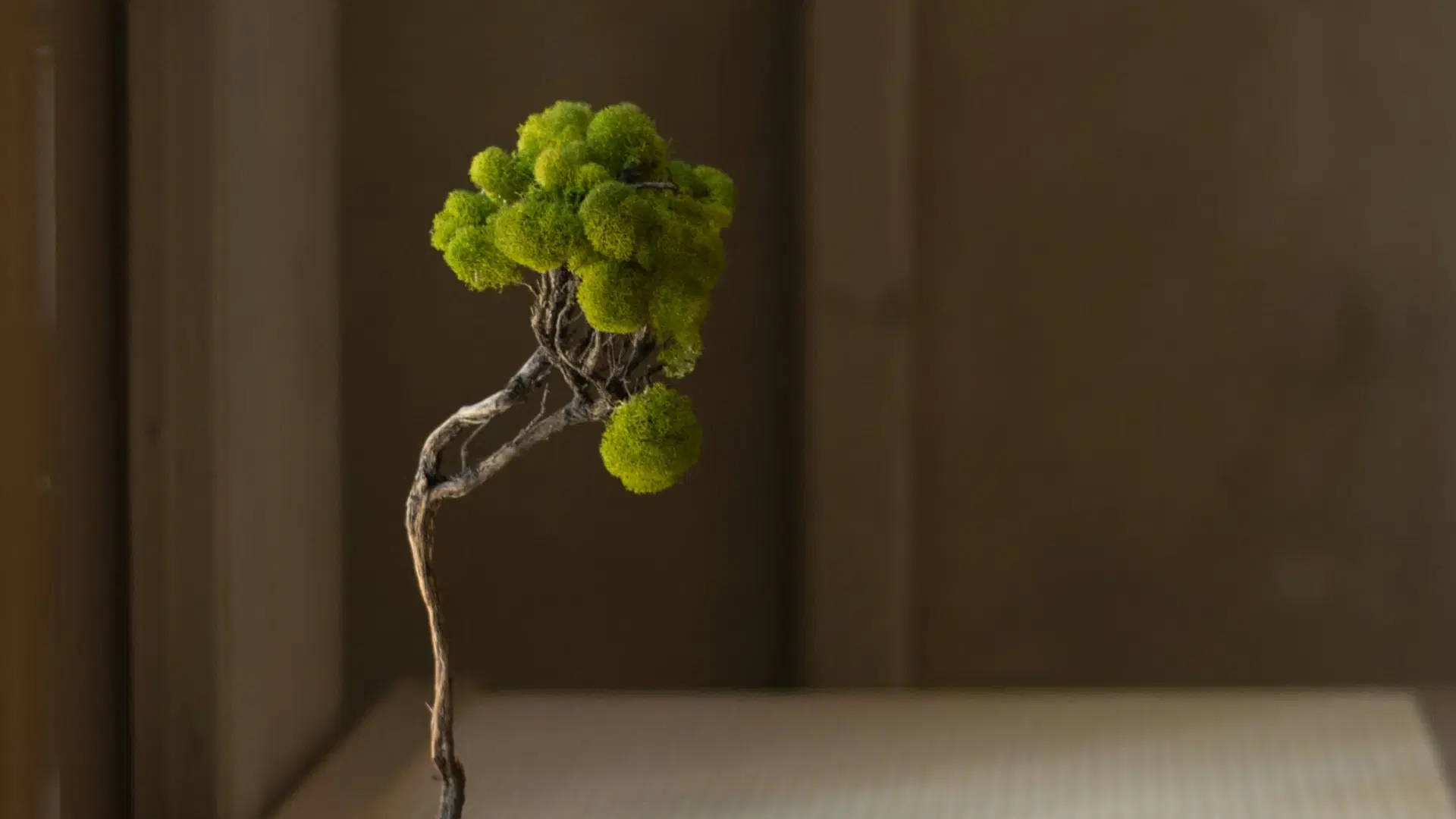
The Buddhist Roots
Wabi-sabi did not emerge from a vacuum. Its philosophical underpinning is Buddhist, specifically the concept of mujo, impermanence, which is the first of the Three Marks of Existence in Buddhist teaching. All phenomena are impermanent. All things arise, exist for a time, and pass away. This is not a lament; it is a description of reality.
The tea master Sen no Rikyu, more than any other figure, translated this Buddhist teaching into aesthetic practice. He proposed that the most moving beauty is the beauty that acknowledges its own impermanence, that carries within it the evidence of the forces that have shaped it.
A perfect object is finished, complete, closed. An imperfect object is still in dialogue with the world, still being shaped by the processes that will eventually destroy it.
On the philosophy of wabi-sabi
Wabi-Sabi in the Ryokan: Materials
The materials of a traditional ryokan are a catalogue of wabi-sabi principles. Where a Western luxury hotel selects materials for their ability to resist time, a Japanese ryokan selects materials for their ability to record it.
Wood is the primary material. The cypress pillars in the main hall of a 300-year-old ryokan have darkened from honey to amber to deep brown, their surfaces developing a patina that no treatment can replicate. Paper is the second defining material: the shoji screens are made of washi, handmade paper that tears, stains, and yellows with age, replaced annually in an expression of wabi-sabi itself.
Kintsugi: The Gold in the Crack
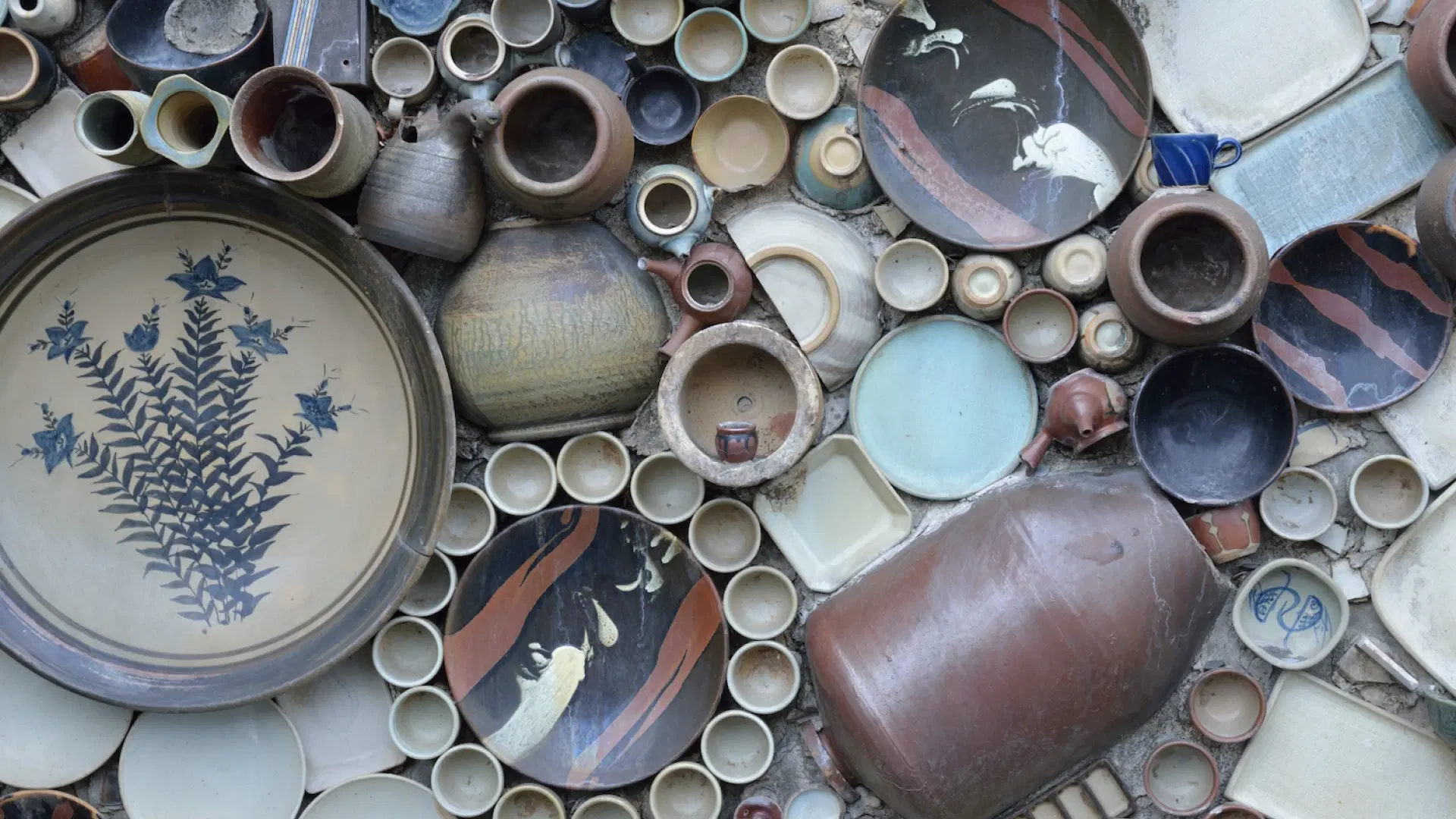
No discussion of wabi-sabi is complete without kintsugi, the art of repairing broken ceramics with lacquer mixed with powdered gold. The gold-filled crack does not hide the break. It illuminates it, turning the history of the object's life, including its moments of destruction, into a visible, beautiful record.
The philosophy is clear: the crack is not a flaw. It is a history. The gold is not a patch. It is a celebration. And the object that has been broken and repaired is not inferior to the object that was never broken. It is richer, more complex, more fully a participant in the passage of time.
The art of kintsugi repairs broken ceramics with lacquer mixed with gold powder, making the repair visible rather than hidden. Originating in the 15th century, the repaired object, with its seams of gold, is considered more beautiful than the original.
The Practice of Seeing
Wabi-sabi is not a style that can be purchased or applied. It is a practice of seeing, a cultivated sensitivity to the qualities in objects, spaces, and moments that reveal the nature of impermanence. The ryokan provides an ideal environment for developing this sensitivity, because the ryokan is, by design, a place of slowness and attention.
These moments of attention are cumulative. Over the course of a ryokan stay, if the guest allows it, they build into a different way of seeing, one that finds beauty not in the spectacular and the perfect but in the quiet and the real.
Buddhist philosophy identifies three characteristics of all phenomena: impermanence (mujo), suffering (ku), and non-self (muga). Wabi-sabi derives its aesthetic power from the first of these, finding beauty precisely in what will not last.