Bizen
備前Bizen is where earth becomes art. This small city in eastern Okayama Prefecture has been producing pottery for over a thousand years, making it home to one of Japan's Six Ancient Kilns and one of the oldest continuous ceramic traditions in the world. Bizen ware, known as Bizenyaki, is distinguished by its complete refusal of glaze. The pottery is fired unglazed in wood-burning kilns for periods of one to two weeks at temperatures exceeding twelve hundred degrees Celsius, and the resulting surfaces, marked by the ash deposits, flame patterns, and chemical reactions that occur during this prolonged firing, possess a beauty that is entirely the product of fire, time, and the particular character of the local clay.
The clay itself, drawn from rice paddies in the surrounding area, contains a high proportion of iron and organic matter that gives Bizen ware its characteristic warm, earth-toned palette. No two pieces are identical. The position of each vessel within the kiln, its proximity to the firebox, its relationship to the flow of flame and ash, and the unpredictable chemistry of the firing process produce surfaces that range from deep chocolate brown through russet and gray to patterns of natural ash glaze in greens and blues. This individuality is not a deficiency but the essential point: each piece of Bizen ware is a record of a specific firing, a specific position, a specific encounter between clay and flame that will never recur.
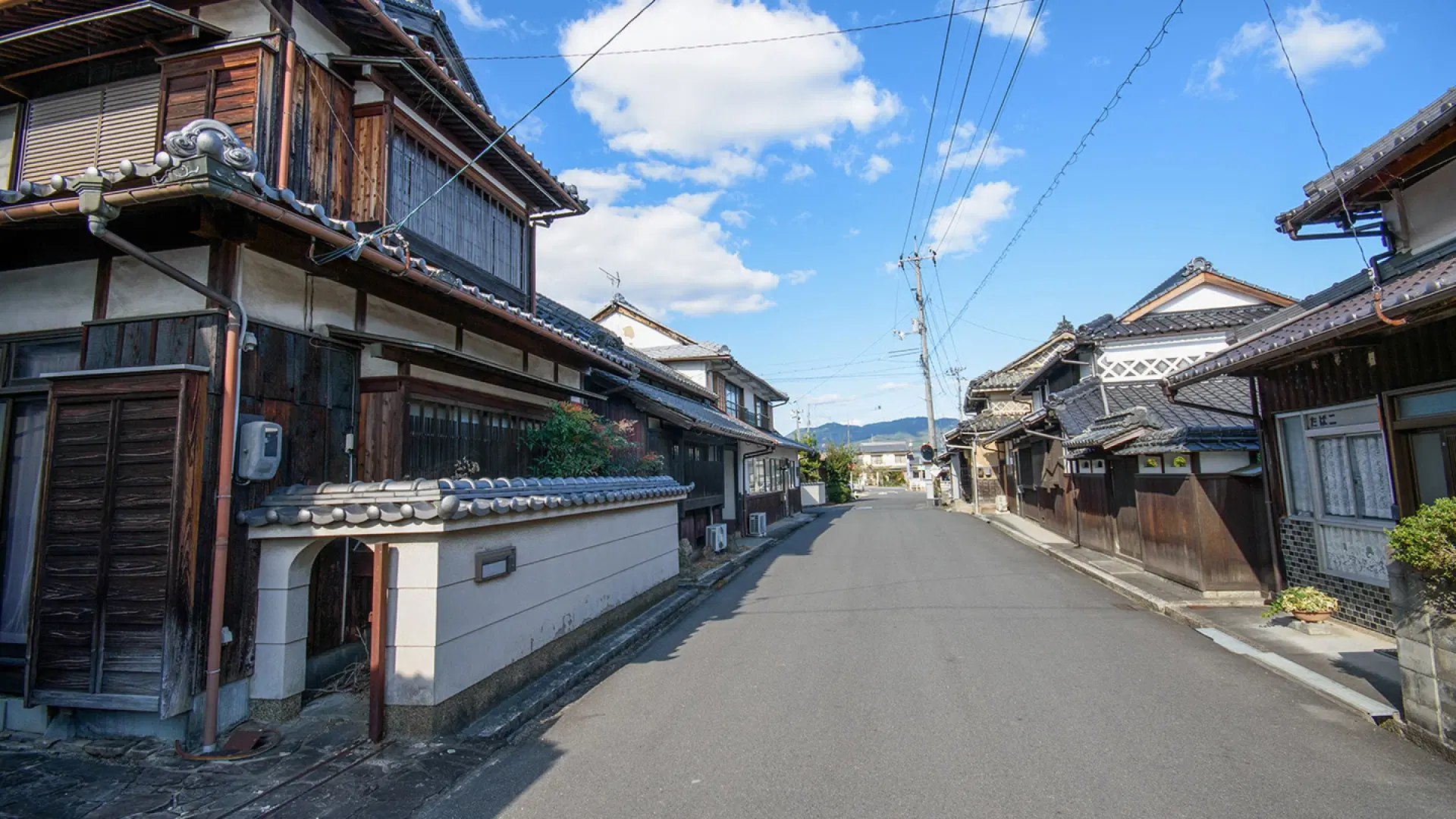
The town of Bizen, centered on the Imbe district where the kilns and workshops are concentrated, retains the atmosphere of a working ceramic community rather than a tourist attraction. Brick chimneys rise from the rooftops, the scent of wood smoke hangs in the air during firing seasons, and the conversations in the local shops and restaurants are as likely to concern kiln temperatures and clay preparation as any other subject. This authenticity, the sense of a living tradition rather than a preserved one, is Bizen's greatest distinction.
Highlights
The Bizen Pottery Museum, located near Imbe Station, provides the essential introduction to the tradition, its collection spanning the full chronological range from Heian-period sue ware through the Momoyama golden age to the work of contemporary masters. The museum's displays clarify the technical processes that produce Bizen ware's distinctive surface effects, from the hidasuki patterns created by wrapping straw around pieces before firing to the goma sesame-seed speckle produced by natural ash deposits, and the opportunity to see these effects across centuries of production reveals the remarkable consistency and the subtle evolution of the tradition.
The kiln district of Imbe is a landscape of creative industry unlike any other in Japan. The workshops of active potters line the streets, many open to visitors who wish to observe the processes of forming, drying, and preparing ware for the kiln. The climbing kilns, or noborigama, that define the skyline of the district are the engines of the tradition, their massive structures of brick and earth capable of maintaining the sustained high temperatures required for Bizen firing. Visiting during an active firing, when smoke pours from the chimneys and the potters maintain round-the-clock vigils to feed and monitor the flames, provides an experience of craft as physical labor and spiritual commitment that no museum can replicate.
The pottery trail that connects Imbe's workshops, galleries, and kilns provides a structured walk through the district's creative geography, and the many small galleries that display and sell the work of established and emerging potters offer the opportunity to acquire pieces directly from their makers. The conversation between potter and buyer, in which the story of each piece's firing and the characteristics that distinguish it are shared, is itself a cultural experience that enriches the act of acquisition with meaning and memory.
Culinary Scene
Bizen's culinary pleasures are those of rural Okayama: honest, seasonal, and shaped by the agricultural landscape of the eastern prefecture. The rice grown in the paddies whose clay also supplies the kilns appears on every table, and the local vegetables, cultivated in the mineral-rich soil of the Yoshii River valley, have a depth of flavor that reflects the terroir. Wild boar, a winter delicacy in the mountainous interior, appears in nabe and grilled preparations whose robust flavors pair naturally with the hearty local sake.
The connection between food and pottery is particularly direct in Bizen. Many restaurants in the Imbe district serve their dishes on Bizen ware, and the experience of eating from pottery whose character is the product of a thousand-year tradition adds a dimension of aesthetic and historical depth to even simple meals. The warmth of the unglazed surface, the weight of the clay in the hand, and the way the pottery's earth tones complement the colors of seasonal food create a unity of vessel and content that embodies the Japanese concept of utsuwa, the understanding that the container is inseparable from what it contains.
Local sake from the Okayama region, served in Bizen guinomi cups, completes the circuit from earth to table. The cups' unglazed surfaces are said to soften the flavor of sake, the microscopic texture of the fired clay aerating the liquid as it is sipped, and whether this effect is physical fact or aesthetic suggestion, the experience of drinking from a vessel that has emerged from twelve hundred degrees of fire does indeed seem to change the character of the drink.
Ryokans in Okayama
There are no ryokans in our guide listed in Bizen. See our selection across Okayama.
View ryokans in Okayama