Okayama
岡山県Okayama has earned its epithet honestly. Known as the "Land of Sunshine" for its remarkably mild climate and low rainfall, this prefecture along the Seto Inland Sea enjoys more clear days per year than almost anywhere else in Japan. That light shapes everything here: the meticulous gardens, the glazed surfaces of Bizen pottery, the translucent flesh of white peaches held up to the sun at roadside stands each July. Okayama is a place where beauty is cultivated with patience and presented without apology.
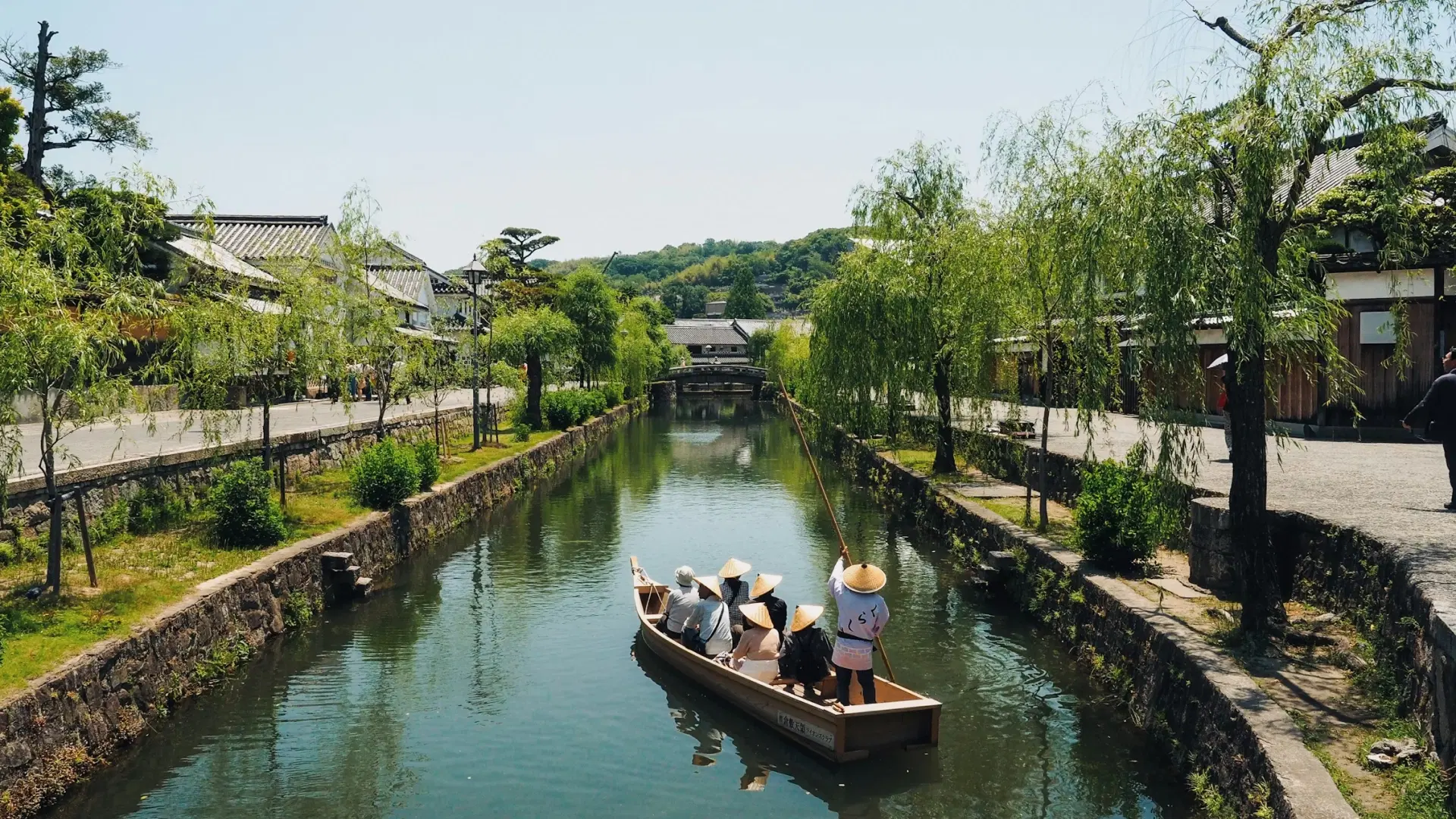
Kurashiki, the prefecture's cultural jewel, preserves an Edo-era canal district of white-walled storehouses and weeping willows that has transitioned gracefully from commerce to art. The Ohara Museum of Art, Japan's first museum of Western art, sits among these former rice granaries, its collection of El Grecos and Monets startling in their context. Nearby, Korakuen Garden, ranked among Japan's three finest, unfolds across fourteen hectares of lawns, groves, and waterways, designed in 1700 by the Ikeda lord to offer a different composition from every angle.
Okayama's position as a crossroads between Honshu and Shikoku, connected by the Great Seto Bridge, has made it a natural meeting point of influences. Bizen pottery, fired without glaze in wood-burning kilns for over a thousand years, embodies the prefecture's aesthetic: austere, warm, and shaped by time rather than decoration.
Cultural Identity
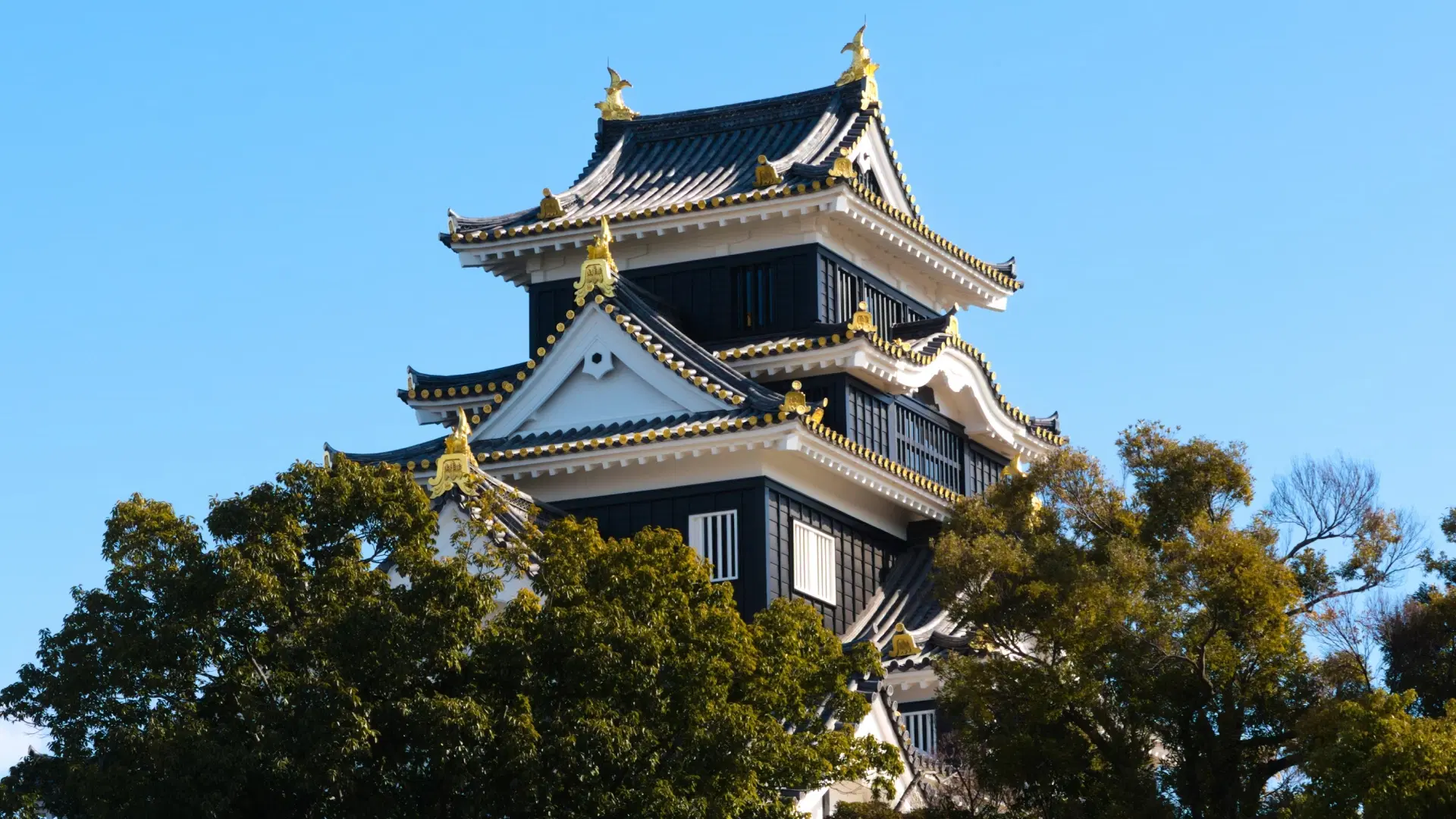
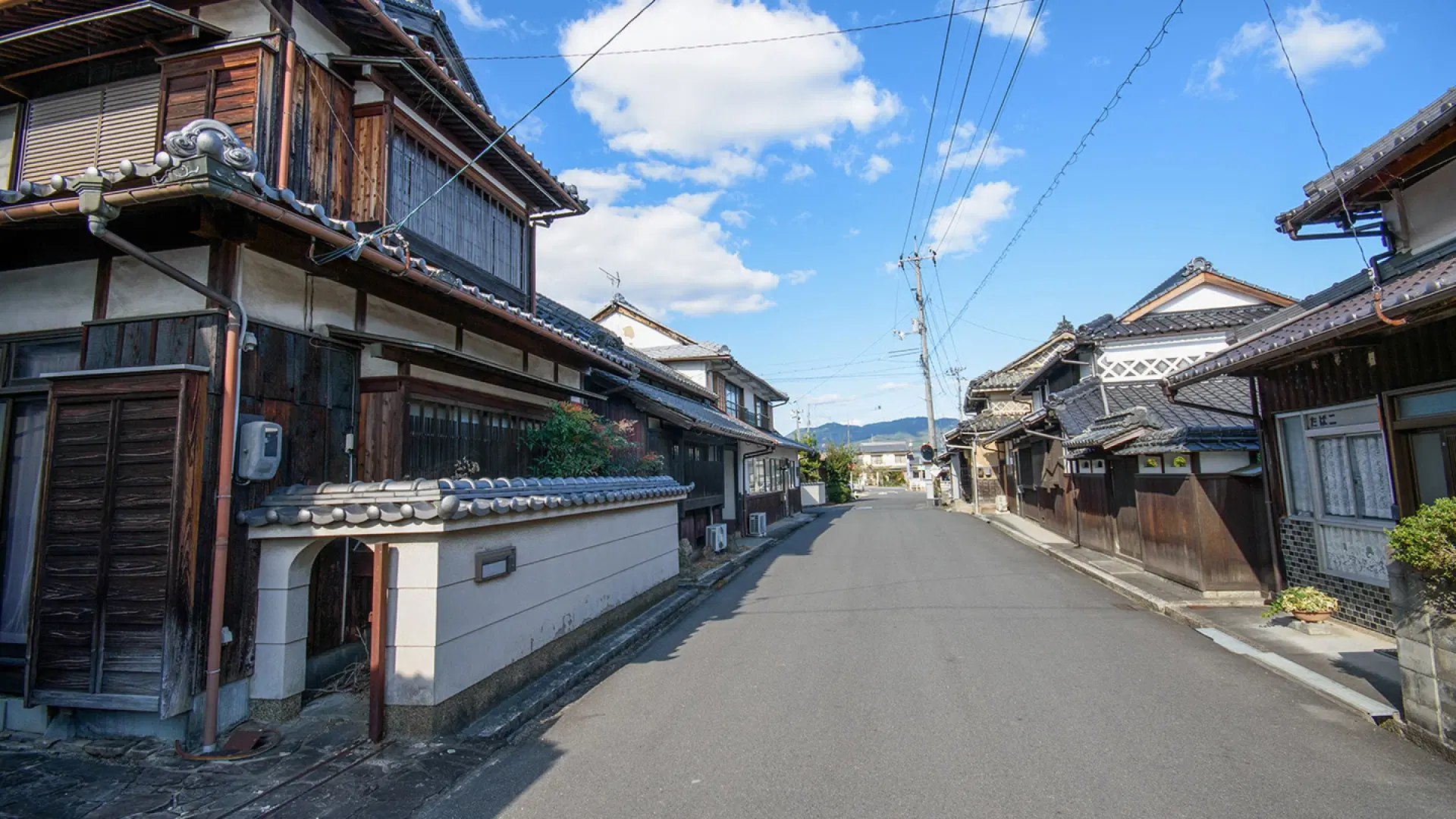
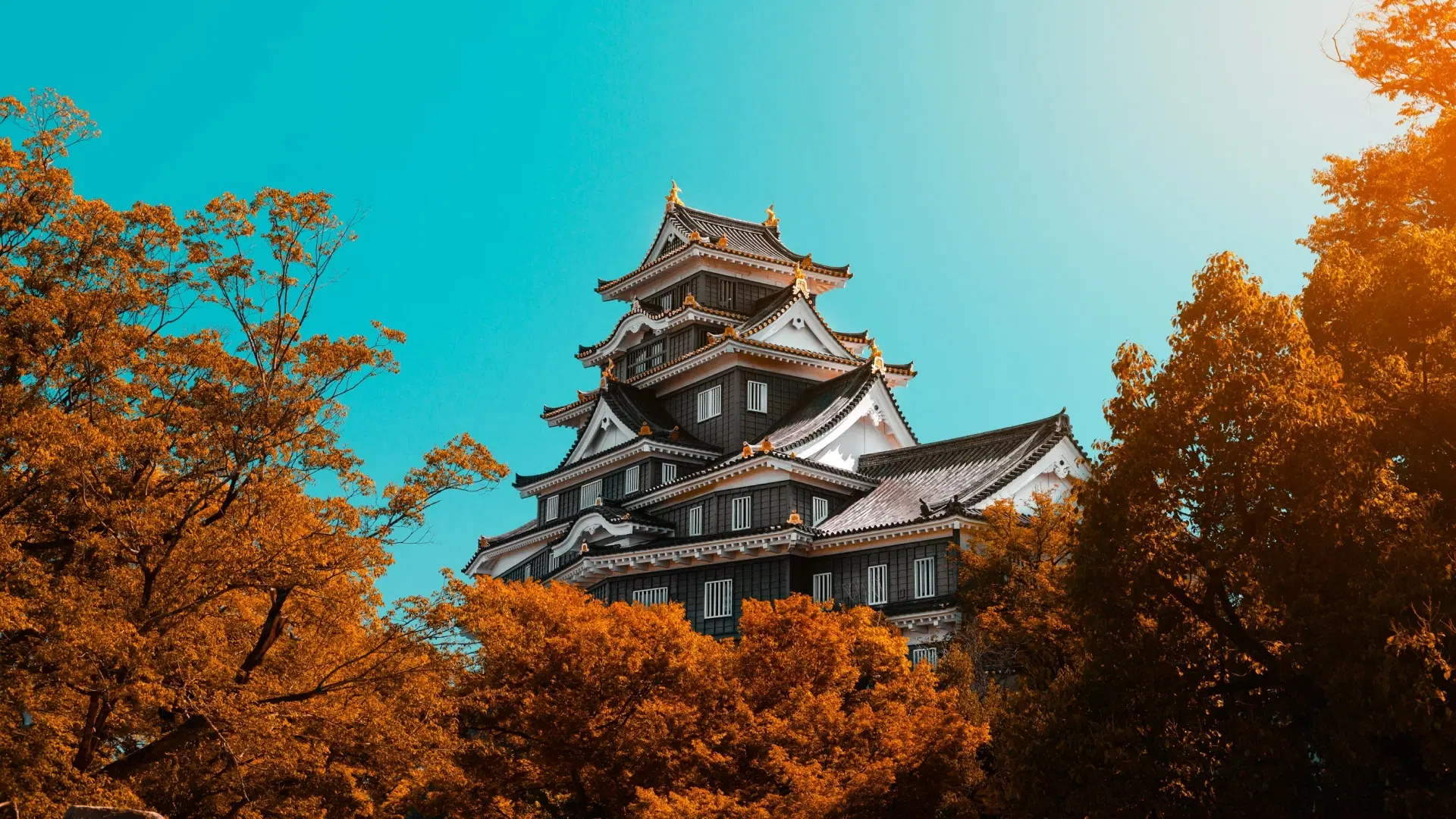
Bizen-yaki, one of Japan's Six Ancient Kilns, defines Okayama's artistic identity. Each piece emerges from the kiln unrepeatable, its surface patterns created solely by flame, ash, and the placement of the clay within the firing chamber. The town of Bizen itself is a living workshop, its narrow streets lined with galleries and studios where potters continue methods unchanged since the Kamakura period. Kurashiki's transformation from mercantile hub to cultural district has been thoughtful rather than commercial, with the Ohara Museum, the Japan Rural Toy Museum, and the Ivy Square complex preserving the texture of history while inviting contemporary engagement. Okayama Castle, known as "Crow Castle" for its striking black exterior, presides over the Asahi River with an authority that complements Korakuen Garden's refinement directly across the water.
Culinary Traditions
Okayama's white peaches are considered the finest in Japan, their flesh so pale and fragrant they are often given as luxury gifts. Harvested from late June through August, they define the prefecture's summer identity. Muscat of Alexandria grapes, grown in the region's abundant sunshine, yield a sweetness and perfume that has made Okayama the nation's premier grape-growing prefecture. Barazushi, a festive scattered sushi adorned with shrimp, lotus root, and colorful toppings, is the signature local dish, traditionally prepared for celebrations. Kibi dango, the millet dumplings associated with the folk hero Momotarō, remain a beloved souvenir. Along the Seto Inland Sea coast, small fish and octopus appear in preparations that reflect the gentle, warm-water character of the region's fisheries.
Waters & Onsen
Yunogo Onsen, in the northeastern reaches of the prefecture near the Okayama-Tottori border, is the region's principal hot spring destination. Its alkaline waters, rich in sodium chloride and calcium, have been flowing for over 1,200 years, and the compact village retains a traditional atmosphere with public bathhouses and ryokan lining its central streets. Okutsu Onsen, deeper in the mountains along the Yoshii River, offers a more secluded experience, its simple alkaline springs set in a forested valley where autumn color arrives in vivid strokes each November. Yubara Onsen completes a trio of mountain retreats, known for its large open-air sand-bottom bath beside a dam lake. These three together form the Mimasaka Santō, Okayama's celebrated trio of thermal villages.