Chugoku
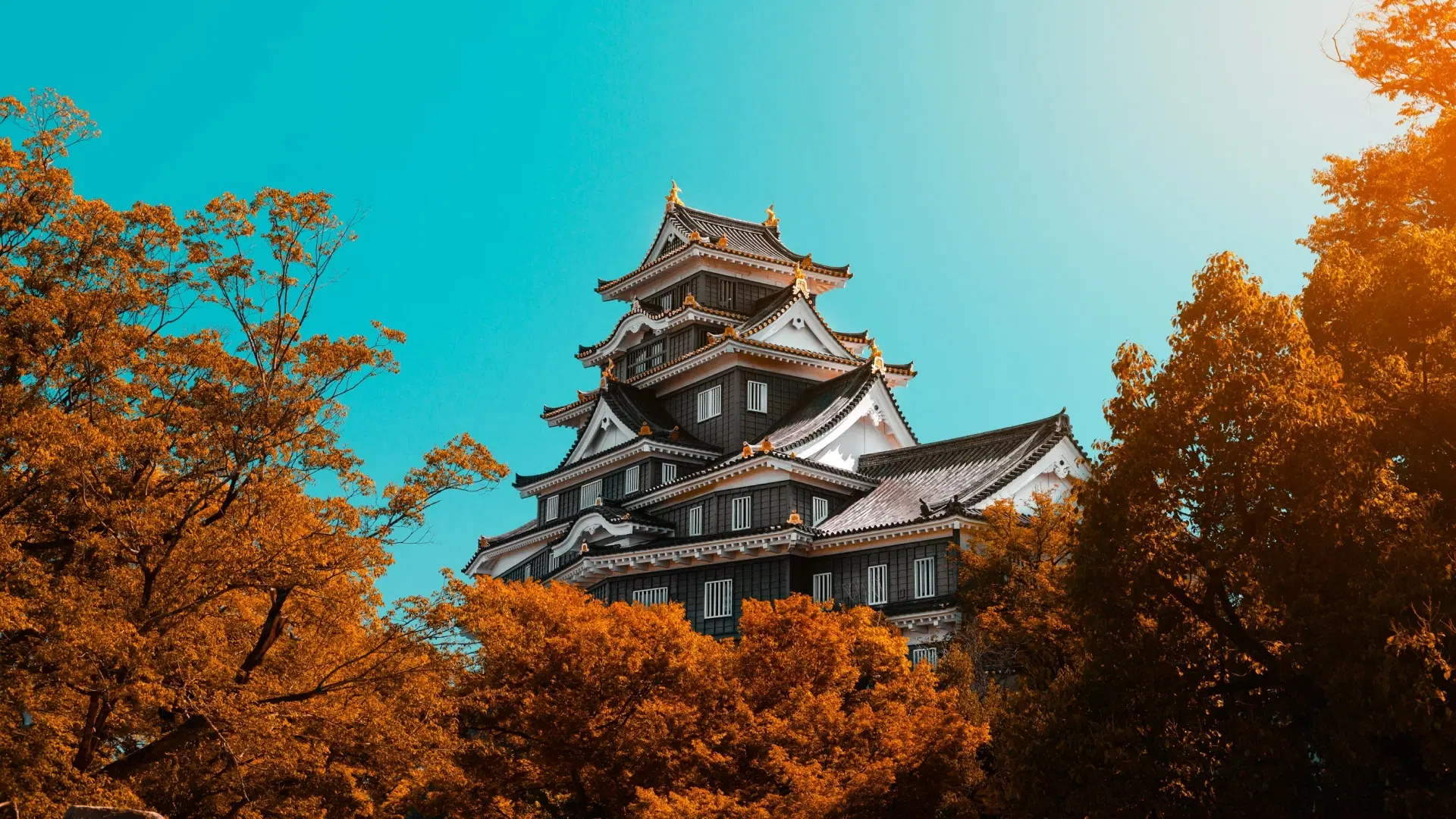
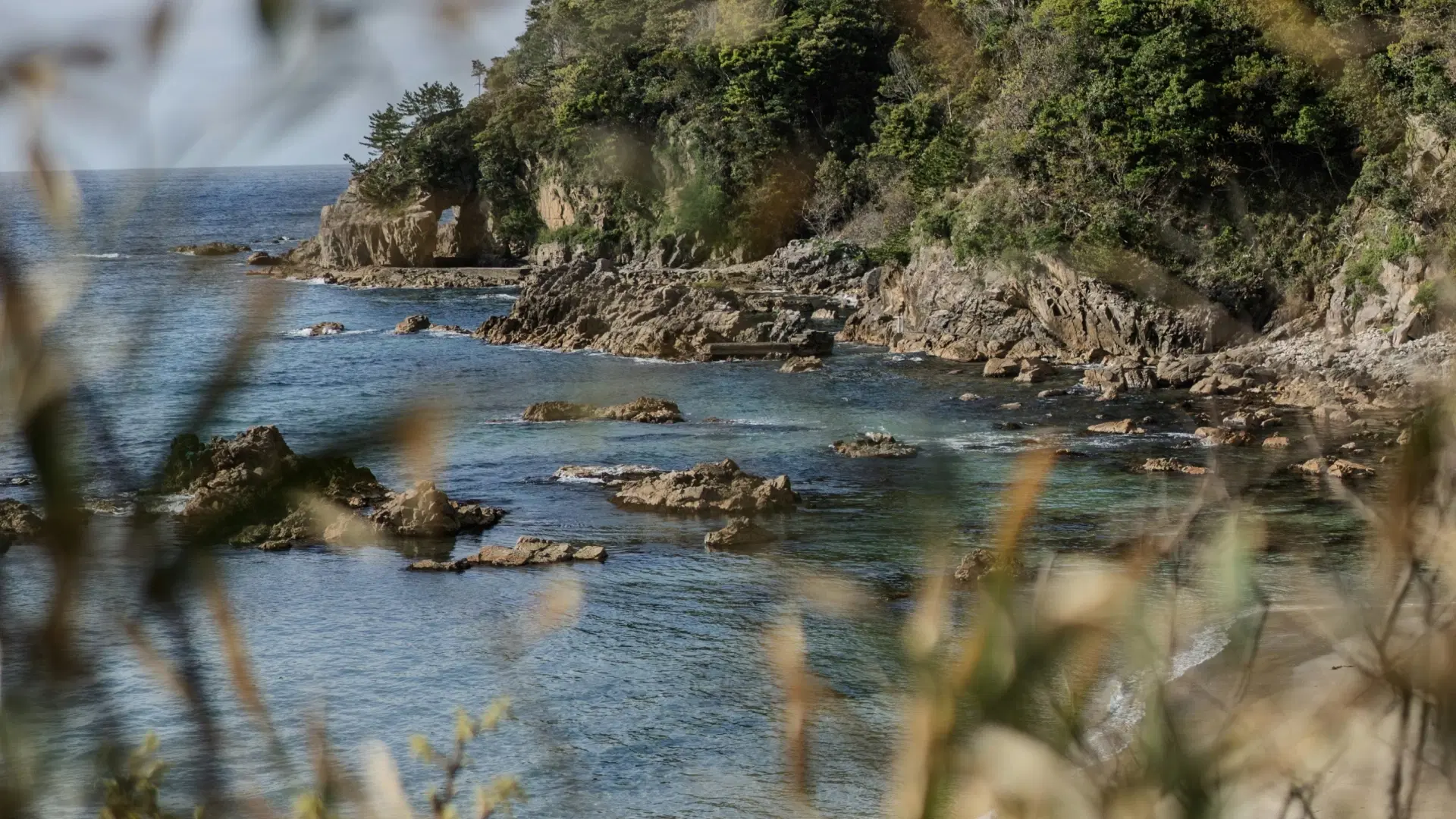
中国Chugoku occupies the western tip of Honshu, a region often overlooked in the rush between Osaka and Kyushu that rewards the unhurried traveler with experiences of startling beauty and emotional depth. The Seto Inland Sea coast (sheltered, sun-drenched, scattered with islands) possesses a Mediterranean quality unique in Japan, while the Sea of Japan side presents a more austere face: wind-beaten fishing villages, dramatic coastlines, and onsen towns of quiet, almost melancholy refinement.
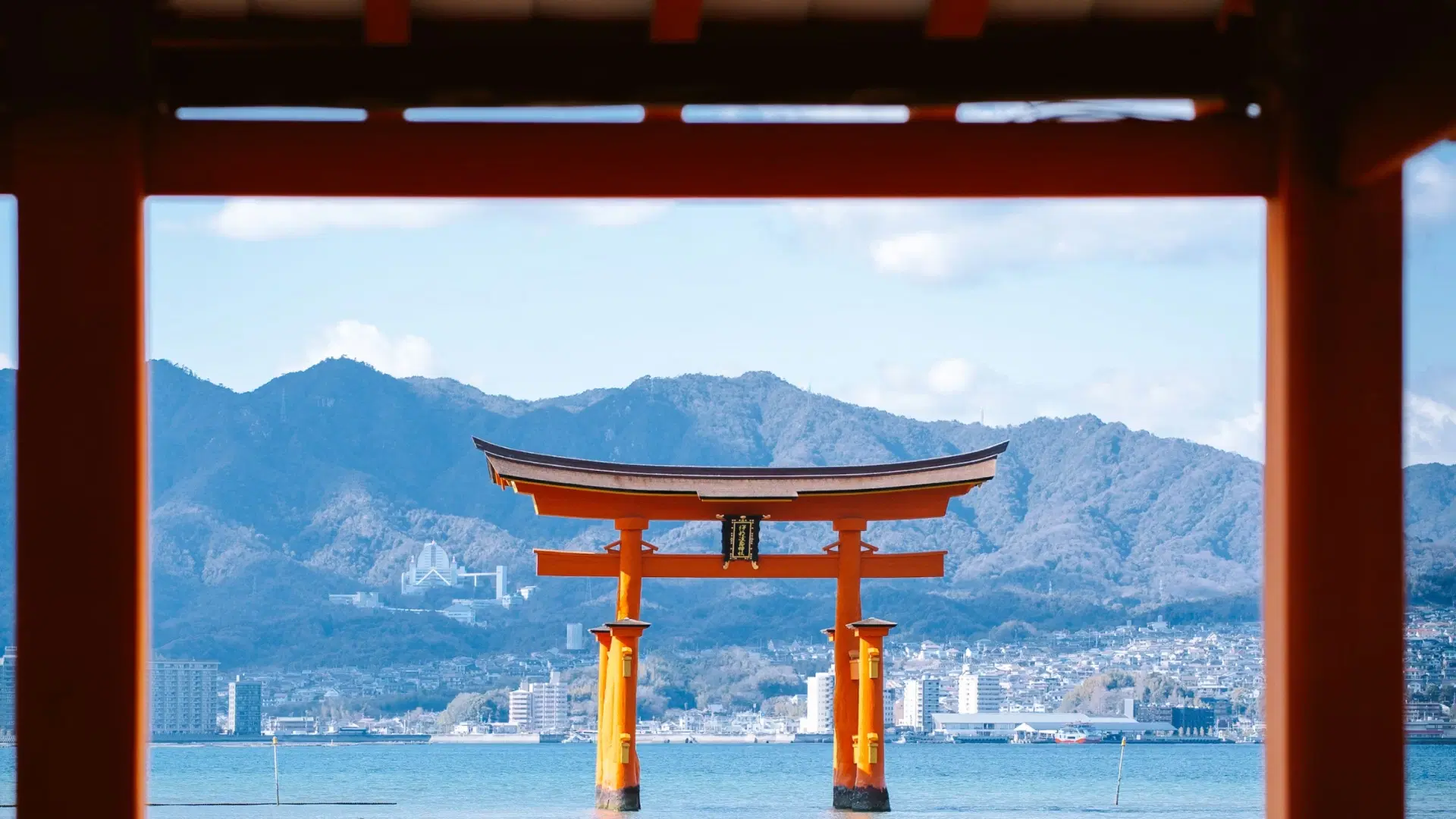
Hiroshima commands the region's emotional center, its Peace Memorial Park and Atomic Bomb Dome bearing witness with a dignity that transcends politics. Yet the city itself is vibrant, forward-looking, rebuilt with a determination that makes its okonomiyaki (layered, substantial, generous) feel like an edible metaphor for resilience. A short ferry ride from Hiroshima, the island of Miyajima presents the vermillion torii gate of Itsukushima Shrine rising from tidal waters, an image so perfectly composed it seems to exist outside of time, in the realm of pure aesthetic experience.
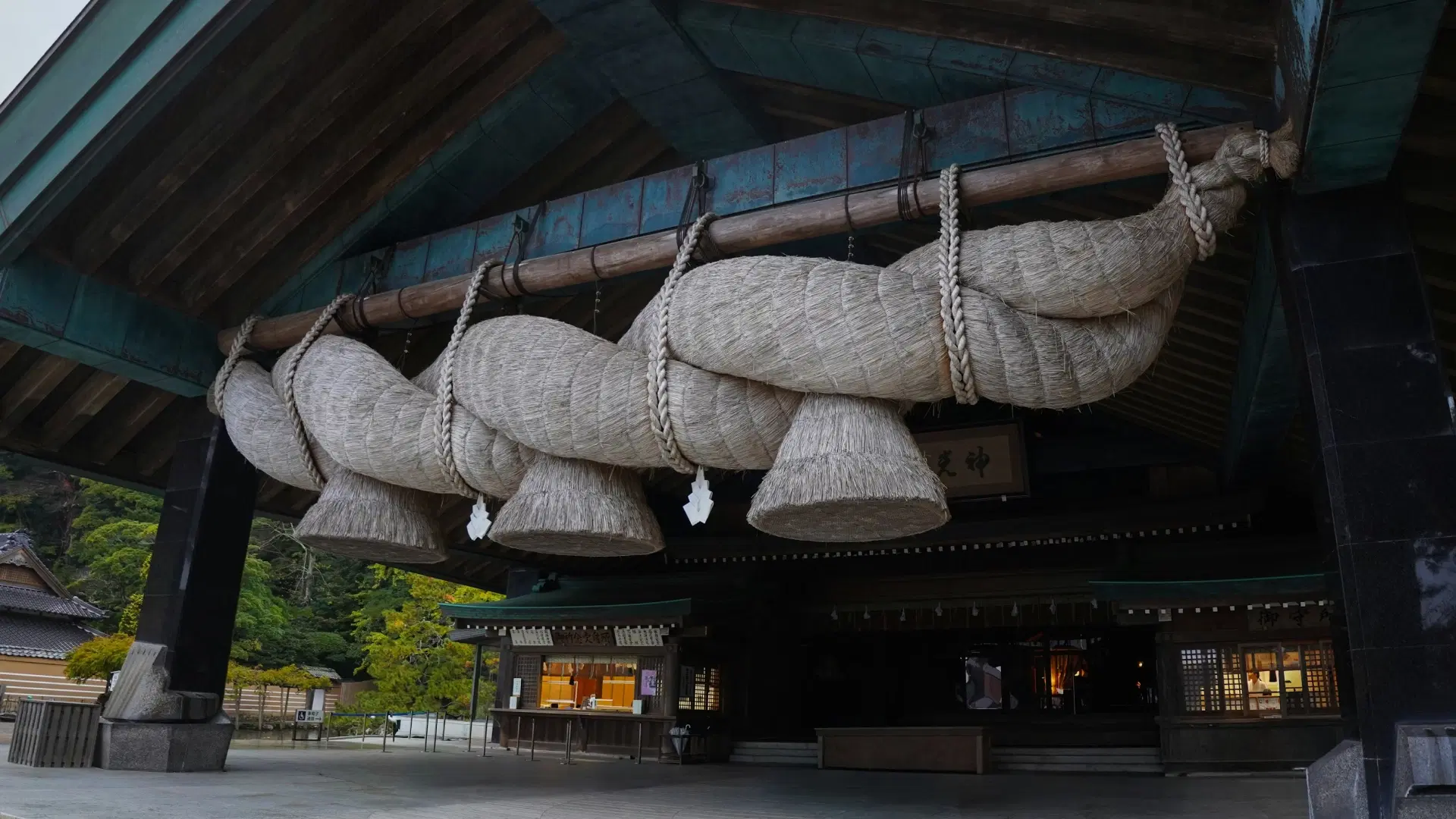
The region's ryokan culture draws principally from two traditions: the Inland Sea coast, where inns serve the extraordinary seafood of the Seto waters in settings of maritime tranquility, and the mountain interior, where onsen villages like Misasa in Tottori and Tamatsukuri in Shimane offer therapeutic waters known since antiquity. Shimane Prefecture, the least-visited in Japan, is for precisely that reason one of the most rewarding: Izumo Taisha, one of the oldest and most sacred Shinto shrines, receives pilgrims in an atmosphere of unmediated devotion that more famous sites have lost.
Chugoku occupies the western tip of Honshu, a region often overlooked in the rush between Osaka and Kyushu that rewards the unhurried traveler with experiences of startling beauty and emotional depth.
Geography
The Chugoku Mountains run east-west through the region, dividing it into the San'yo side facing the Inland Sea and the San'in side facing the Sea of Japan. The San'yo coast is gentle, warm, and relatively dry: a landscape of terraced citrus groves, olive orchards on Shodoshima, and port towns that prospered on maritime trade for centuries. The San'in coast is wilder and wetter: the Tottori Sand Dunes, stretching sixteen kilometers along the shore, form a surreal landscape that shifts with wind and season, while Shimane's jagged coastline and volcanic terrain create a geography of dramatic isolation.
The Inland Sea itself (Seto Naikai) is Chugoku's defining geographic feature, a body of water so studded with islands and so rich in tidal movement that its waters sustain an ecosystem of remarkable productivity. The Shimanami Kaido cycling route links six of these islands between Onomichi in Hiroshima and Imabari in Ehime, crossing bridges that offer views of an almost painterly seascape. In the interior, the limestone karst of Akiyoshidai in Yamaguchi (Japan's largest karst plateau) and its subterranean counterpart, Akiyoshido Cave, reveal a geological dimension that contrasts sharply with the region's coastal character.
Culture
Chugoku's cultural significance is anchored in its extremes of the sacred and the historical. Izumo Taisha in Shimane, dedicated to Okuninushi, the deity of relationships, predates the historical record and practices Shinto rites that differ from the Ise tradition: a reminder that Japanese religious culture was never monolithic. The shrine's massive shimenawa rope and the ancient taisha-zukuri architectural style speak to a spiritual authority that is, if anything, more primal than Ise's refined purity. Miyajima's Itsukushima Shrine, a UNESCO World Heritage site, represents the aesthetic apotheosis of Shinto: architecture designed to merge with the natural world, its vermillion pillars seeming to float on the incoming tide.
Hiroshima's peace culture is a modern contribution of global significance, its museums and memorials practicing a form of historical witness that avoids both sentimentality and accusation. Okayama's Korakuen, one of Japan's three great gardens, embodies the borrowed-landscape tradition of Edo-period design, while Kurashiki's Bikan historical quarter preserves white-walled merchant storehouses along a willow-lined canal. Yamaguchi city, once called the Western Kyoto for its concentration of temples built by the Ouchi lords, includes the five-story pagoda of Ruriko-ji, one of the most elegant structures in all of Japanese architecture.
Cuisine
The Inland Sea's seafood defines Chugoku's culinary identity. Hiroshima's oysters (cultivated in the nutrient-rich waters off Miyajima) are the largest and most flavorful in Japan, eaten raw, grilled over charcoal, fried in a crisp kaki-fry, or simmered in a dote-nabe hotpot of miso and winter vegetables. The octopus of the Seto Inland Sea, tenderized by the strong tidal currents, is prized for its firm, sweet flesh. Hiroshima-style okonomiyaki (built in distinct layers of batter, cabbage, noodles, and toppings rather than mixed together Osaka-style) is the region's most beloved comfort food, best eaten at one of the stalls in the city's Okonomimura food hall.
The San'in coast contributes the matsuba-gani snow crab of Tottori, a winter delicacy of such prestige that individual crabs are tagged and auctioned, and the nodoguro of Shimane, a deep-water fish of extraordinary fat content that has become one of Japan's most sought-after luxury ingredients. Yamaguchi's fugu (the poisonous pufferfish, here called fuku for good fortune) is a winter institution, served as translucent sashimi, in hot pots, and as hire-zake, the toasted fin steeped in warm sake. Onomichi's ramen, with its soy-based broth layered with rendered pork back fat, has achieved cult status among noodle pilgrims.