Yamaguchi
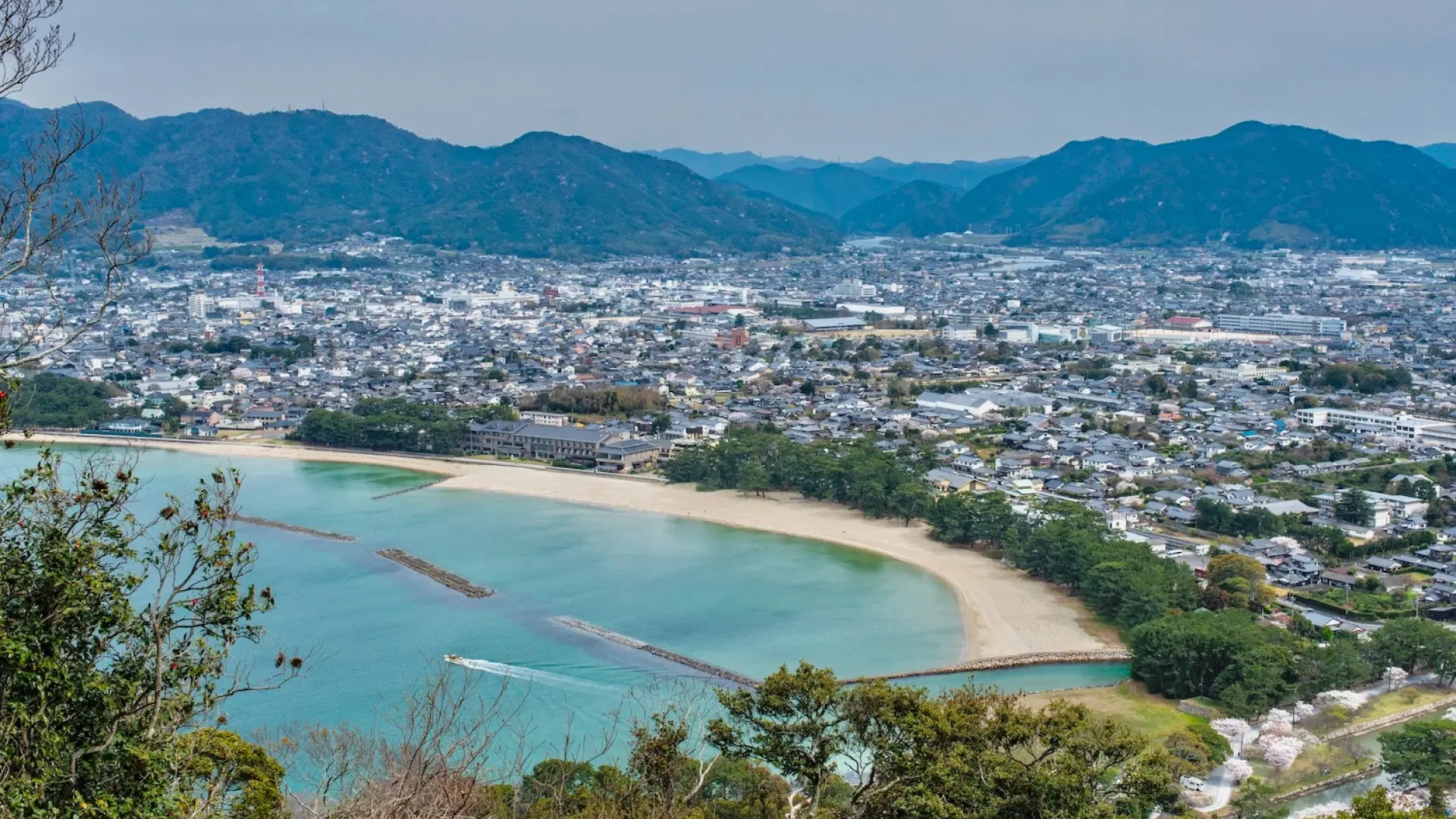
山口県Yamaguchi occupies the westernmost tip of Honshu, a prefecture where the land narrows to a point before yielding to the straits of Shimonoseki and the waters beyond. Its position at the crossroads of Honshu and Kyushu, facing both the Sea of Japan and the Seto Inland Sea, has given it an outsized role in Japanese history. The samurai of Chōshū domain, centered in the castle town of Hagi, were among the principal architects of the Meiji Restoration, toppling the Tokugawa shogunate and remaking the nation. Five future prime ministers would emerge from this single, compact city by the sea.
Hagi itself remains one of Japan's finest preserved castle towns, its earthen walls, samurai residences, and kilns largely intact. Hagi-yaki pottery, prized by tea ceremony practitioners for the way its porous surface evolves with use, has been produced here since Korean potters were brought to the domain in the sixteenth century. The aesthetic is one of deliberate imperfection: each cup, each bowl, a conversation between maker and time.
Inland, the Akiyoshidai karst plateau unfolds as a vast grassland pocked with limestone sinkholes, beneath which Akiyoshidō, one of Asia's largest limestone caves, extends for over ten kilometers. At the southern tip, Shimonoseki guards the Kanmon Straits and the nation's most storied fugu tradition. Tsunoshima's cobalt bridge arcs over turquoise water. Yamaguchi is a prefecture of endings and beginnings, where the mainland dissolves into sea and history folds back upon itself.
Yamaguchi occupies the westernmost tip of Honshu, a prefecture where the land narrows to a point before yielding to the straits of Shimonoseki and the waters beyond.
Cultural Identity
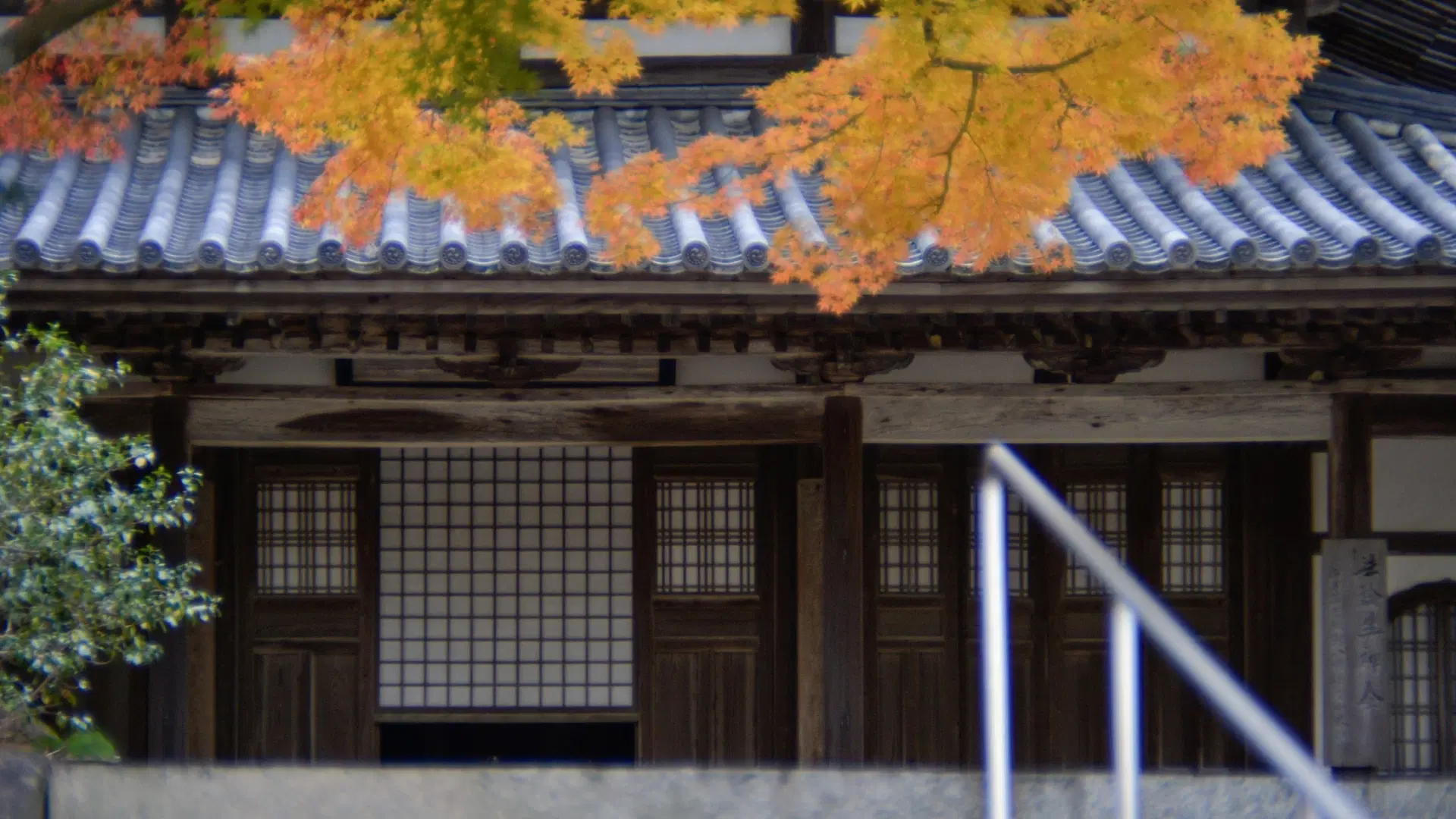
The samurai heritage of Hagi permeates Yamaguchi's cultural consciousness. Shōka Sonjuku, the modest academy where Yoshida Shōin taught the young revolutionaries who would overthrow the shogunate, is now a UNESCO World Heritage Site. Hagi-yaki pottery, one of the most revered tea ceremony wares, is characterized by its soft texture and the way it absorbs tea over years of use, gradually transforming in color and character. Ruriko-ji Temple in Yamaguchi city preserves one of only three five-story pagodas designated as national treasures, its elegant proportions reflected in a garden pond. The city itself was once called "the Kyoto of the West" during the Ōuchi lords' cultural reign. In Shimonoseki, the memory of the final Genpei War battle at Dan-no-ura in 1185 still echoes through local festivals and the Akama Shrine dedicated to the child emperor Antoku.
Culinary Traditions
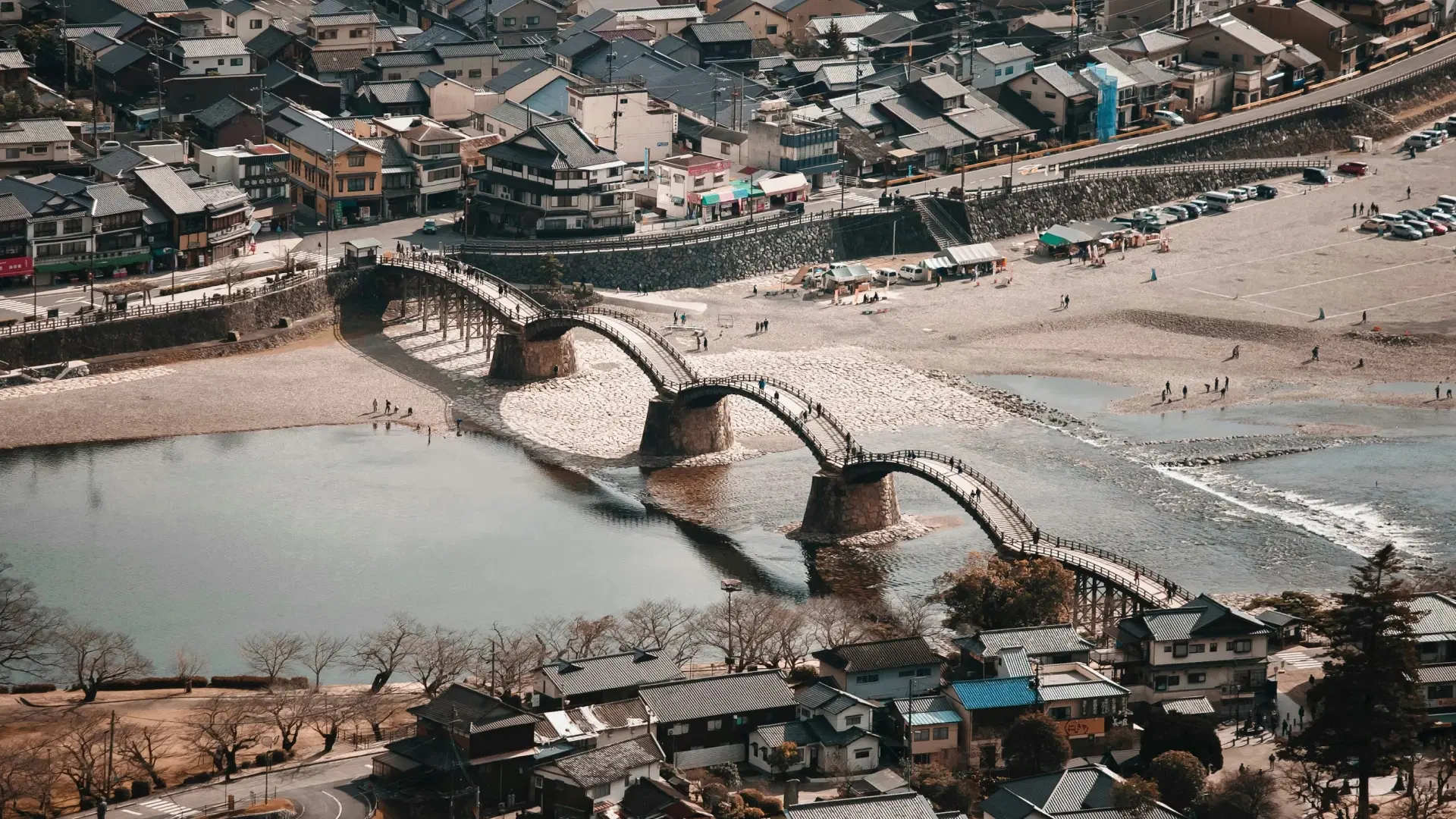
Fugu is Yamaguchi's culinary obsession and cultural inheritance. Shimonoseki handles the majority of Japan's pufferfish trade, and the city has elevated this potentially lethal delicacy into high art. Tessa, the translucent sashimi arranged on painted platters in chrysanthemum patterns, is as much visual poetry as it is cuisine. Fugu hire-zake, grilled fin steeped in hot sake, is the winter nightcap of choice. Beyond fugu, Yamaguchi produces exceptional uni (sea urchin) from the northern coast, its sweetness intensified by the cold Sea of Japan waters. Kawara soba, green tea noodles served sizzling on a hot roof tile, originated in Shimonoseki and satisfies with its contrast of crisp and tender. Iwakuni's regional sushi, pressed in wooden molds, reflects the castle town's inventive spirit.
Waters & Onsen
Nagato Yumoto Onsen, renovated in recent years under the creative direction of star architect Kengo Kuma, represents one of western Japan's most compelling onsen renaissance stories. The alkaline springs have flowed for over 600 years, and the revitalized village blends traditional bathhouse culture with contemporary design in a way that feels neither nostalgic nor contrived. Hagi Onsen, near the castle town, provides simple sodium chloride springs that soothe after a day of walking the samurai district. Yuda Onsen in Yamaguchi city, with a history exceeding 800 years, positions itself as an accessible urban hot spring with a fox legend at its origin. Kawatana Onsen along the northern coast offers radium springs in a quiet fishing village setting, a place where the rhythms of the sea and the warmth of the earth converge.