Hagi Jidai Festival
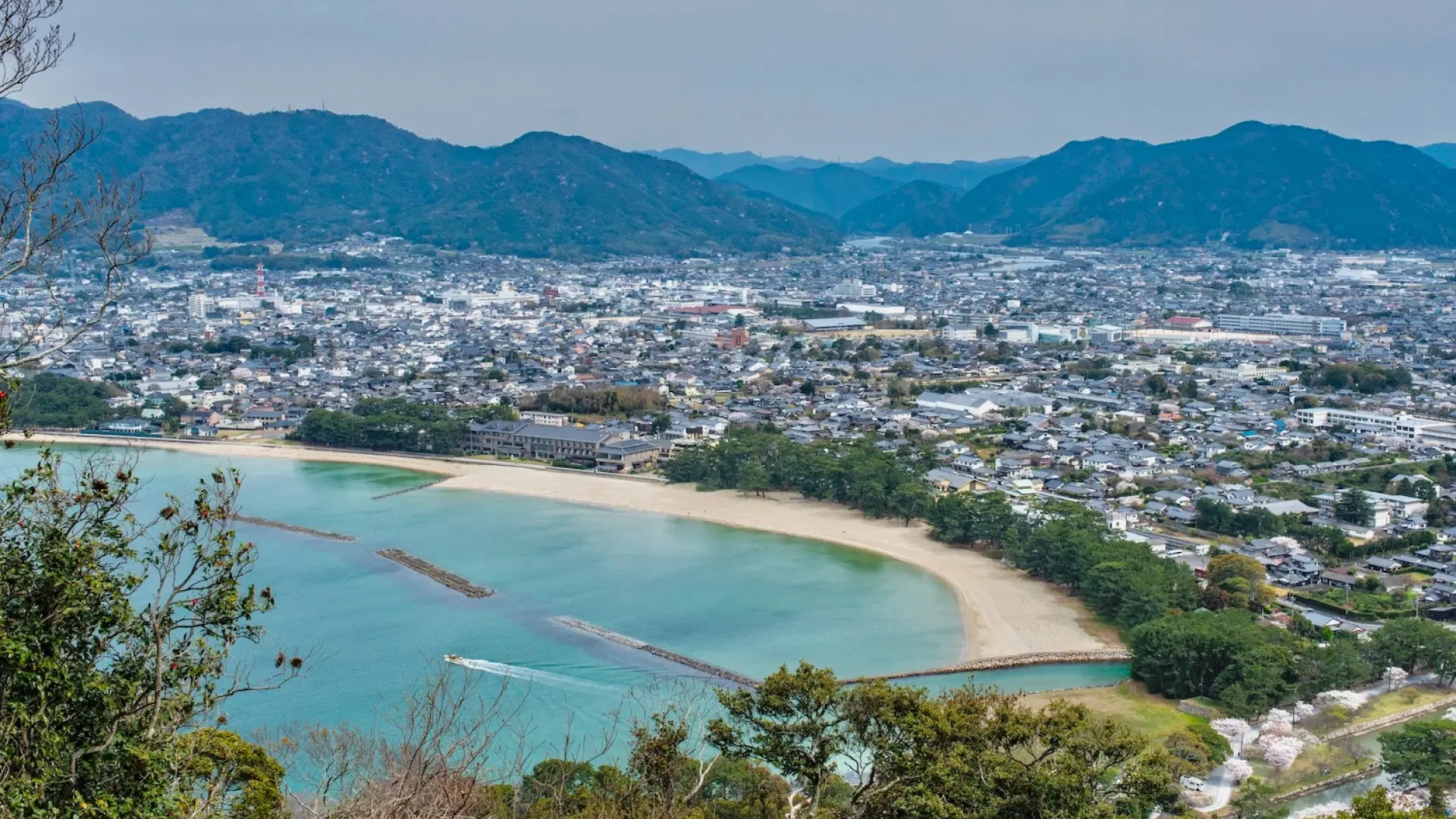
萩時代まつりThe Hagi Jidai Festival is a procession through time itself, a two-day event in which the streets of one of Japan's best-preserved castle towns fill with costumed participants reenacting the daimyo processions that once connected this remote Sea of Japan domain to the centers of power in Kyoto and Edo. The festival transforms Hagi's samurai quarter, whose earthen walls and stone-paved lanes have survived the intervening centuries with remarkable integrity, into a living theater whose stage set is not constructed for the occasion but inherited from the past. When the procession of lords, retainers, ladies-in-waiting, and attendants moves through these streets, the alignment between costume, architecture, and landscape creates a visual coherence that approaches the feeling of genuine temporal displacement.
The festival's power derives from the particular history of Hagi itself. This is not a generic celebration of feudal pageantry but a commemoration of the Mori clan's rule and the extraordinary generation of samurai who emerged from this town to reshape Japan during the Meiji Restoration. The figures represented in the procession, from the domain lords in their formal regalia to the young revolutionaries who would topple the system those lords represented, carry a historical weight that the architecture through which they pass amplifies rather than diminishes. Walking behind a procession of costumed retainers through lanes where the actual retainers once walked, past walls that the actual lords commissioned, is an experience whose emotional texture cannot be reproduced in a less authentic setting.
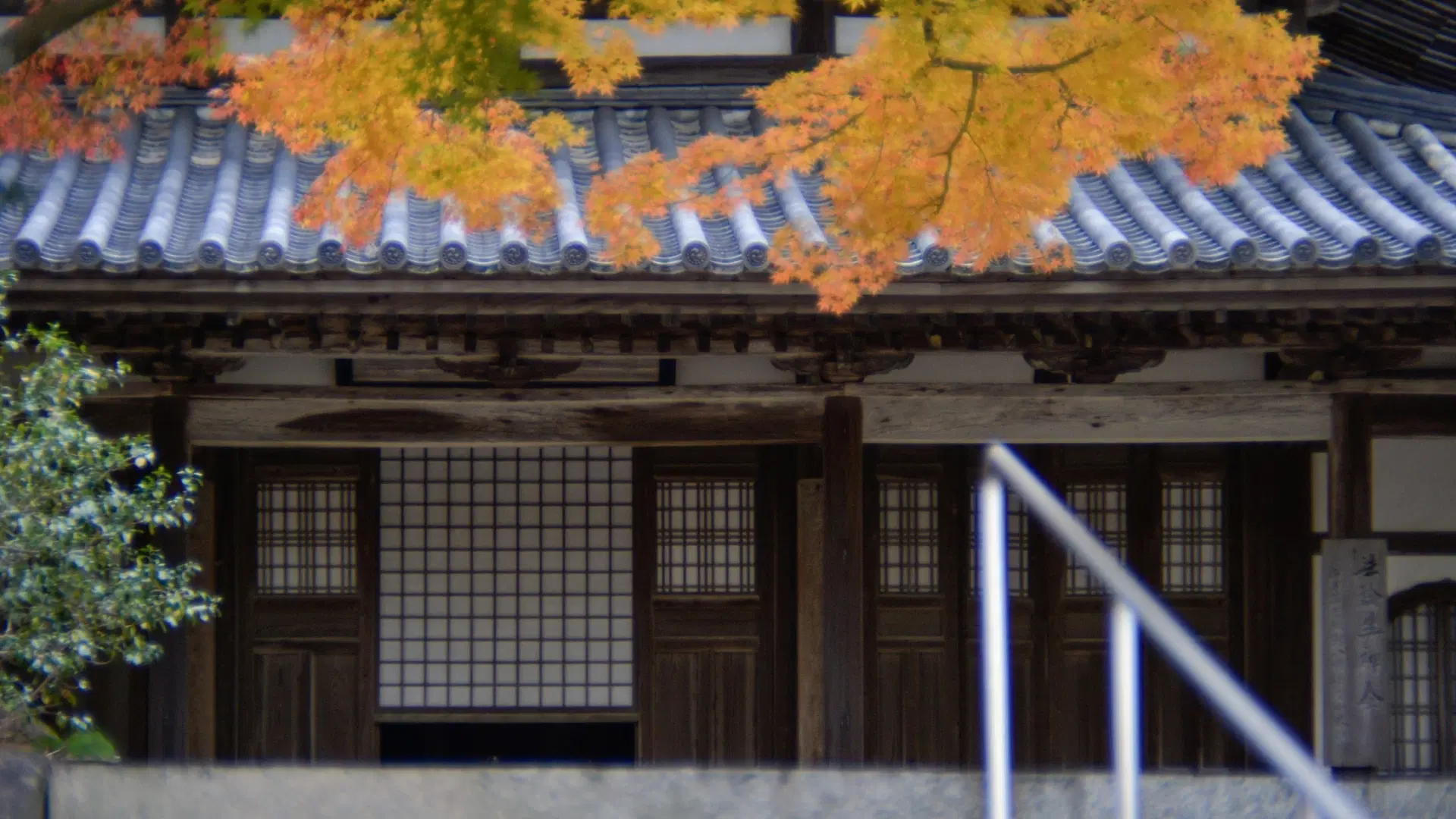
The November timing places the festival within Hagi's most atmospheric season. The autumn foliage that colors the castle grounds and temple gardens, the slanting light that gilds the white walls of the samurai residences, and the cool air that permits the heavy brocade costumes to be worn without distress combine to create conditions that seem designed for the occasion. The festival is Hagi's most visible expression of its relationship with its own past, a relationship that the town maintains not through museumification but through the continued inhabitation of a landscape whose historical significance has been absorbed into the rhythms of daily life.
History & Significance
The Hagi Jidai Festival was established in the 1960s as part of a broader effort to celebrate and preserve the cultural heritage of the former castle town, whose population decline and economic challenges in the postwar period threatened to erode the community's connection to its remarkable history. The festival drew on the tradition of daimyo gyoretsu, the formal processions by which feudal lords traveled between their domains and the capital in Edo, a practice that was central to the Tokugawa system of political control and that produced the elaborate protocols of dress, comportment, and precedence that the festival recreates.
The Mori clan's processions between Hagi and Edo were among the largest and most ceremonially complex in the Tokugawa system, reflecting the Choshu domain's status as one of the most powerful tozama, or "outer," domains. The processions could include hundreds of participants, their order of march, costume, and bearing regulated by protocol so detailed that it constituted a mobile expression of the domain's political identity. The festival's recreation of these processions draws on historical records, surviving costumes and artifacts, and the community's institutional memory of the feudal era's ceremonial culture.
Over the decades, the festival has expanded beyond the daimyo procession to include events that celebrate other aspects of Hagi's Edo-period culture: tea ceremony demonstrations, martial arts displays, traditional music performances, and the opening of normally private samurai residences and gardens for public viewing. This expansion has deepened the festival's cultural significance while maintaining the procession as its dramatic center and primary attraction.
What to Expect
The grand daimyo procession is the festival's centerpiece, a carefully choreographed march through the streets of the Jokamachi district that recreates the pageantry of a feudal lord's departure from or return to his domain. The participants, drawn from the local community and trained in the protocols of movement, bearing, and costume that the procession demands, include the lord in his palanquin, armored samurai, spear-bearers, flag-carriers, ladies-in-waiting in elaborate kimono, and the full retinue of attendants whose presence communicated the domain's wealth and power. The costumes, many reproduced from historical records with painstaking accuracy, transform the participants into figures whose appearance is so thoroughly of another era that the modern world seems to recede from the streetscape.
The procession route passes through the most historically significant sections of the castle town, including the streets of the upper and middle samurai quarters, whose walls and gates provide the architectural context that gives the procession its visual authority. The pace is measured and deliberate, each section of the procession maintaining the spacing and rhythm prescribed by historical protocol, and the effect is less of a parade than of a ritual, its formality communicating the seriousness with which the feudal order regulated even the act of walking between places.
Beyond the procession, the festival offers opportunities to experience aspects of Edo-period culture that are otherwise inaccessible. Selected samurai residences and gardens are opened for the occasion, their interiors revealing the spatial organization and aesthetic values of the warrior class. Tea ceremonies are conducted in the style of the Mori domain's court, and demonstrations of martial arts, calligraphy, and traditional music provide sensory context for the visual spectacle of the procession. The festival's atmosphere, serious in its commitment to historical authenticity but warm in its hospitality, reflects the character of a community that regards its past not as a commodity but as a responsibility.