Hagi
萩Hagi is a city that made modern Japan. From behind the walls of this small castle town on the Sea of Japan coast, the samurai of the Choshu domain conceived, organized, and executed the revolution that overthrew the Tokugawa shogunate and launched the Meiji Restoration, the most rapid and consequential transformation in Japanese history. Yoshida Shoin, whose school in Hagi trained many of the leaders who would become the architects of the new Japan, taught his students that the country must open itself to the world or be consumed by it, and the extraordinary concentration of talent that emerged from this single town, including two of the first prime ministers of Japan, gave the Meiji government a distinctly Hagi character that persisted through the early decades of the modern state.
The irony of Hagi is that the revolution it launched left it behind. As the new government consolidated power in Tokyo, the young leaders who had grown up in Hagi's castle district and studied in its academies relocated to the capital, and the town that had produced them settled into a quietude from which it has never fully emerged. This quietude, however, is Hagi's great gift to the present. The samurai quarter, with its earthen walls, stone-paved lanes, and the white plaster facades of residences that housed the families whose sons changed the world, survives in a state of preservation that more famous castle towns, overbuilt and over-visited, cannot match. Walking through Hagi's Jokamachi district in the early morning, the lanes empty, the walls glowing in the low light, the sea visible at the end of certain streets, is to inhabit a space that history has touched profoundly and then, mercifully, left alone.
Hagi's second great tradition is ceramic. Hagi ware, one of the most revered tea ceremony ceramics in Japan, has been produced here since the early seventeenth century, when Korean potters brought to Japan by the Mori clan established kilns whose descendants continue to fire today. The pottery's characteristic soft texture, muted colors, and the way its glaze changes over years of use, a phenomenon known as the "seven transformations of Hagi," have made it one of the most sought-after ceramic traditions in the country, and the presence of active kilns throughout the town connects the aesthetic tradition to the living community that sustains it.
Highlights
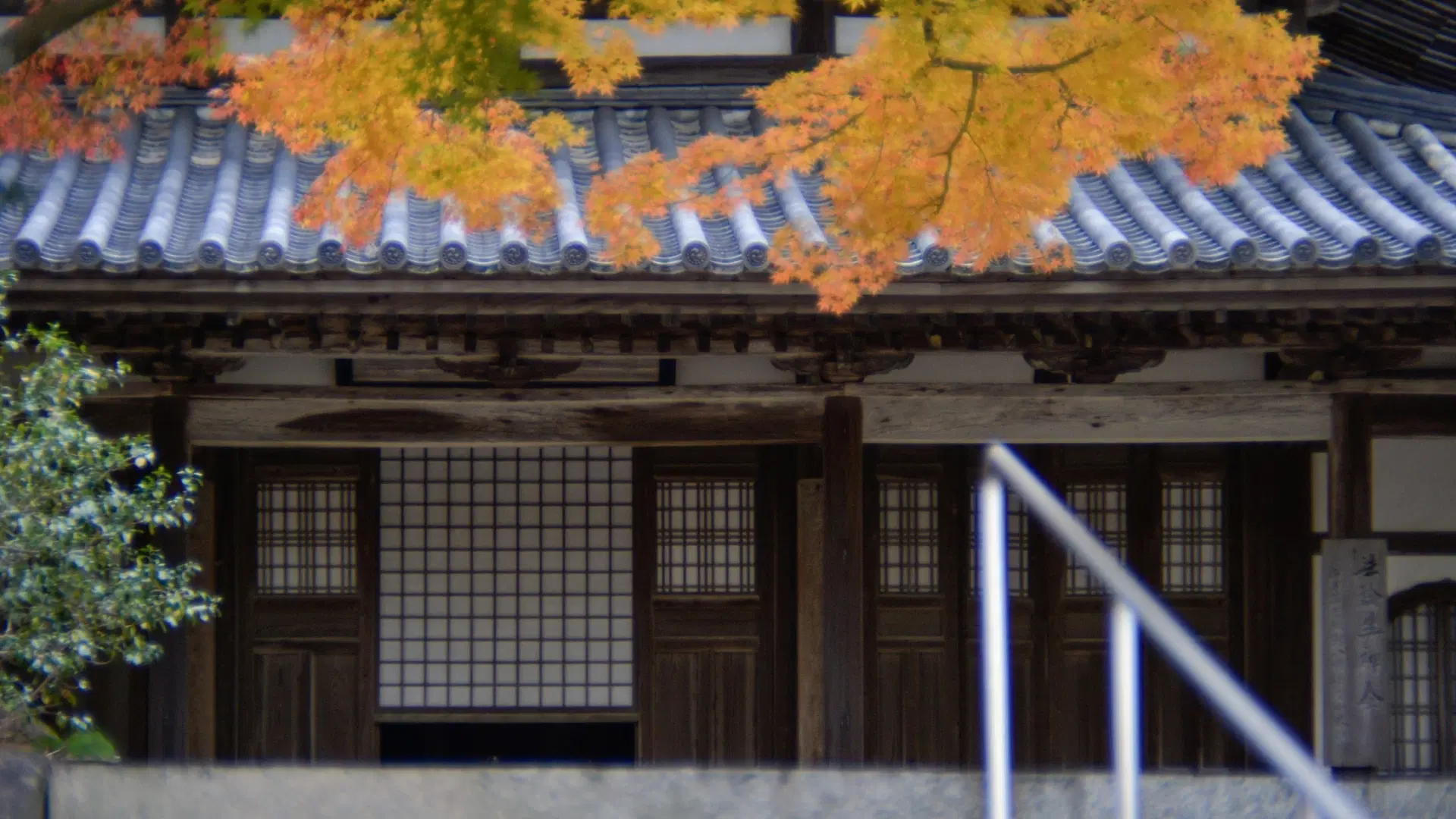
The Jokamachi, or castle town district, is Hagi's essential experience. The samurai quarter's network of lanes, enclosed by earthen walls topped with rough-cut stone and bordered by the distinctive white-and-gray plaster of Edo-period residences, preserves the spatial logic and the atmosphere of a feudal domain with remarkable integrity. The former residences of the Kikuya and Kuchiba merchant families, open to visitors, display the architecture and furnishings of the prosperous Edo-period household, while the more modest residences of lower-ranking samurai, visible from the lanes but closed to entry, convey through their scale and simplicity the hierarchical order that governed every aspect of castle town life.
The Shoin Shrine and the adjacent Shokasonjuku Academy, the small school where Yoshida Shoin taught the future leaders of the Meiji Restoration, constitute Hagi's most historically significant sites. The academy, a modest wooden building whose tiny rooms seem barely adequate for a village school, much less the incubator of a national revolution, provides one of those encounters with historical disproportion that can permanently alter one's understanding of how change occurs. The shrine that memorializes Shoin, who was executed by the Tokugawa government in 1859 at the age of twenty-nine, is a place of pilgrimage for Japanese visitors whose understanding of the Meiji period has been shaped by Shoin's legend.
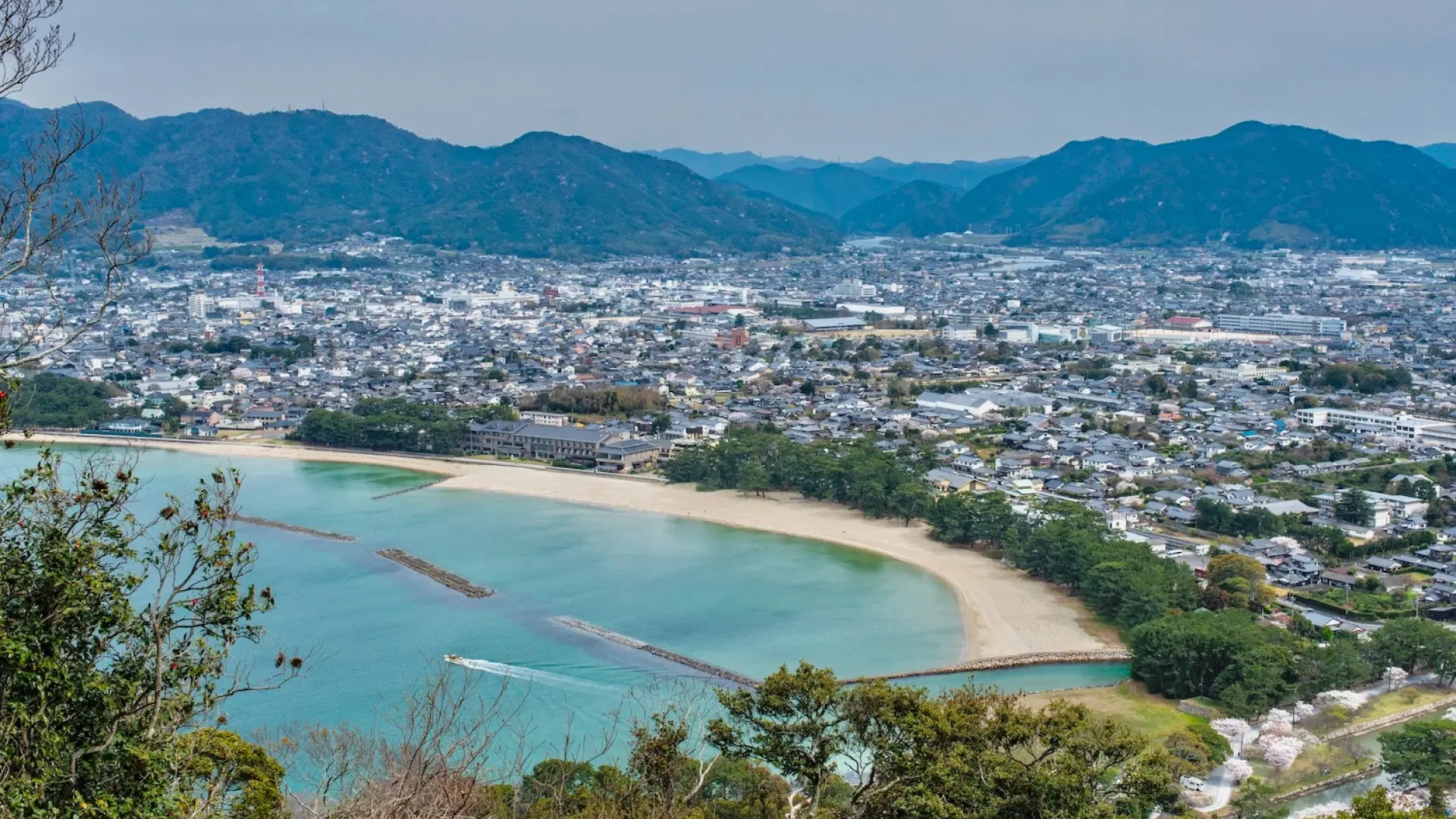
Hagi Castle ruins, set on a peninsula where the Abu River meets the Sea of Japan, provide the geographic anchor for the town's historical identity. The castle's stone walls and moat survive, their mass and precision communicating the military seriousness of the Choshu domain, and the grounds, now a park planted with cherry trees, offer views across the river delta to the mountains that define the town's landward horizon. The combination of military architecture, river landscape, and maritime horizon visible from the castle grounds clarifies the strategic thinking that positioned Hagi at the intersection of defense and commerce.
Culinary Scene
Hagi's cuisine reflects its position on the Sea of Japan coast, where the cold, deep waters of the Tsushima Current bring a marine harvest of exceptional quality and variety. The squid of the Hagi waters, served as sashimi so fresh that the flesh is still translucent and faintly pulsing, is the town's most celebrated seafood offering, its sweetness and texture revealing qualities that are lost within hours of the catch. The seasonal fish parade, from the yellowtail and fugu of winter through the sea bream and abalone of spring to the horse mackerel and flying fish of summer, provides Hagi's kitchens with a continuously changing palette of raw materials whose freshness is guaranteed by the proximity of the fishing port to the table.
Kawara soba, a dish of green tea-infused soba noodles served on a heated roof tile, is Yamaguchi Prefecture's most distinctive culinary creation, and Hagi's restaurants serve versions whose crisp-bottomed noodles, topped with beef, egg, seaweed, and lemon, demonstrate the combination of texture and flavor that has made the dish a regional icon. The presentation on the traditional tile, which continues to cook the noodles as they are eaten, adds a dynamic element to the dining experience that rewards patience and attention.
Hagi's connection to tea ceremony culture through its ceramic tradition extends to its culinary life, and the city's tea houses and confectioners produce wagashi of refined beauty and seasonal sensitivity. Eating a seasonal sweet from a Hagi ware dish, accompanied by matcha served in a Hagi chawan whose glaze has softened through years of use, is an experience that unites the town's culinary and ceramic traditions in a single aesthetic moment.