Tottori
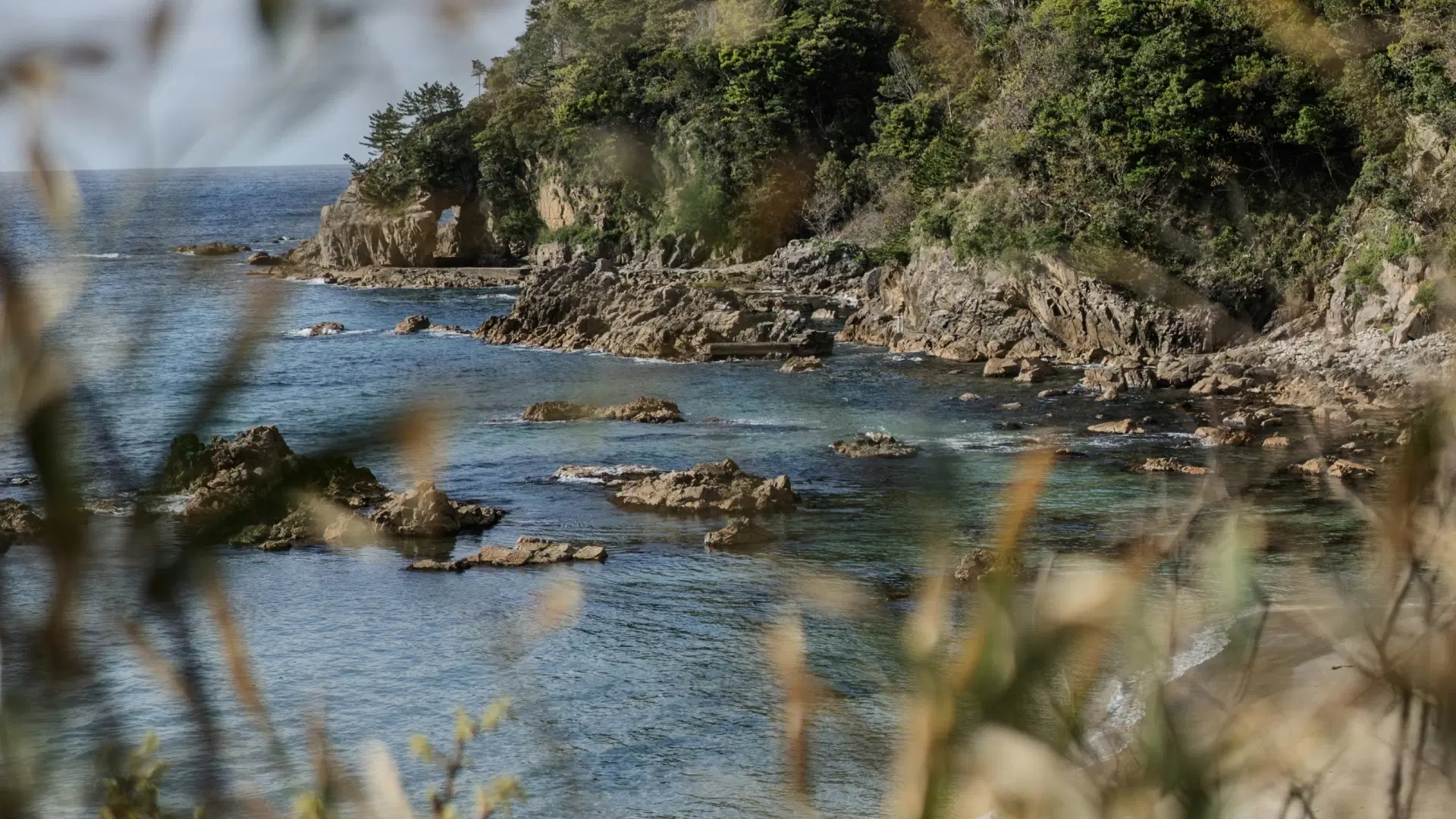
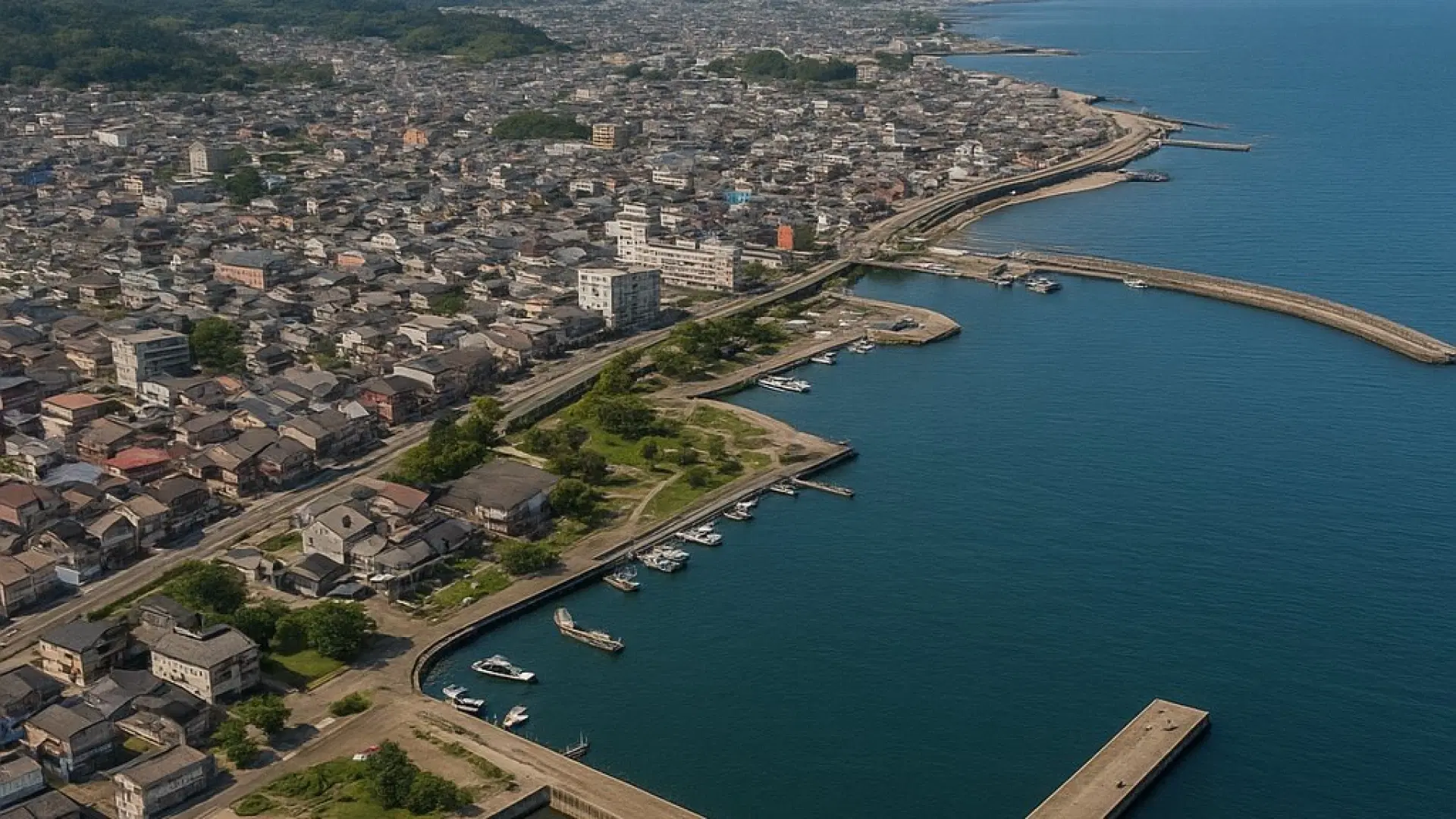
鳥取県At the far western edge of Honshu, where the Sea of Japan sculpts the coastline into something elemental, Tottori exists as a quiet revelation. Japan's least populated prefecture holds its defining paradox in plain sight: the Tottori Sand Dunes, a sprawling expanse of wind-carved ridges and shifting crescents that stretches along the coast for sixteen kilometers, conjuring landscapes more associated with the Sahara than with the archipelago. This is a place where the familiar grammar of Japan gives way to something stranger, more solitary, more luminous.
Beyond the dunes, the interior rises toward Mount Daisen, a volcanic peak whose silhouette has earned it the name "Hoki Fuji" for its resemblance to its more famous cousin. The mountain anchors a national park of beech forests and alpine meadows that blaze copper and vermillion each autumn. In the foothills, the village of Misasa guards one of Japan's most remarkable therapeutic traditions: radium-rich hot springs whose curative reputation draws pilgrims seeking restoration of body and spirit. The waters here have flowed for over eight centuries.
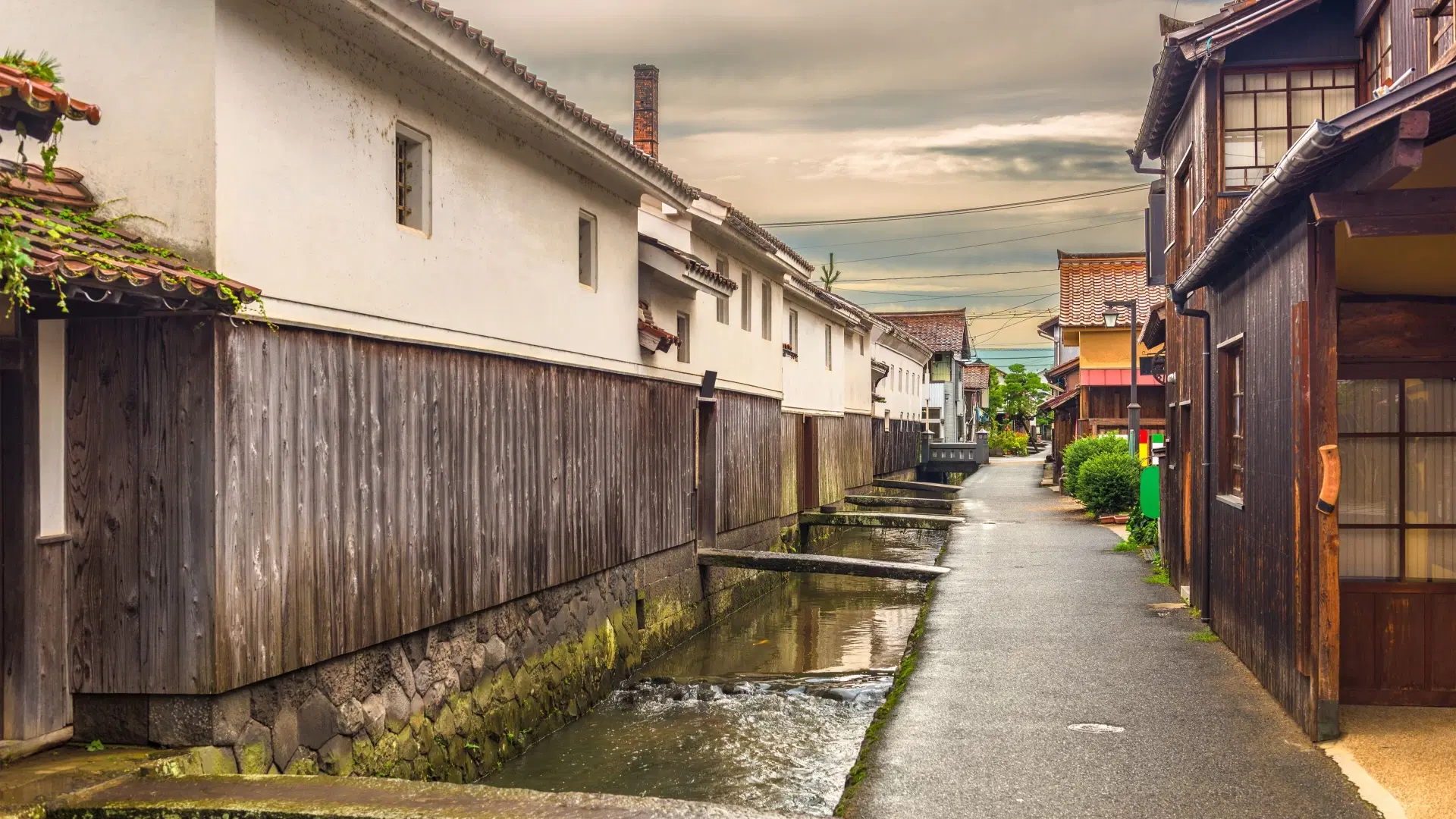
Tottori rewards those who seek it out precisely because so few do. Its orchards produce the nation's finest nashi pears, its winter harbors deliver prized Matsuba crab hauled from the deep cold waters offshore, and its unhurried towns preserve a rhythm of life that much of Japan has quietly surrendered.
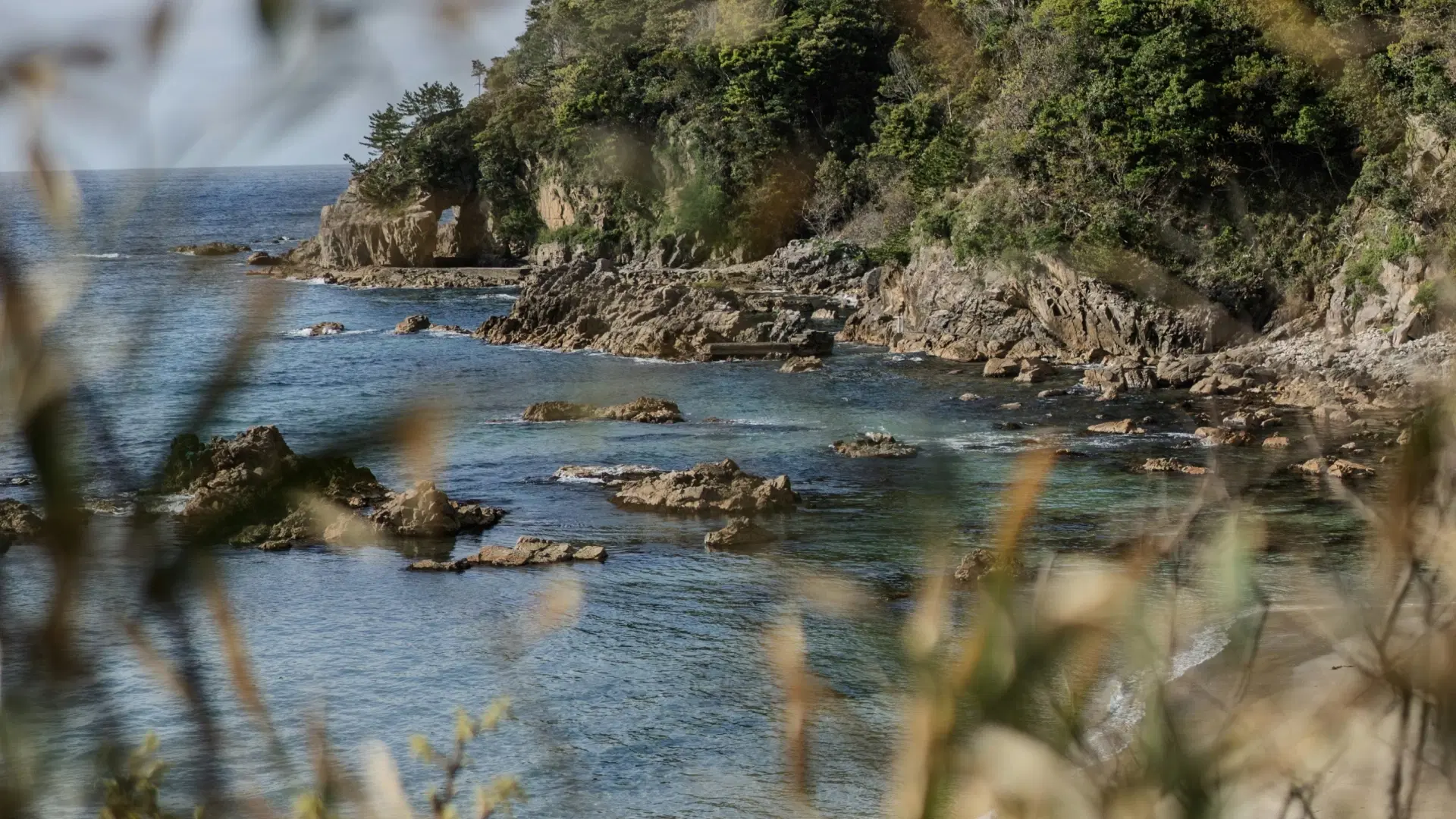
At the far western edge of Honshu, where the Sea of Japan sculpts the coastline into something elemental, Tottori exists as a quiet revelation.
Cultural Identity
Tottori's cultural identity is shaped by its relationship with natural extremes. The sand dunes have inspired generations of artists and filmmakers, most notably serving as the setting for Teshigahara's haunting 1964 film "Woman in the Dunes." The prefecture's folk traditions run deep, from the Shan Shan Festival's umbrella dancing to the delicate craft of Inshū washi, handmade paper produced along the Sendai River for over a thousand years. Manga culture also finds a home here: Tottori is the birthplace of Mizuki Shigeru, creator of GeGeGe no Kitarō, and a whimsical road of yokai statues lines the streets of Sakaiminato. In the mountain villages, Bon Odori dances retain choreography unchanged for centuries.
Culinary Traditions
Winter in Tottori belongs to the Matsuba crab, the mature male snow crab pulled from the Sea of Japan between November and March. Served as sashimi, grilled over charcoal, or simmered in nabe, it is among the most coveted seasonal ingredients in western Japan. The prefecture's sandy soil and clean water yield exceptional nashi pears, harvested from August through October, their sweetness so concentrated they require no embellishment. Tottori tofu, made with local spring water, appears in simple preparations that foreground its silken texture. Along the coast, shiro-ika (white squid) is prized for its translucent flesh, often served still glistening from the morning catch.
Waters & Onsen
Misasa Onsen, nestled in a narrow valley along the Mitoku River, is renowned for waters exceptionally rich in radium, a property believed to stimulate cellular renewal and ease chronic ailments. Designated a National Curative Hot Spring, it has drawn visitors for over 850 years. The open-air riverbed bath, Kawara no Yu, sits directly beside the flowing water, offering an experience of startling intimacy with the landscape. Nearby, Kaike Onsen along the coast blends sodium chloride waters with views of the Sea of Japan. Sekigane Onsen, quieter still, offers alkaline springs said to leave the skin remarkably soft. Together, these three onsen villages form a triangle of therapeutic bathing unmatched in the San'in region.