Kamiari-zuki
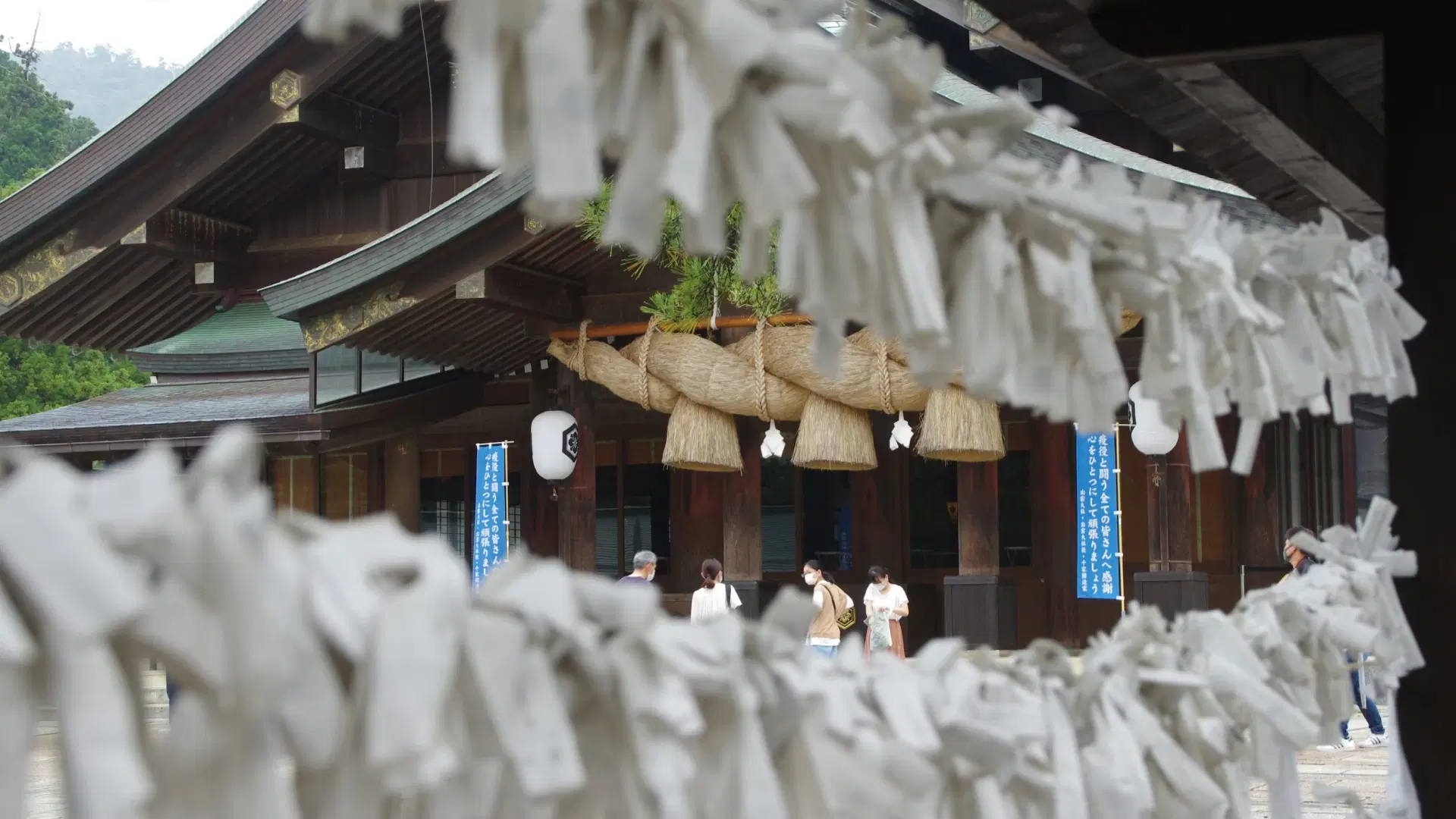
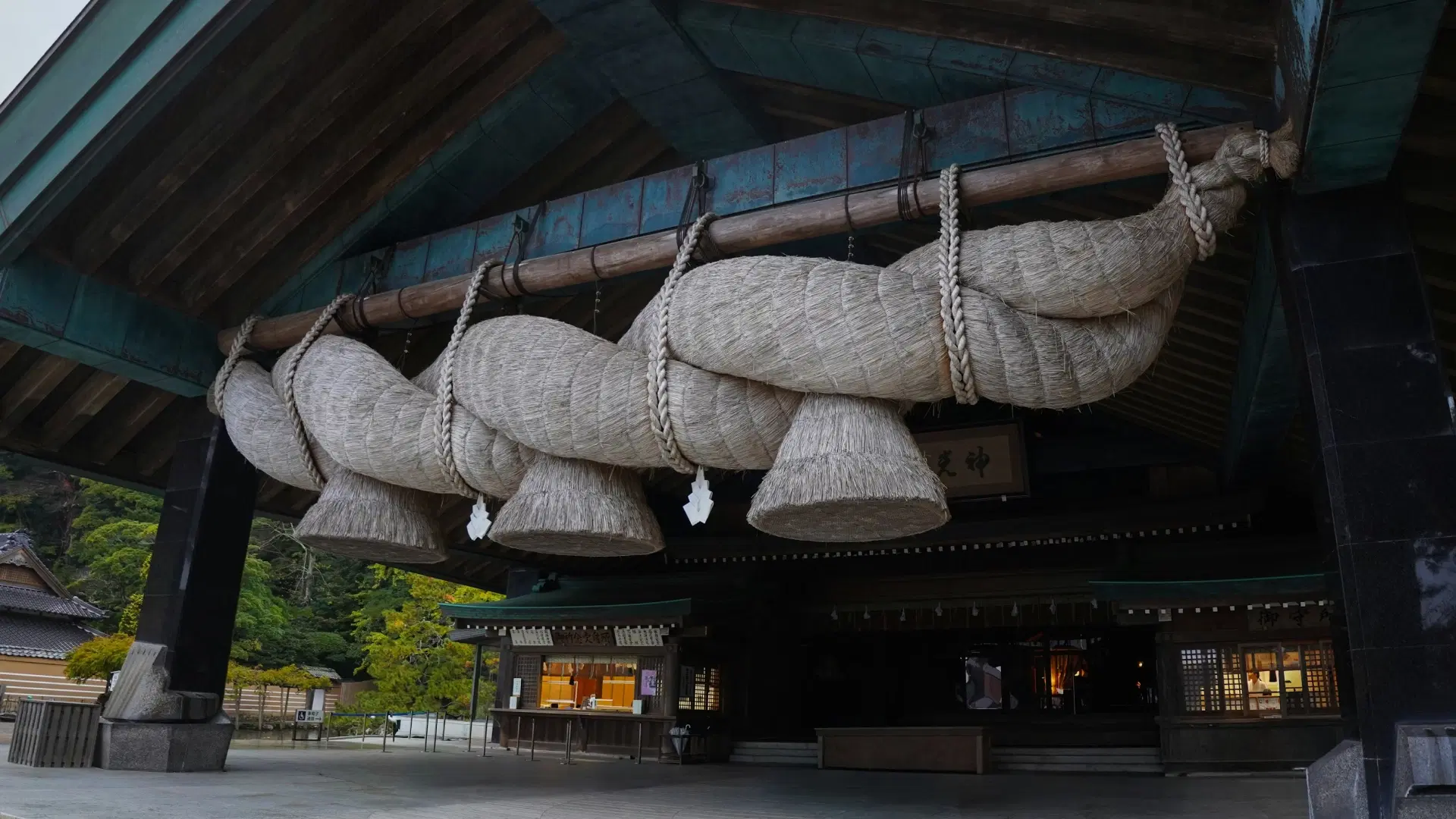
神在月Kamiari-zuki is the month when all the gods of Japan gather at Izumo, leaving every other shrine in the nation temporarily vacant while they convene at Izumo Taisha to deliberate on the coming year's bonds of fate, including the marriages and relationships that will connect human beings to one another. Throughout the rest of Japan, the tenth month of the lunar calendar is known as Kannazuki, the "month without gods," an acknowledgment of their absence. In Izumo alone, the month is called Kamiari-zuki, the "month with gods," and the distinction is not merely linguistic but experiential: during this period, the atmosphere at Izumo Taisha and the surrounding shrines shifts palpably, the rituals intensify, and the sense of concentrated divine presence gives the shrine precincts an energy that the other eleven months do not possess.
The mythology underlying Kamiari-zuki reaches into the deepest layers of Japanese religious thought. Okuninushi, the deity enshrined at Izumo Taisha, is understood as the ruler of the unseen world, the realm of musubi, the binding forces that connect all things. While the celestial gods at Ise govern the visible world of nature and imperial authority, Okuninushi governs the invisible connections between human hearts: love, marriage, friendship, the inexplicable affinities that draw certain people together and keep others apart. The divine assembly at Izumo, where eight million deities gather to determine these bonds for the year ahead, is thus the annual calibration of the invisible infrastructure of human relationships, a cosmic deliberation whose outcomes shape the intimate lives of every person in Japan.
For the visitor, Kamiari-zuki offers an encounter with Shinto faith at its most vital and least mediated. The ceremonies performed during this period are not tourist events but active religious observances whose participants believe they are facilitating the actual presence of the divine. The atmosphere at the shrine during the welcoming ceremony on Inasa Beach, when the gods are formally received from the sea, and during the week of secret rituals that follows, possesses a gravity and a conviction that distinguish it from the more casual religiosity that characterizes much of contemporary Japanese shrine culture.
History & Significance
The tradition of Kamiari-zuki at Izumo is attested in Japanese literature from at least the medieval period, though its roots are understood to extend far deeper into the prehistoric religious practices of the Izumo region. The concept of a divine assembly, where the gods gather to make collective decisions about the affairs of the mortal world, has parallels in other ancient mythological traditions but achieves in Izumo a specificity and a continuing institutional reality that is unmatched. The annual cycle of divine departure and return, the entire nation emptied of its deities for one month while they convene at a single site, is a mythological construct of extraordinary ambition, reimagining the geography of Japan as a spiritual circuit whose center is not the imperial capital but the ancient shrine on the Shimane coast.
The historical development of Kamiari-zuki as a popular religious event is intertwined with the growth of Izumo Taisha as a pilgrimage destination. From the medieval period onward, the shrine attracted increasing numbers of pilgrims seeking divine assistance with matters of romantic attachment and marriage, the shrine's association with musubi, the binding of fates, making it the natural destination for those hoping to influence their amorous fortunes. The Kamiari-zuki period became the most propitious time for such prayers, the presence of all the gods magnifying the spiritual potency of any petition offered during the month.
The ceremonies performed during Kamiari-zuki have been refined over centuries into a liturgical sequence that begins with the welcoming of the gods at Inasa Beach and concludes with their formal departure. The intervening days are occupied by rituals performed within the shrine's innermost precincts, many closed to public view, whose content is known only to the shrine's hereditary priests. This element of secrecy is not coyness but an expression of genuine sacredness, the rituals understood to be so powerful and so consequential that their exposure to uninitiated eyes would diminish their efficacy.
What to Expect
The Kamiarisai ceremonies begin with the Kamimukae-shinji, the god-welcoming ritual, performed on Inasa Beach on the evening of the tenth day of the tenth lunar month. Priests in white ceremonial robes process to the beach at dusk, where a sacred fire is lit and prayers are offered to welcome the arriving deities from across the sea. The ceremony's setting, the darkening beach, the sound of the Japan Sea waves, the firelight illuminating the priests' white robes against the black water, creates an atmosphere of primordial spiritual encounter that transports the observer beyond the categories of modern religious tourism into something older and more immediate.
Following the beach ceremony, the deities are understood to take up residence at Izumo Taisha, where a week of rituals called Kamiari-sai is performed. The most significant of these ceremonies, the divine council where the gods deliberate on the bonds of fate for the coming year, takes place within the shrine's closed precincts. Visitors during this period encounter a shrine operating at heightened ritual intensity, the frequency of priestly activities, the presence of special offerings, and the atmosphere of concentrated devotion all reflecting the understanding that the divine assembly is in session.
The concluding ceremony, Karasade-sai, formally bids farewell to the departing gods, who return to their respective shrines throughout Japan. The completion of this ceremony marks the end of Kamiari-zuki and the return of the ordinary spiritual calendar. Throughout the festival period, the shrine's commercial district is lively with pilgrims and visitors, many of whom have come specifically to pray for romantic blessings during the one month when all the gods responsible for such matters are gathered in a single place. The purchase of en-musubi charms, talismans of romantic connection, reaches its annual peak during Kamiari-zuki, and the atmosphere in the shrine's precincts is one of hope, anticipation, and the quiet excitement of those who believe their prayers may be heard by an assembled pantheon.