Shimane
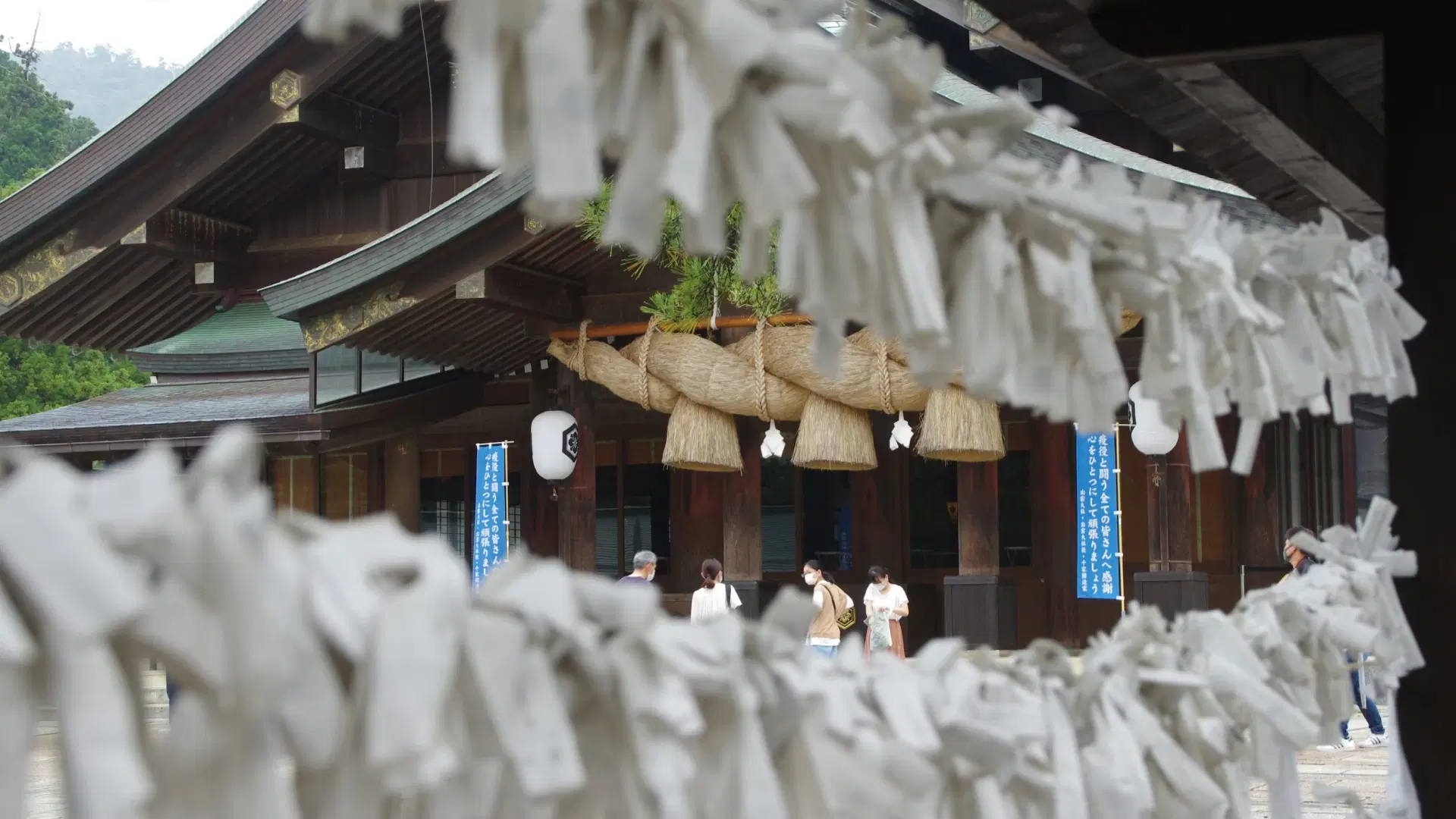
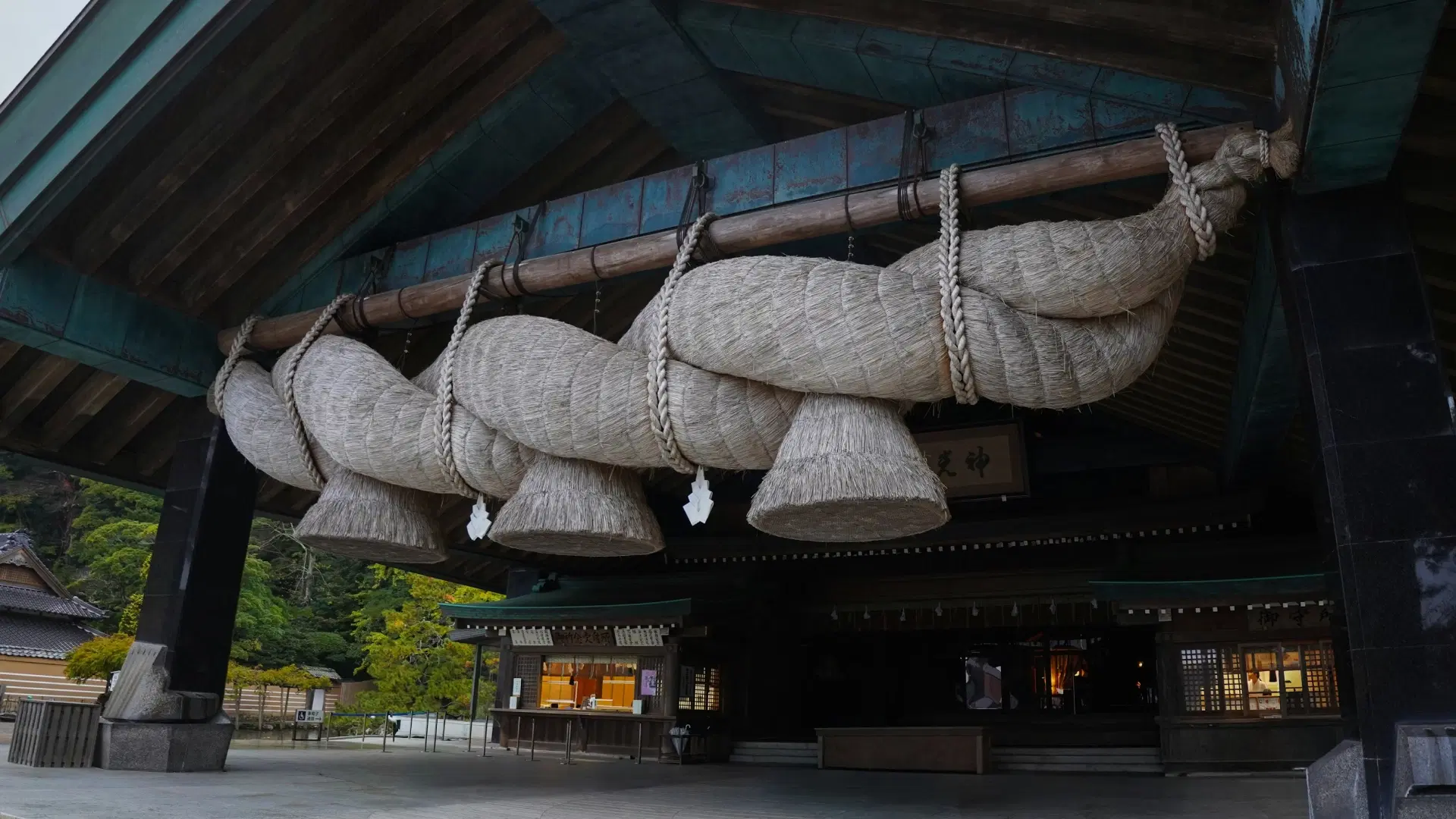
島根県Shimane is the mythological heartland of Japan, the province where the gods are said to gather each October while the rest of the country falls silent. Izumo Taisha, the Grand Shrine of Izumo, stands at the center of this sacred geography, its massive shimenawa rope and ancient architecture predating recorded history. To visit Shimane is to walk through the origin stories of the Japanese archipelago itself, where Okuninushi, the deity of relationships and nation-building, is still venerated with a devotion that feels neither performative nor merely traditional.
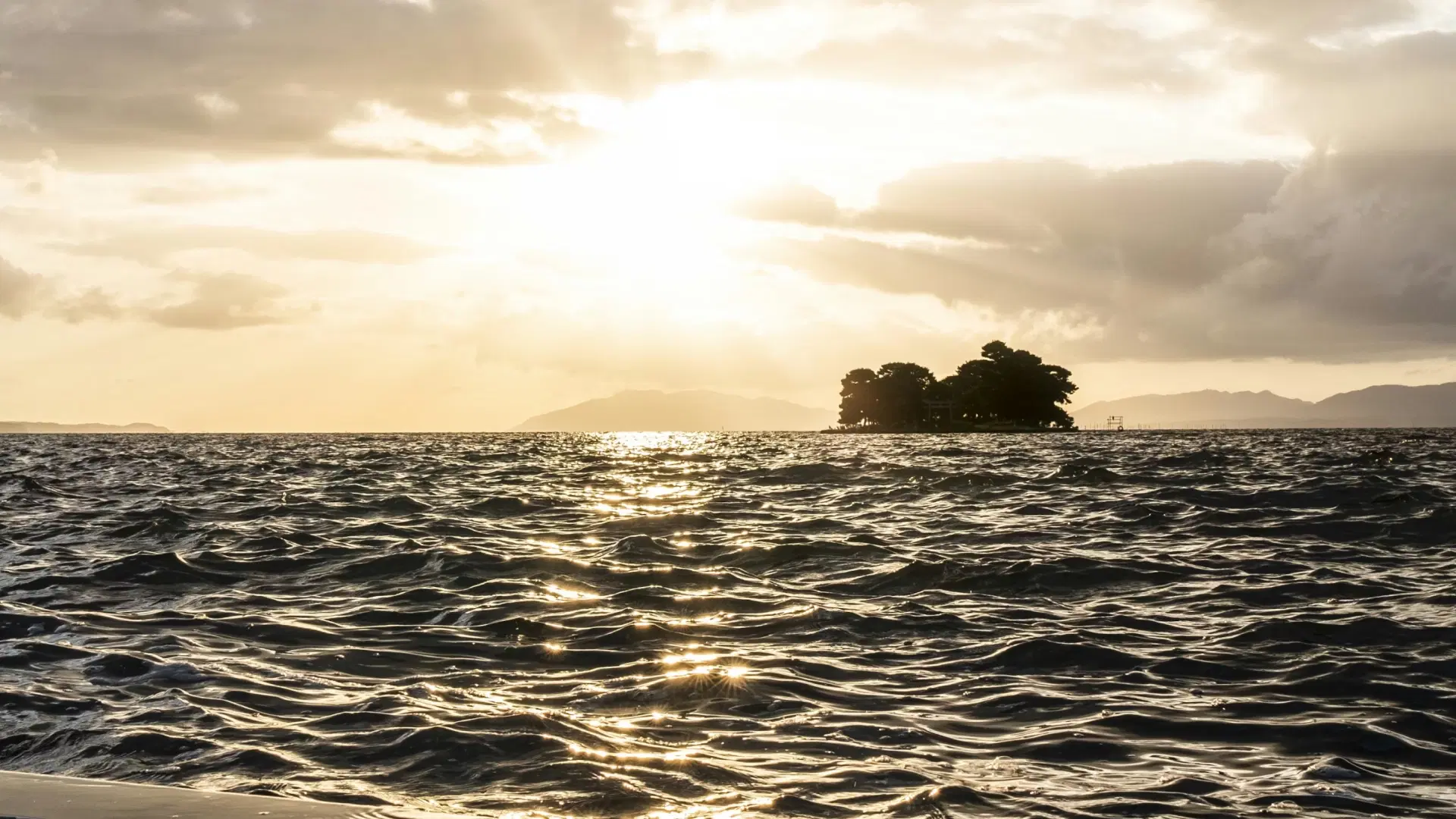
The prefectural capital, Matsue, straddles the waters of Lake Shinji and the Ohashi River, earning its title as the "City of Water." It was here that Lafcadio Hearn, the Greek-Irish writer who became Koizumi Yakumo, found his deepest connection to Japan, writing the ghost stories and cultural observations that introduced the country's spiritual life to the Western world. His former residence still overlooks a contemplative garden, and the city retains the unhurried, literary atmosphere that captivated him over a century ago.
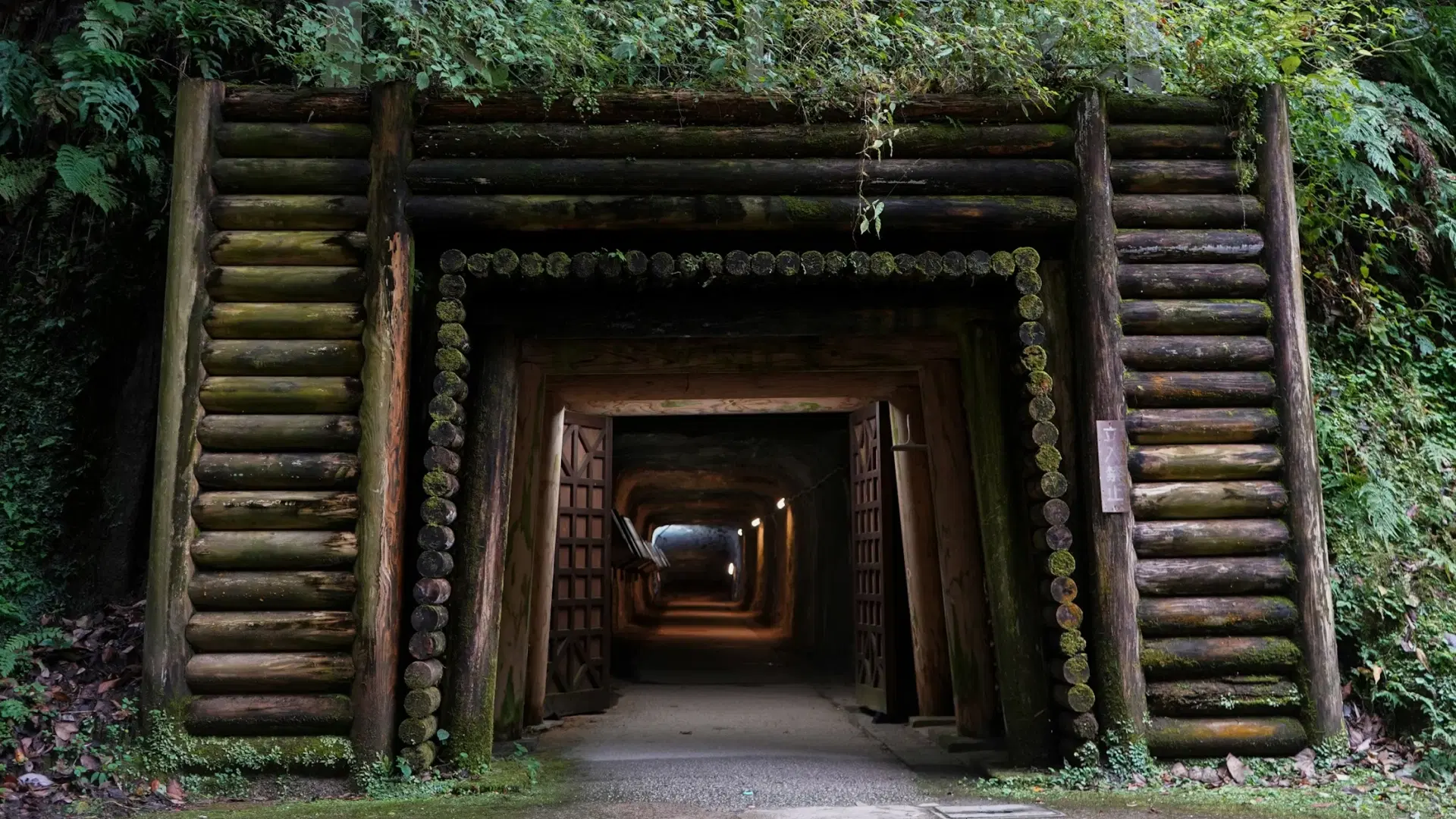
Inland, the UNESCO-listed Iwami Ginzan silver mine recalls an era when Shimane's riches shaped global trade. Tamatsukuri Onsen, one of Japan's oldest recorded hot spring villages, offers waters said to beautify the skin, a claim documented as early as the eighth-century Izumo Fudoki. Shimane moves at its own tempo, indifferent to haste, faithful to something older.
Shimane is the mythological heartland of Japan, the province where the gods are said to gather each October while the rest of the country falls silent.
Cultural Identity
Shimane's cultural life orbits its shrines and myths. The Kamiari-zuki tradition holds that all eight million Shinto deities convene at Izumo Taisha each October, making Shimane the only prefecture to call the tenth month "the month with gods" rather than "the month without gods." Matsue preserves a refined tea culture tied to the Matsudaira lords, whose aesthetic influence persists in wagashi confections and the city's many teahouses. Lafcadio Hearn's literary legacy permeates the city, with his ghost stories still performed in atmospheric evening retellings. Iwami Kagura, the region's dramatic masked dance tradition, transforms shrine stages into theaters of mythological combat, its serpent dances and deity battles performed with an intensity that belies their ritual origins. Agate polishing in Tamatsukuri has been practiced since antiquity.
Culinary Traditions
Lake Shinji provides Shimane's most celebrated ingredients: the "seven delicacies of Shinji," including shijimi clams, whose miso soup is considered a near-sacred morning ritual in Matsue. Izumo soba, served in a distinctive round lacquer dish called a warigo, arrives in stacked tiers with dipping broth poured directly over the dark, nutty buckwheat noodles. The style is earthier and more robust than its counterparts elsewhere in Japan. Nodoguro, a deep-sea perch with rich, fatty flesh, has become Shimane's most prized fish, often grilled simply with salt. Along the coast, seasonal catches of squid and yellowtail supplement a cuisine rooted in lake, river, and sea. Wagashi from Matsue rank among the finest in the country, shaped by centuries of tea ceremony tradition.
Waters & Onsen
Tamatsukuri Onsen has been celebrated since the Nara period, when the Izumo Fudoki recorded that its waters could transform the complexion after a single bathing. The sulfate-rich springs are still renowned for their beautifying properties, and the village along the Tamayu River preserves an atmosphere of gentle refinement. Yunotsu Onsen, a tiny hot spring hamlet within the Iwami Ginzan UNESCO site, offers a rawer, more atmospheric experience: its Yakushi-yu bathhouse has served visitors for over 1,300 years, the mineral-laden waters staining the stone tubs a deep ochre. Nearby, Arifuku Onsen provides simple sodium bicarbonate springs in a village so quiet it feels almost forgotten. Shimane's onsen culture favors intimacy and depth over scale.