Okayama Momotaro Festival
おかやま桃太郎まつりThe Okayama Momotaro Festival is the prefectural capital's largest summer celebration, a weekend of dance, fireworks, and communal performance that channels the energy and identity of a city whose founding myth is the folk tale of Momotaro, the Peach Boy. The legendary hero, born from a giant peach floating down a river and destined to defeat the demons of Onigashima with the help of animal companions, is so deeply embedded in Okayama's civic identity that his image greets visitors at the train station, lines the city's manhole covers, and presides over the festival that bears his name. Yet the Momotaro Festival is far more than a celebration of a folk tale. It is the occasion on which Okayama's neighborhoods, companies, civic organizations, and families come together in a display of collective joy that transforms the city center into a landscape of movement, music, and color.
The festival's centerpiece is the Uraja dance, a contemporary creation inspired by the Momotaro legend that has become one of the most vibrant and participatory dance traditions in western Japan. Teams of dancers, costumed in elaborate designs that blend traditional festival aesthetics with contemporary street-dance energy, perform choreographed routines along parade routes through the city center, their movements accompanied by music that fuses taiko, shamisen, and modern instrumentation into a sound that is distinctly Okayaman. The Uraja is not a spectator event but a participatory one, and the barrier between dancer and audience dissolves repeatedly throughout the festival as onlookers are drawn into the movement.
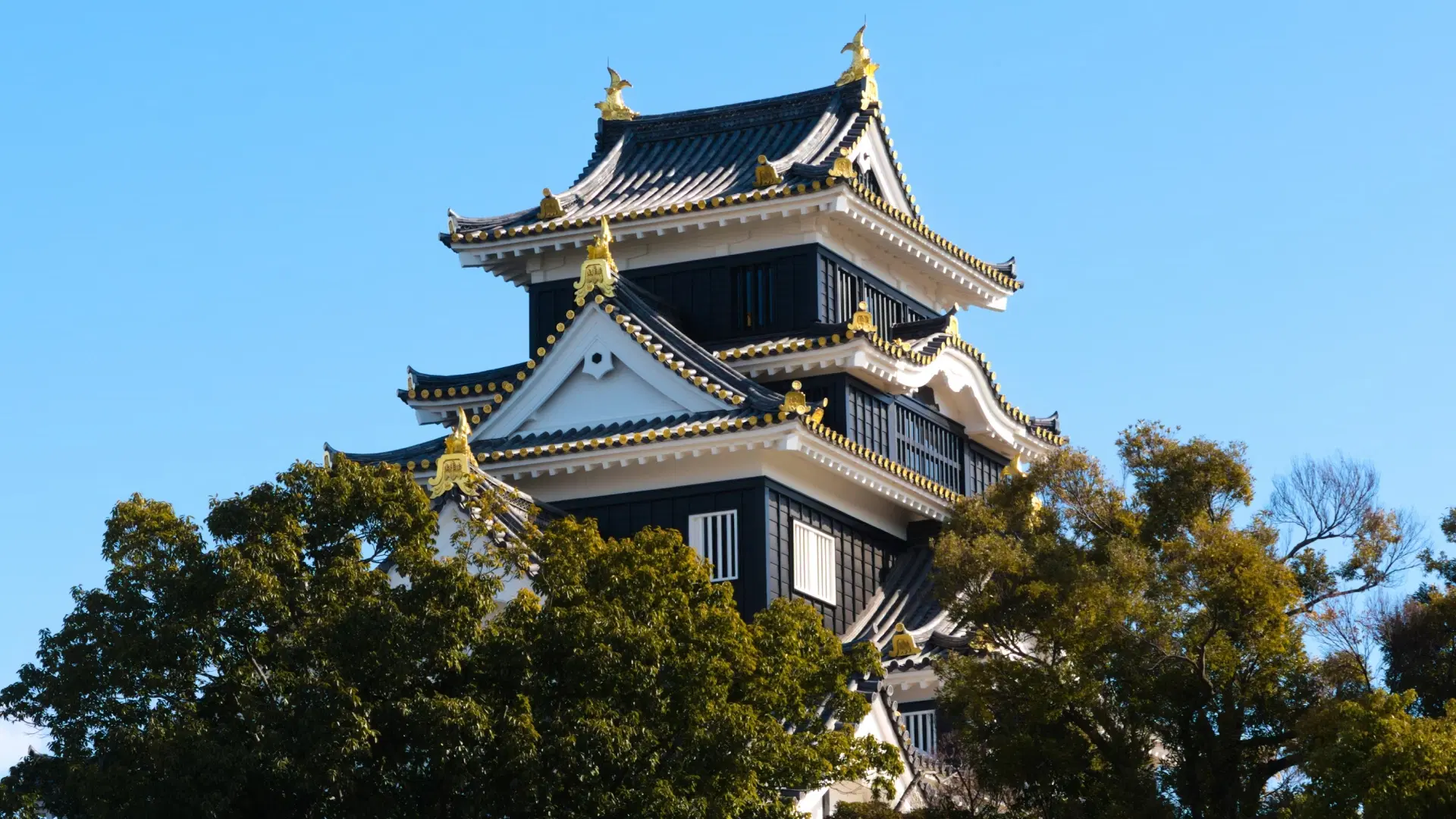
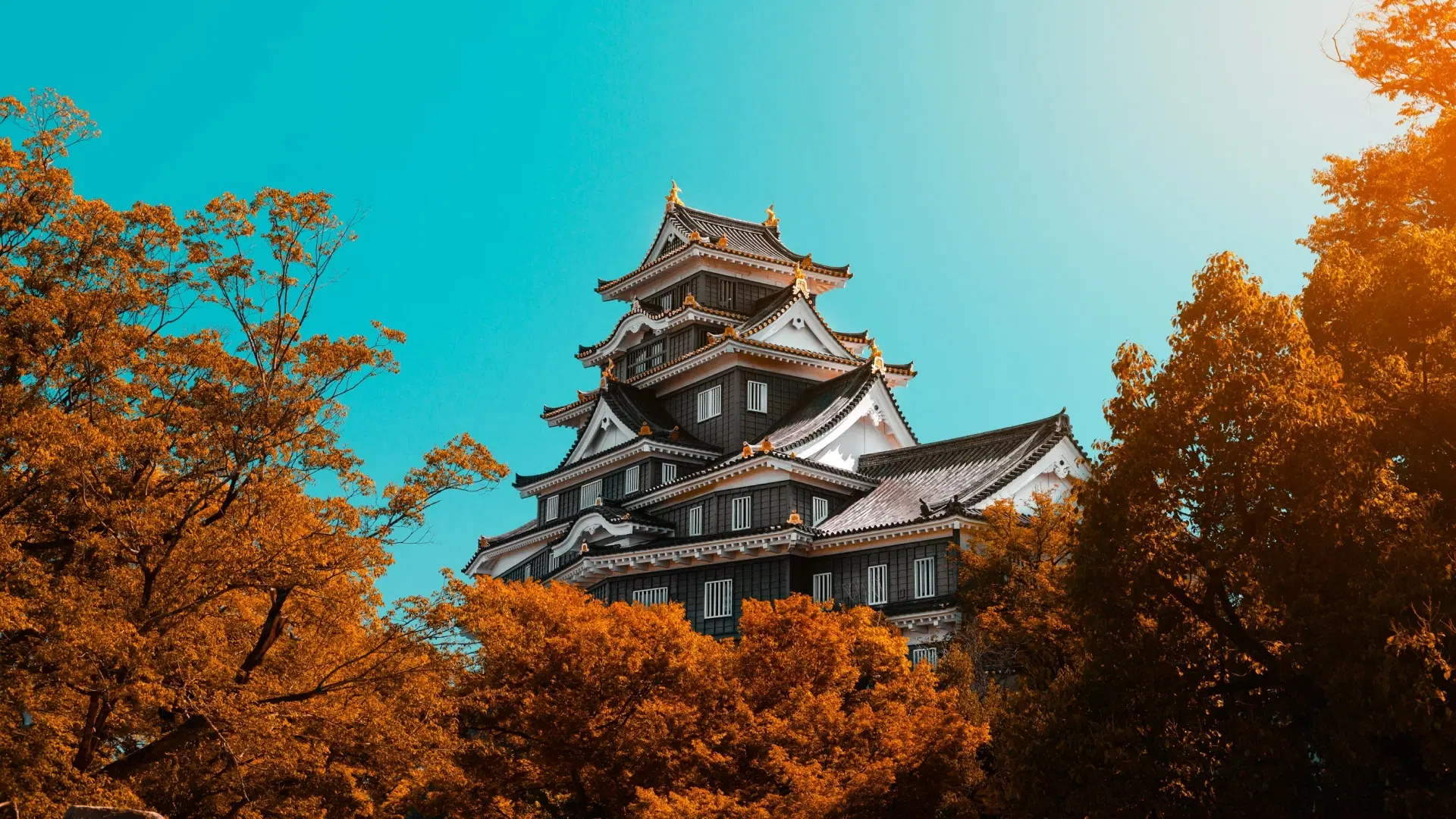
The fireworks display over the Asahi River, typically held on the festival's opening evening, provides the pyrotechnic complement to the dance performances, its bursts of color reflected in the river that flows past Korakuen and Okayama Castle. The combination of fire on the water, the black silhouette of the castle against the illuminated sky, and the warm summer air creates an evening of sensory richness that sets the tone for the festival weekend.
The Okayama Momotaro Festival is the prefectural capital's largest summer celebration, a weekend of dance, fireworks, and communal performance that channels the energy and identity of a city whose founding myth is the folk tale of Momotaro, the Peach Boy.
History & Significance
The Momotaro Festival in its current form dates to 1994, when the city consolidated several existing summer events into a unified celebration anchored by the newly created Uraja dance. The decision to center the festival on a participatory dance form rather than a static parade reflected a desire to create something that belonged to the community rather than merely being performed for it, and the Uraja's rapid growth from a modest inaugural procession to a massive event involving thousands of dancers testifies to the success of this approach.
The Momotaro legend's association with Okayama predates the modern festival by centuries. The folk tale, in which the hero floats down a river in a giant peach to be found by an elderly couple, has been linked to the Okayama region since at least the Edo period, with the Kibitsu Shrine in western Okayama City identified as the site associated with the legend's historical basis in the myth of the deity Kibitsuhiko and his defeat of the demon Ura. The festival's name and imagery draw on this deep mythological connection, grounding a contemporary celebration in the cultural substrate of the region.
The Uraja dance itself was created by a local choreographer who drew on the movements and music of traditional Okayama festivals while incorporating elements of samba, hip-hop, and contemporary dance. This fusion of influences has given the Uraja a distinctive energy that attracts participants from across Japan, and the annual competition for the best team performance has raised the technical and creative standards of the dance to levels that would have been unimaginable at its inception.
What to Expect
The Uraja dance performances occupy the festival's core, with teams parading through designated routes in the city center, each performing original choreography to music that blends traditional and contemporary elements. The costumes are works of art in themselves, designed and often hand-made by each team, their colors and motifs reflecting interpretations of the Momotaro legend, elements of local identity, and the creative visions of individual groups. The energy of the dancers, many of whom train year-round for the festival, is infectious, and the street-level viewing brings spectators into intimate proximity with performances whose precision and passion rival any staged production.
The fireworks display over the Asahi River draws crowds to the riverbanks between Korakuen and the castle, where the reflections in the water double the visual spectacle. The program typically includes both traditional Japanese fireworks, known for their perfectly spherical bursts and vivid color gradations, and contemporary effects, and the riverside setting, framed by the castle and the garden's tree line, provides a context of architectural and natural beauty that elevates the display beyond mere pyrotechnic entertainment.
Food stalls line the festival routes and the riverbank, offering Okayama's characteristic summer fare: grilled octopus from the Seto Inland Sea, fruit-based shaved ice featuring the prefecture's white peaches and grapes, regional craft beer, and the full repertoire of matsuri food that constitutes one of the great pleasures of Japanese festival culture. The atmosphere, simultaneously festive and familial, reflects a city that celebrates with warmth rather than wildness.