Hiroshima
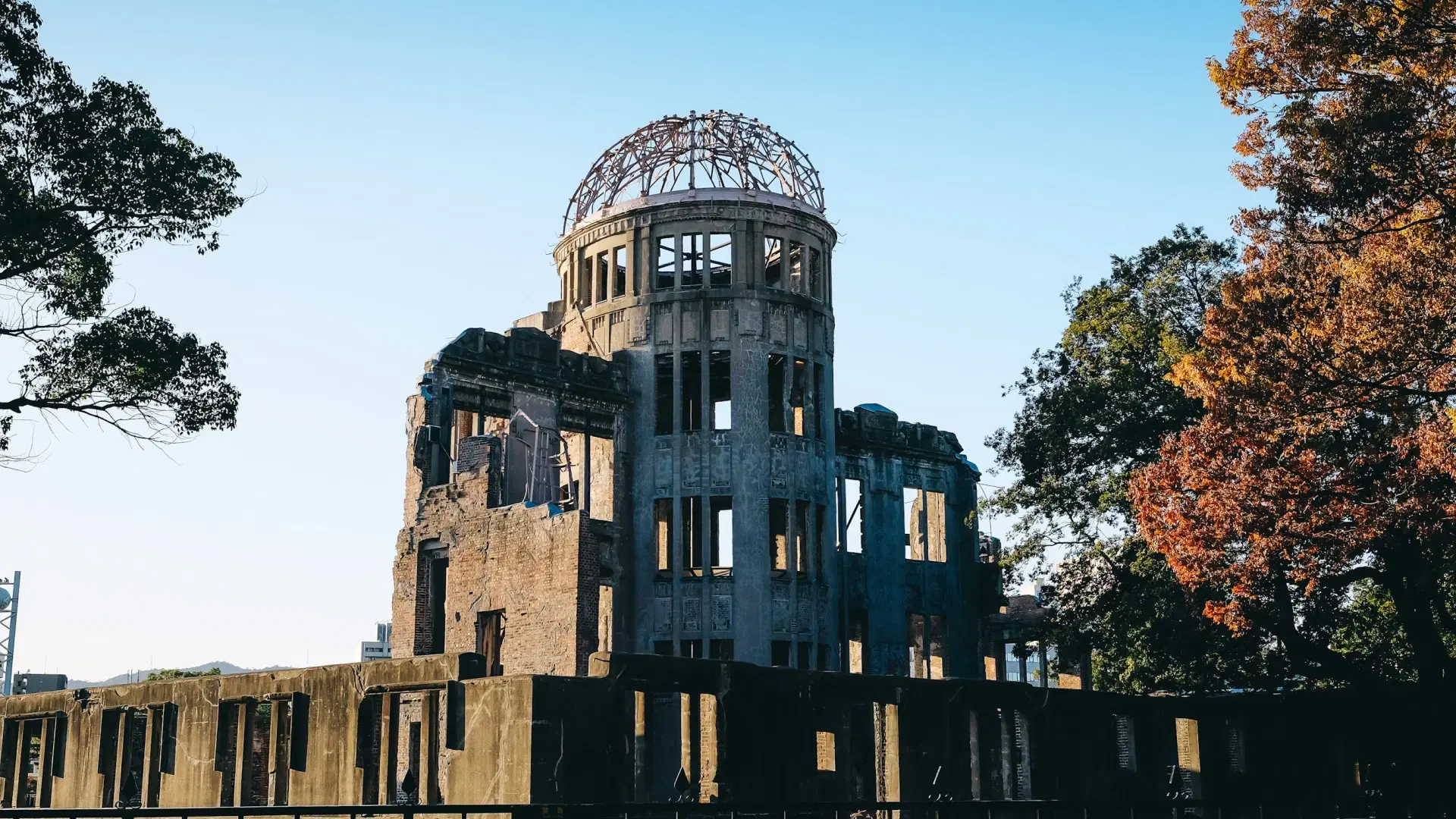
広島県Hiroshima carries the weight of its history with a grace that borders on the profound. The city that was destroyed in a single flash on August 6, 1945 rebuilt itself not as a monument to suffering but as a living declaration of peace, its wide boulevards and flowing rivers lined with trees that have, in eight decades, grown tall enough to shade the future. The Peace Memorial Park and its skeletal Atomic Bomb Dome stand not as relics of despair but as instruments of conscience, drawing visitors from every nation into a silence that speaks across every language.
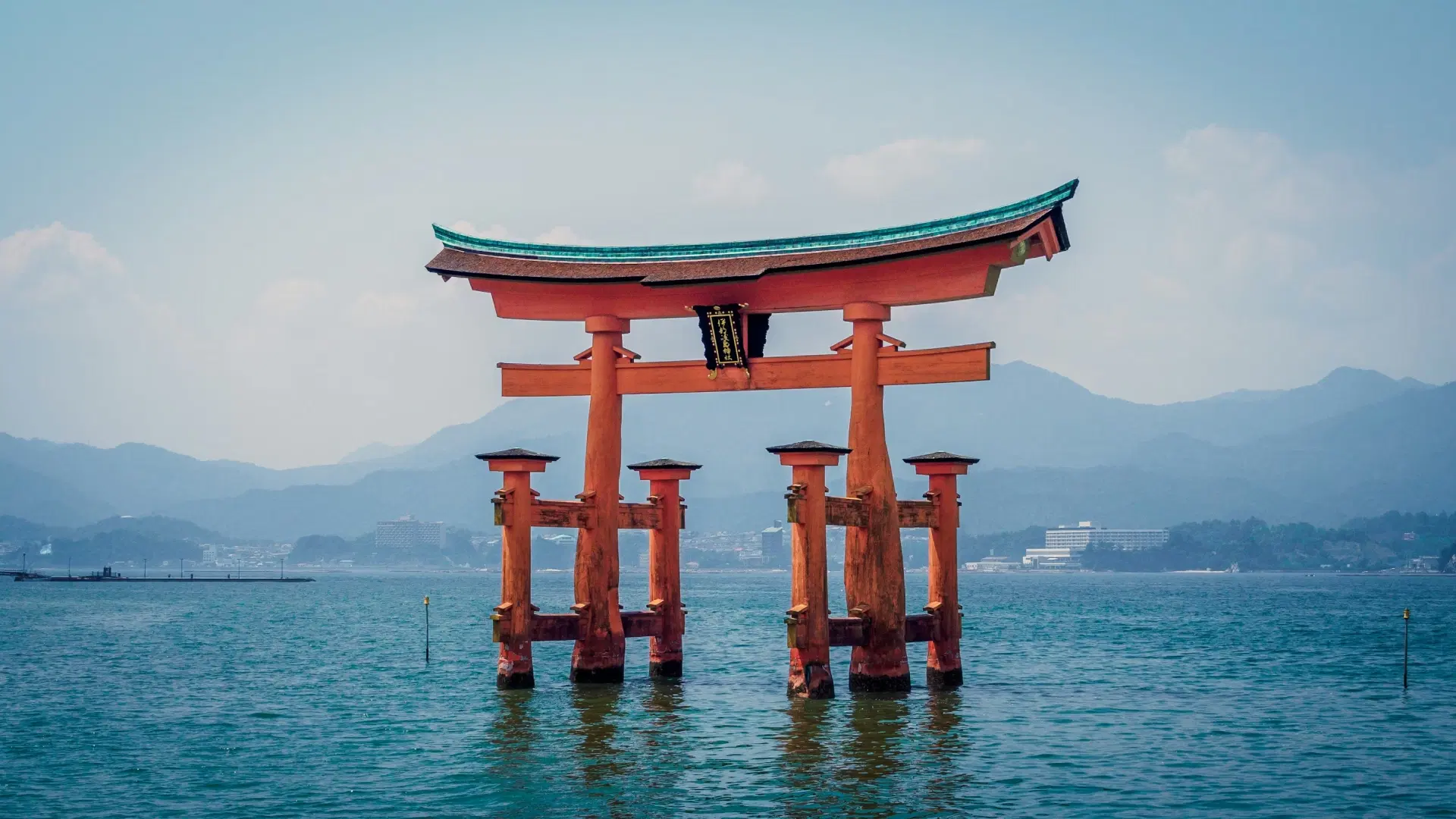
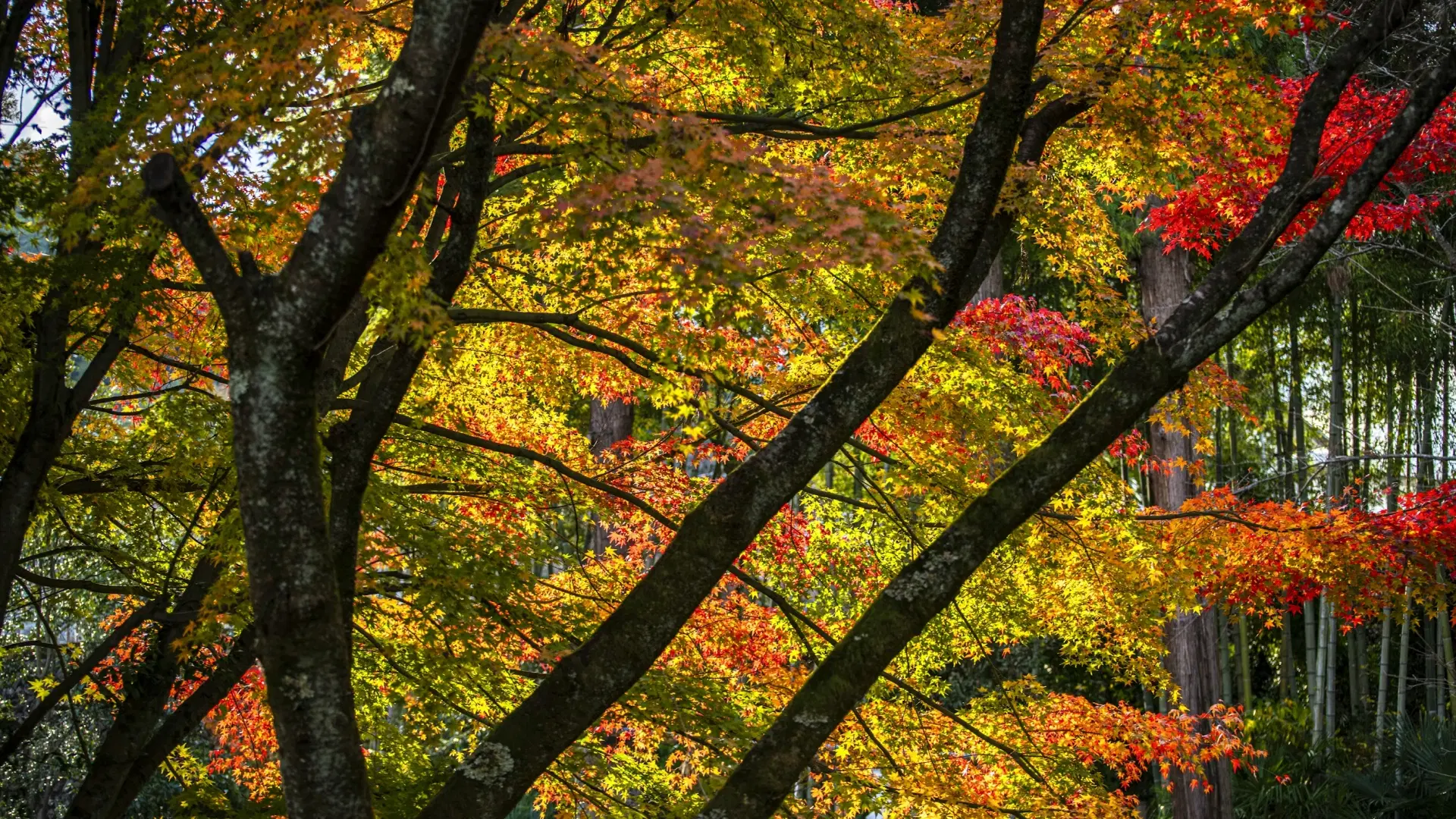
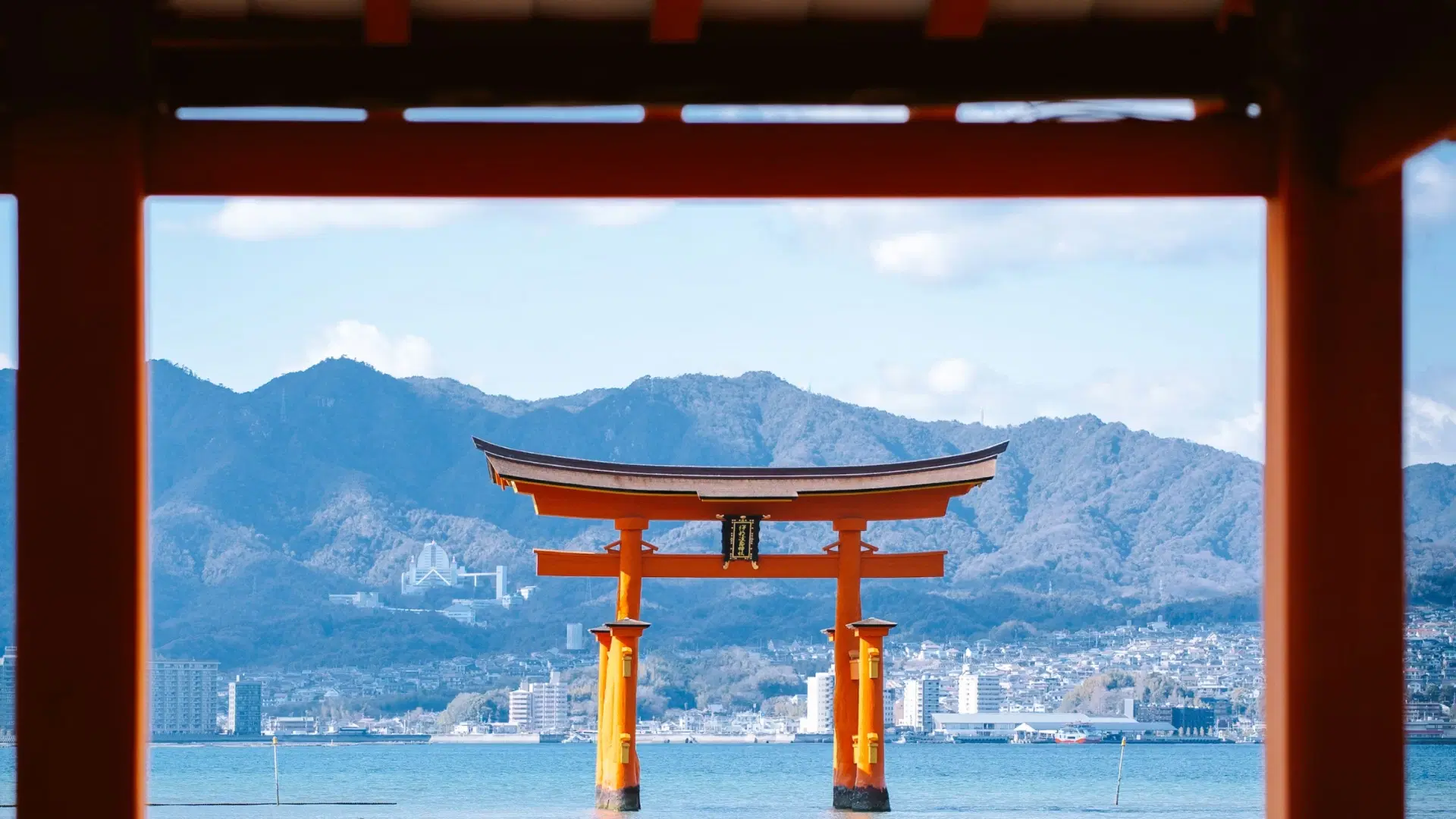
Yet Hiroshima prefecture extends far beyond its capital's solemn purpose. Miyajima, the sacred island whose vermillion torii gate rises from the tidal flats of the Seto Inland Sea, is one of Japan's three most celebrated views. The island's Itsukushima Shrine, a UNESCO World Heritage Site, appears to float at high tide, its architecture merging sea, sky, and sacred space into a single composition. Deer roam freely among maple trees and centuries-old temple grounds, indifferent to the cameras trained upon them.
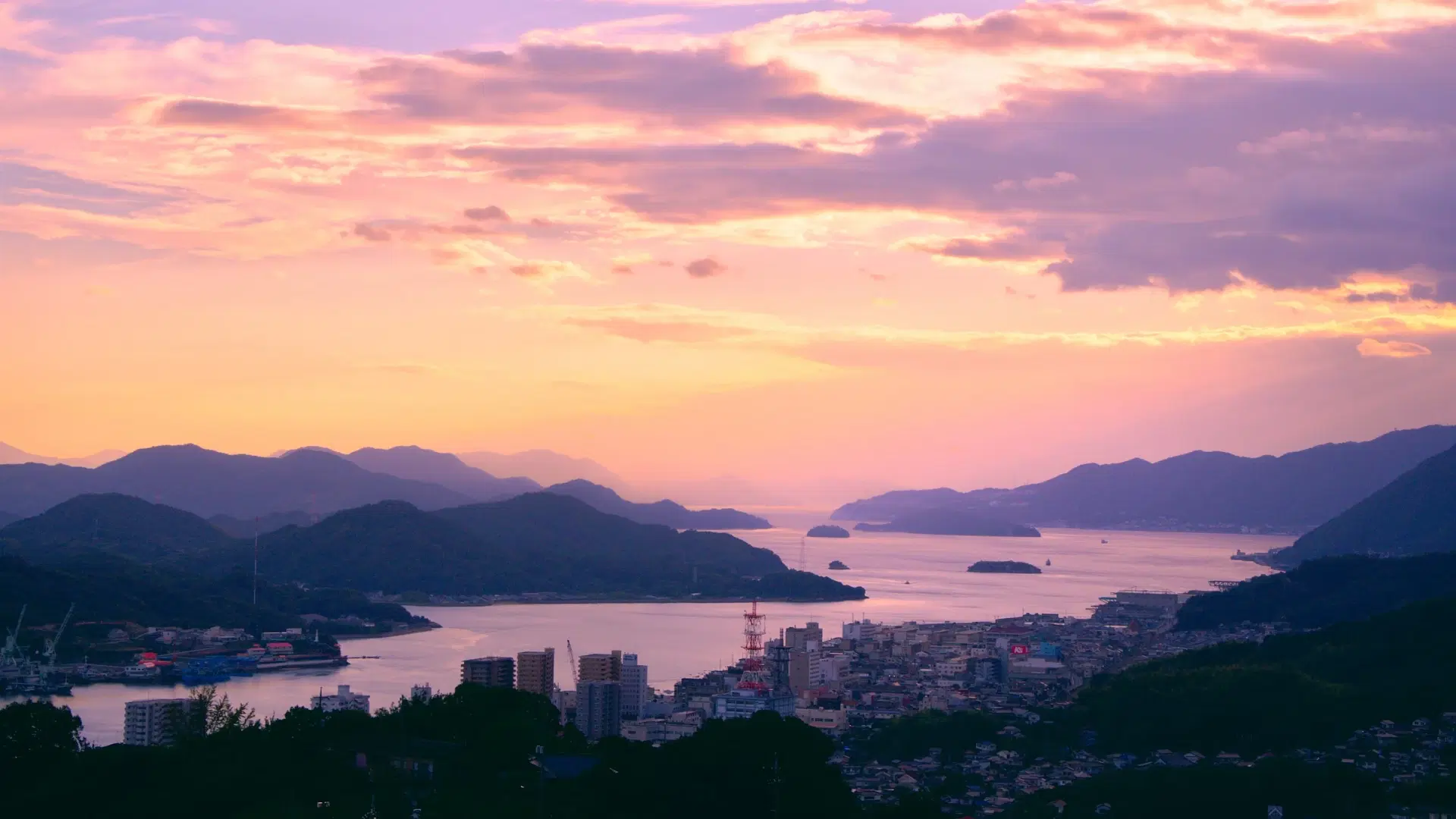
To the east, the hillside town of Onomichi cascades toward the sea through a maze of temples, cats, and literary ghosts. The Saijo district produces some of western Japan's finest sake. And across the Seto Inland Sea, the Shimanami Kaido cycling route connects islands of startling beauty, their citrus groves perfuming the salt air. Hiroshima is a prefecture that has learned to hold sorrow and joy in the same breath.
Hiroshima carries the weight of its history with a grace that borders on the profound.
Cultural Identity
Hiroshima's peace culture is not passive. The Peace Memorial Museum, redesigned to foreground individual stories over statistics, achieves an emotional directness that leaves few visitors unmoved. Paper crane offerings at Sadako's memorial have become a universal symbol of hope. Beyond the capital, Onomichi has long attracted writers, poets, and filmmakers; Ozu Yasujirō set "Tokyo Story" here, and the temple walk along the hillside remains one of Japan's most atmospheric literary pilgrimages. Miyajima's living shrine tradition continues unbroken, with Bugaku court dances performed on the sea-facing stage during festivals. Saijo's sake brewery district, clustered along a single street, preserves Meiji-era architecture and welcomes visitors into the quiet craft of fermentation. Hiroshima's cultural identity is one of renewal, creativity born from what endures.
Culinary Traditions
Hiroshima-style okonomiyaki is the city's signature, and the distinction from its Osaka cousin matters: here, the ingredients are layered rather than mixed, with a foundation of thin batter, mountains of shredded cabbage, pork, noodles, and egg built up on a sizzling griddle. The result is denser, more textured, more satisfying. Miyajima and the coast around Kure produce some of Japan's finest oysters, cultivated in the nutrient-rich waters of the Inland Sea and eaten raw, grilled, fried, or steamed in sake. Momiji manju, maple leaf-shaped cakes filled with red bean paste, are Miyajima's iconic confection. Onomichi ramen, with its soy-based broth enriched by pork back fat, has a devoted following. Hiroshima's lemon production leads the nation, and the fruit appears in everything from sours to vinaigrettes.
Waters & Onsen
Miyajima's modest hot springs offer the rare experience of bathing within view of the sacred island's forested slopes, with several ryokan providing private baths fed by simple alkaline springs. On the mainland, Yuki Onsen in the northern mountains provides a more traditional retreat, its radium-enriched waters set in a steep valley where snow accumulates in winter. Kimi no Yu and other small bathhouses in Onomichi serve the hillside community with unpretentious mineral baths. Hiroshima's onsen offerings are gentle rather than dramatic, complementing a prefecture whose primary draw lies in culture, cuisine, and coastal beauty. The Seto Inland Sea itself, while not a thermal resource, provides the maritime climate that softens Hiroshima's winters and shapes the character of daily life.