Hiroshima Flower Festival
ひろしまフラワーフェスティバルThe Hiroshima Flower Festival is the city in full bloom, a three-day Golden Week celebration that fills Peace Boulevard with parades, music, dance, and more flowers than the eye can hold. What began as a community response to the Hiroshima Carp baseball team's first Central League pennant has grown into one of the largest festivals in western Japan, drawing over 1.6 million visitors to a mile-long corridor of performance stages, flower displays, and processional floats that stretches from the Peace Memorial Park toward the eastern reaches of the city. The festival is Hiroshima at its most exuberant, the same city that observes August 6 in solemn silence choosing, in May, to celebrate the life that grew from devastation.
The choice of flowers as the festival's organizing symbol carries a weight that transcends decoration. In a city whose soil was once thought too poisoned to support growth, the annual profusion of blossoms along Peace Boulevard is a quiet assertion of regeneration. The flower towers that line the parade route, constructed by schools, companies, and community groups in the weeks before the festival, rise like vertical gardens above the crowds, each one a collaborative work of living art that embodies the communal spirit the festival cultivates. Carnations, the festival's signature flower, are exchanged between strangers as tokens of peace and goodwill, their simple beauty standing in for sentiments too large for ordinary language.
For the visitor, the Flower Festival offers a Hiroshima seldom glimpsed by those who know the city only through its wartime history. The parade, featuring thirty thousand participants in costumes ranging from traditional yosakoi dance attire to elaborate fantasy creations, reveals a city of creative energy and civic pride. The music stages, scattered along the boulevard like notes on a score, present everything from taiko drumming to jazz, from children's choirs to rock bands, the diversity of sound reflecting a city that refuses to be defined by a single narrative.
The Hiroshima Flower Festival is the city in full bloom, a three-day Golden Week celebration that fills Peace Boulevard with parades, music, dance, and more flowers than the eye can hold.
History & Significance
The Hiroshima Flower Festival was born in 1977 from an eruption of civic joy. The Hiroshima Toyo Carp, the city's beloved baseball team, won the Central League pennant for the first time in their history the previous autumn, and the victory parade that followed drew such enormous and spontaneous crowds that civic leaders recognized an appetite for communal celebration that had no regular outlet. The decision to channel that energy into an annual festival, scheduled during the Golden Week holiday to maximize participation, reflected a desire to give Hiroshima a tradition of public joy to complement its tradition of public mourning.
The selection of flowers as the festival's theme was deliberate and symbolic. Hiroshima's recovery from the atomic bombing had been accompanied by a sustained effort to green the city, to prove through the planting of trees and flowers that the land could sustain life once more. The Flower Festival extended this horticultural commitment into the realm of civic celebration, the floral displays and carnation exchanges transforming the act of growing things into a public ritual of hope. Over the decades, the festival has grown from a modest local parade into one of Japan's largest outdoor events, its scale and ambition reflecting both the city's prosperity and its determination to be known for creation as well as destruction.
What to Expect
The festival's main artery is Peace Boulevard, a wide, tree-lined avenue that runs east from the Peace Memorial Park, its central median and sidewalks transformed into a continuous festival ground. The flower parade, which occupies much of each day, sends a procession of floats, marching bands, dance troupes, and costumed groups along the boulevard in a river of movement and color that takes hours to pass. The yosakoi dance teams, their members in coordinated costumes performing choreographed routines with naruko clappers, bring a kinetic energy that is infectious, their performances drawing spectators into impromptu dancing along the sidewalks.
The thirty-odd stages positioned along the boulevard host a continuous program of performances from morning until evening. Local school bands play alongside professional musicians, community dance groups share billing with invited artists, and the resulting mix of amateur enthusiasm and professional polish creates an atmosphere of democratic celebration in which every participant, regardless of skill level, contributes to the collective joy. The flower towers, constructed by hundreds of civic organizations, line the parade route like sentinels of color, their arrangements competing informally for the most creative and beautiful display.
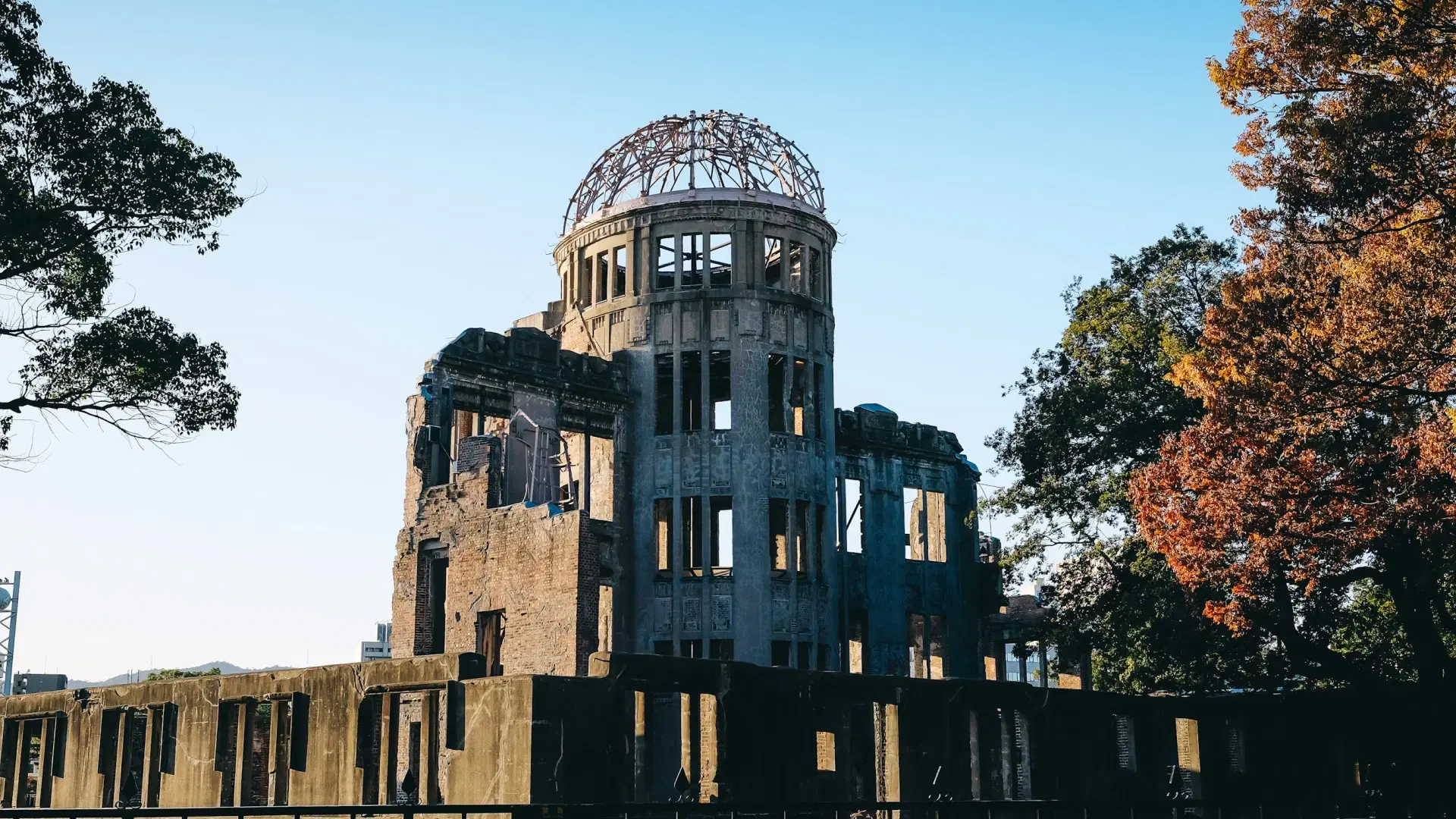
The Peace Memorial Park, at the festival's western anchor, hosts its own programming that connects the celebration to the city's deeper story. Concerts, art exhibitions, and children's activities take place in the shadow of the Atomic Bomb Dome, the juxtaposition of festivity and memorial creating an emotional texture unique to Hiroshima. The carnation exchange, in which participants give and receive single flowers as gestures of peace, provides the festival's most personal ritual, each bloom a small act of connection between strangers.