Miyajima Water Fireworks Festival
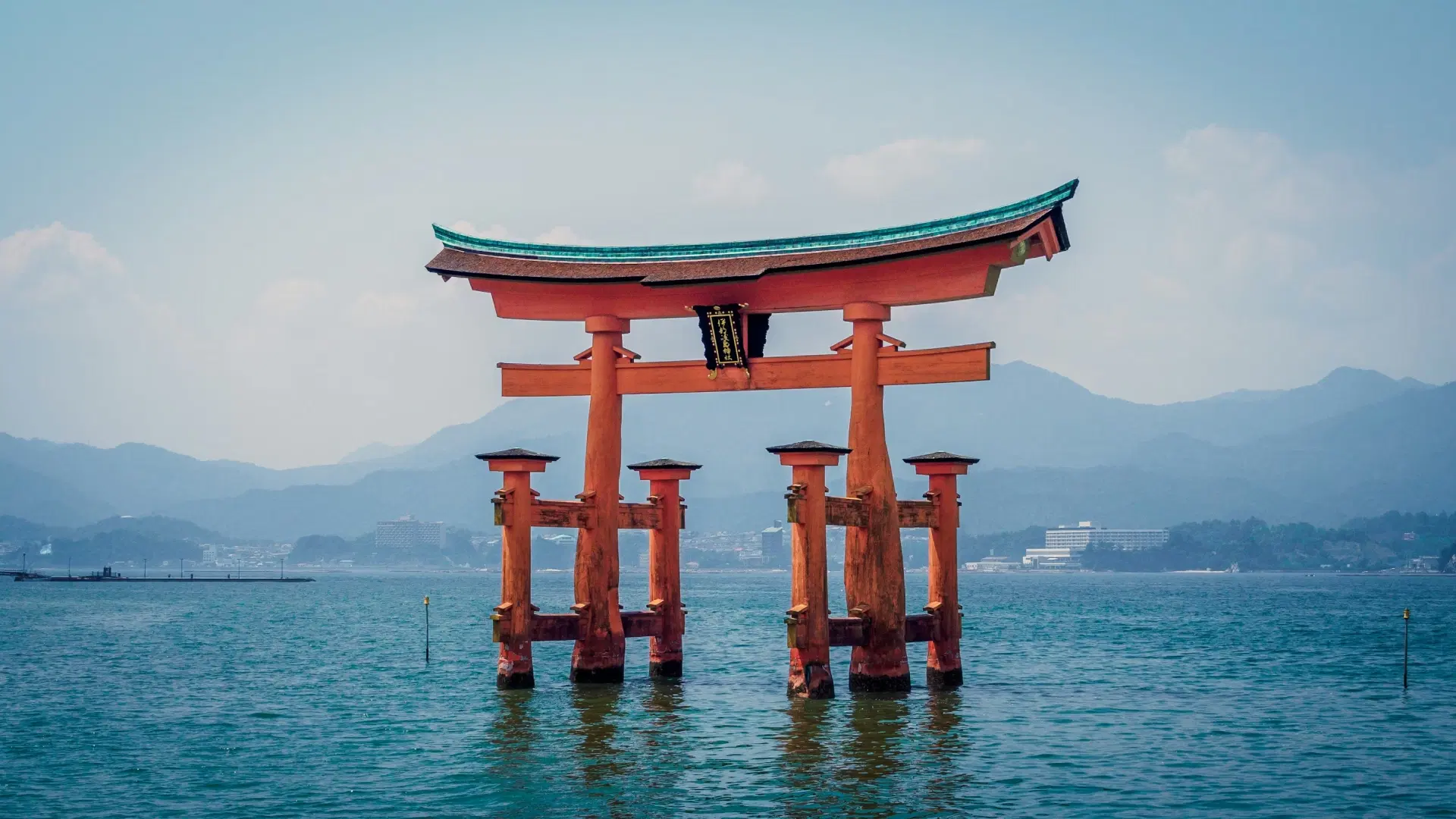
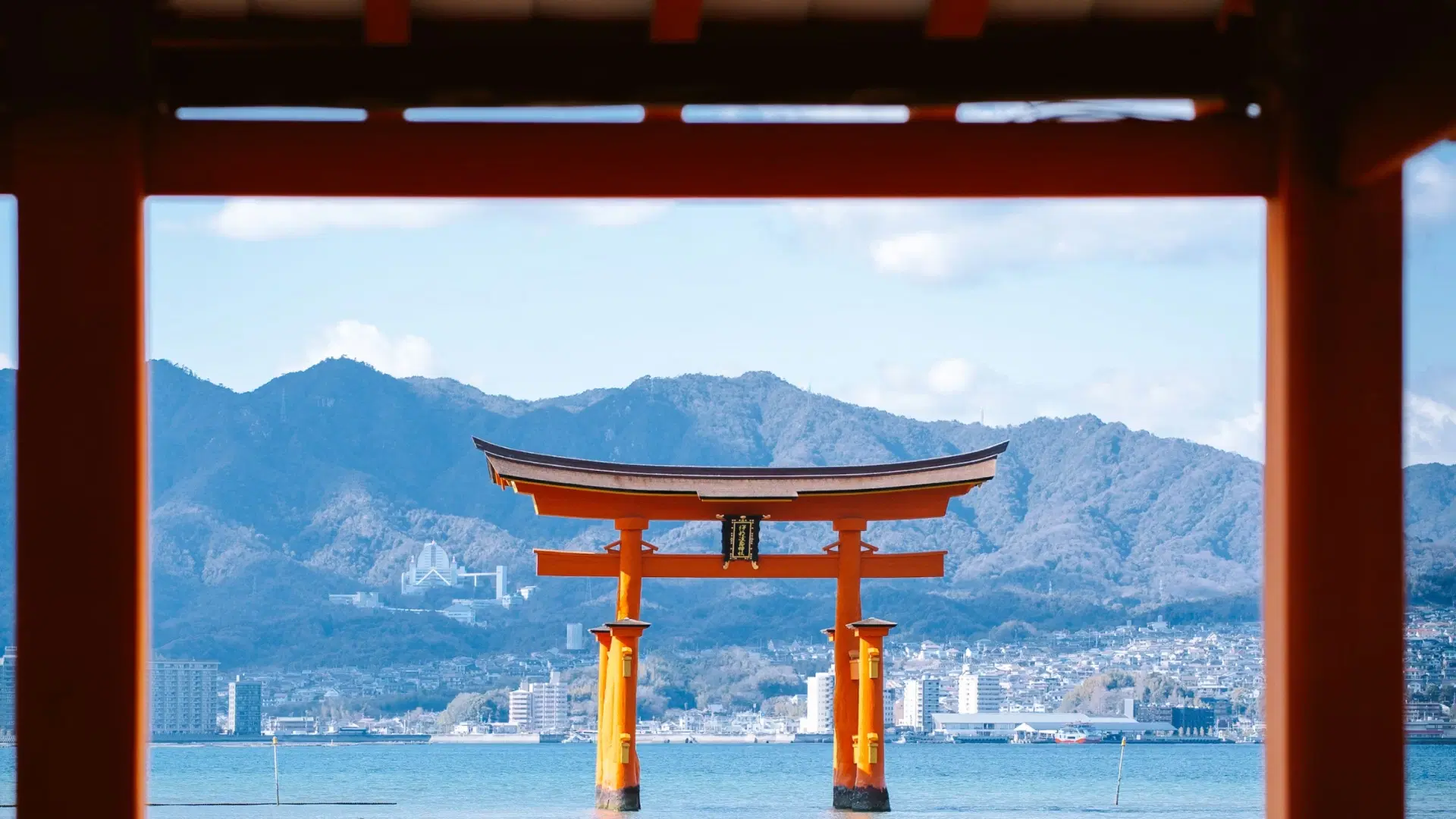
宮島水中花火大会The Miyajima Water Fireworks Festival sets the sky ablaze above one of Japan's most sacred landscapes, its pyrotechnic display framed by the great torii gate of Itsukushima Shrine and reflected in the dark waters of the Seto Inland Sea. The combination of setting and spectacle is unmatched in a country renowned for its fireworks tradition: the explosions of color bloom above and behind the torii gate, their reflections creating a double display on the water's surface, while the vermilion corridors of the shrine, the forested silhouette of Mount Misen, and the distant lights of the mainland coast provide a backdrop whose beauty would be extraordinary even without the pyrotechnic addition.
The festival's distinguishing technical feature is its use of underwater fireworks, shells launched from beneath the water's surface that produce hemispheric bursts of color erupting from the sea itself. These water-borne explosions, combined with the aerial shells launched from barges anchored before the shrine, create a display that occupies the full vertical range from the sea floor to the sky, filling the space between with cascades of fire, light, and color whose reflections extend the spectacle further still. The acoustic effect, amplified by the water's surface and the island's mountainous topography, adds a percussive dimension that is felt in the chest as much as heard by the ear.
The spiritual context elevates the Miyajima fireworks beyond mere entertainment. Itsukushima Shrine, before which the display unfolds, has been a site of sacred observance for over fourteen centuries, and the tradition of fire as an offering to the divine, expressed in the torchlight processions and bonfire rituals of Japanese shrine festivals, gives the fireworks a ceremonial quality that connects this modern pyrotechnic display to the deep tradition of luminous devotion.
The Miyajima Water Fireworks Festival sets the sky ablaze above one of Japan's most sacred landscapes, its pyrotechnic display framed by the great torii gate of Itsukushima Shrine and reflected in the dark waters of the Seto Inland Sea.
History & Significance
Fireworks on Miyajima have a history that predates the formal establishment of the modern festival, with records of celebratory pyrotechnic displays on the island dating to the Meiji era. The contemporary Water Fireworks Festival was established in the mid-twentieth century as a summer event that would draw visitors to the island during the warmest months and showcase the unique visual potential of the shrine setting. The development of underwater fireworks technology, which allows shells to be detonated beneath the water's surface, added the distinctive element that has made the Miyajima display famous among pyrotechnic enthusiasts and casual viewers alike.
The festival's growth in popularity has been both a blessing and a logistical challenge. The island's limited capacity and the constraints of the ferry system mean that attendance must be managed carefully, and the crowds that gather on the island's beaches, shrine grounds, and hillside viewing points represent the maximum that the infrastructure can sustain. The festival organizers have responded with expanded ferry schedules, designated viewing areas, and overflow arrangements on the mainland shore at Miyajimaguchi, where the display can be viewed across the water with the island and shrine in silhouette.
In recent years, the festival has occasionally been restructured or relocated due to concerns about the impact of vibrations on the shrine's historic structures and the environmental effects of the display on the marine habitat. These considerations reflect the ongoing negotiation between cultural celebration and the preservation responsibilities that attend a UNESCO World Heritage Site, and the festival's organizers have demonstrated a commitment to finding solutions that honor both imperatives.
What to Expect
The display typically begins after sunset, the darkness necessary to reveal the full impact of the pyrotechnic effects against the sky and water. The signature underwater fireworks open the program, their hemispheric bursts erupting from the sea surface in fans of color that illuminate the torii gate from below. Aerial shells follow in sequences that build in intensity and complexity, their compositions ranging from the traditional spherical breaks of Japanese hanabi, renowned for their geometric perfection and color gradation, to multi-stage effects that fill the sky with cascading patterns of light.
The most dramatic moments occur when the aerial and underwater elements combine, fire erupting simultaneously from the sea and the sky in displays that seem to dissolve the boundary between the two. The torii gate, silhouetted against the explosions, provides a fixed reference point that anchors the visual chaos in a recognizable form, and the shrine's corridors and rooflines, intermittently illuminated by the flashes, appear and disappear like elements of a dream.
Viewing positions determine the quality of the experience. The beach areas near the shrine provide the most immersive perspective, with the torii gate in the foreground and the fireworks filling the sky directly overhead. The hillside above the shrine offers a more panoramic view that encompasses the full arc of the display and the mainland coast beyond. Viewing from the Miyajimaguchi shore on the mainland provides the most complete composition, the entire island silhouetted against the sky with the fireworks crowning it, though at the cost of proximity and acoustic intensity.