Miyajima Oyster Festival
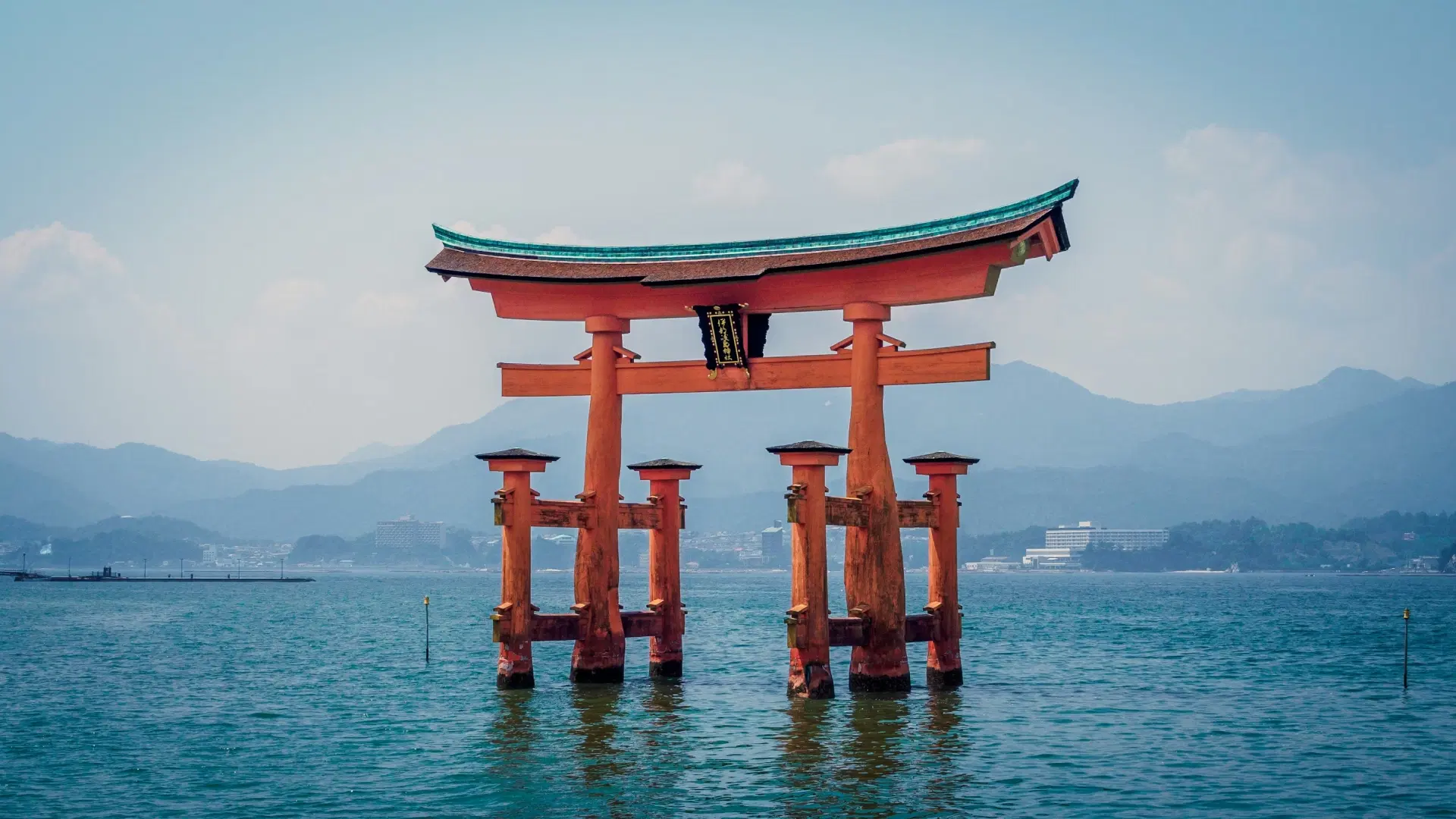
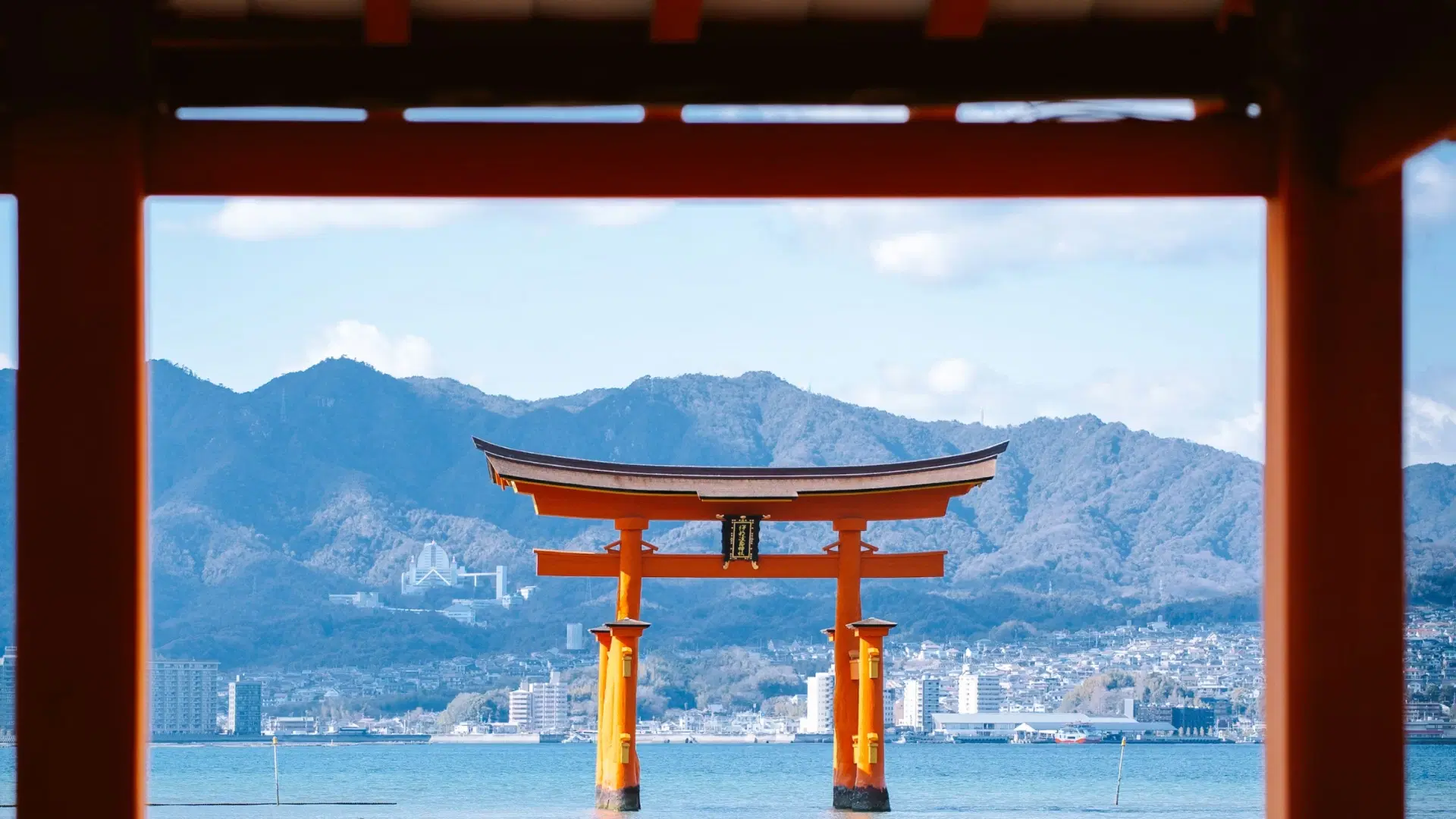
宮島かき祭りThe Miyajima Oyster Festival is winter made edible. Each February, when the cold waters of the Seto Inland Sea have concentrated the oysters of Hiroshima Bay to their peak of brininess and sweetness, the island of Miyajima hosts a celebration of the bivalve that has sustained the region's coastal communities for centuries. The festival grounds, set along the waterfront within sight of the great torii gate, fill with the smoke and scent of oysters grilling over charcoal, their shells popping open in the heat to reveal the plump, glistening meat that has made Hiroshima the largest oyster-producing prefecture in Japan.
The setting elevates what could be a simple food festival into something more resonant. Miyajima, sacred island of Itsukushima Shrine, lends its beauty and spiritual weight to the proceedings. The vermilion shrine corridors frame views of the festival grounds, and the forested slopes of Mount Misen rise behind the grilling stations like a painted backdrop. The oysters themselves are drawn from the raft-cultivation beds that dot the inland sea, their growth nurtured by the same tidal currents that flow beneath the floating torii, connecting the act of eating to the geography of worship in a way that feels entirely natural rather than contrived.
For the visitor, the festival offers a rare opportunity to taste Hiroshima oysters at their source, prepared in the styles that local families have perfected over generations. Grilled in the shell with nothing but heat and smoke. Simmered in miso-based nabe. Fried in a light batter and served with a squeeze of lemon. Steamed with rice in a clay pot until the grains absorb the liquor of the sea. Each preparation reveals a different facet of the oyster's character, and the cumulative effect of tasting them in sequence, outdoors in the February chill with the shrine visible across the water, is an education in regional terroir that no restaurant can replicate.
The Miyajima Oyster Festival is winter made edible.
History & Significance
Oyster cultivation in Hiroshima Bay dates to at least the sixteenth century, when records indicate that farmers began constructing stone and bamboo structures in the shallows to encourage spat settlement. The bay's protected waters, rich in the phytoplankton that oysters filter from the current, proved ideal for cultivation, and the industry grew steadily through the Edo period, supplying the castle town of Hiroshima and the communities of the inland sea islands. Miyajima's proximity to the richest cultivation grounds made the island a natural gathering point for the oyster trade, its harbors receiving the harvest boats whose catches were sorted and sold on the waterfront.
The modern Miyajima Oyster Festival was established in the 1980s as an effort to promote Hiroshima oysters during their peak winter season and to draw visitors to the island during the quieter months between the autumn foliage and the spring cherry blossoms. The festival quickly became one of the region's most popular winter events, its combination of exceptional seafood, sacred scenery, and the simple pleasure of eating outdoors in crisp winter air proving irresistible to both local residents and travelers from across western Japan. The event has grown in scale while maintaining the informal, communal spirit of its origins, the emphasis remaining on the oysters themselves rather than on elaborate programming or entertainment.
What to Expect
The festival grounds occupy the open area along the Miyajima waterfront, between the ferry terminal and the approach to Itsukushima Shrine. Grilling stations, staffed by local fishermen and volunteers, produce a continuous supply of oysters cooked over charcoal, their shells blackening and splitting to release curls of aromatic steam. The queue for grilled oysters forms early and remains steady throughout the day, but the wait is part of the pleasure, the anticipation building as the smoke drifts across the crowd and the sound of shells cracking punctuates the conversation.
Beyond the grilling stations, food stalls offer the full range of Hiroshima oyster preparations. The kaki nabe, a hot pot simmered with miso, tofu, and winter vegetables, provides warmth against the February cold, each bowl yielding several plump oysters that have absorbed the savory depth of the broth. Kaki furai, the deep-fried oysters that are a Hiroshima specialty, arrive golden and crackling, their interiors molten with juice. Kaki meshi, oyster rice cooked in earthenware pots, delivers the essence of the oyster in a form so concentrated that a single bowl can sustain the memory of the sea for hours afterward.
The island itself provides the ideal setting for a winter food festival. The crowds are smaller than during the peak tourist seasons, lending Miyajima a quieter, more intimate atmosphere. The deer, emboldened by the reduced foot traffic, wander closer to the festival grounds. The shrine, stripped of the cherry blossoms and autumn color that usually compete for attention, presents its architecture in the clear, unadorned light of winter, its vermilion columns stark against the grey sky and the dark water.