Japanese Craft Traditions in the Ryokan
From lacquerware to textiles, the living arts that furnish Japan's finest inns
A great Japanese ryokan is, among its many identities, a gallery of Japanese craft. The ceramics on which the kaiseki is served, the lacquerware that holds the soup and rice, the washi paper that covers the shoji screens, the textiles of the futon covers and the noren curtains: each of these objects represents a craft tradition with its own history, techniques, regional identity, and master practitioners.
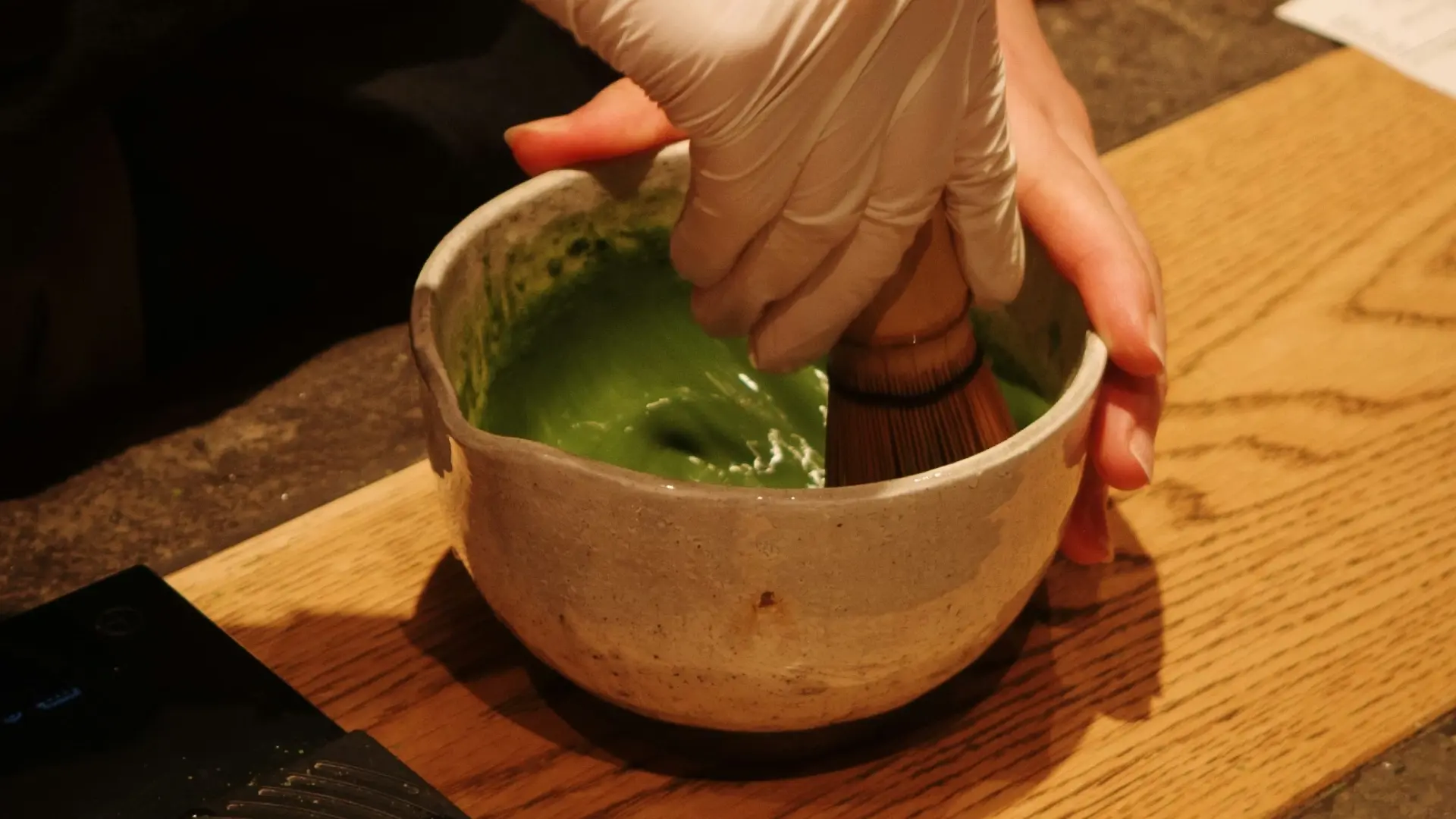
Unlike a museum, where objects are isolated behind glass and explained by wall text, the ryokan presents its craft collection in use. The guest holds the tea bowl in their hands, feels its weight and texture, drinks from it. This direct, tactile encounter with handcrafted objects is one of the most valuable aspects of the ryokan experience.
Ceramics: The Art of Earth and Fire
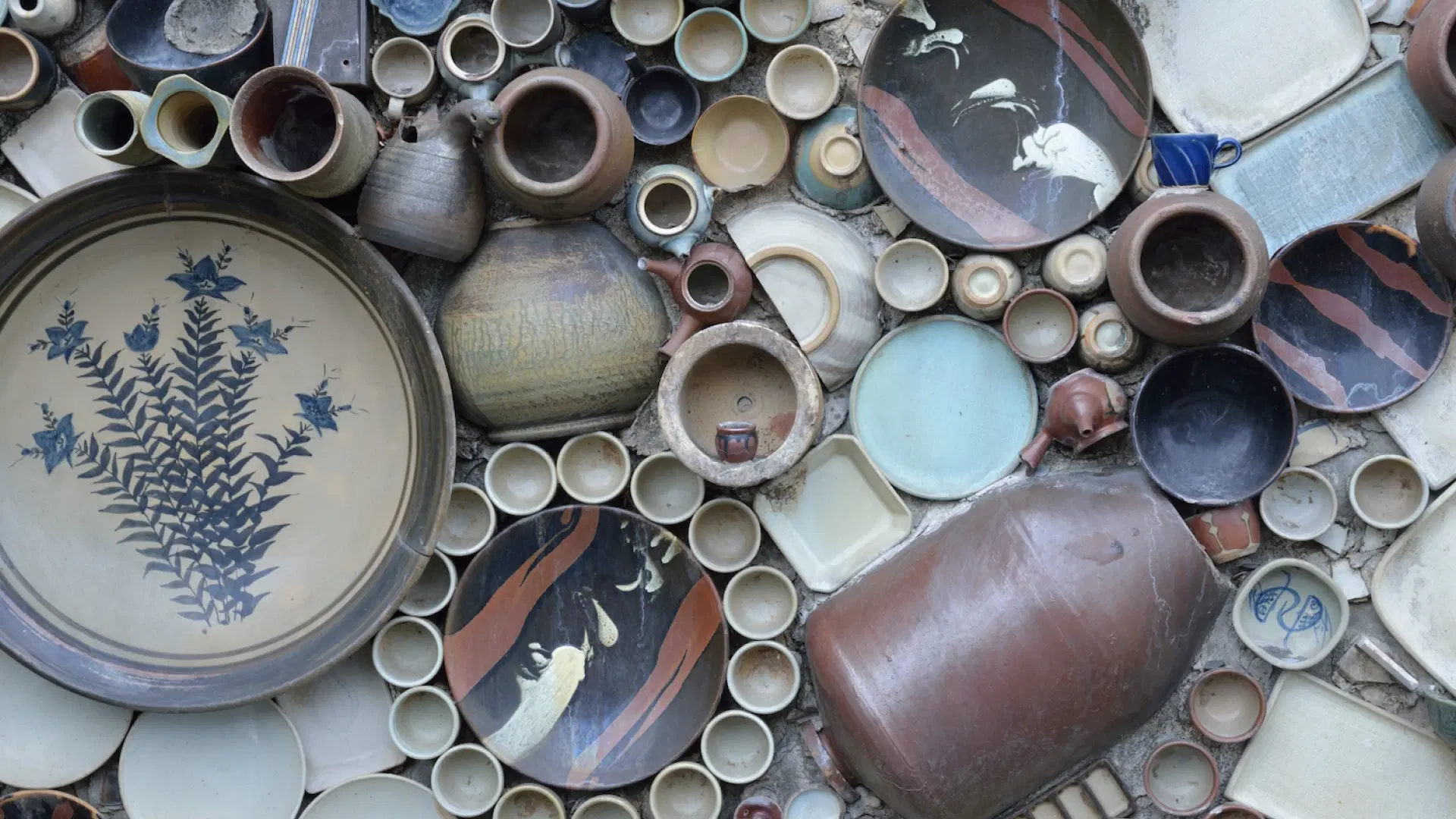
Japanese ceramics represent perhaps the most diverse and accomplished pottery tradition in the world. The major traditions are regional: Bizen ware from Okayama is unglazed, its surface decorated solely by fire and ash. Kutani ware from Ishikawa is richly decorated with overglaze enamels. Hagi ware from Yamaguchi is prized for its soft clay and milky glazes that change color with use. Raku ware from Kyoto, developed specifically for the tea ceremony, has been maintained by the Raku family for fifteen generations.
Japan designates master craftspeople as Ningen Kokuho, Living National Treasures. There are currently around 110 living designees across all craft and performing art categories, preserving techniques that span centuries.
Lacquerware: Urushi and Time
Japanese lacquerware, or urushi, is among the most technically demanding crafts in the world. A single bowl may require thirty or more individual coats of lacquer. Wajima-nuri, from the Noto Peninsula in Ishikawa Prefecture, is considered the most durable and technically accomplished form. At a ryokan in the Kanazawa area, the lacquerware will almost certainly be Wajima-nuri, produced by artisans whose skills have been transmitted for over 600 years.
Textiles: The Thread of Tradition
The yukata is the most immediate textile encounter. At distinguished properties, the yukata is often made from cotton dyed with traditional techniques. Some ryokans in Kyoto (kyo-yuzen) or Kanazawa (kaga-yuzen) offer yukata that are genuine works of textile art.
The tea bowl you hold was made by a specific person, in a specific place, using skills inherited from a teacher who inherited them from a teacher before that. These are not mass-produced amenities. They are individual acts of creation.
On craft and gratitude in the ryokan
Washi: The Paper That Breathes
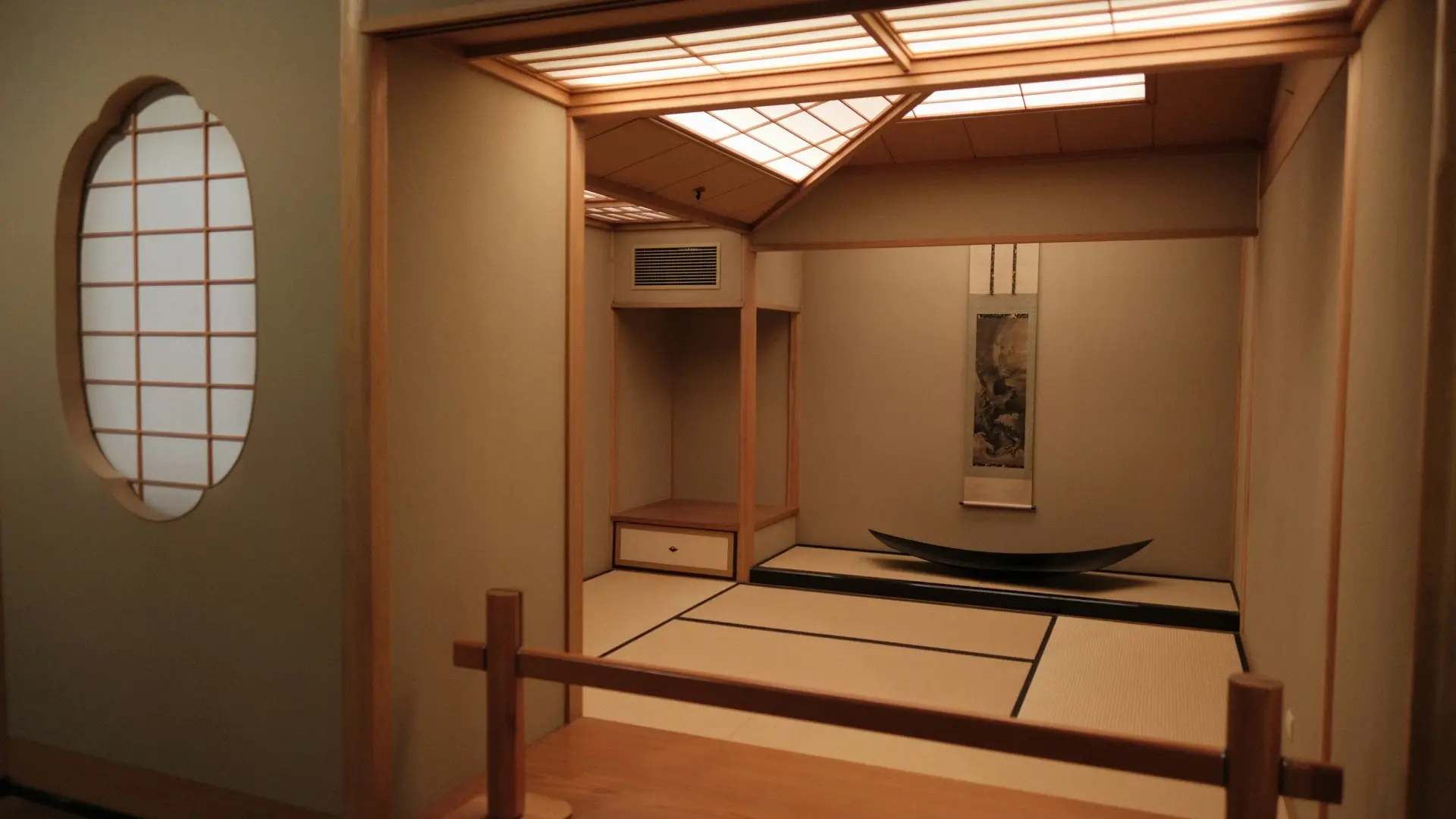
Japanese handmade paper, or washi, is a UNESCO Intangible Cultural Heritage and one of the foundational materials of the ryokan. When light passes through washi, it is transformed. The fibers scatter the light, softening harsh direct sun into a warm, diffuse glow that fills the room evenly. This quality of light is one of the defining sensory experiences of the ryokan and cannot be replicated by any modern material.
The Living Chain
The relationship between the ryokan and the craft traditions of its region is a symbiosis under pressure. The ryokan that continues to commission handmade ceramics, lacquerware, textiles, and paper from regional artisans is not merely decorating its rooms. It is sustaining a cultural ecosystem.



The mingei, or folk art, movement was founded by Yanagi Soetsu in the 1920s to celebrate the beauty of everyday objects made by anonymous craftspeople. Its influence elevated the status of regional crafts throughout Japan.