The Tokonoma: Art in the Alcove
The sacred display space that reveals the soul of the ryokan
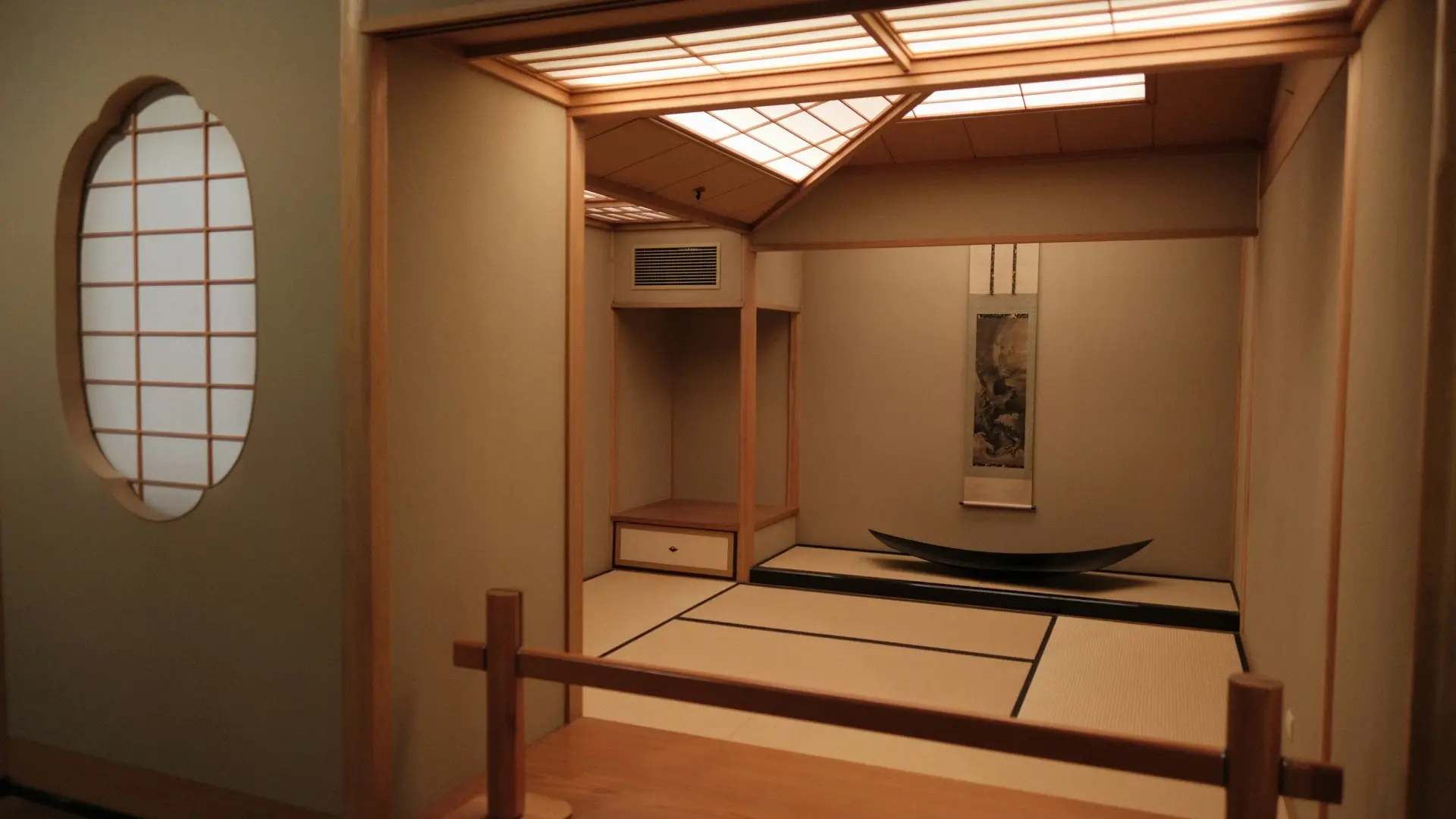
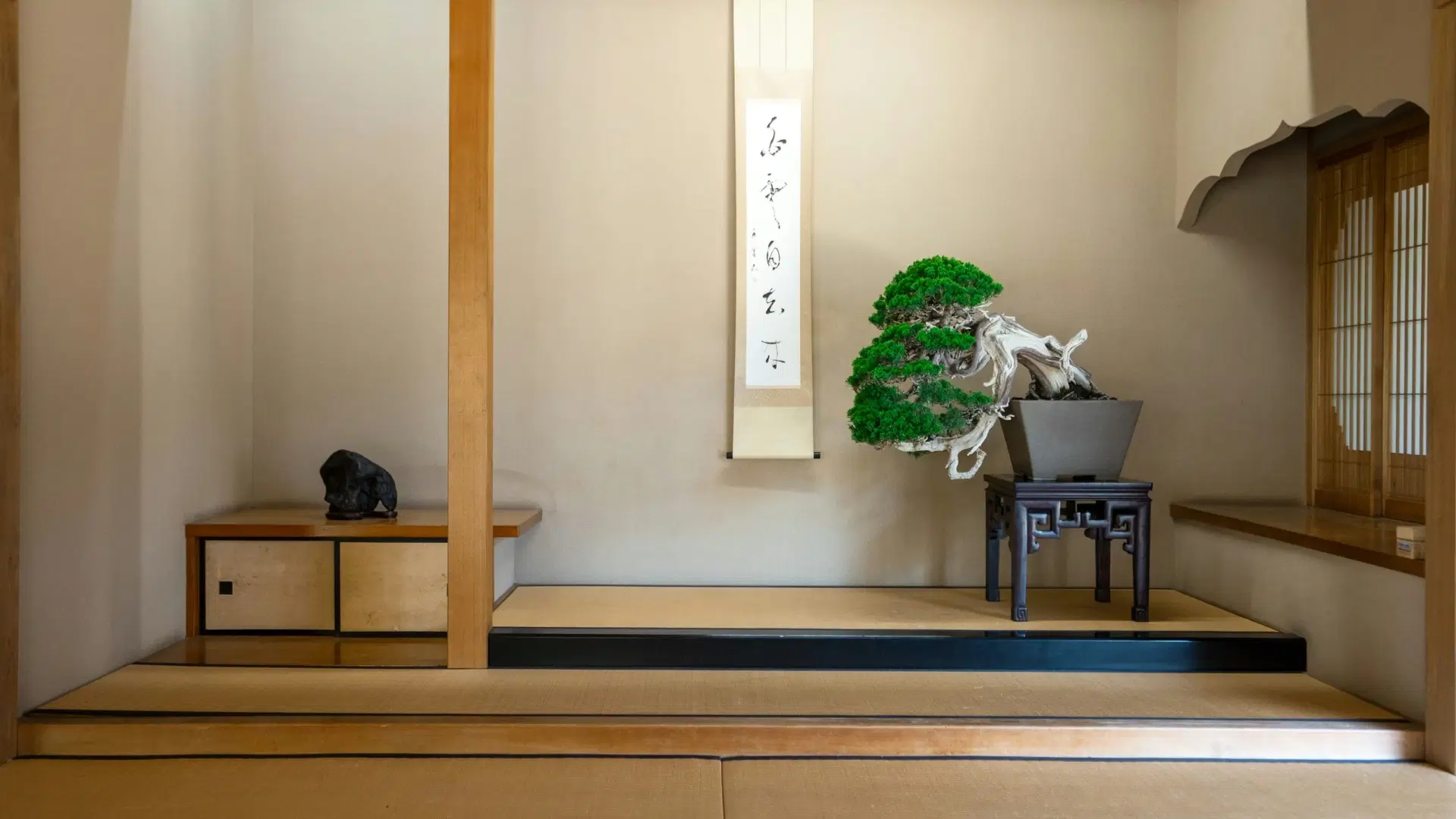
In every traditional Japanese room, whether in a private home, a temple, or a ryokan, there is a recessed alcove along one wall that serves as the room's aesthetic and spiritual center. This is the tokonoma. Within it hang a scroll painting or calligraphy, and before it sits a flower arrangement, a ceramic object, or an incense burner. The tokonoma contains the fewest objects and occupies the least space of any element in the room, yet it exerts the most influence.
At a ryokan, the tokonoma is the okami's canvas. Through her selection of scroll, flower, and object, she sets the emotional, seasonal, and aesthetic tone of the guest's stay.
Architecture of the Alcove
The physical construction of the tokonoma follows principles established during the Muromachi period (1336-1573). The floor, called the toko-ita, is raised slightly above the level of the surrounding tatami. The pillar at one side, called the toko-bashira, is frequently the most conspicuous architectural element in the room, a single piece of natural wood chosen for the character of its grain, its curvature, or the texture of its bark.
These elements create a space that is simultaneously simple and charged with significance. The tokonoma is a frame, and like all great frames, its purpose is not to call attention to itself but to elevate and focus attention on what it contains.
The tokonoma evolved from the butsudan, the Buddhist altar niche found in Kamakura-period residences. Over time, its religious function gave way to a purely aesthetic one, though its status as the room's most sacred space endures.
The Hanging Scroll: Kakejiku
The hanging scroll, or kakejiku, is the tokonoma's primary occupant and the most direct expression of the host's aesthetic intention. The seasonal rotation of scrolls is one of the great art-curatorial traditions of the ryokan. A comprehensive collection might include scrolls for each of the twelve months, plus additional scrolls for special occasions.
A spring scroll might depict cherry blossoms or plum blossoms. A summer scroll might feature a waterfall or cool mountain stream. An autumn scroll might depict the moon over mountains. A winter scroll might feature bare branches or a bold calligraphy of a single character like mu (nothingness) or sei (stillness).
The tokonoma display changes with every season, reflecting the full cycle of the year
The Flower Arrangement: Chabana
The flower arrangement in the tokonoma follows the principles of chabana, the restrained, naturalistic style associated with the tea ceremony. Chabana is governed by the principle "as though in a field," meaning that the flowers should appear natural, as though they are still growing rather than arranged by a human hand.
The vase is as important as the flower. A rough-textured Bizen ware vase for a wild mountain flower. A delicate celadon vessel for a refined garden bloom. A rustic bamboo cylinder for a simple grass stem. The pairing of flower and vessel is an art in itself, a dialogue between the organic and the crafted, the ephemeral and the enduring.
A tokonoma in which a single scroll and a single flower occupy a generous field of empty space achieves the focused intensity that is the alcove's highest purpose.
On the power of ma in the tokonoma
The Tokonoma as Teacher
Beyond its aesthetic function, the tokonoma serves an educational role. Over multiple ryokan visits, encounters with the tokonoma accumulate into a genuine education in Japanese aesthetic culture. The guest begins to recognize styles of calligraphy, to distinguish between Shino and Oribe glazes, to understand why a particular flower was chosen.
The tokonoma, then, is both destination and doorway. It is a thing of beauty in itself, and it is an entrance into a vast world of Japanese art and philosophy that the guest may choose to explore for the rest of their life.
A ryokan of distinction maintains a collection of hanging scrolls and flower vases sufficient to change the tokonoma display monthly, or more frequently. Some okami change the display for individual guests based on the occasion of their visit.