The Art of Bathing: Onsen Etiquette
Everything you need to know about Japan's communal bathing culture, from the first wash to the final soak.
The Japanese relationship with hot water is ancient, spiritual, and profoundly unselfconscious. Long before the ryokan took its modern form, the people of these volcanic islands were lowering themselves into naturally heated pools with a reverence that transcended hygiene. The onsen was a place of purification, communion, and surrender. It remains all of these things.
For the visitor encountering communal bathing for the first time, the onsen can provoke a complicated mix of curiosity and apprehension. The nudity. The unfamiliar protocols. The quiet intensity of a room full of strangers sharing hot water in silence. These anxieties are natural and, with a little knowledge, entirely unnecessary.
Before You Enter
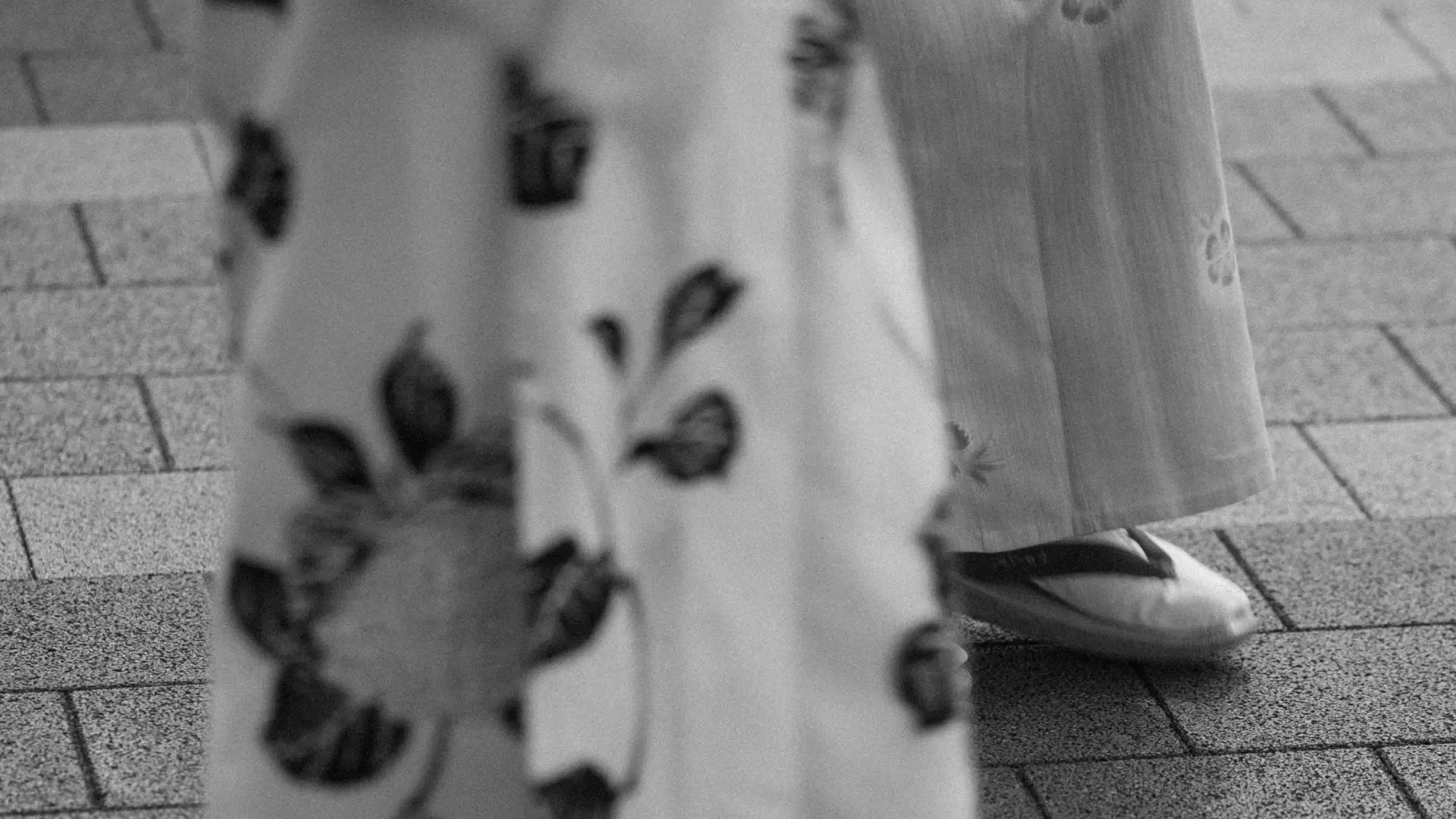
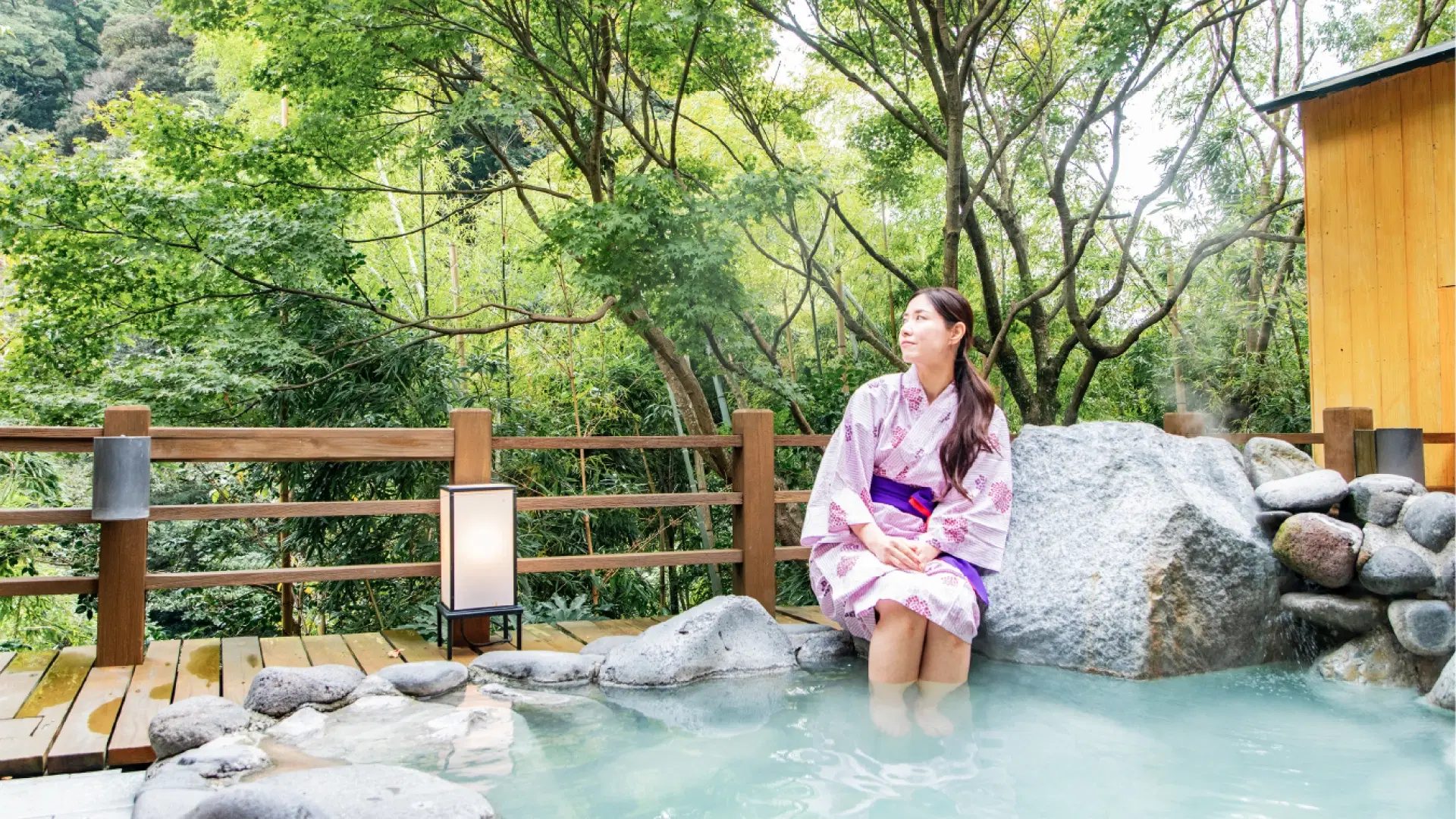
The onsen begins before you reach the water. At your ryokan, you will find a yukata and a small towel (tenugui) in your room. Change into the yukata and make your way to the bathing area. The baths are almost always gender-separated, indicated by curtains at the entrance: blue or black characters for men (otoko), red or pink for women (onna).
At the entrance to the bathing area, you will find a changing room, the datsuijo. Here, you undress completely. There are shelves or baskets for your clothing and belongings. Remove all jewelry, watches, and hair accessories that might fall into the water.
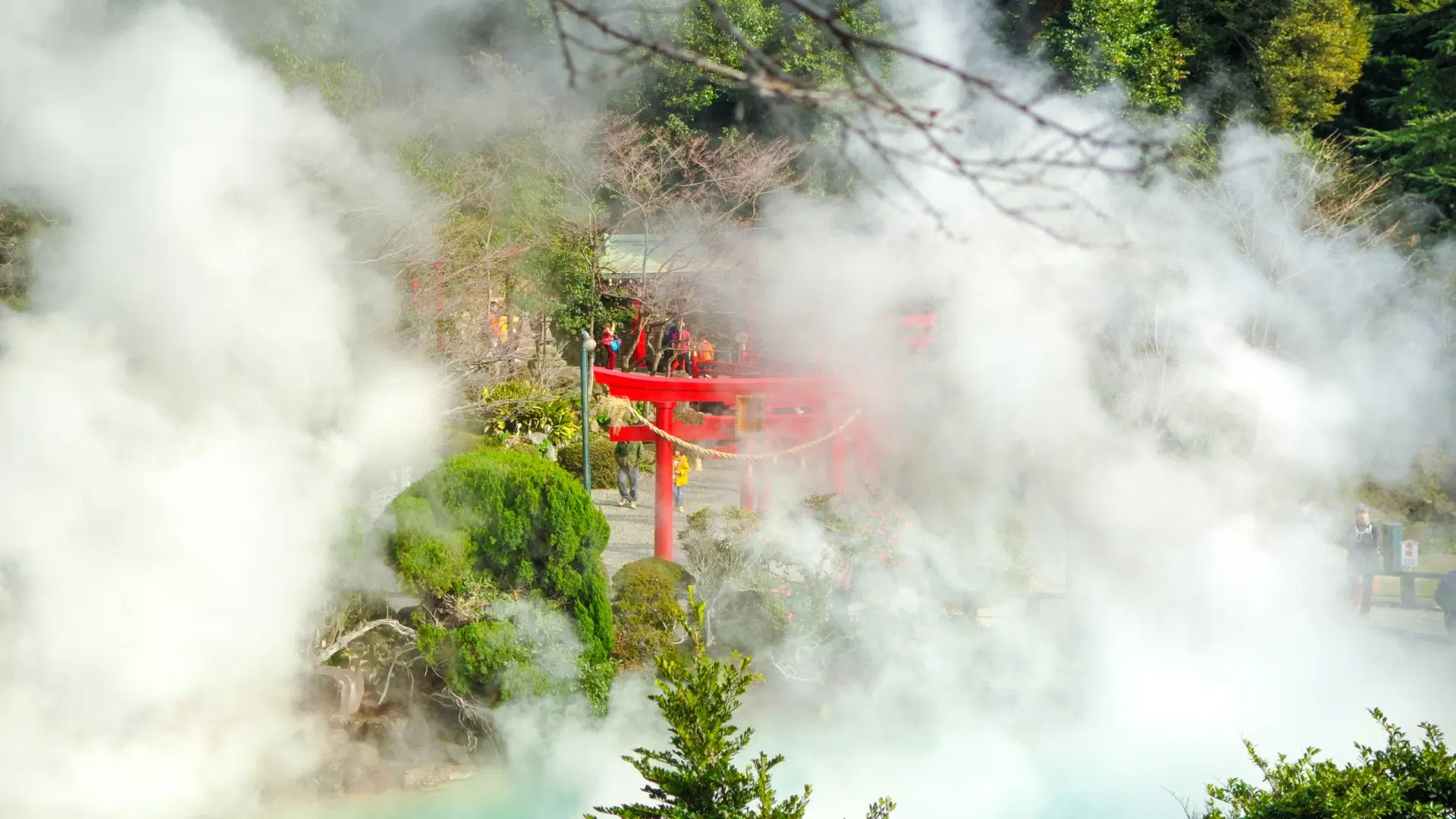
The water temperature in a Japanese onsen typically ranges from 38 to 44 degrees Celsius. Some historic springs like Kusatsu reach temperatures that must be cooled through traditional wooden yumomi paddles before bathing.
The Washing Ritual
This is the cardinal rule of the onsen, and the one that matters most: you must wash thoroughly before entering the communal bath. The shared water is for soaking, not cleaning. To enter the bath without washing is the gravest breach of onsen etiquette.
The washing area consists of a row of low stools and hand-held showerheads, each station equipped with soap, shampoo, and conditioner. Sit on the stool and wash your entire body with care. The small tenugui towel has a specific purpose here. Use it to wash, then wring it out and place it on your head or fold it neatly at the edge of the bath. It should never enter the communal water.
The washing ritual is not preparation for the bath. It is the first act of the bath, the moment when you begin to shed the outside world.
In the Communal Bath
Clean and rinsed, you approach the bath. Enter slowly. The water temperature can take your breath away. Lower yourself gradually, letting your body acclimate.
Once submerged, the protocol is simple: be still, be quiet, be present. The communal bath is not a social space in the Western sense. Conversation, if it happens, is conducted in low voices. The atmosphere is closer to a library than a pool party. The combination of mineral-rich water, heat, and stillness produces a physiological response that genuinely quiets the mind.
The Rotenburo Experience
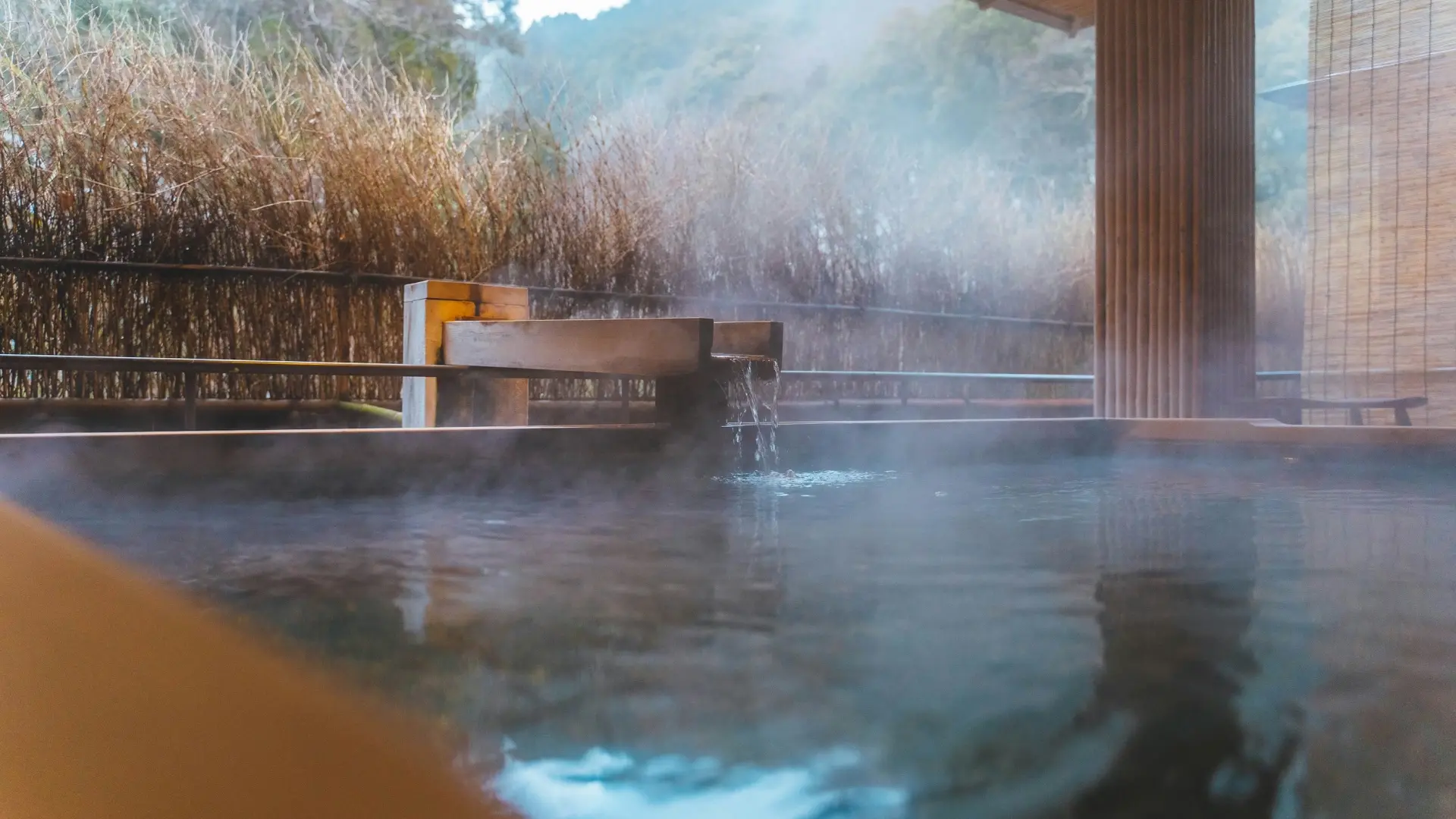
If the indoor bath is the onsen's contemplative heart, the outdoor bath, the rotenburo, is its ecstatic soul. Open to the sky, surrounded by rocks, trees, or mountain vistas, the rotenburo collapses the boundary between bathing and landscape.
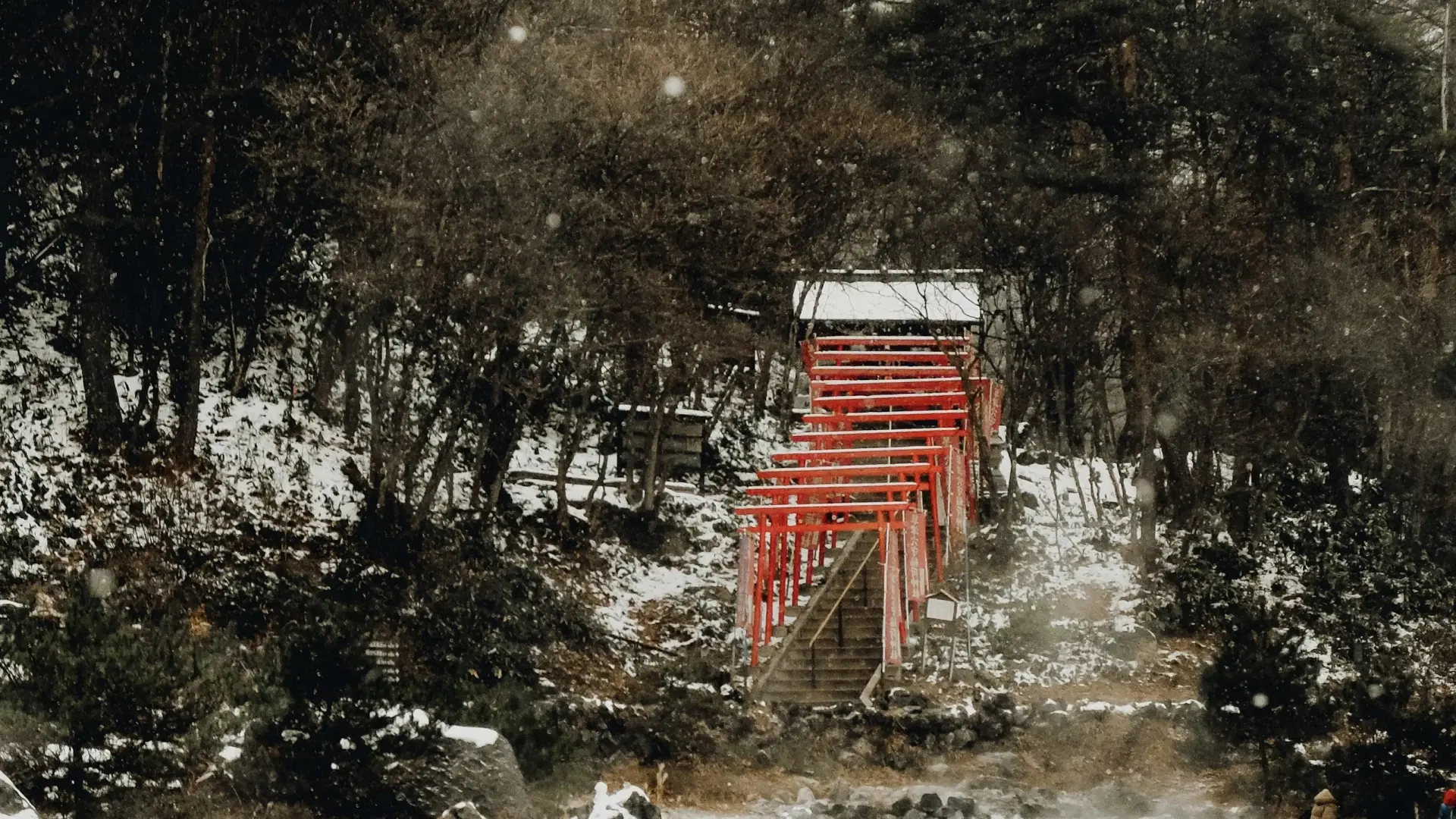
The rotenburo is where the onsen experience becomes truly transcendent. In winter, steam rises from the water into freezing air, and snowflakes dissolve on your heated skin. In autumn, the canopy above may be a cathedral of red and gold maple. In spring, cherry blossoms drift onto the water's surface.
After the Bath
Leave the bath slowly. The heat will have lowered your blood pressure, and standing abruptly can cause dizziness. In the changing room, you will often find cold water, a scale, hair dryers, and sometimes complimentary skincare products. Take your time dressing.
Back in your room, you will feel the effects for hours. A deep, pervasive warmth that is not merely thermal but somehow emotional. A looseness in the muscles. A clarity of mind. The Japanese have a word for this post-bath state: yudedako, literally "boiled octopus."
Onsen for the Uninitiated
If you have never bathed in a Japanese onsen, let this be your reassurance: the experience is far less intimidating than it sounds. The nudity becomes invisible within minutes. The etiquette is intuitive once understood. And the reward, the profound, bone-deep relaxation that follows, is unlike anything you will find in a spa or a hotel swimming pool.
Start with the private bath if your ryokan offers one. This gives you the freedom to learn the protocols at your own pace. Once comfortable, venture into the communal bath.
After your first onsen, you will understand why the Japanese consider bathing not a daily chore but a daily art.