Winter Onsen: Snow, Steam, and Silence
The definitive guide to Japan's most elemental hot spring experience
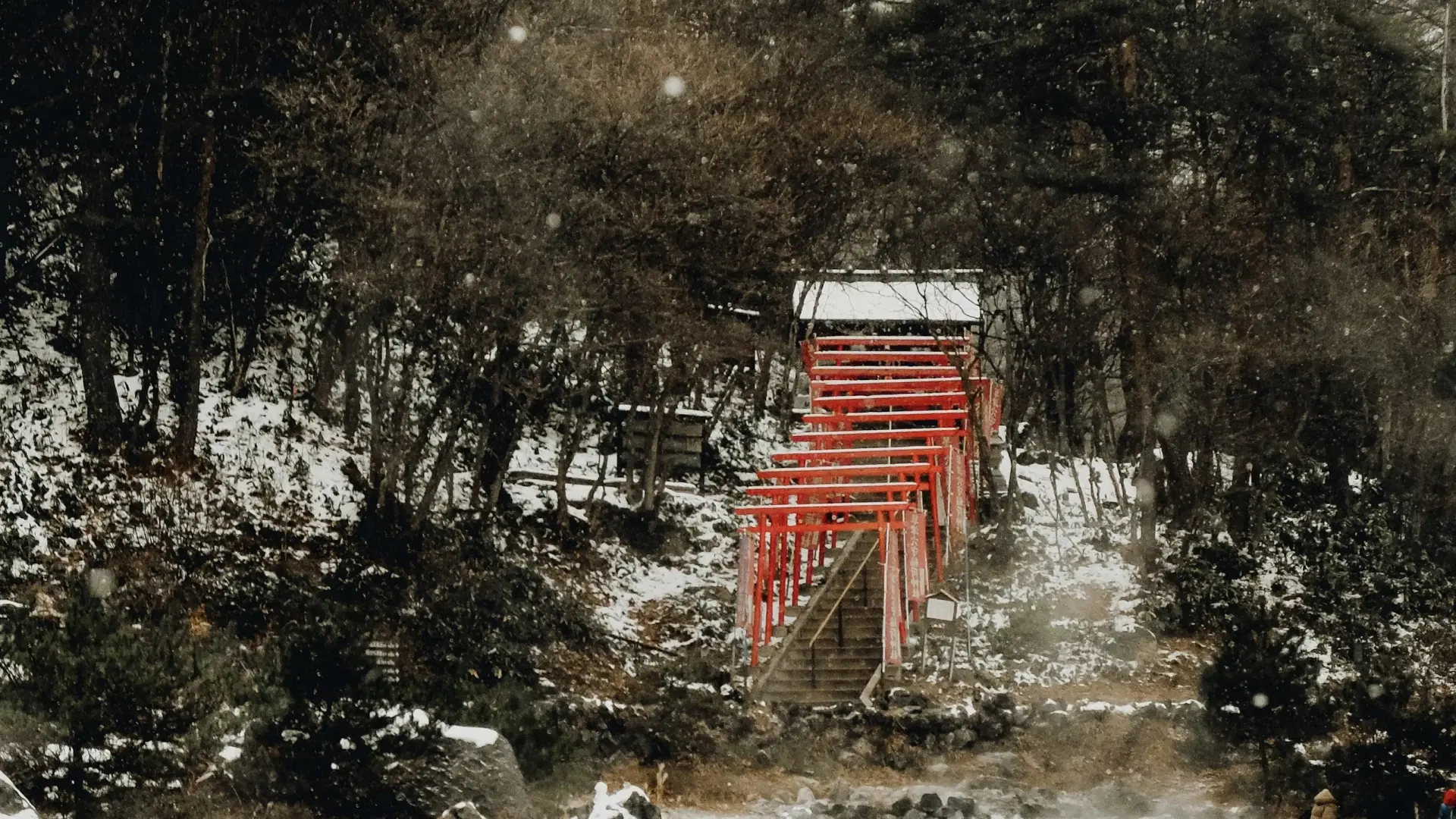
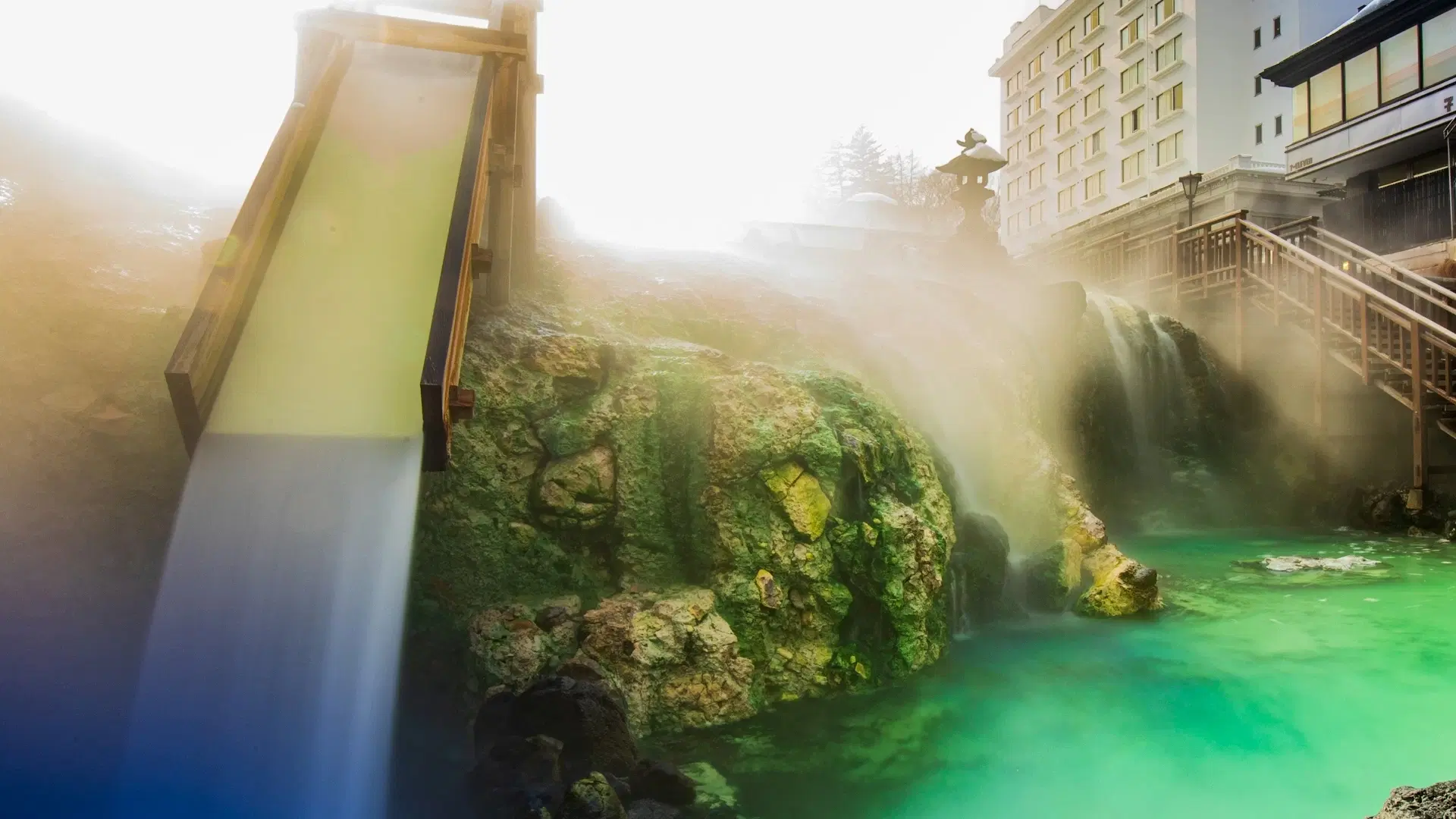
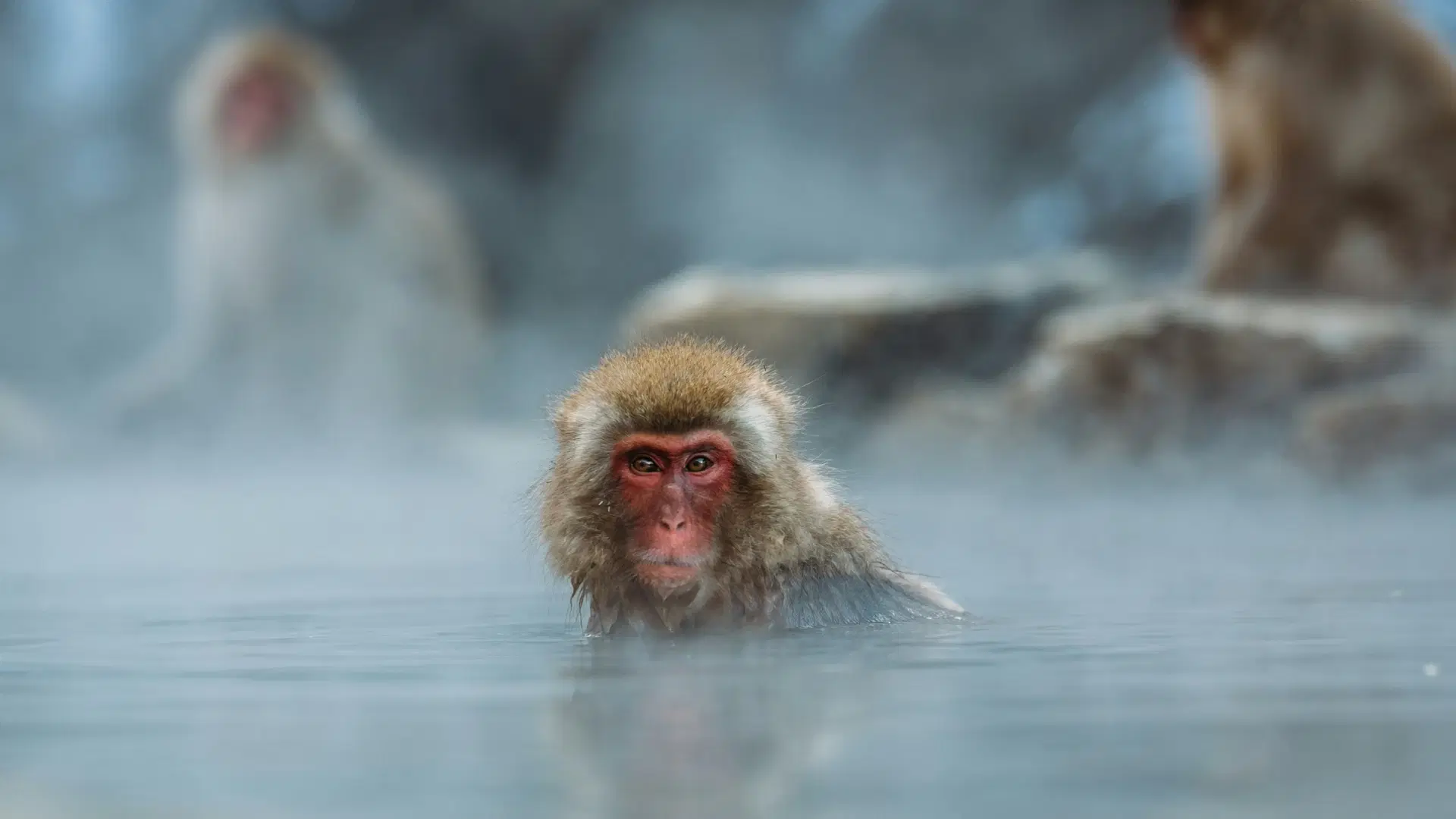
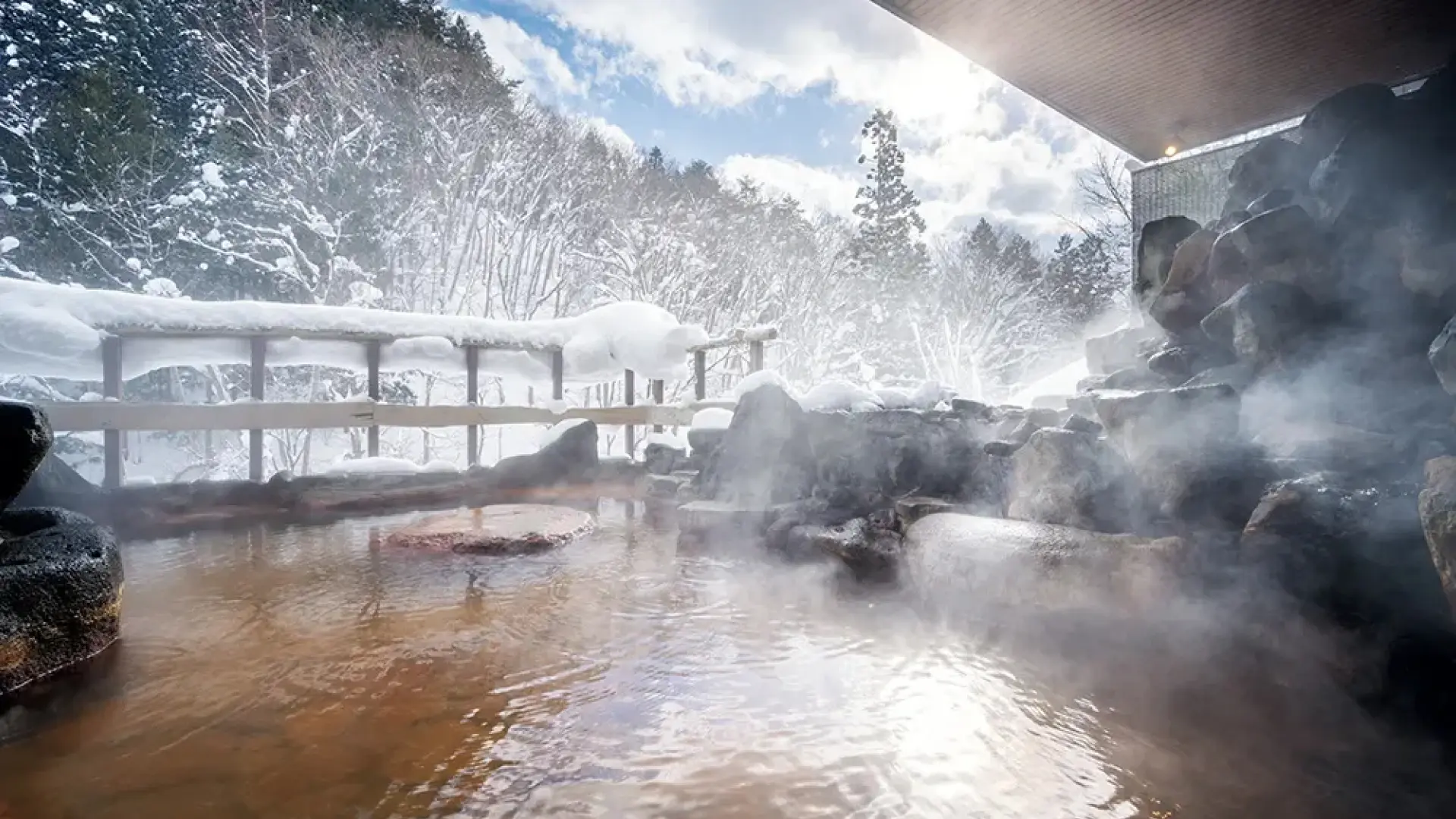
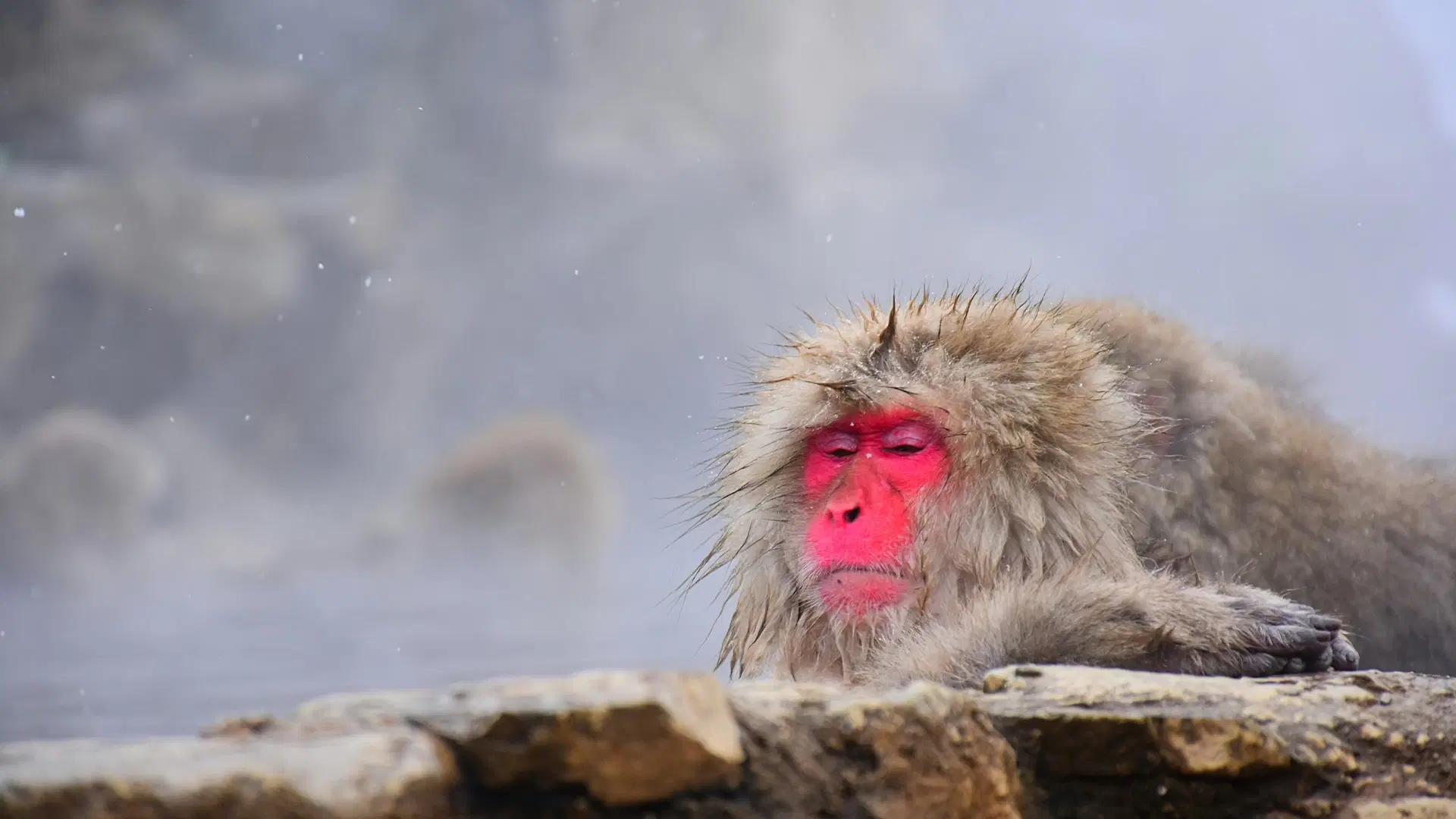
There is a moment in the winter onsen experience that no photograph can convey and no description fully captures. You are sitting neck-deep in mineral water heated to 42 degrees Celsius. Snow is falling on your bare head. The air temperature is several degrees below freezing. Steam rises from the water's surface in slow, spiraling columns and meets the descending snowflakes somewhere above you, creating a zone of soft collision where warmth and cold negotiate their boundary. Your body is suspended between two extremes, and the sensation is not merely pleasant. It is elemental.
Winter onsen season
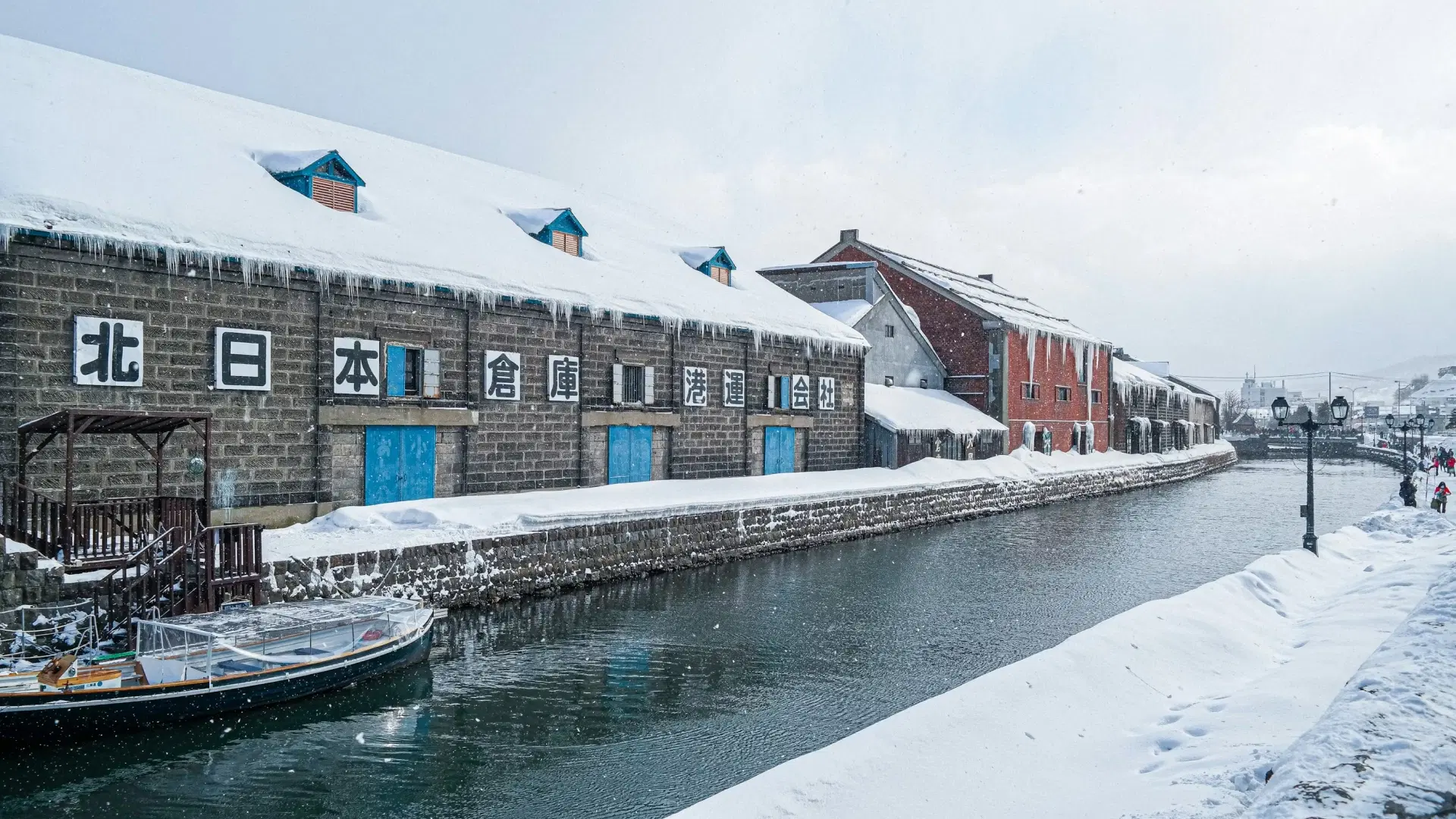
Kawabata Yasunari's Nobel Prize-winning novel opens with one of the most famous lines in Japanese literature: "The train came out of the long tunnel into the snow country." He was describing the journey from Tokyo through the Tanigawa mountain range into Niigata, a passage that remains one of the most dramatic seasonal transitions a traveler can experience in Japan today. On the Pacific side of the mountains, winter is cold but largely dry. On the Japan Sea side, the moisture-laden winds from the continent drop extraordinary quantities of snow.
The snow is not an obstacle to be managed; it is a material to be appreciated, a silence to be inhabited, a whiteness against which the warmth and color of the ryokan glow all the more brightly.
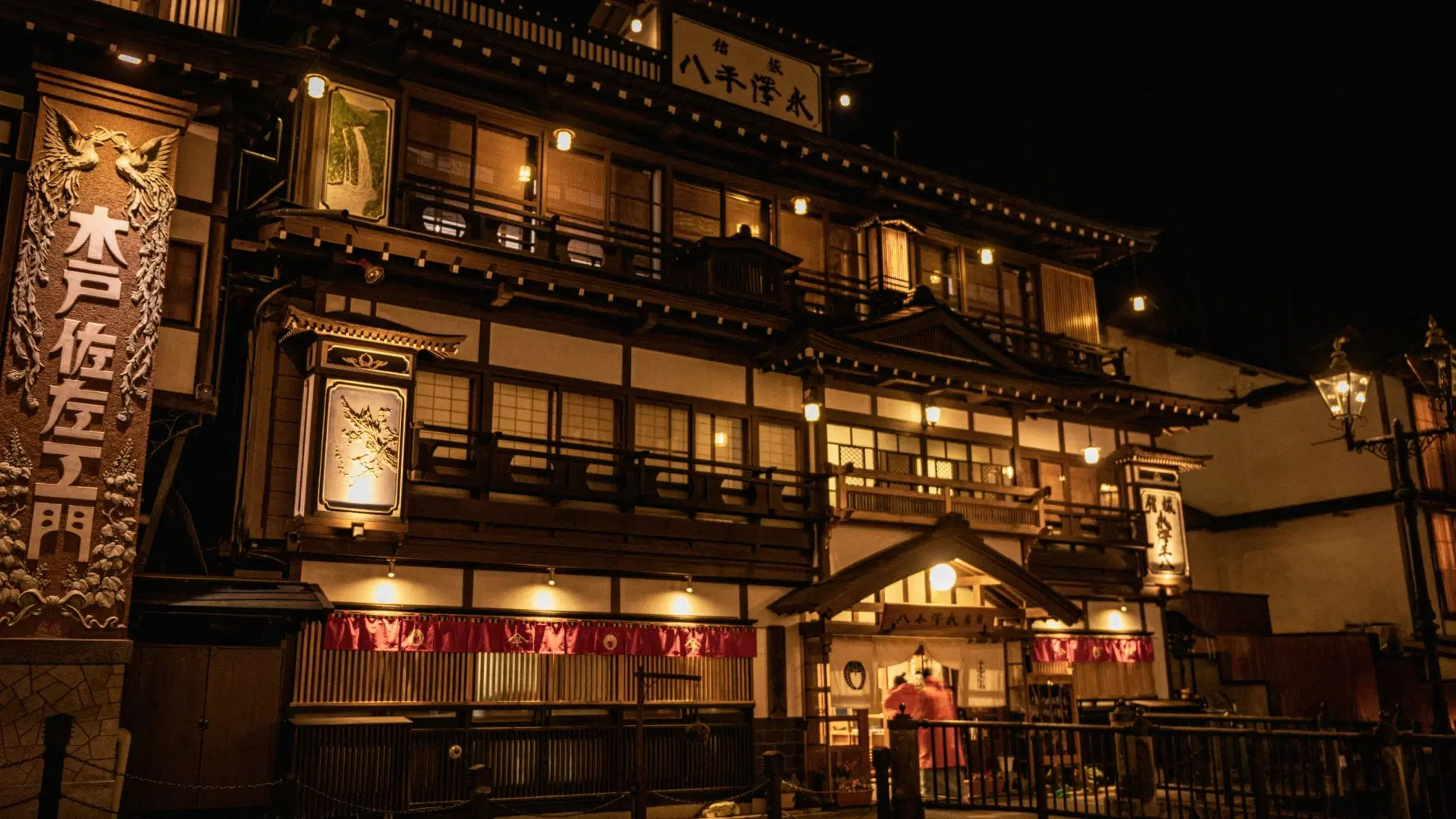
The irori, a sunken hearth cut into the floor of the common room, is the symbolic center of the winter ryokan. Guests gather around it in the evening, seated on thick cushions, watching charcoal glow beneath a suspended hook that holds an iron kettle. The irori serves both practical and social functions: it heats the room, it boils water for tea, and it creates a gathering point where strangers become companions in the shared project of staying warm.
Yukimi, or snow-viewing, is a centuries-old Japanese practice. Combined with onsen bathing, it becomes yukimi-buro, the snow-viewing bath, considered the purest expression of winter hospitality. The contrast between searing heat and bitter cold creates an experience that transcends ordinary bathing.
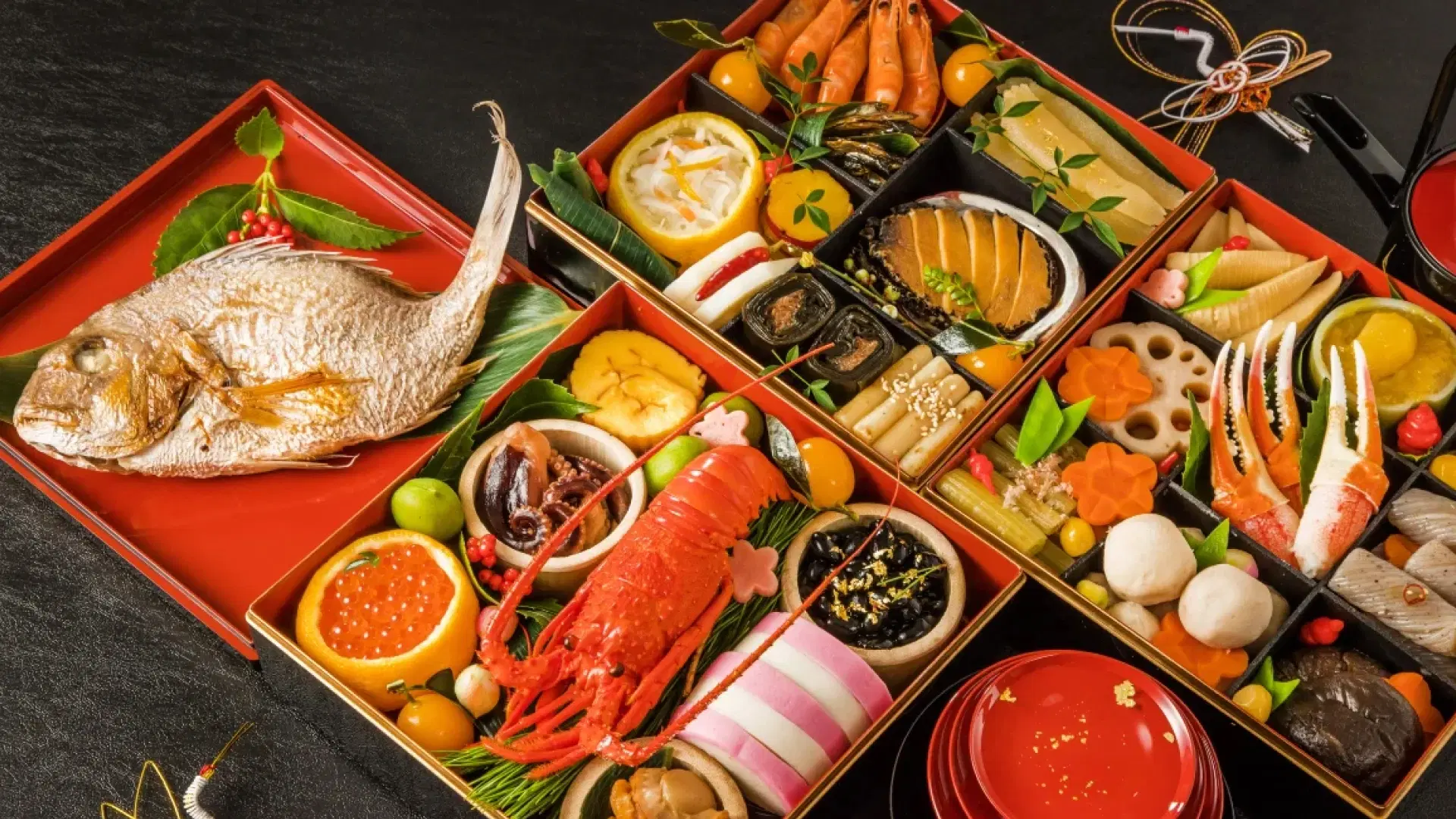
Winter kaiseki is the most robust and warming expression of the ryokan kitchen. The lightness and delicacy of spring and summer give way to dishes designed to generate and sustain bodily warmth. Hot pot dishes, or nabe, feature prominently. In Niigata, the winter table centers on the region's extraordinary rice, considered the finest in Japan, and snow crab, or zuwaigani, the prestige ingredient of the season.
Winter strips away pretense and returns the ryokan to its most fundamental purpose: shelter, warmth, nourishment, and human connection.
The Ryokan Guide Editorial