New Year at a Ryokan: Oshogatsu Traditions
How Japan's most important holiday transforms the ryokan into a place of ritual and renewal
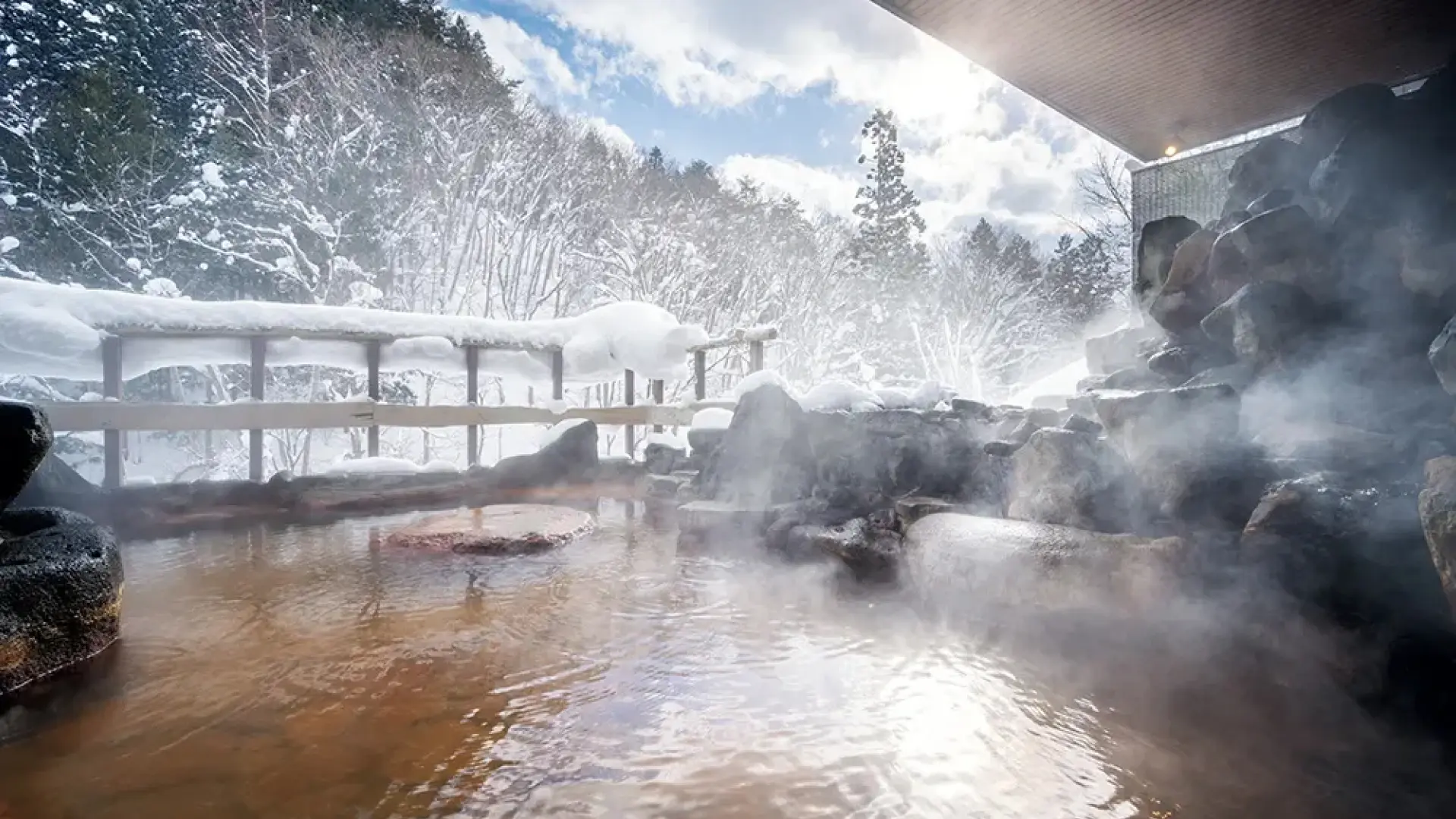
There is no holiday in Japan that carries the cultural weight of Oshogatsu, the New Year. Oshogatsu stands alone as the annual moment when the entire nation pauses, reflects, purifies, and begins again. Spending Oshogatsu at a ryokan is not merely a vacation during the New Year period. It is a decision to experience Japan's most important cultural moment through the lens of its most culturally saturated form of hospitality.
New Year period
The transformation of a ryokan for the New Year begins weeks before January 1. In mid-December, many ryokans observe susuharai, the traditional year-end cleaning, a ritual purification that goes far beyond routine housekeeping. After the cleaning comes the decoration. Kadomatsu, paired arrangements of pine, bamboo, and sometimes plum branches, are placed at the ryokan entrance. Shimenawa, the sacred rope of braided rice straw, appears at doorways and tokonoma, marking the boundaries of purified space.
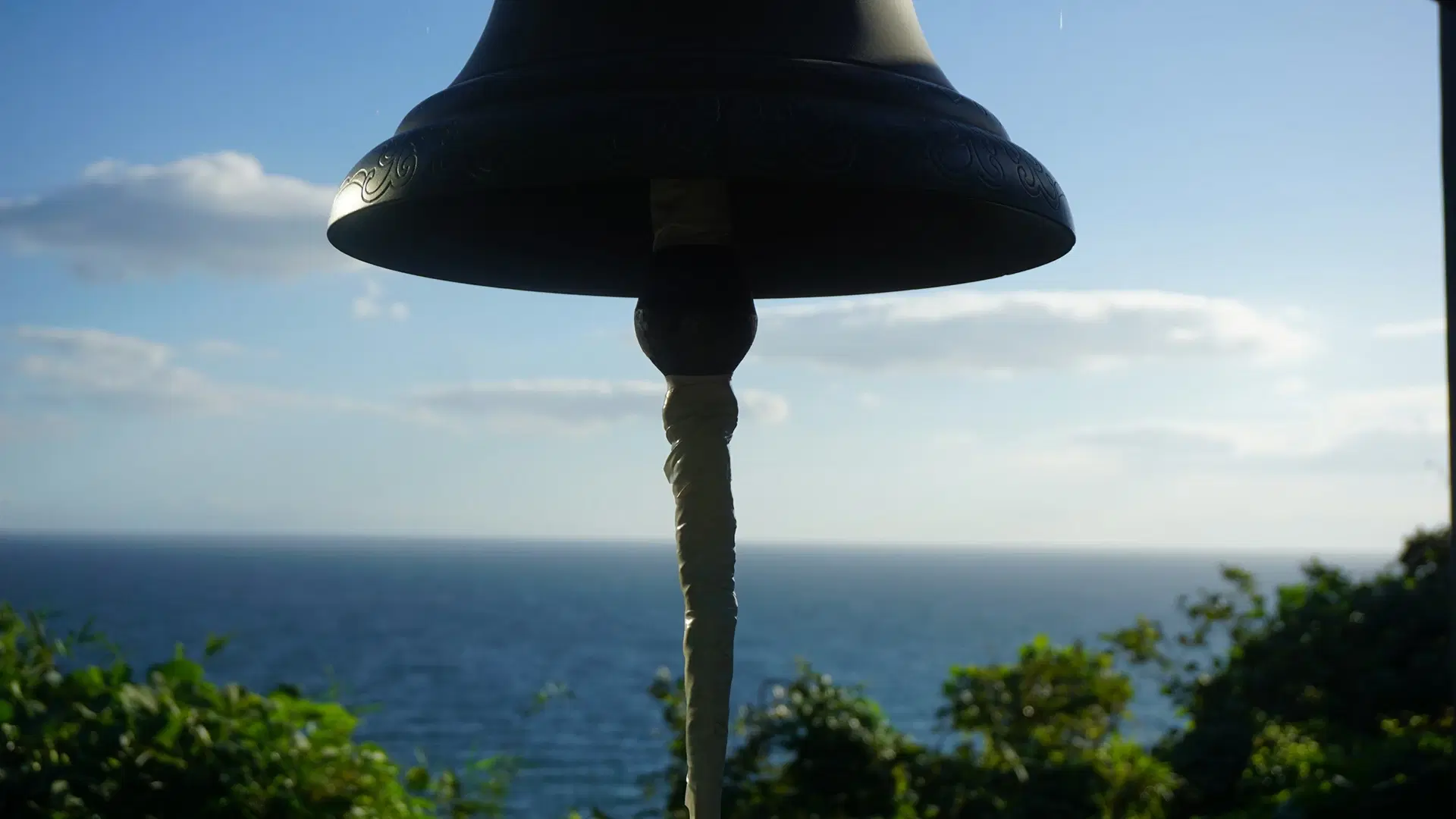
The Japanese New Year arrives in silence, observed rather than proclaimed. The new year does not begin with an explosion of joy. It begins with a breath, a stillness, and the first tolling of the bell.
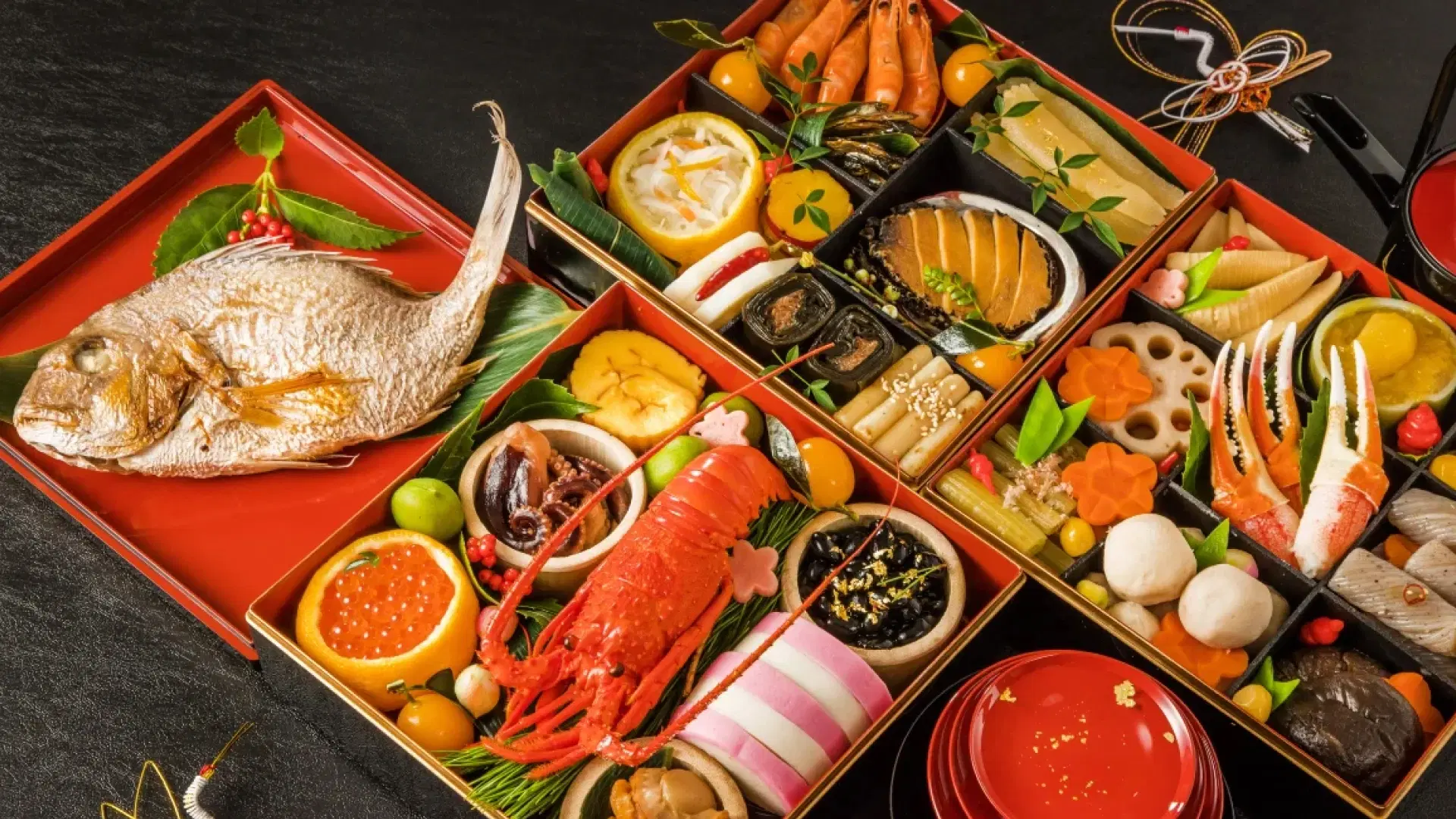
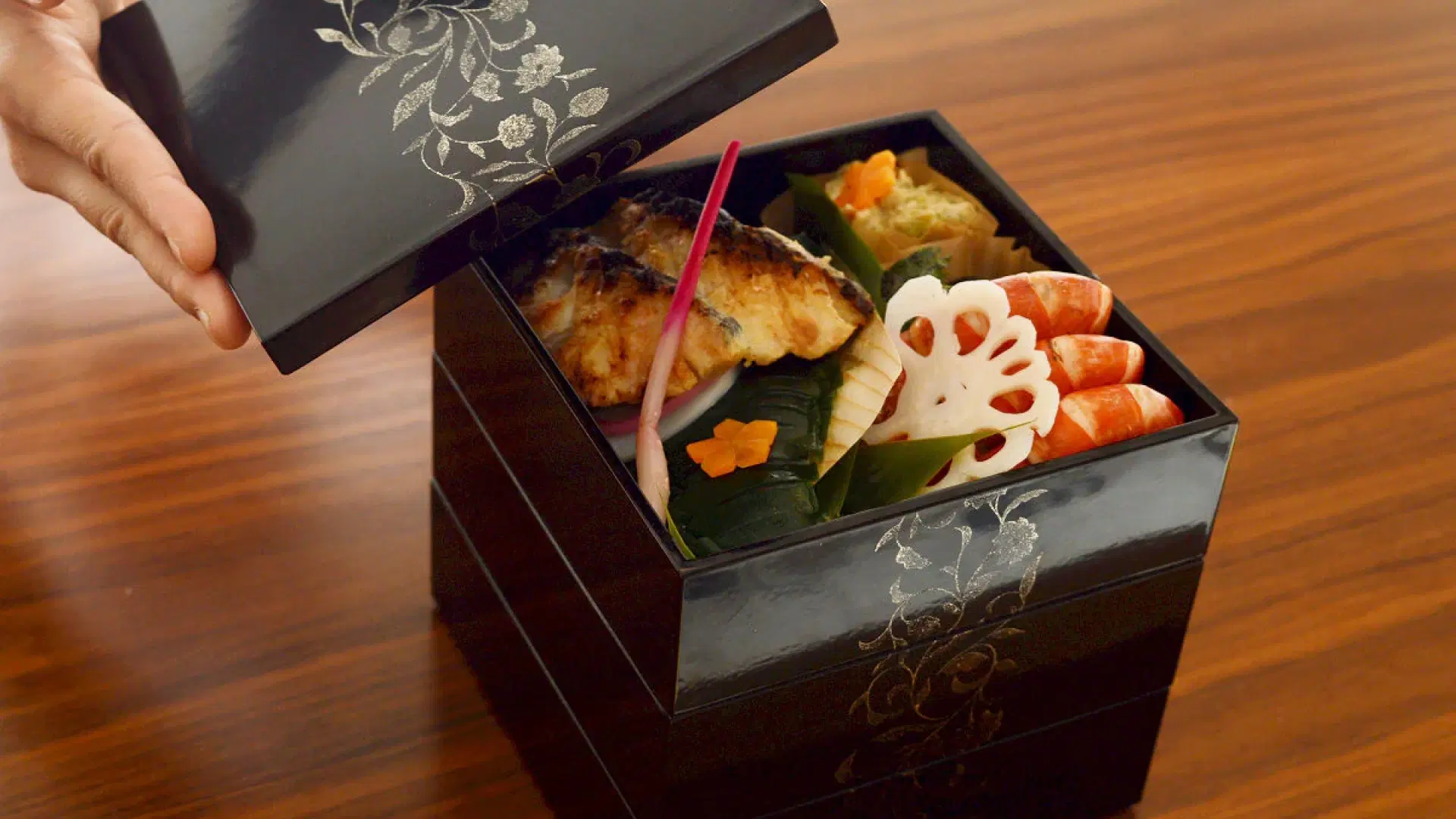
Breakfast on New Year's Day is a ceremonial meal. Osechi ryori, the traditional New Year cuisine, is presented in three-tiered lacquered boxes called jubako, each item carrying specific symbolic meaning. Kuromame represent health. Kazunoko represent fertility. Kurikinton represents financial fortune. At a ryokan, the osechi is prepared by the kaiseki kitchen with a level of care and presentation that elevates these traditional foods from home cooking to culinary art.
On Omisoka (December 31), Buddhist temple bells are rung 108 times at midnight. The 108 tolls correspond to the 108 bonno, the worldly desires and delusions recognized in Buddhist doctrine, and each toll is believed to extinguish one.
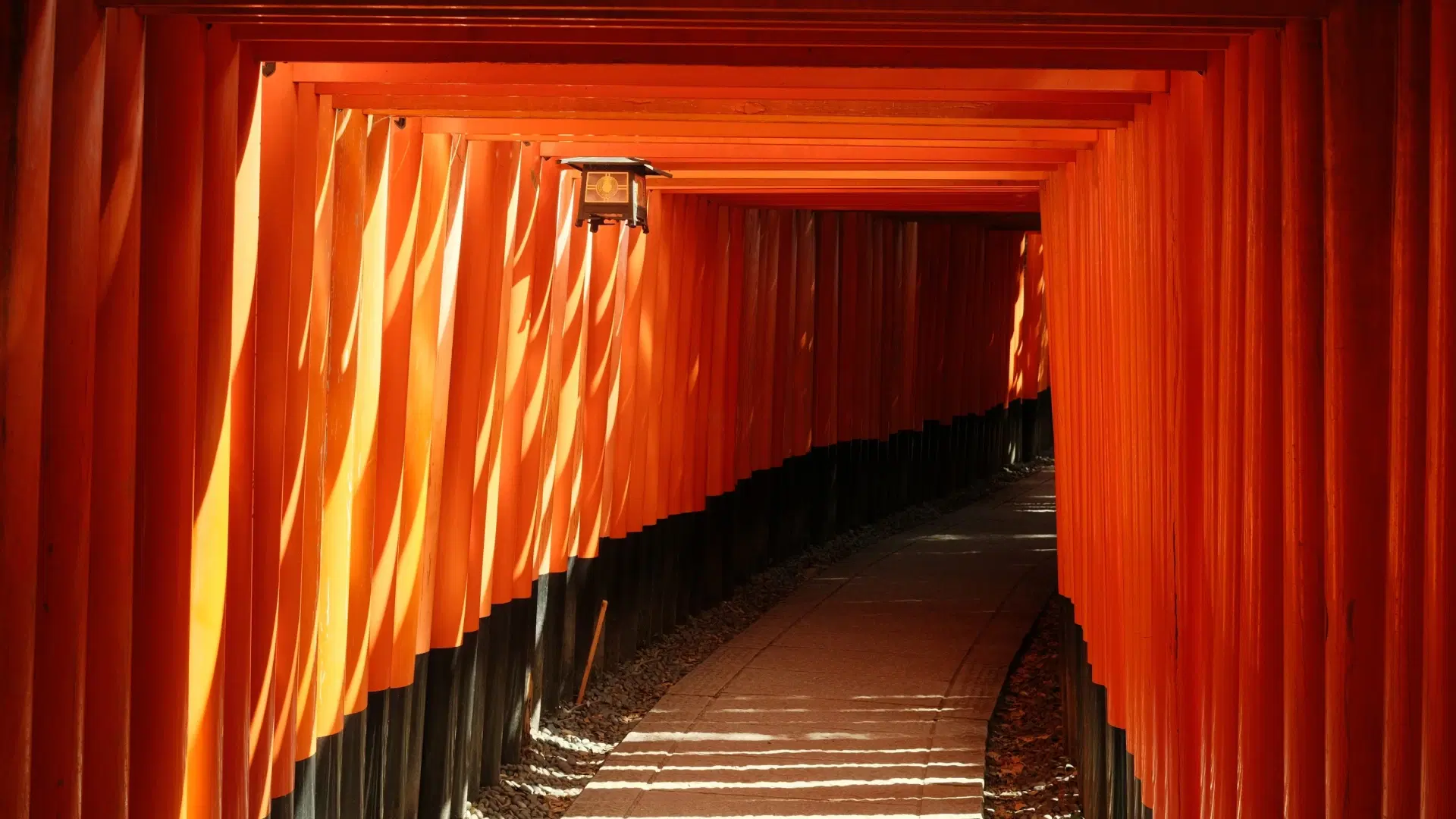
The first three days of January are devoted to hatsumode, the first shrine or temple visit of the year. This is the single most widely practiced religious observance in Japan, with over 80 million people visiting shrines and temples during the Oshogatsu period. At small, local shrines near rural ryokans, the experience is quieter and more intimate, standing beneath ancient cedar trees, the shrine grounds dusted with fresh snow.
You arrive in the old year, carrying its weight. You depart in the new year, lighter.