Cherry Blossom Season at the Ryokan
A complete guide to experiencing sakura from the world's most refined inns
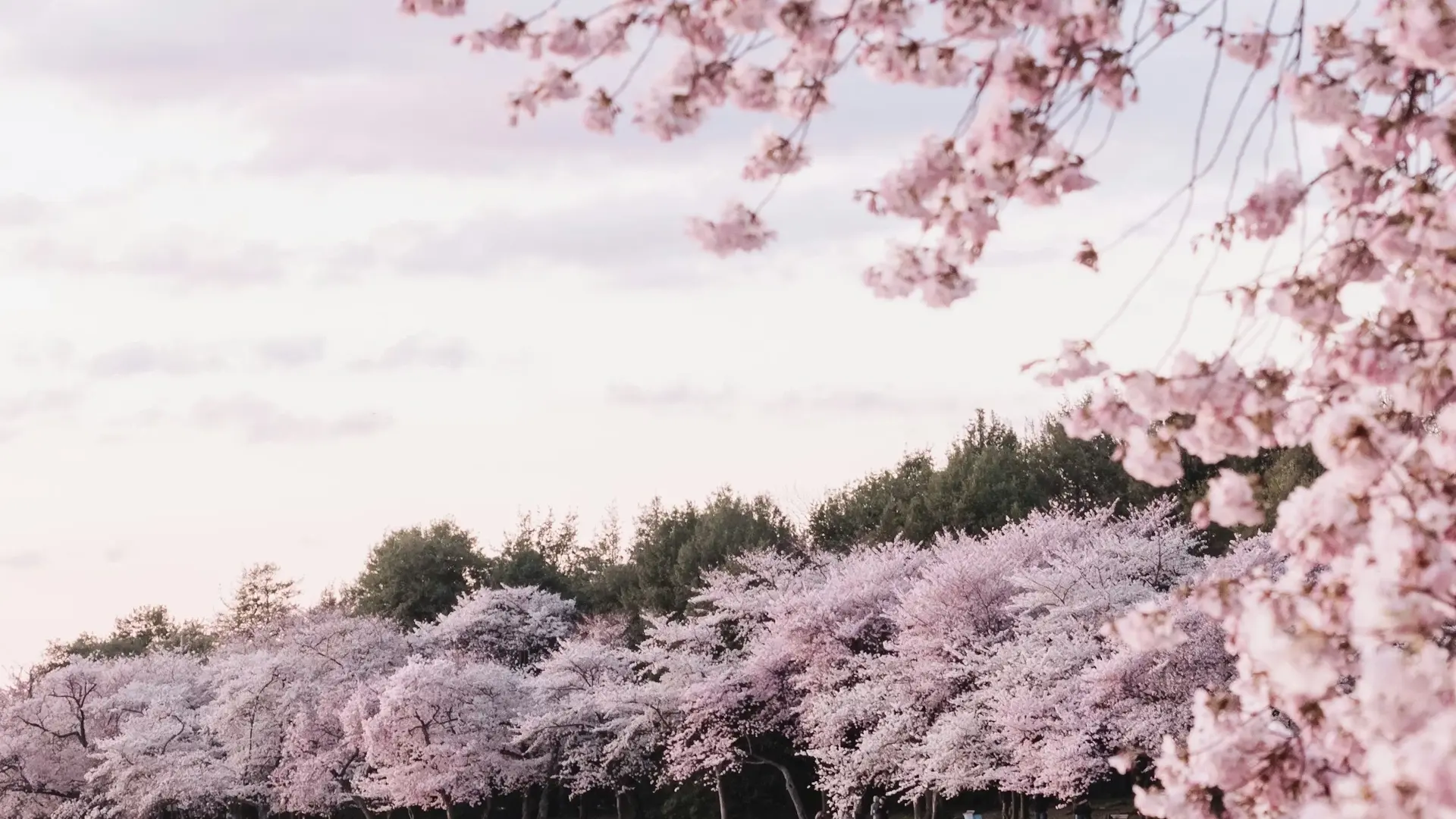
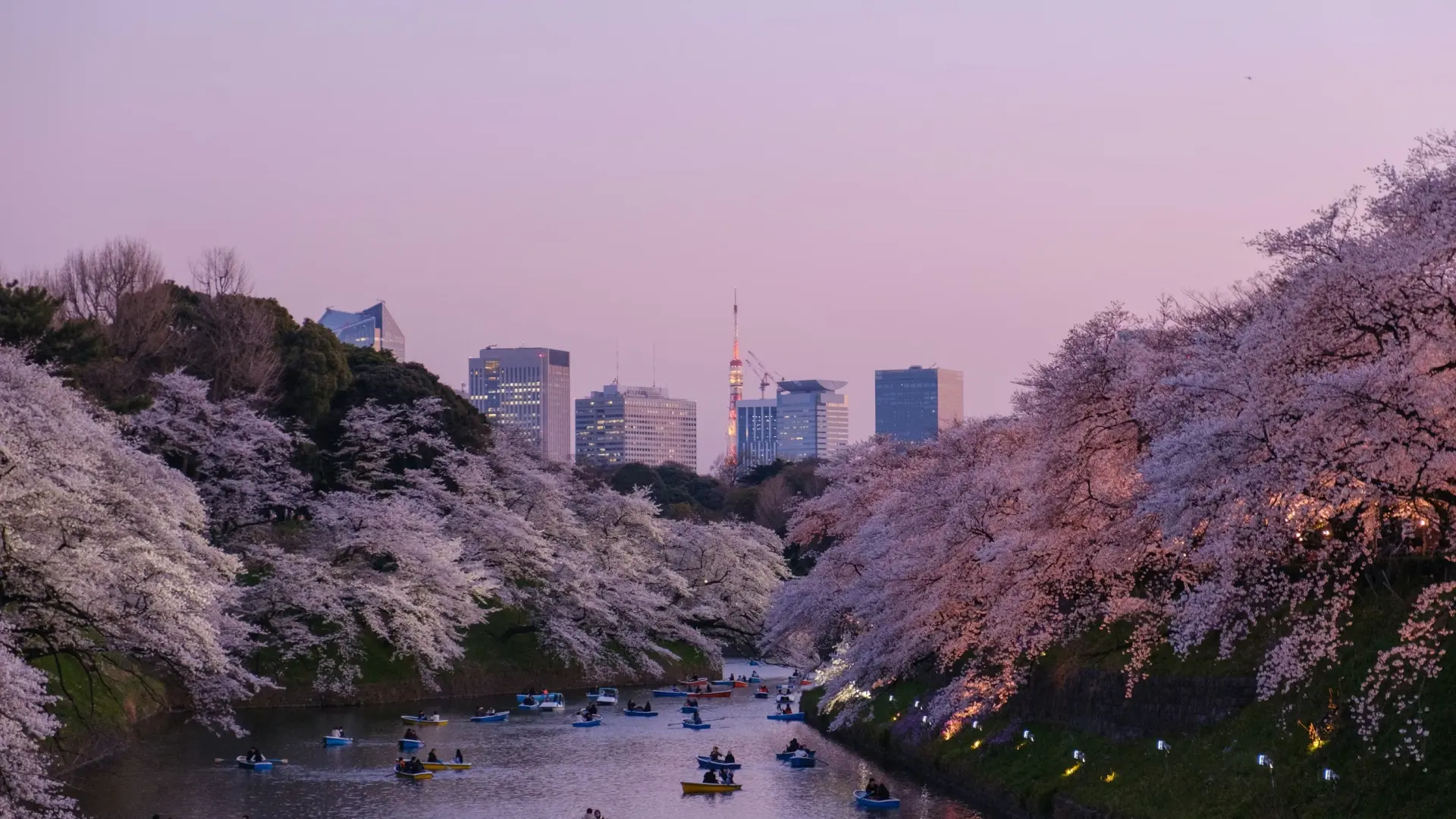
There is a meteorological event in Japan that commands more public attention than any typhoon forecast or earthquake warning. Beginning in late January, the Japan Meteorological Corporation issues its first projection for the sakura zensen, the cherry blossom front, a wave of bloom that will sweep northward across the archipelago over the following three months. Television anchors discuss it with visible excitement. Newspapers publish maps showing its anticipated progress. Millions of people begin making plans.
For the seasoned traveler, the cherry blossom season represents something more precise than a general window of springtime beauty. It is a test of timing, of understanding regional microclimates, and of securing accommodations at ryokans where the relationship between architecture and flowering tree has been cultivated for generations.
Cherry blossom season
No city on earth has a deeper relationship with the cherry blossom than Kyoto. The ancient capital's more than 1,600 temples and shrines are planted with an extraordinary diversity of sakura varieties, and the city's traditional ryokans have spent centuries positioning themselves in dialogue with the bloom.
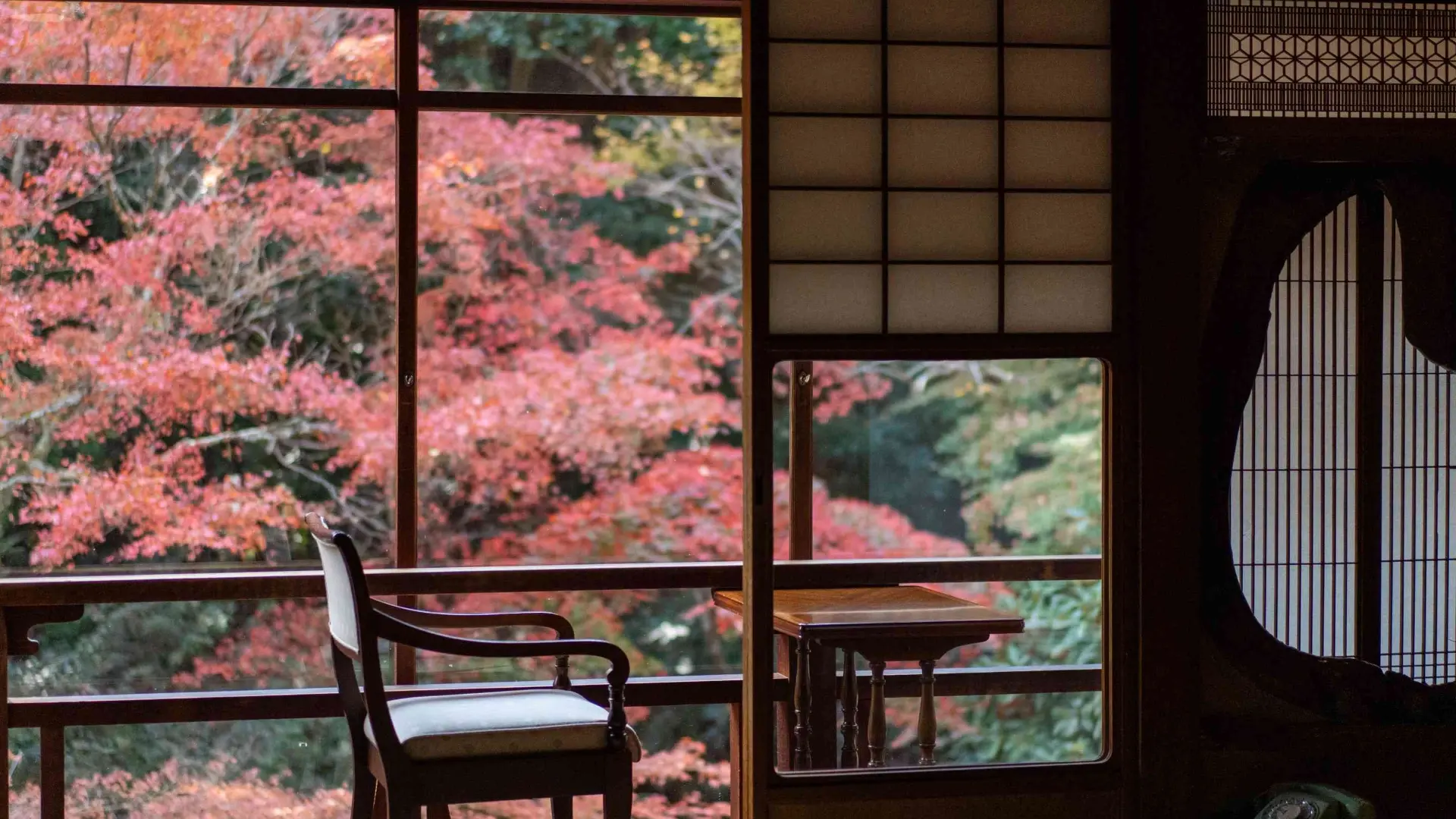
At the great inns along the Kamo River, spring is choreographed with the precision of a Noh performance. Rooms are assigned based on which garden-facing windows offer the best view of the property's specimen trees. The kaiseki menu shifts to incorporate sakura motifs: pickled cherry blossoms pressed into rice, pale pink mochi shaped like petals, and seasonal sashimi arranged on ceramic plates glazed in the soft whites and pinks of early spring.
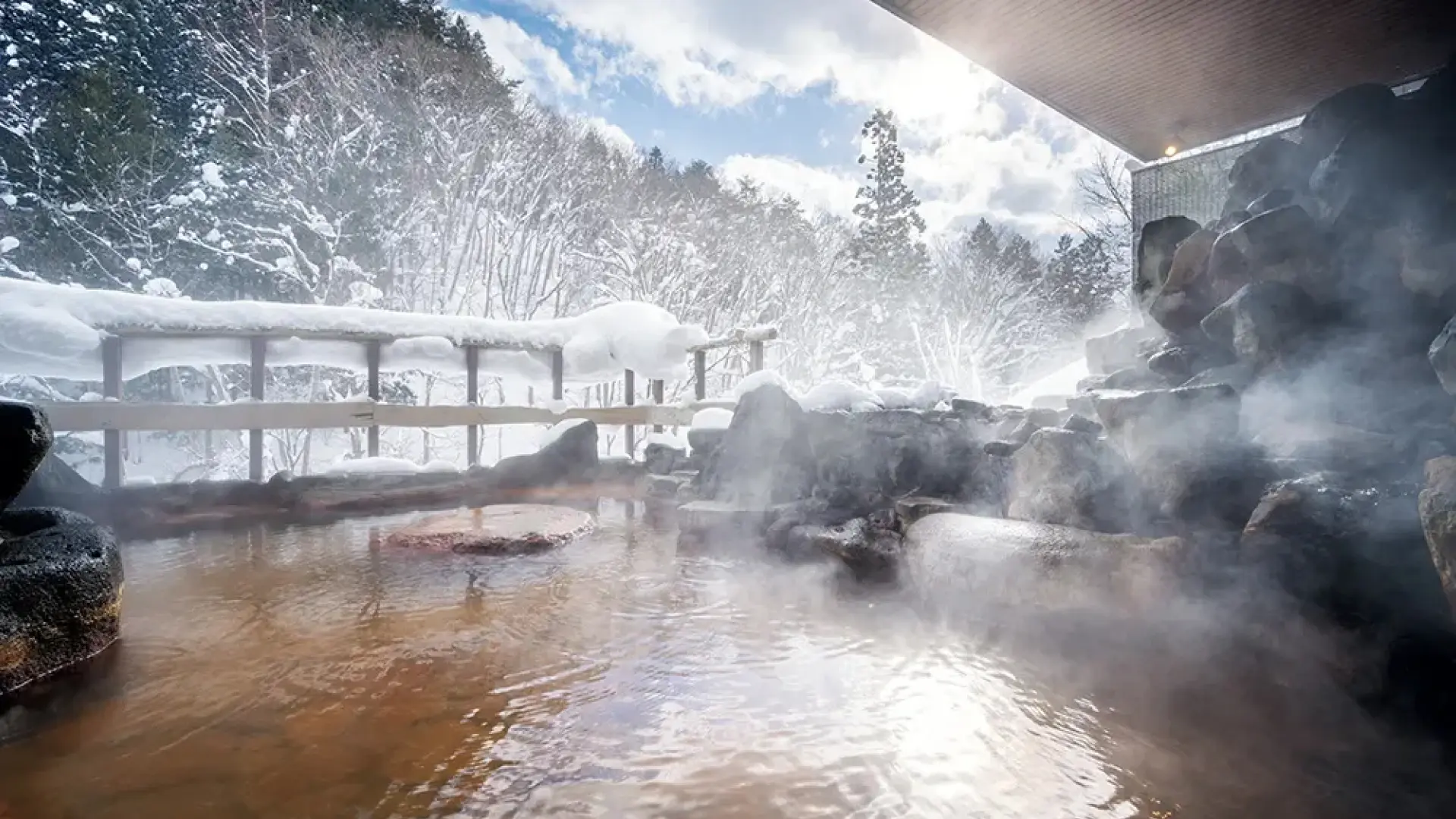
The intersection of cherry blossom viewing and hot spring bathing is one of the great sensory convergences of the Japanese year. A rotenburo, or outdoor bath, positioned beneath a flowering cherry tree offers an experience that engages every sense simultaneously: the warmth of mineral water against the skin, the scent of sulfur mingling with the faint sweetness of the blossoms, the visual spectacle of petals drifting down to land on the surface of the water, and the deep quiet of a mountain morning broken only by birdsong.
The difference between arriving three days early and three days late can be the difference between bare branches and a snowfall of petals.
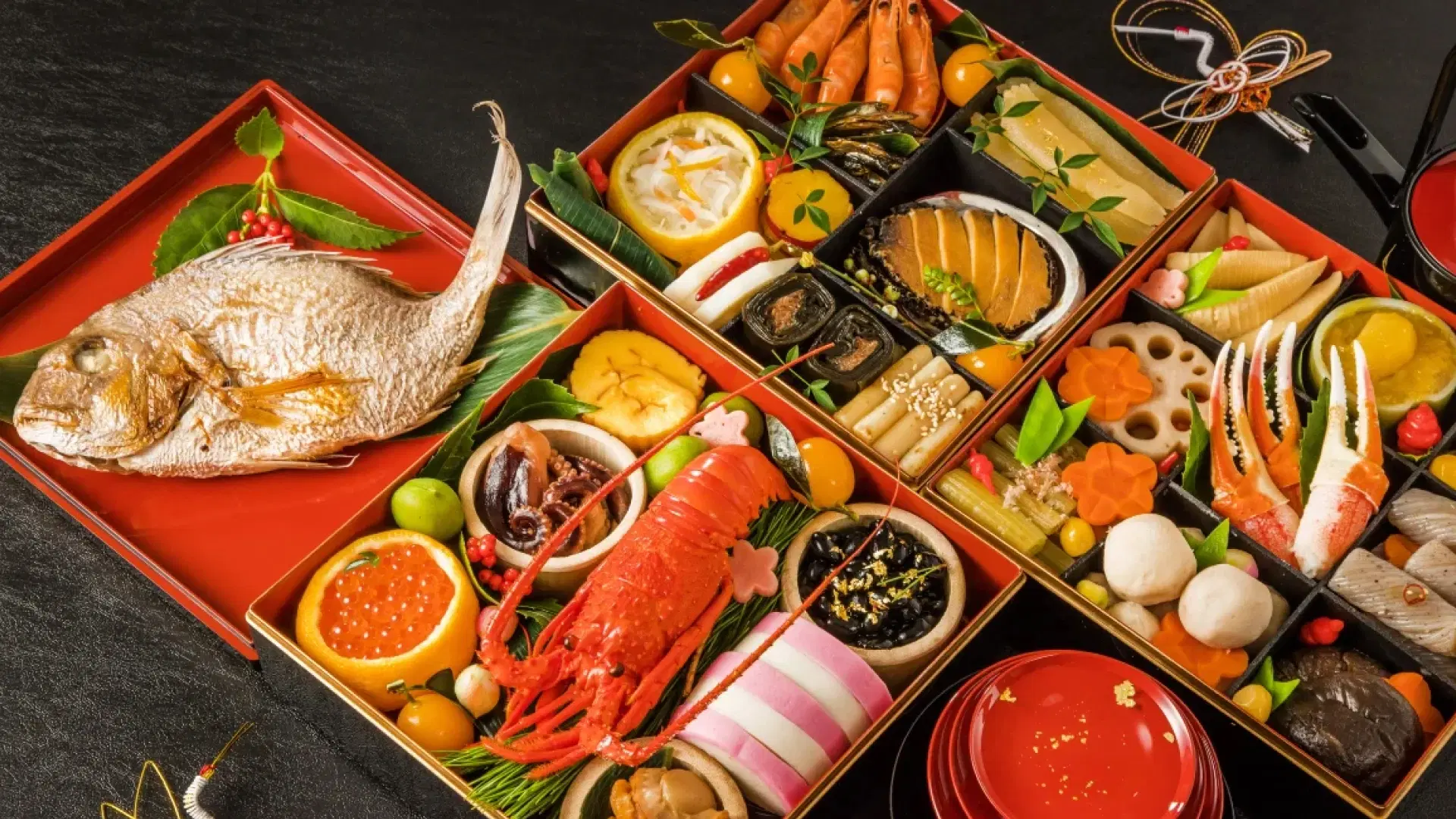
The kaiseki meal during cherry blossom season is among the most beautiful of the year. Chefs who have spent the winter working with root vegetables, preserved fish, and hearty broths now turn to the first green shoots and delicate flavors of spring. Bamboo shoots, just emerged from the earth, are grilled with a touch of salt. Young fern fronds, called warabi, are blanched and served with a light dashi. The first bonito of the season, hatsu-gatsuo, appears as sashimi, its flesh firm and bright.
The cherry blossom front, or sakura zensen, typically begins in Kagoshima in late March and reaches Hokkaido by mid-May, progressing roughly 30 kilometers northward per day. Full bloom lasts only about one week before the petals scatter.
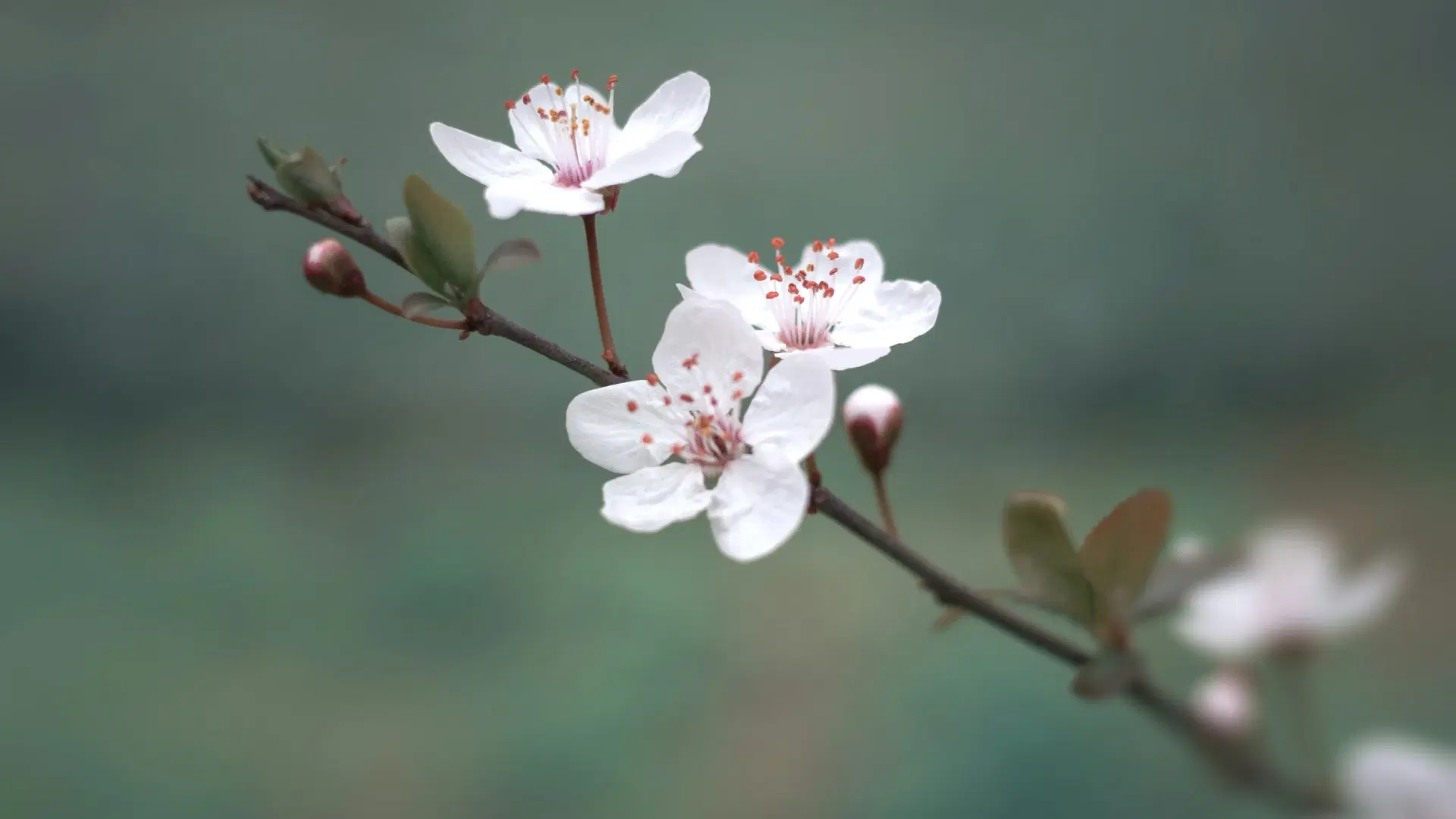
The cherry blossom occupies a position in Japanese culture that no other flower holds in any other civilization. It is the national flower in spirit if not in official designation. Its cultural resonance derives from a single, inescapable quality: it blooms spectacularly and falls quickly. This quality connects the cherry blossom to the Buddhist concept of impermanence, or mujo, and to the broader Japanese aesthetic of mono no aware, the bittersweet awareness of things passing.