Autumn Foliage: The Koyo Ryokan Experience
How Japan's finest inns transform when the maples catch fire
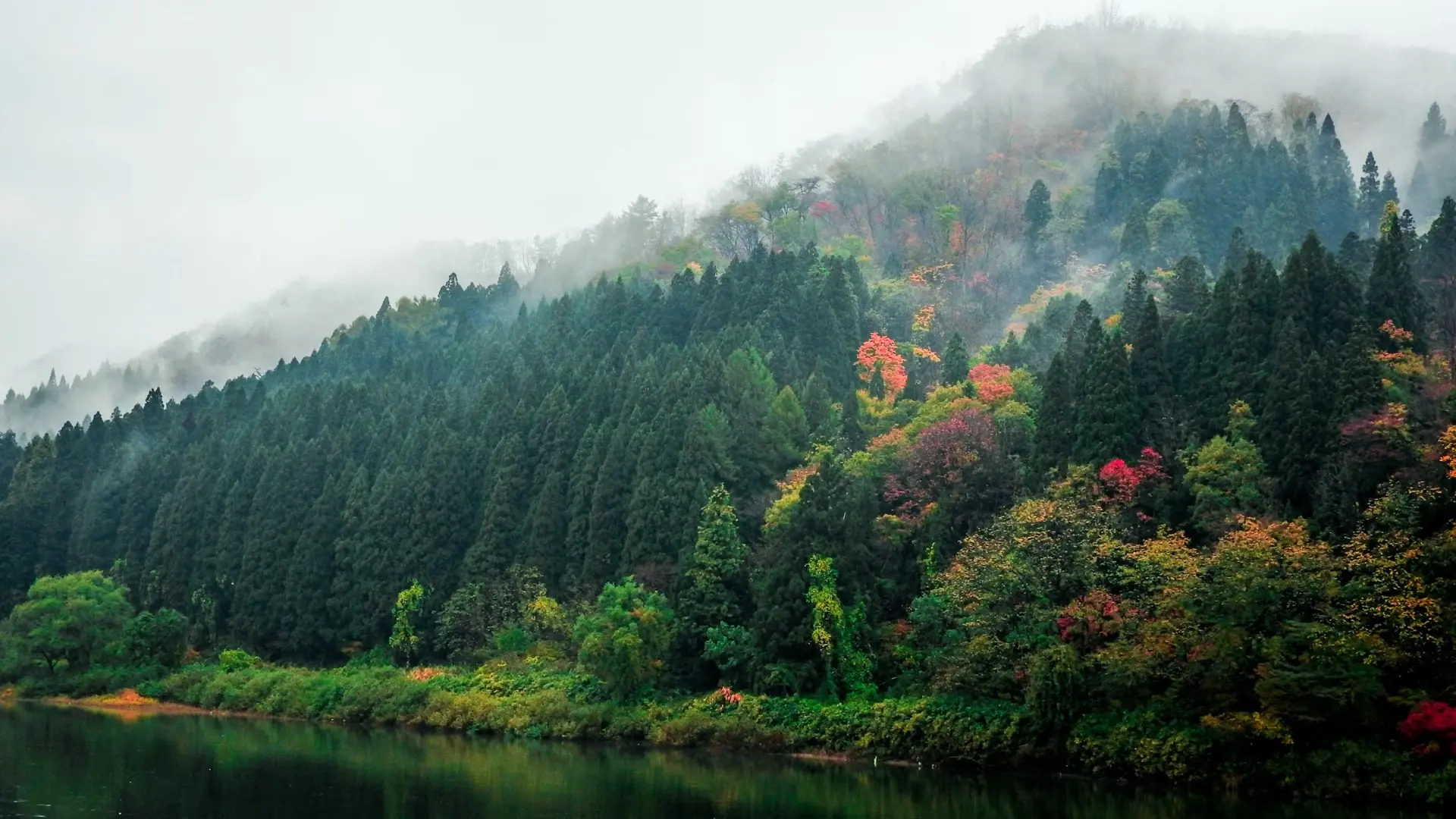
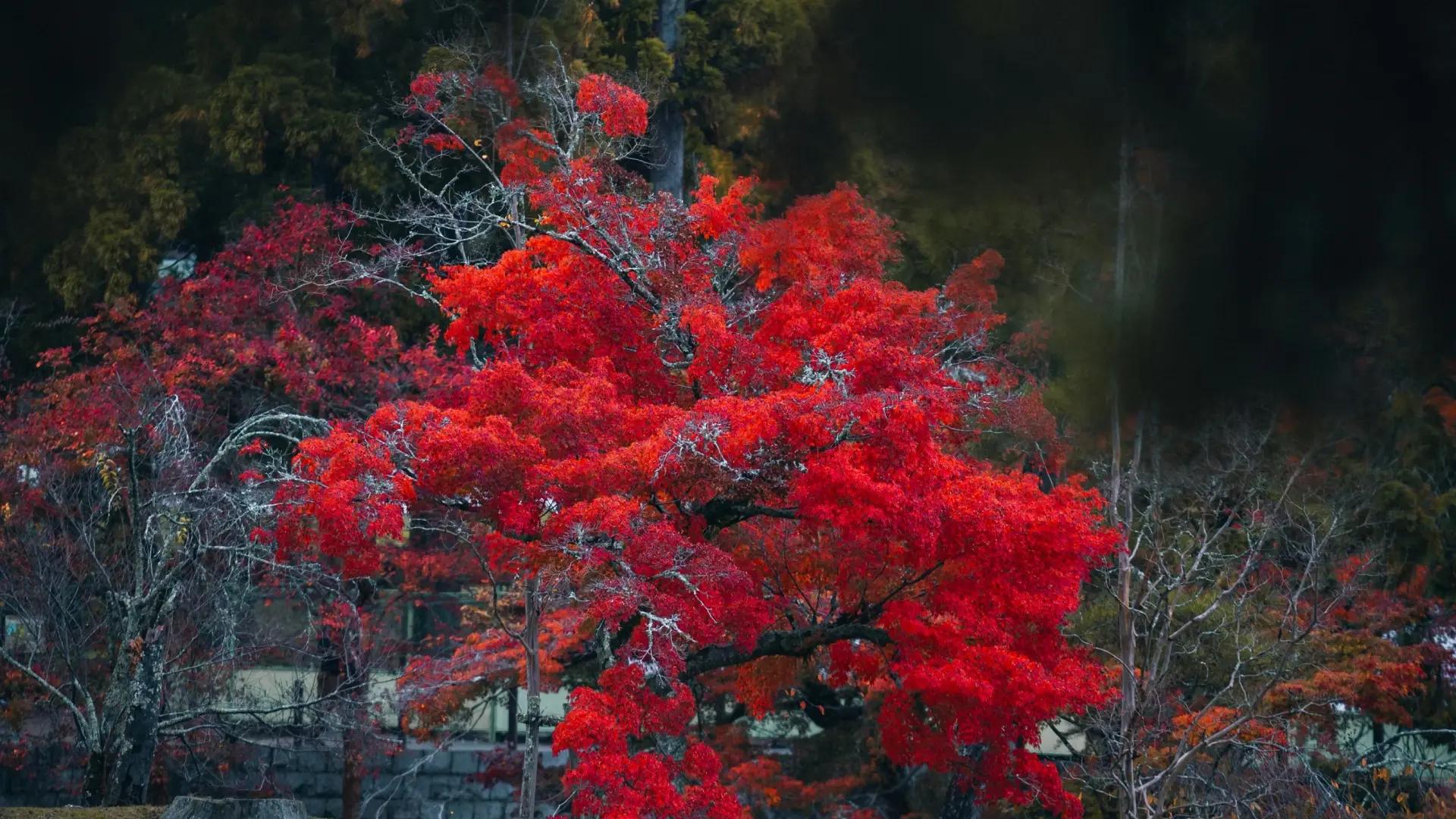
If cherry blossom season in Japan is a celebration of beginnings, autumn foliage season is its necessary counterpart: a meditation on culmination, ripeness, and the beauty of things reaching their fullest expression before they fall. The Japanese call this season koyo, literally "red leaves," though the palette extends far beyond red into golds, ambers, burnt oranges, and a particular shade of deep crimson that the Japanese maple, momiji, produces in quantities found nowhere else on earth.
Autumn foliage season
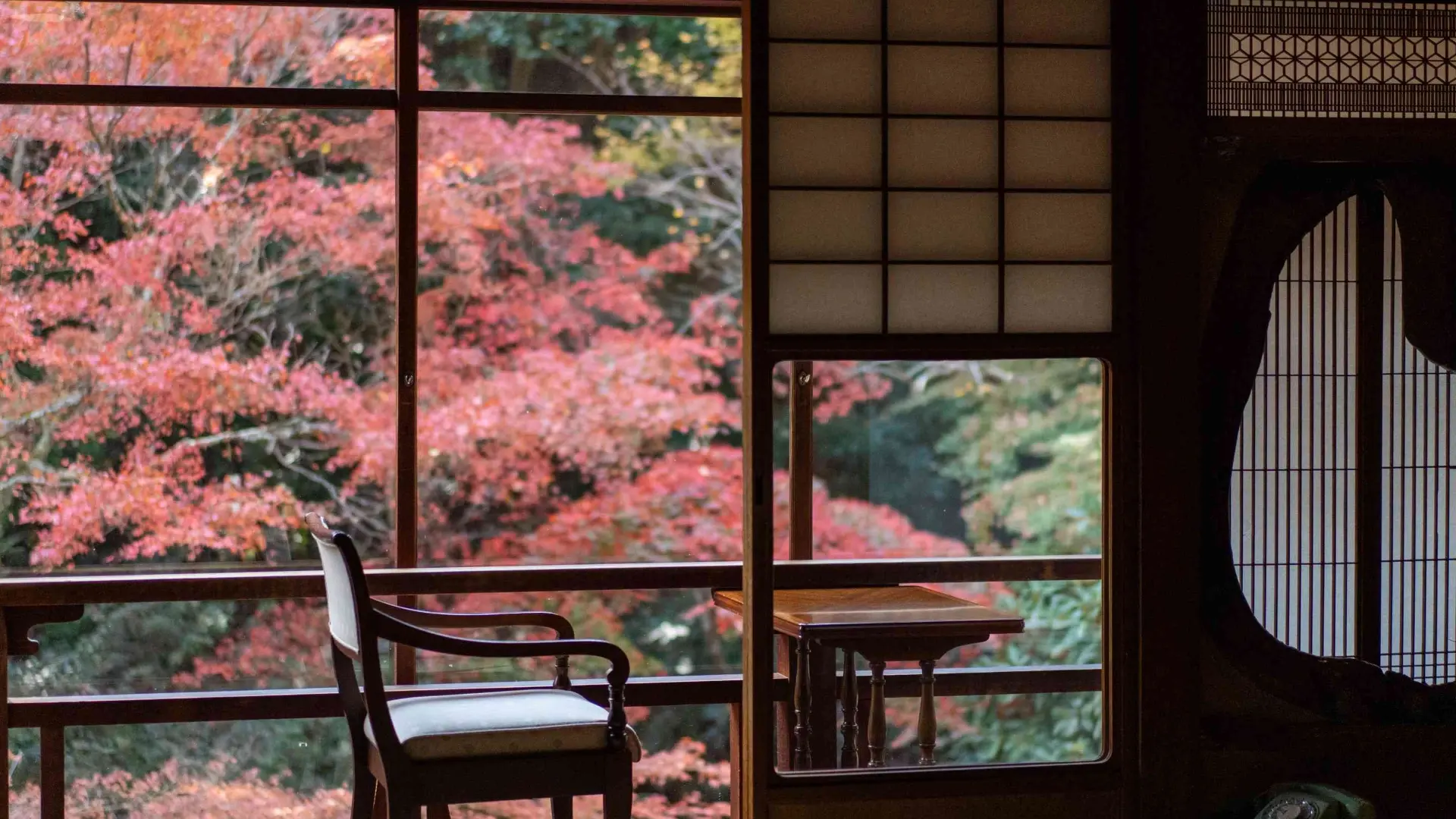
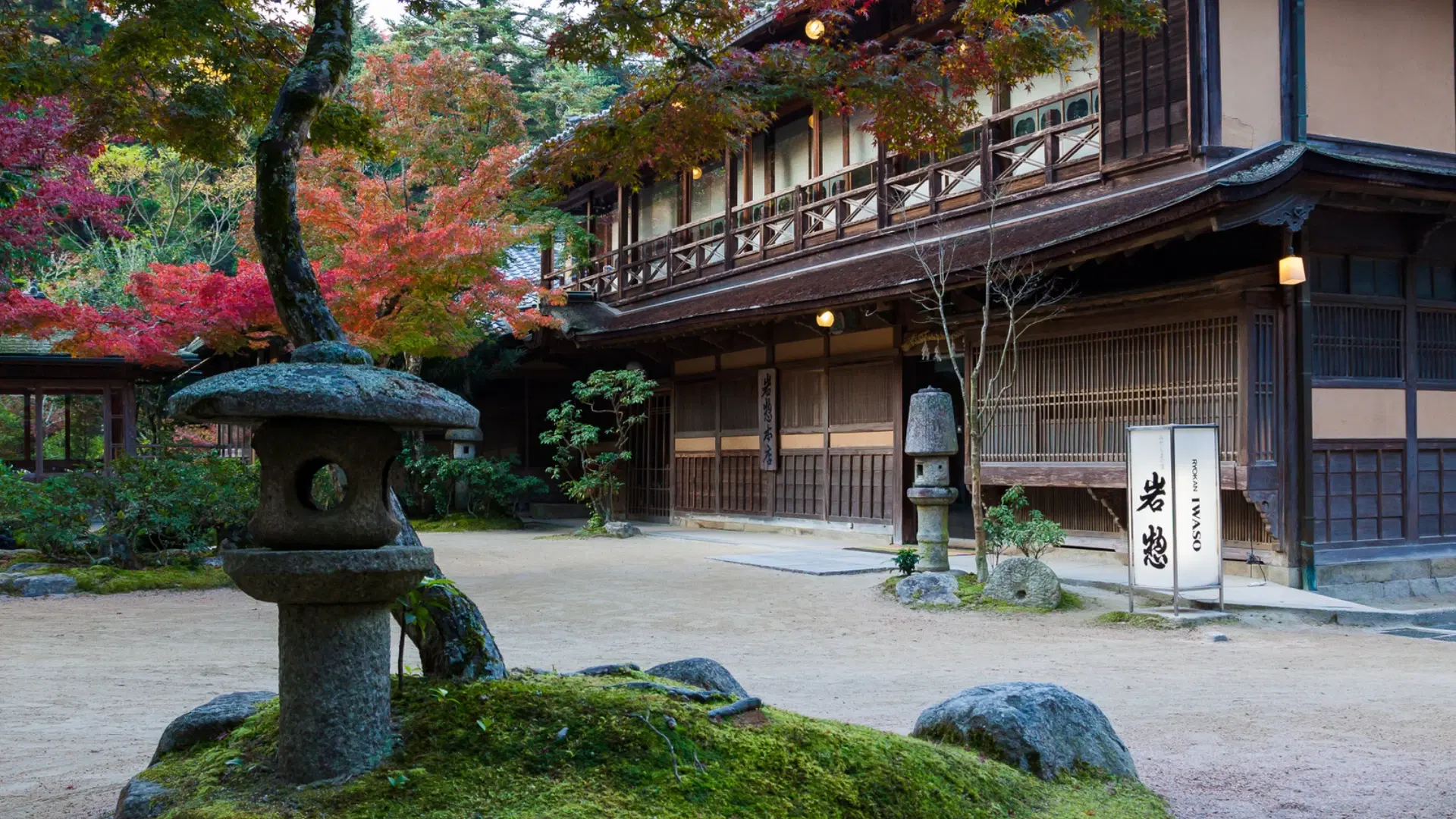
Japanese ryokan architecture was designed, in significant part, for autumn. The deep eaves that shade the engawa veranda in summer serve a different purpose in November: they frame the garden like the borders of a scroll painting, concentrating the eye on the color beyond. The shoji screens, made of translucent washi paper, glow with filtered amber light when the afternoon sun passes through surrounding maple canopy.
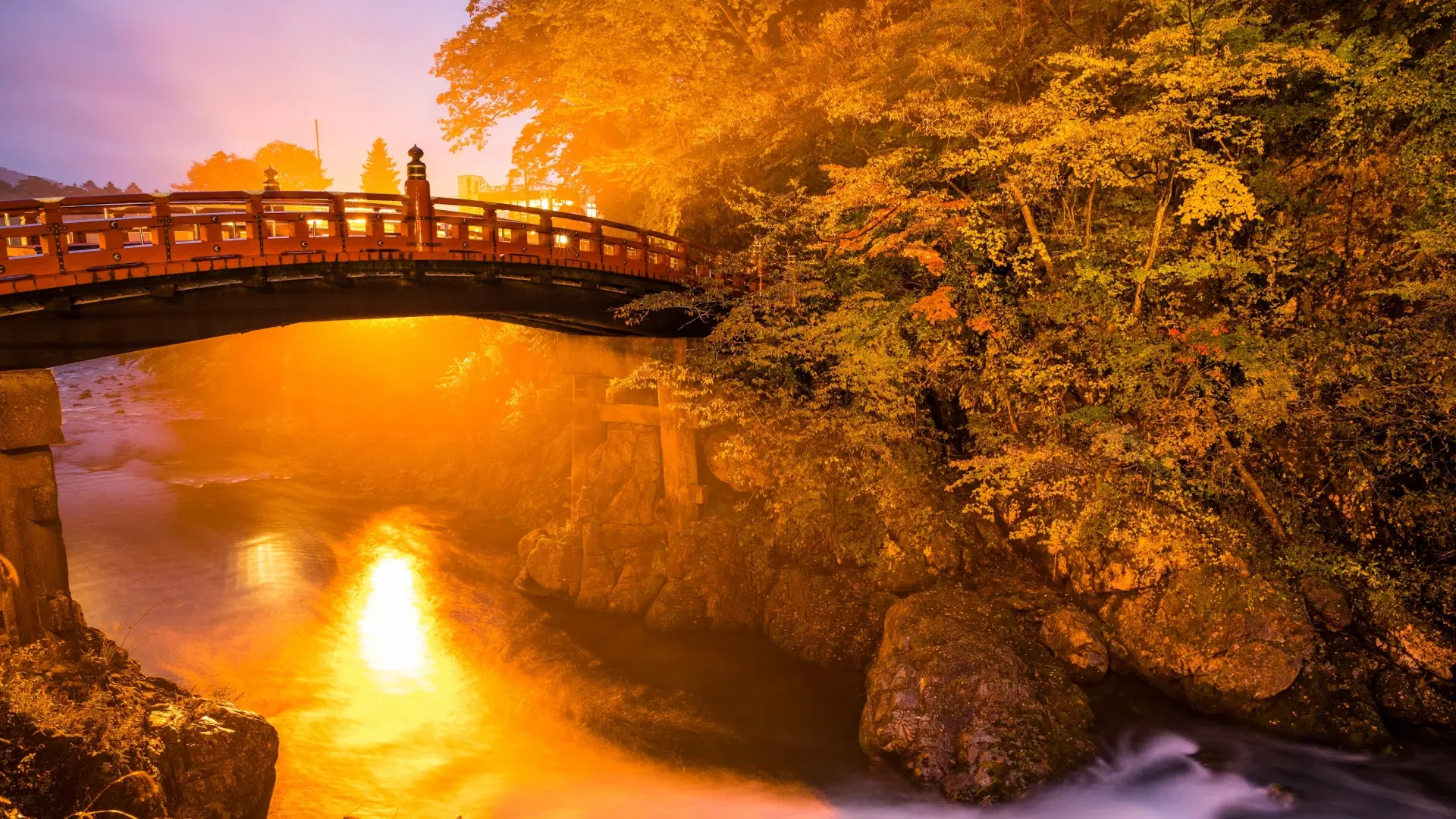
Kyoto's autumn rivals and perhaps surpasses its spring. The city's temple gardens, many designed by Zen masters with a deep understanding of seasonal succession, reach their visual apex in November. Tofukuji, whose Tsutenkyo Bridge spans a valley of over 2,000 maples, is among the most overwhelming autumn sights in Japan. The view from the bridge, looking down into a sea of red and orange that seems to burn without heat, arrests language.
The koyo front moves in the opposite direction from the sakura front. It begins on the high peaks of Hokkaido in late September and descends through the archipelago over two months.
For travelers seeking autumn foliage without the crowds that descend on Kyoto, the Tohoku region offers an alternative that is, in many ways, more visually dramatic. The mountain forests of Aomori, Akita, and Iwate contain a diversity of deciduous species that produce a wider color range than the relatively uniform maple palette of Kyoto's temple gardens. Ginzan Onsen, a narrow valley lined with Taisho-era wooden ryokans, is particularly atmospheric in autumn.
Momiji refers to the turning of leaves, while kaede is the Japanese maple tree itself. The distinction matters in poetry and garden design. The Japanese maple, Acer palmatum, produces an extraordinary range of red, from pale rose to nearly black crimson.
Every element tells the same story: the year is deepening, the light is changing, and there is a particular beauty in witnessing this passage from within the embrace of a place that has honored it for centuries.