Hanami: The Philosophy of Flower Viewing
Beyond the picnic blanket, the centuries-old practice that reveals Japan's deepest values
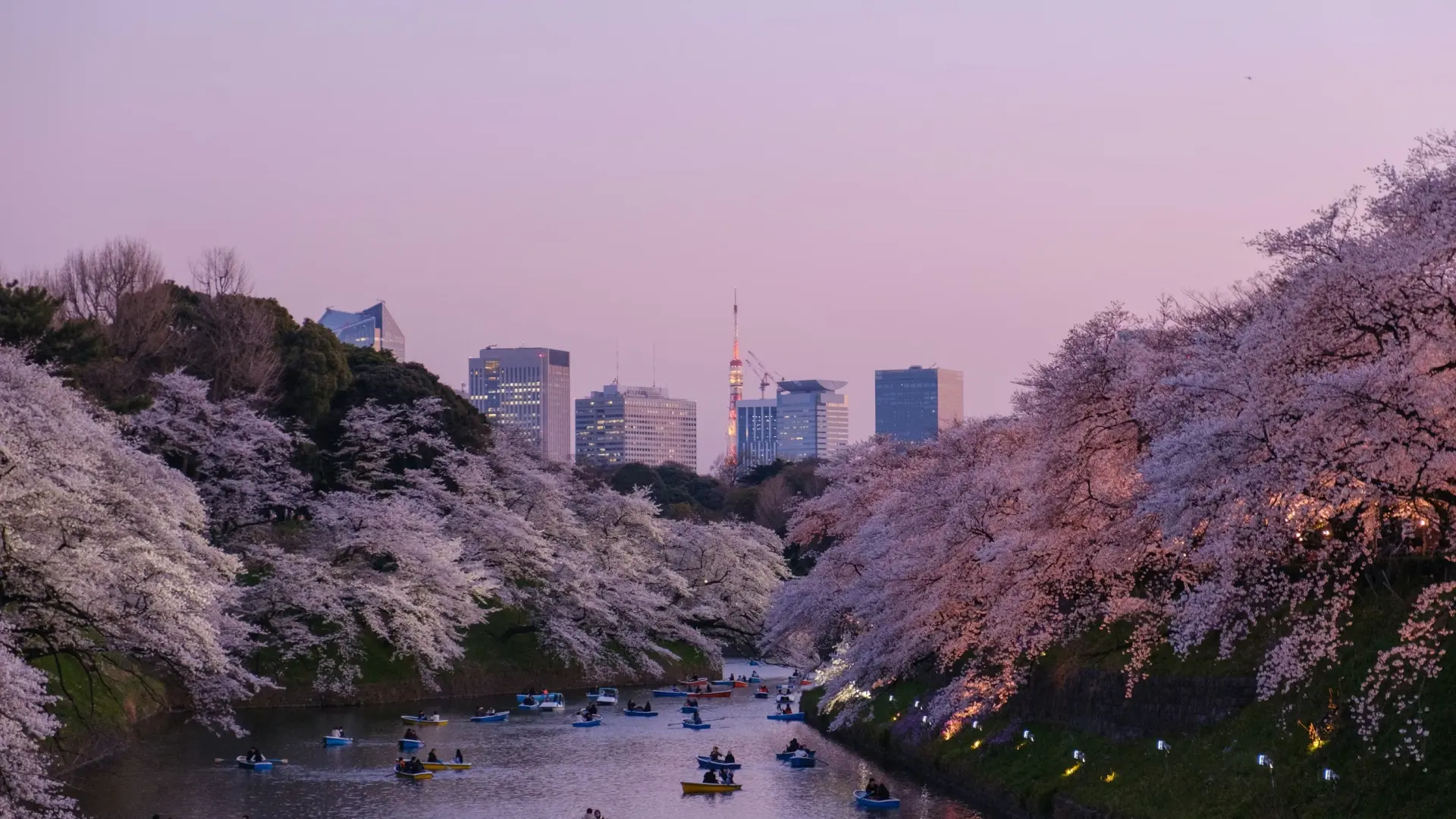
Hanami, in its simplest translation, means "flower viewing." But this translation, like so many between Japanese and English, conceals more than it reveals. Hanami is not merely looking at flowers. It is a structured encounter with beauty and impermanence, a practice with roots in aristocratic court culture that has, over twelve centuries, permeated every level of Japanese society and shaped the nation's deepest aesthetic values.
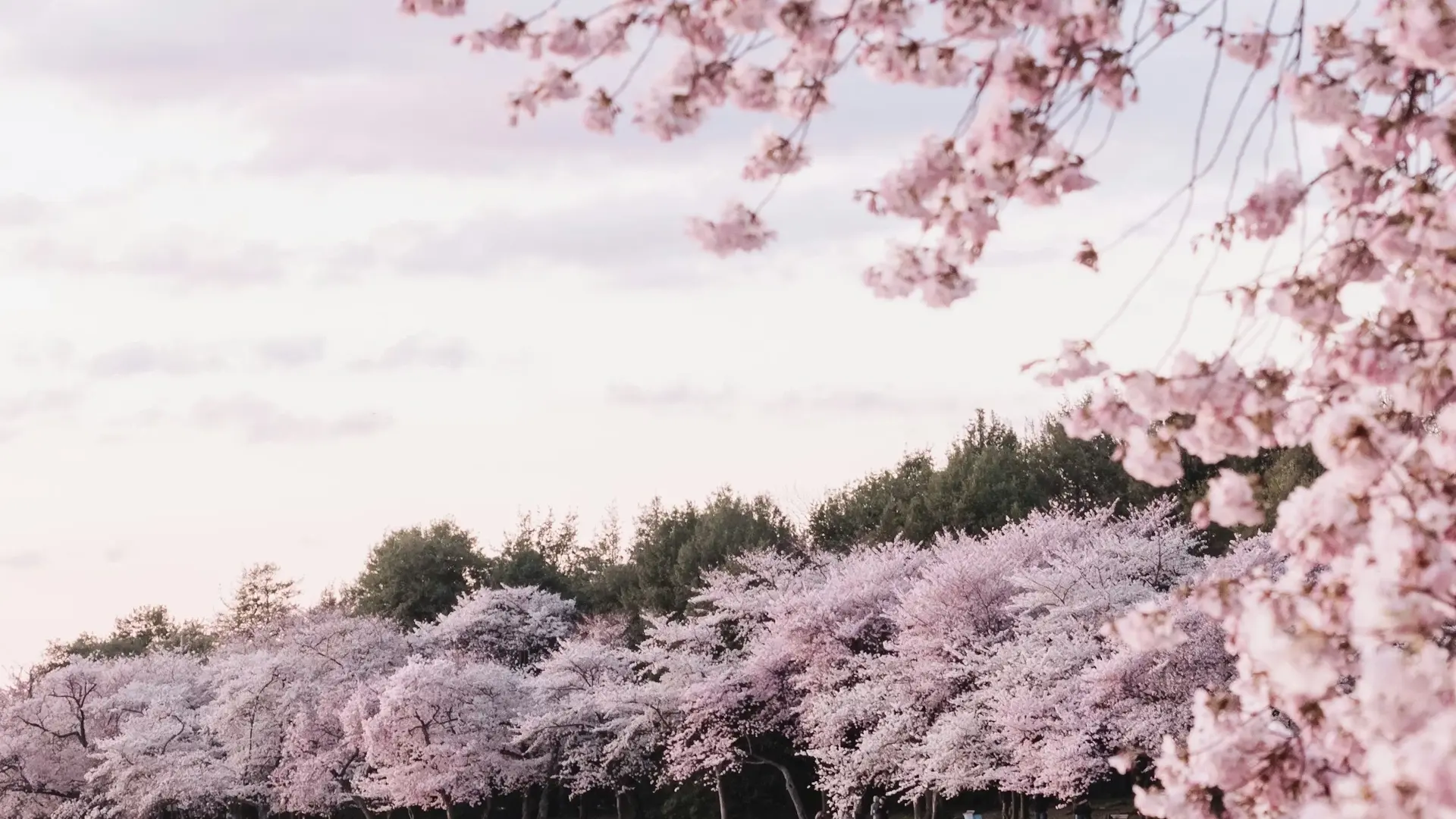
Hanami season
The history of hanami reveals a fascinating evolution in Japanese aesthetic attention. During the Nara period, from 710 to 794, the flowers that commanded aristocratic admiration were ume, plum blossoms. The shift to cherry blossoms occurred during the Heian period, beginning in the 9th century. Where the plum blossom had been admired for its resilience, the cherry blossom was admired for exactly the opposite quality: its fragility. The Heian aristocrats found in the cherry blossom a perfect embodiment of their deepest preoccupation: the beauty that exists only in the moment of its passing.
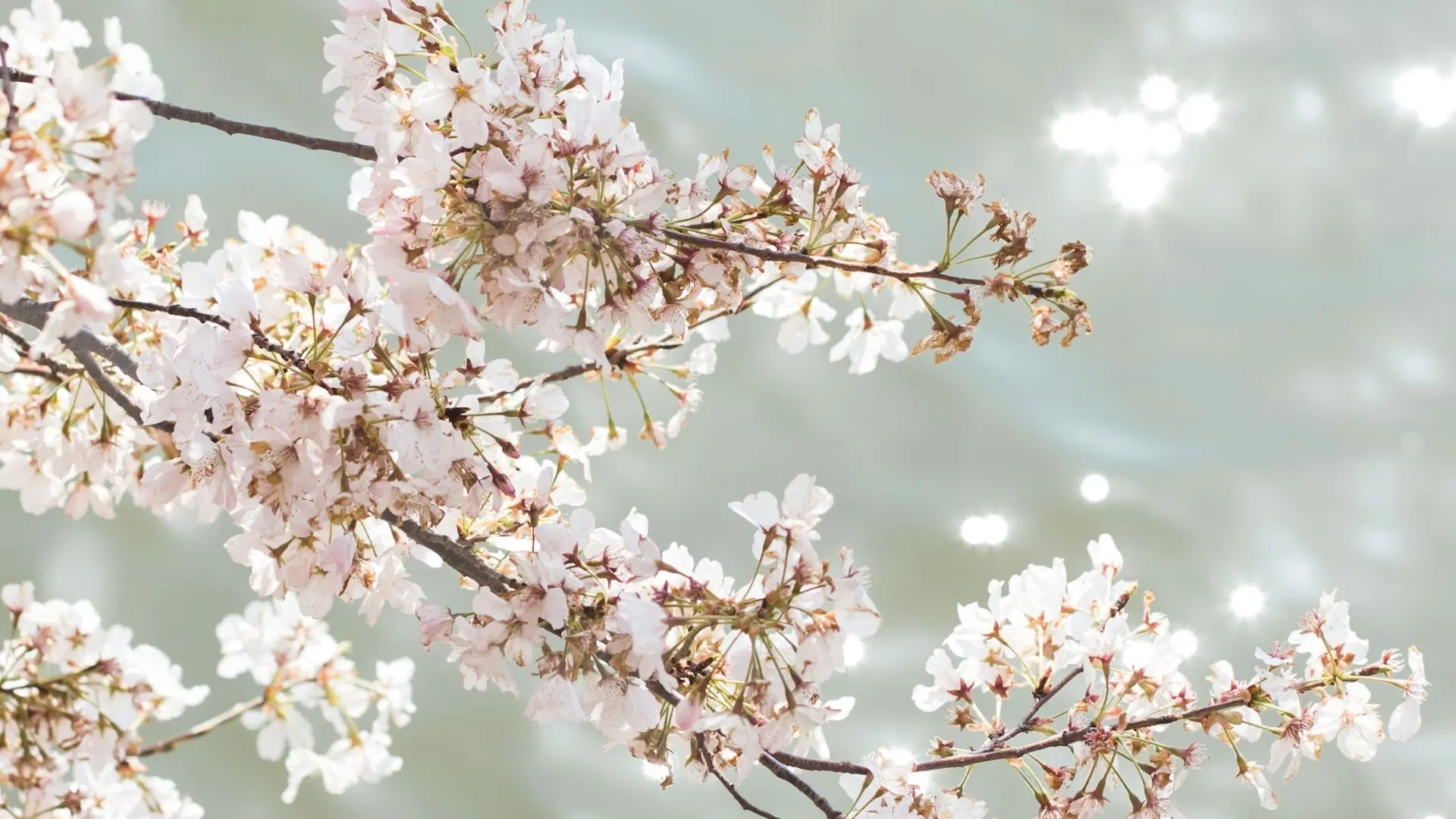
The falling petal, because it is falling, is more beautiful than the petal that remains on the branch. This is not an intellectual abstraction. It is a felt reality, one that hanami is designed to make available.
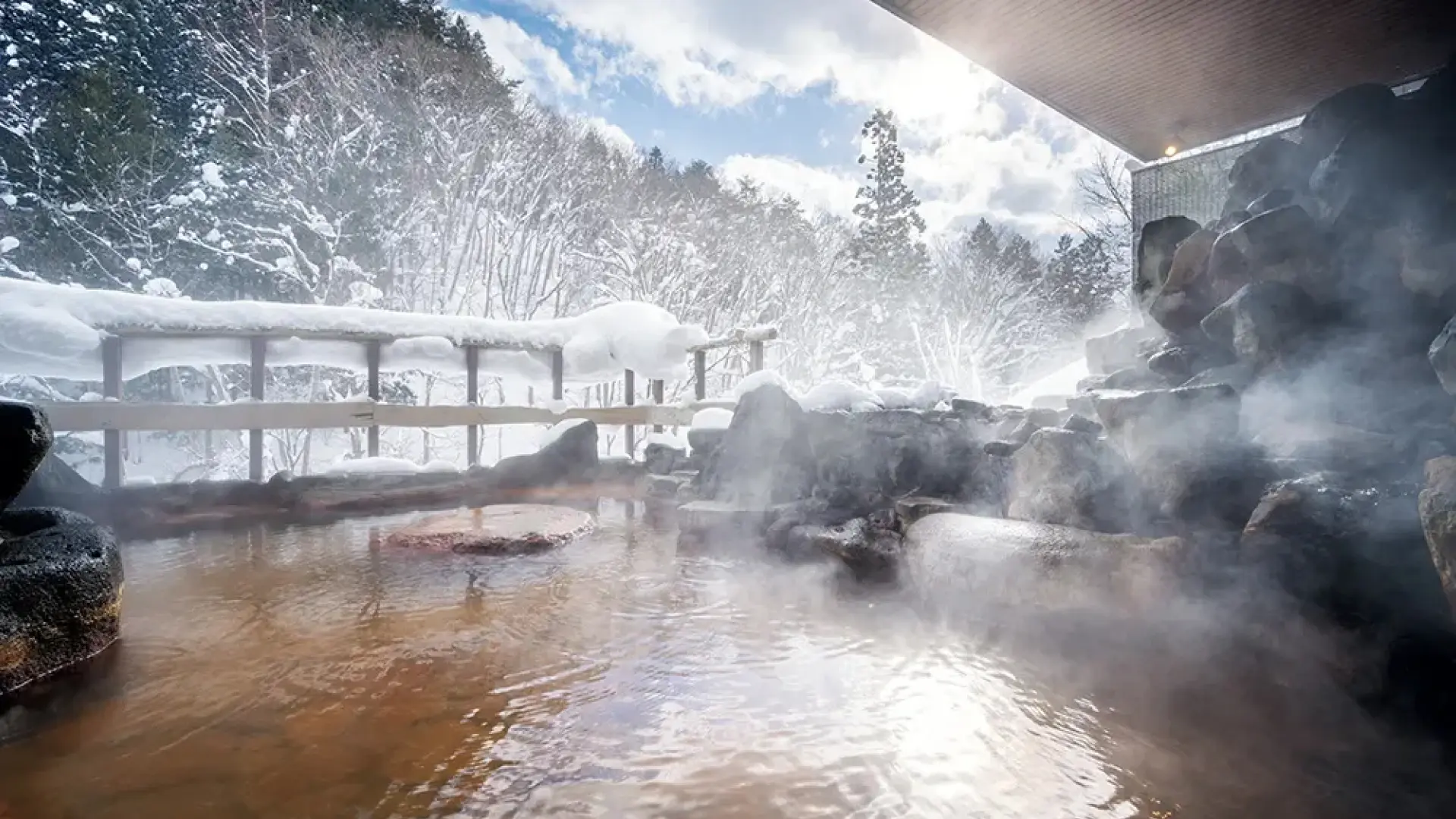
The ryokan occupies a unique position in the hanami tradition. Unlike the public park, where hanami is a social event, the ryokan offers hanami as an intimate, curated experience. The garden of a fine ryokan during cherry blossom season is a hanami venue of extraordinary refinement, where every element has been considered with the same attention that a museum gives to the hanging of a painting.
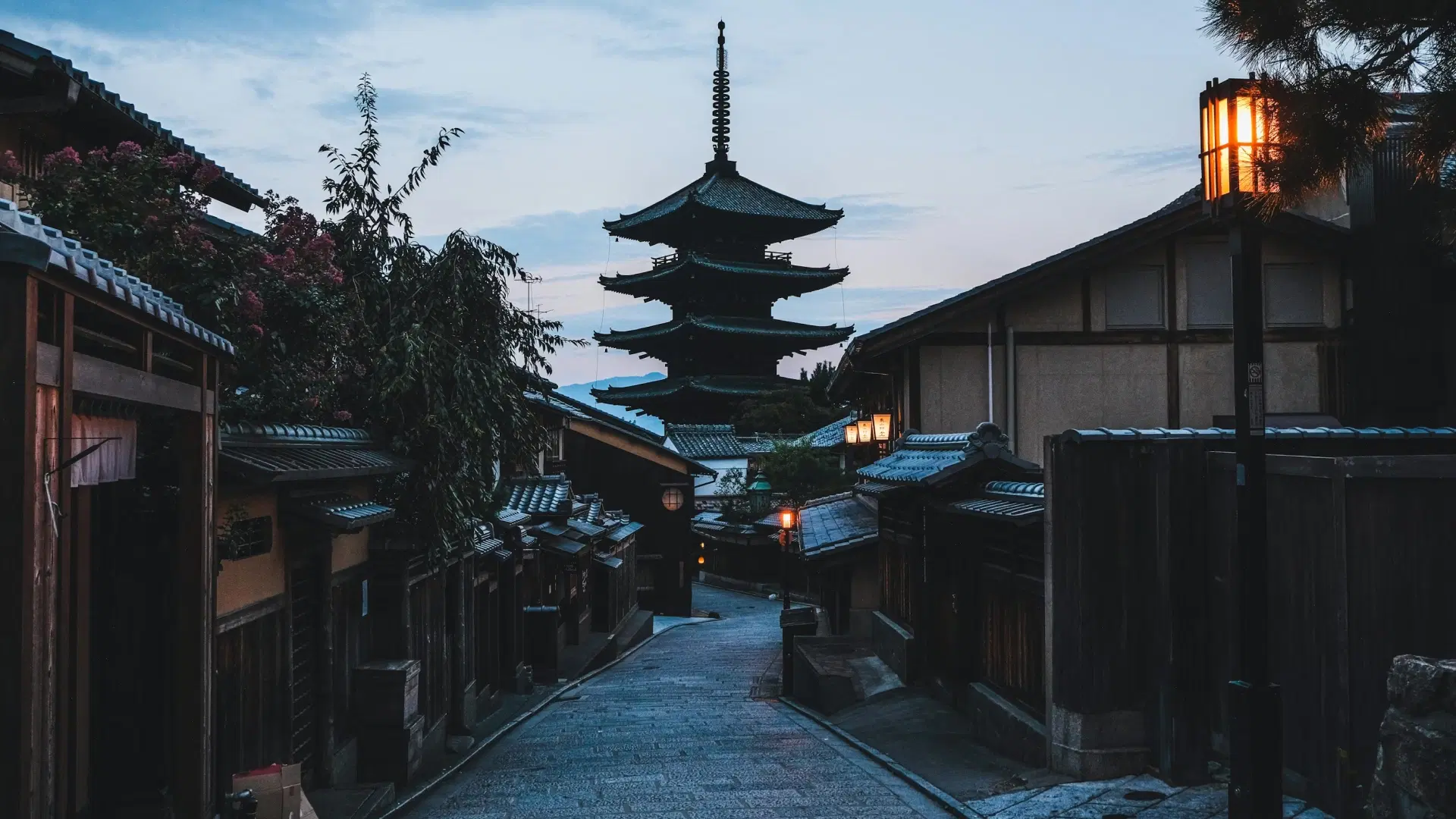
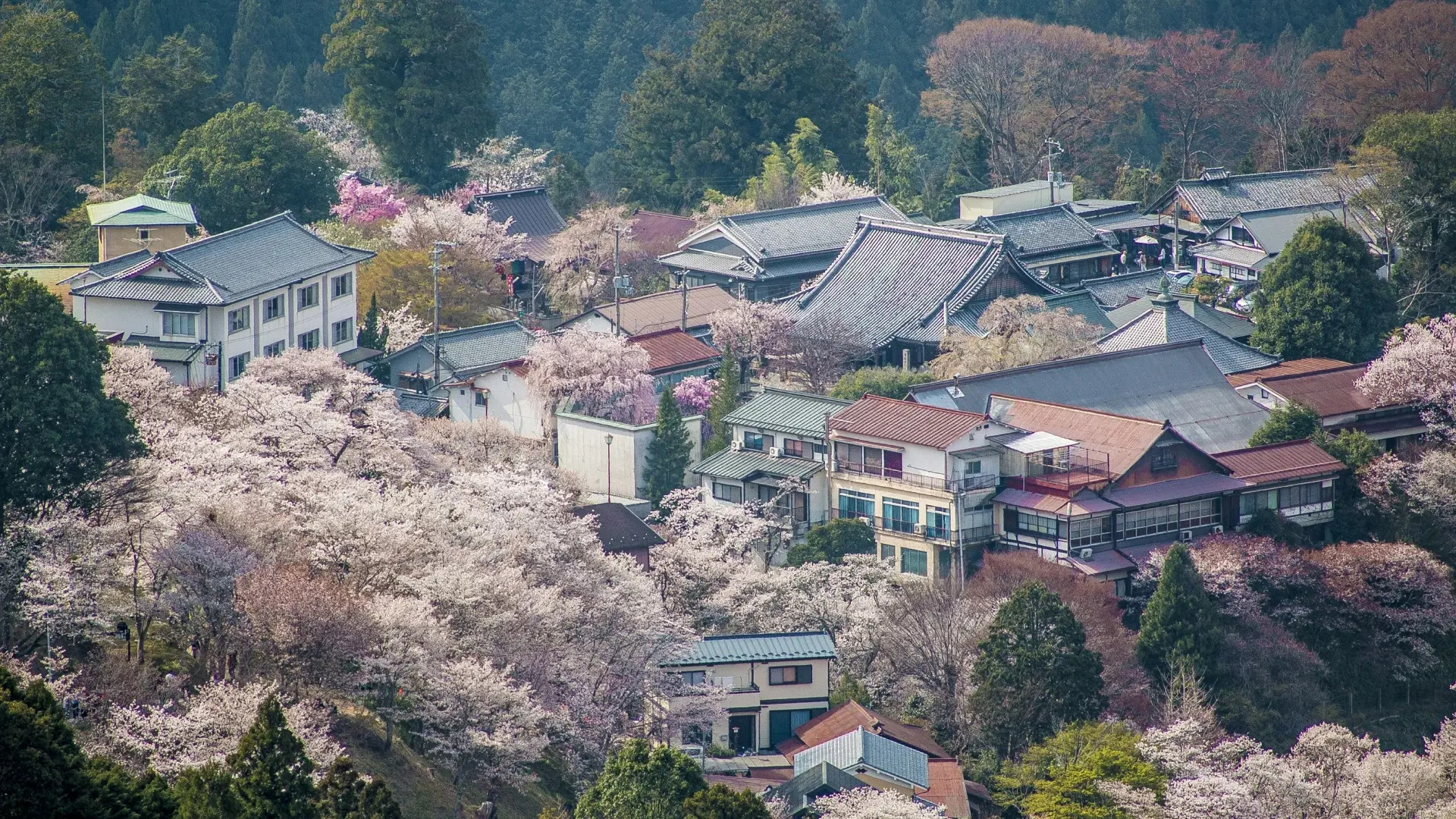
The literary scholar Motoori Norinaga (1730-1801) identified mono no aware, the pathos of things, as the defining sensibility of Japanese culture, with cherry blossoms as its supreme symbol. Beauty, in the Japanese understanding, is not diminished by transience. It is constituted by it.
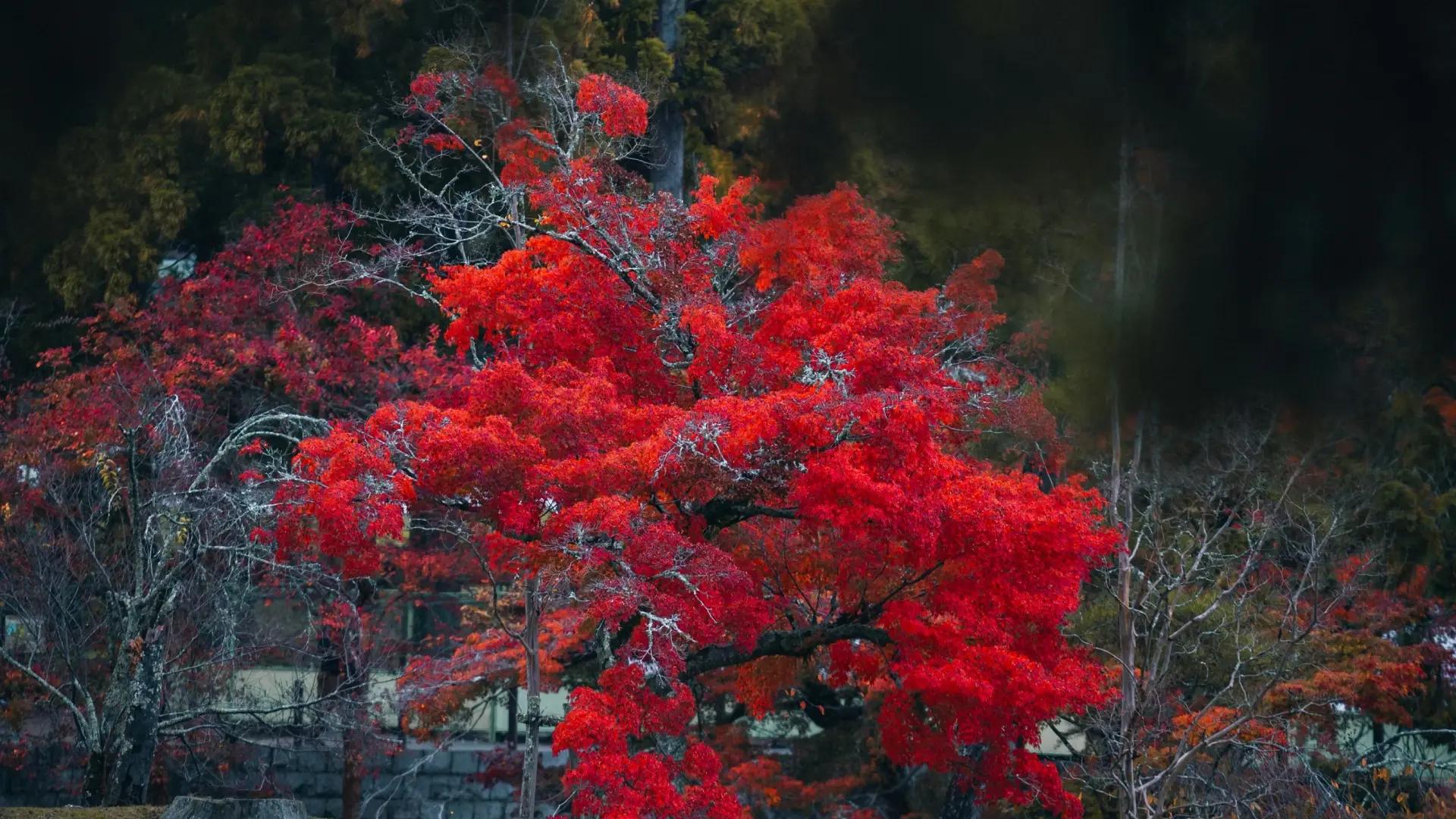
While the cherry blossom is the supreme object of hanami, the practice of flower viewing extends across the entire Japanese calendar. The plum blossom in February, the wisteria in late April, the iris in June, the lotus in July, the cosmos in September, the chrysanthemum in November: each has its season of viewing. The guest who visits the same ryokan in spring, summer, autumn, and winter will encounter what amounts to four different places.
Beauty is not a commodity to be consumed but an experience to be inhabited. The cherry blossom does not bloom for you. It blooms because that is what cherry trees do.