Summer Retreats: Escaping the Heat
Mountain ryokans, river breezes, and the Japanese art of finding cool
The Japanese summer is formidable. From late June through September, much of the archipelago is gripped by a humidity that makes outdoor activity an act of endurance rather than pleasure. But Japan has also, over those same centuries, developed a sophisticated culture of retreat from the summer heat. The concept is captured in the word suzushii, which means cool in the sense of refreshingly pleasant rather than merely cold. It is a positive aesthetic state, not a mere absence of heat.
Summer retreat season
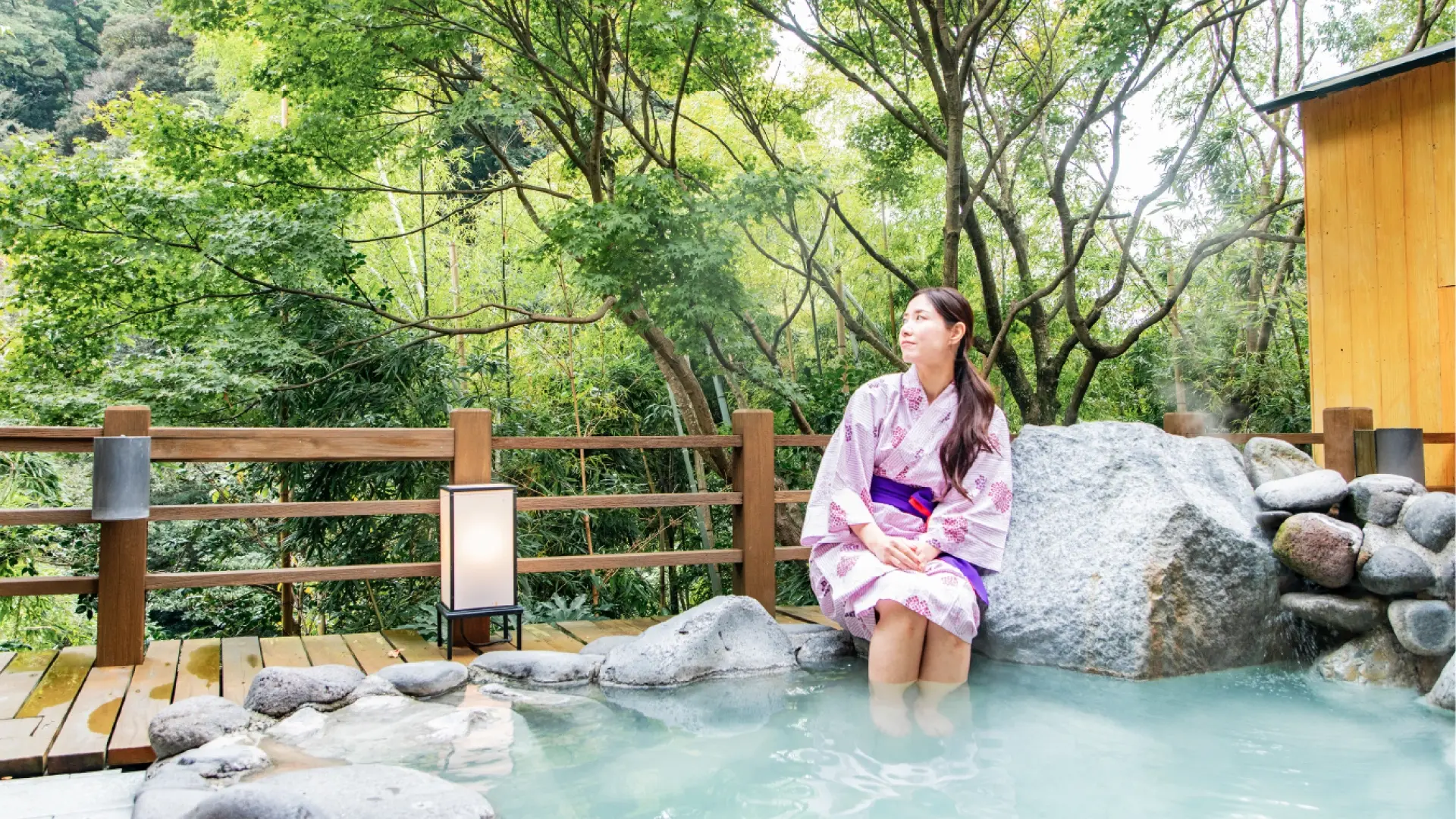
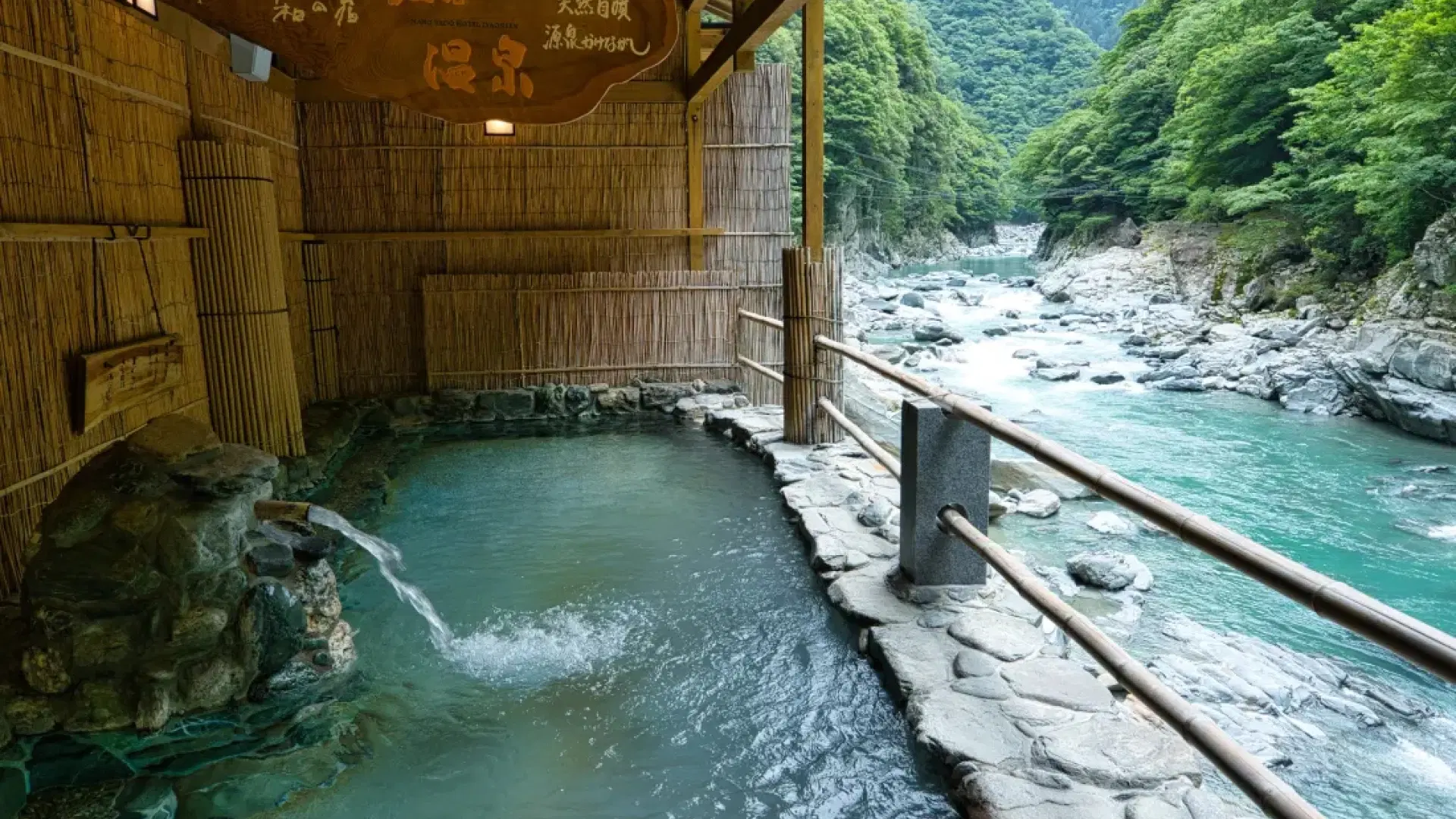
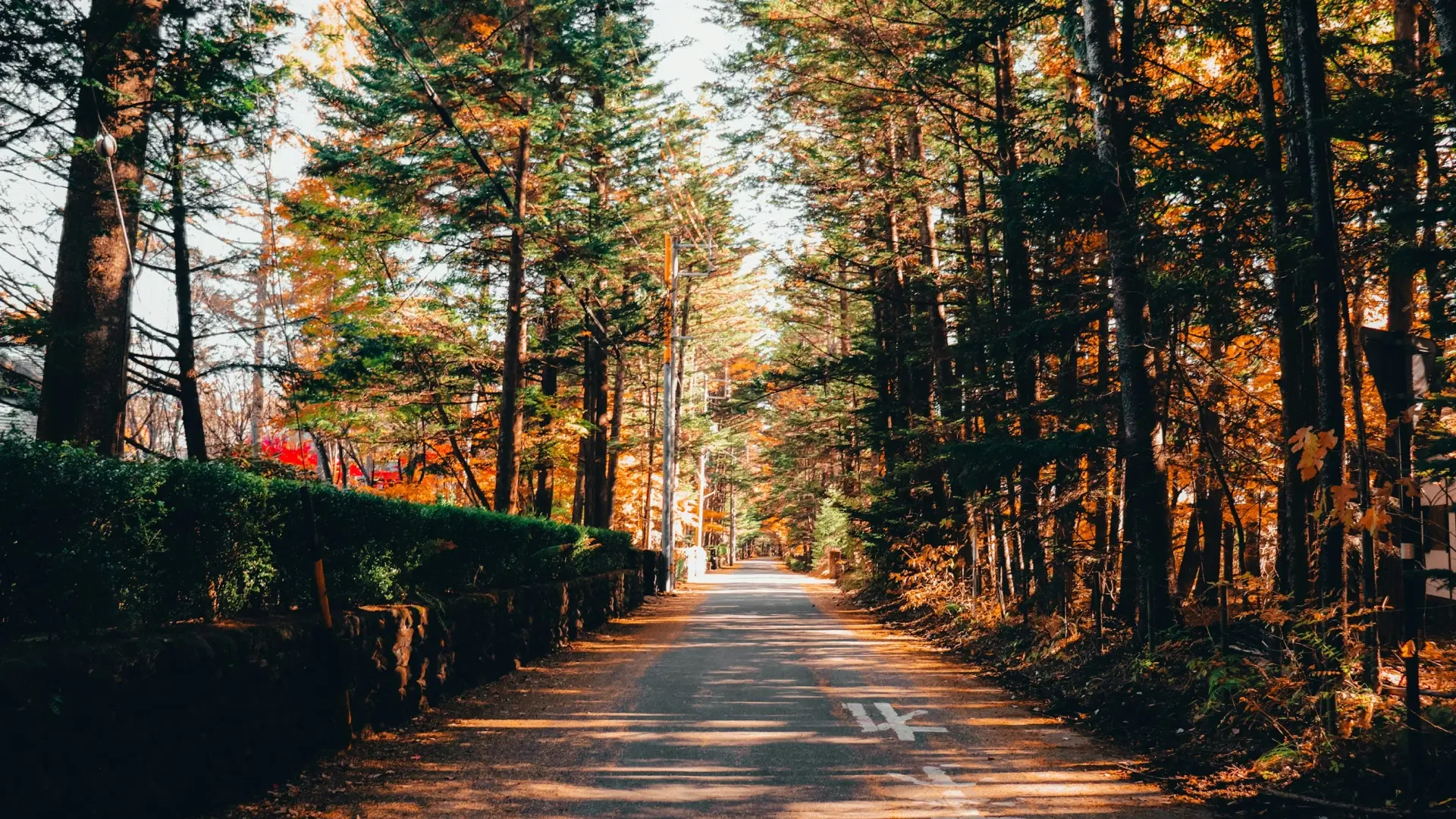
Japan's mountainous interior, which constitutes over seventy percent of the country's landmass, offers a natural escape from the lowland heat. At elevations above 700 meters, summer temperatures can be ten degrees cooler than at sea level, and the air carries a crispness that makes walking, hiking, and outdoor bathing genuinely pleasant even in August. Karuizawa, the highland resort town in Nagano Prefecture, has been Japan's premier summer retreat since the late 19th century.
The sound of furin, the glass wind chime hung from the eaves of the ryokan, is the acoustic signature of the Japanese summer. Its clear, high tone, produced by the slightest breeze, is psychologically associated with coolness.
Summer transforms the kaiseki kitchen into a showcase for coolness and clarity. The rich, warming dishes of winter give way to preparations designed to refresh the palate and cool the body. Chilled soups, cold noodles, and raw preparations dominate the menu, and the presentation shifts to glass, bamboo, and pale ceramics that evoke water and ice. Sweetfish, or ayu, caught in clear mountain rivers and grilled whole over charcoal, has a distinctive fragrance that the Japanese compare to watermelon or cucumber.
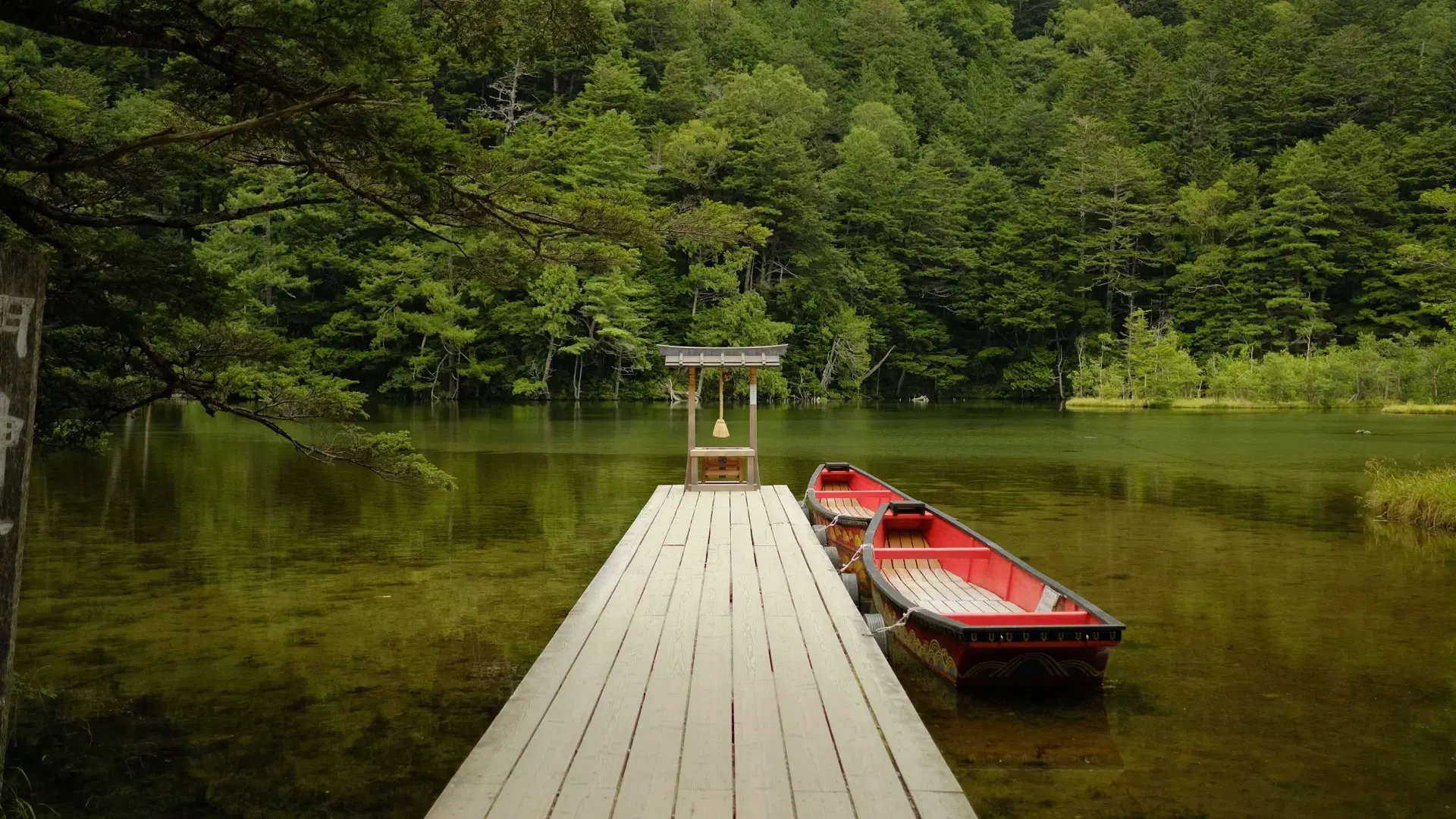

Japanese culture developed an entire aesthetic around the sensation of coolness. Wind chimes, bamboo blinds, flowing water, and blue-toned ceramics are all employed to evoke suzushisa, the feeling of refreshing cool, proving that comfort is as much psychological as physical.
Firefly viewing, or hotaru-gari, is a summer tradition that several rural ryokans facilitate during June and early July. The Genji firefly, with its slow, luminous pulse, gathers along clean waterways after dark, and the experience of watching thousands of living lights drift through a summer night is quietly extraordinary.