Okinawa
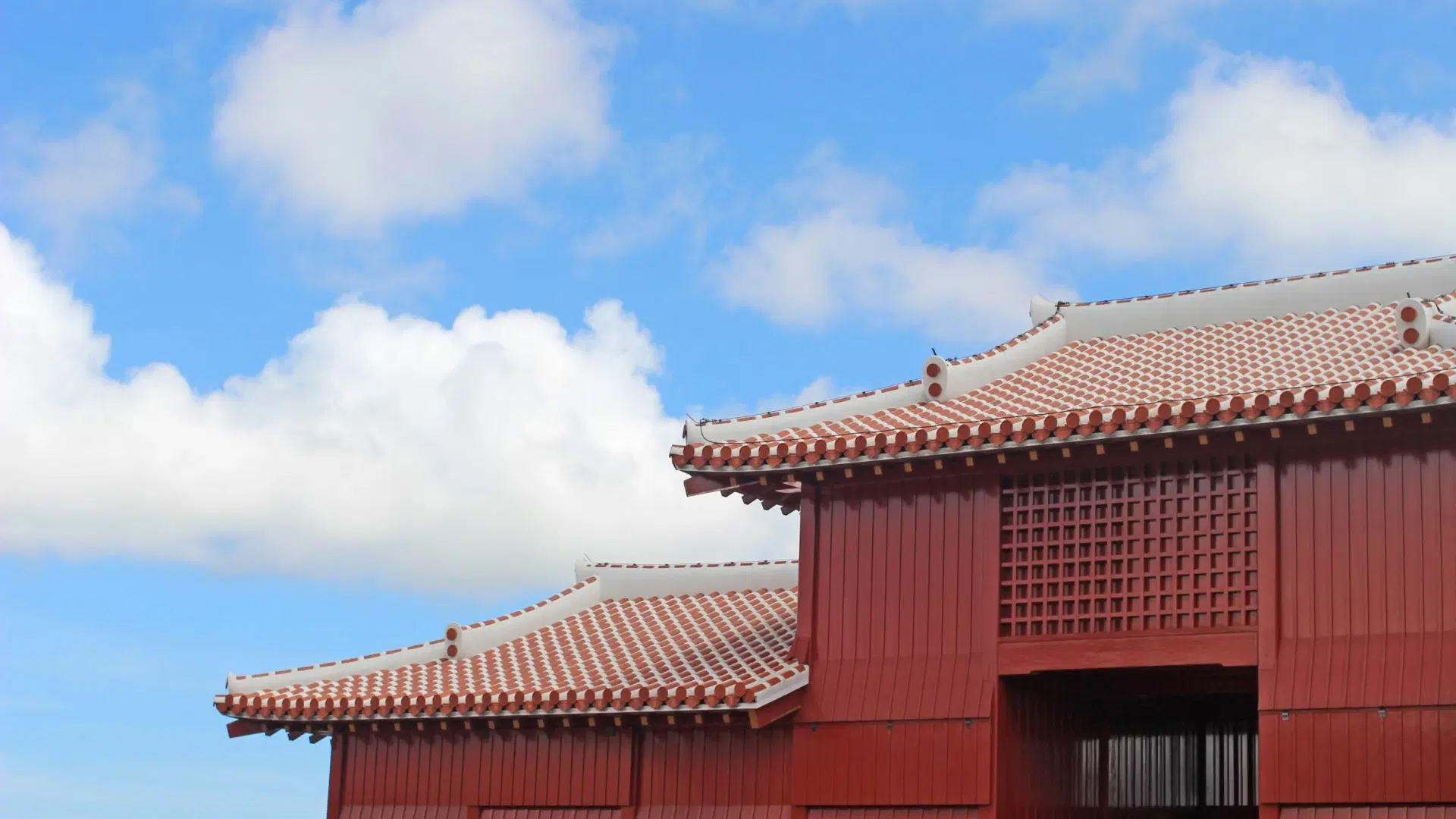
沖縄県Okinawa is Japan's other country. Stretching in a coral arc from the southern tip of Kyushu toward Taiwan, its 160 islands belong to a different history, a different palette, and a different rhythm than the mainland. For centuries, the Ryukyu Kingdom governed this chain as an independent maritime state, trading with China, Japan, Korea, and Southeast Asia, and the echoes of that sovereignty persist in the language, the music, the red-tiled rooflines, and the fierce pride of the people. Naha, the capital, holds the reconstructed Shuri Castle on its hilltop, a coral-stone palace that served as the kingdom's seat of power until annexation in 1879.
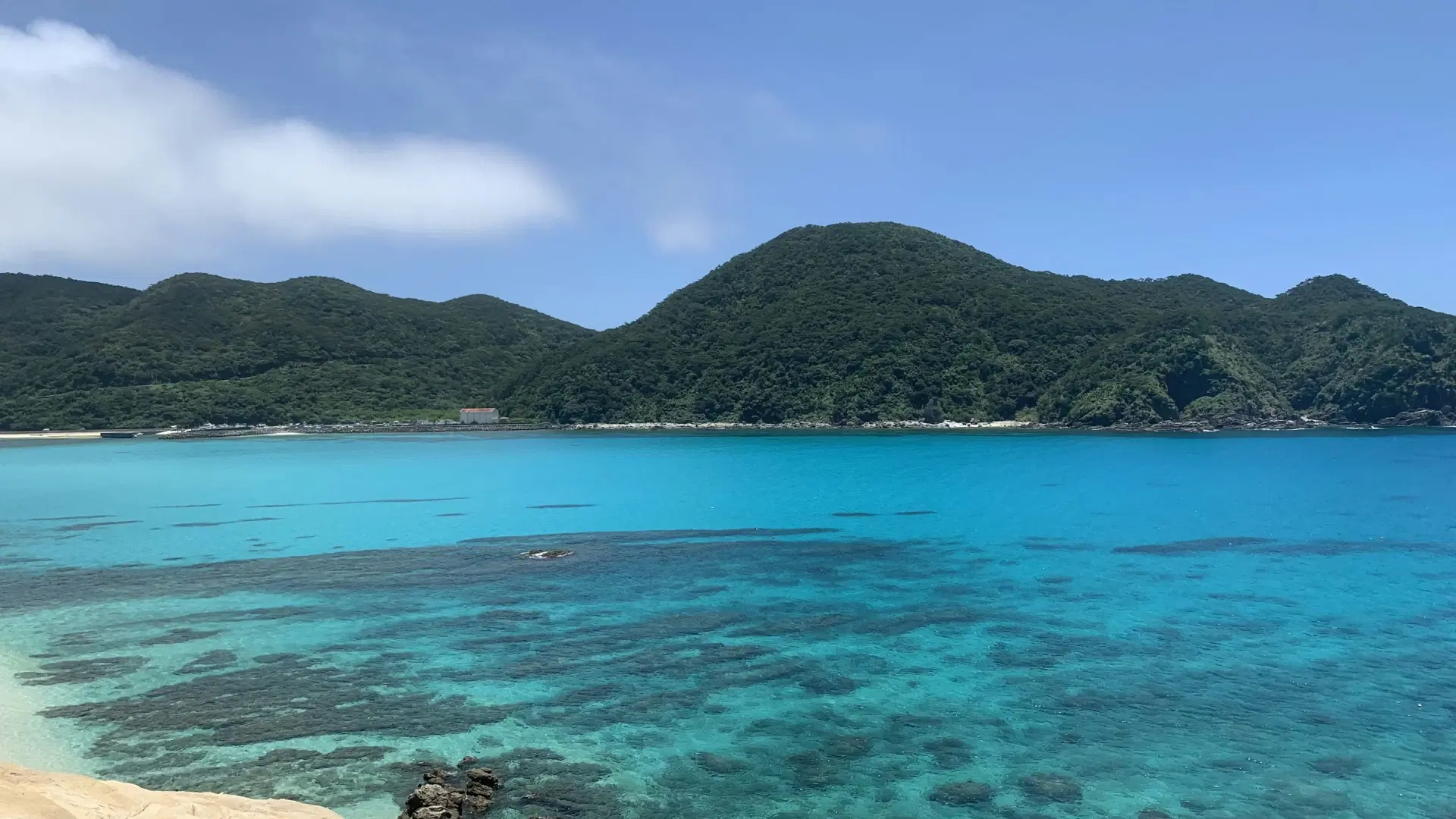
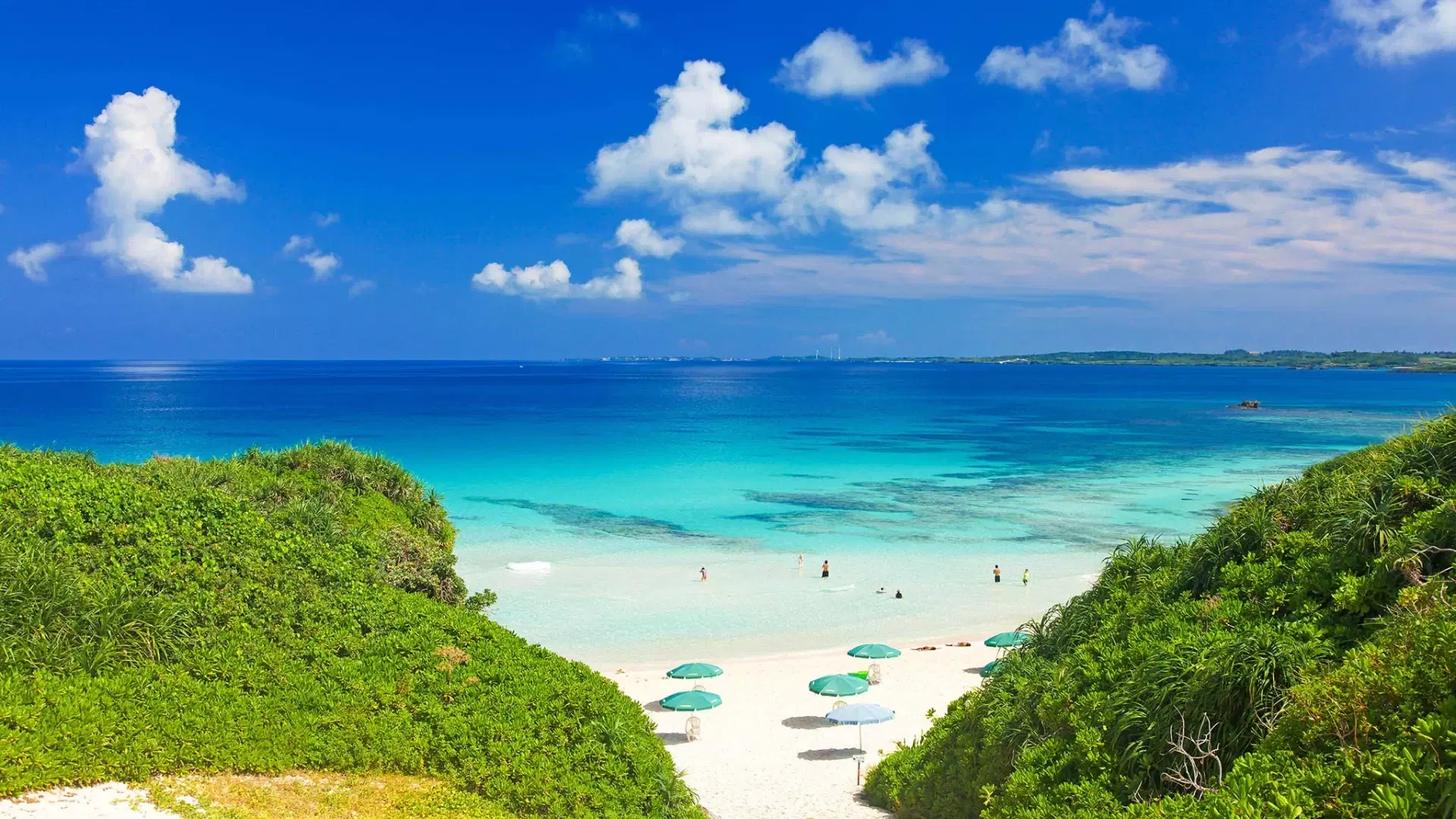
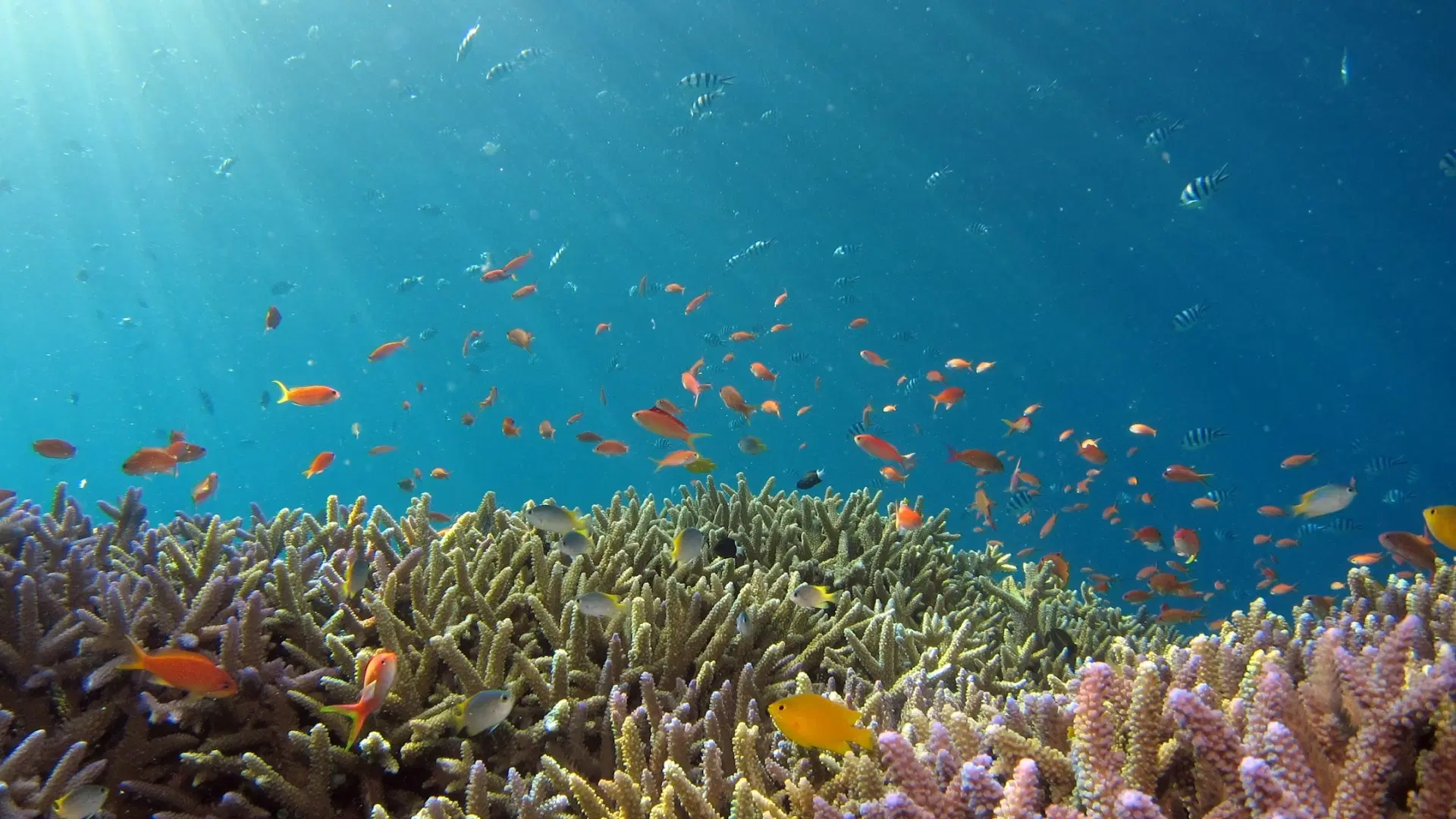
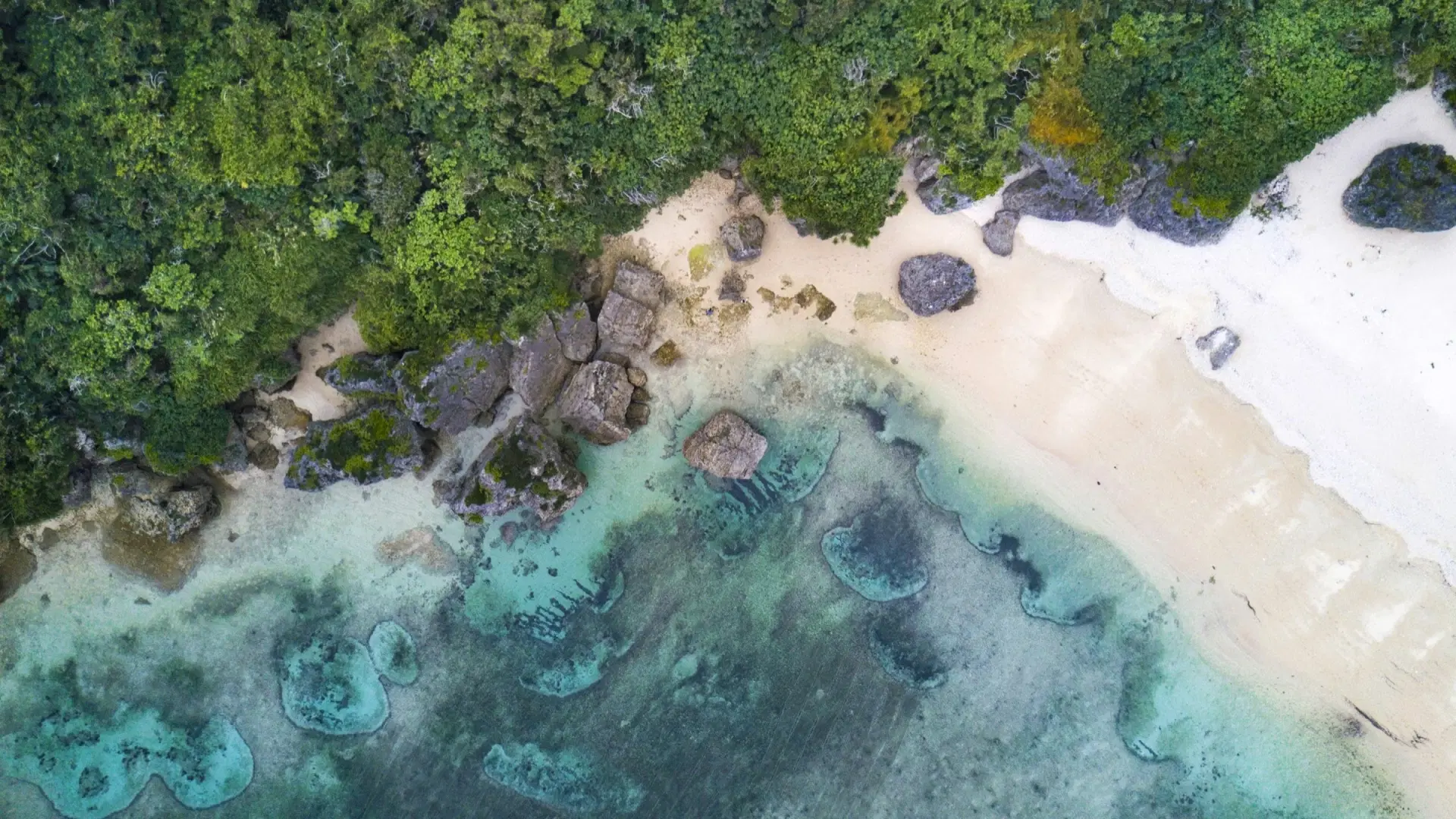
Beyond the cities, Okinawa reveals itself in water. The Kerama Islands, thirty minutes by fast ferry from Naha, hold some of the most transparent seas in the world, their reefs sheltering humpback whales in winter and sea turtles year-round. Miyako-jima, farther south, is ringed by beaches of powdered coral so white they seem to emit their own light. Iriomote, in the remote Yaeyama chain, is ninety percent covered in subtropical mangrove jungle, its rivers navigable only by kayak.
Okinawa's cuisine draws from the sea and the garden in equal measure, and its people live longer than almost anyone on earth, a fact attributed to diet, community, and a philosophy of ikigai that resists easy reduction. The sanshin, a three-stringed instrument descended from the Chinese sanxian, provides the soundtrack to an island culture that has absorbed centuries of influence and remained, at its core, unmistakably itself.
Cultural Identity
Okinawan culture flows from the Ryukyu Kingdom, a trading civilization that lasted five centuries and left its mark on everything from architecture to textiles. Shuri Castle, rebuilt multiple times and most recently after a devastating 2019 fire, remains the spiritual center of Ryukyuan identity, its stone walls and vermillion halls a testament to a culture that synthesized Chinese, Japanese, and Southeast Asian influences into something wholly original. Bingata, the vibrant resist-dyed textile tradition, produces fabrics of startling color, while Tsuboya pottery, made in Naha's kiln district, carries the earthen warmth of daily island life. Okinawan classical dance, with its deliberate, almost meditative gestures, is distinct from mainland forms, and Eisa, the boisterous bon dance performed by youth groups each August, fills the streets with taiko drums and the raw energy of communal celebration.
Culinary Traditions
Okinawan cuisine is a longevity kitchen. Goya champuru, a stir-fry of bitter melon, tofu, egg, and pork, is the island's most iconic dish, its bitterness said to cool the body in the subtropical heat. Pork appears in virtually every meal, from rafute, a meltingly soft braised belly seasoned with soy and awamori, to mimiga, thinly sliced pig ear dressed in vinegar. Umibudo, or sea grapes, burst with brine on the tongue, served simply with a dab of ponzu. Soba here means something different than on the mainland: thick wheat-flour noodles in a clear pork-and-bonito broth, topped with slow-cooked ribs. Taco rice, a post-war fusion of American and island tastes, layers seasoned ground beef, cheese, lettuce, and salsa over hot rice. Awamori, Okinawa's indigenous spirit distilled from long-grain Thai rice using black koji mold, predates mainland shochu and reaches extraordinary depth when aged in clay pots.
Waters & Onsen
Okinawa is not a traditional onsen destination. The islands lack the volcanic geology that feeds mainland Japan's thermal springs, and the bathing culture here draws from the sea rather than the earth. What Okinawa offers instead is an aquatic environment of extraordinary richness. The Kerama Islands were designated a national park in 2014 for their coral reef ecosystems, and the visibility in their waters regularly exceeds 50 meters. Miyako-jima's Yonaha Maehama beach stretches seven kilometers of white coral sand, while Iriomote's tidal mangrove channels offer a bathing experience of an entirely different order. A handful of facilities, including Terme Ville and Ryukyu Onsen Senagajima, pipe heated seawater into baths overlooking the ocean, but Okinawa's truest waters are its turquoise shallows, its reef channels, and the deep blue of the Kuroshio Current that wraps the island chain in warmth.