Miyako-jima
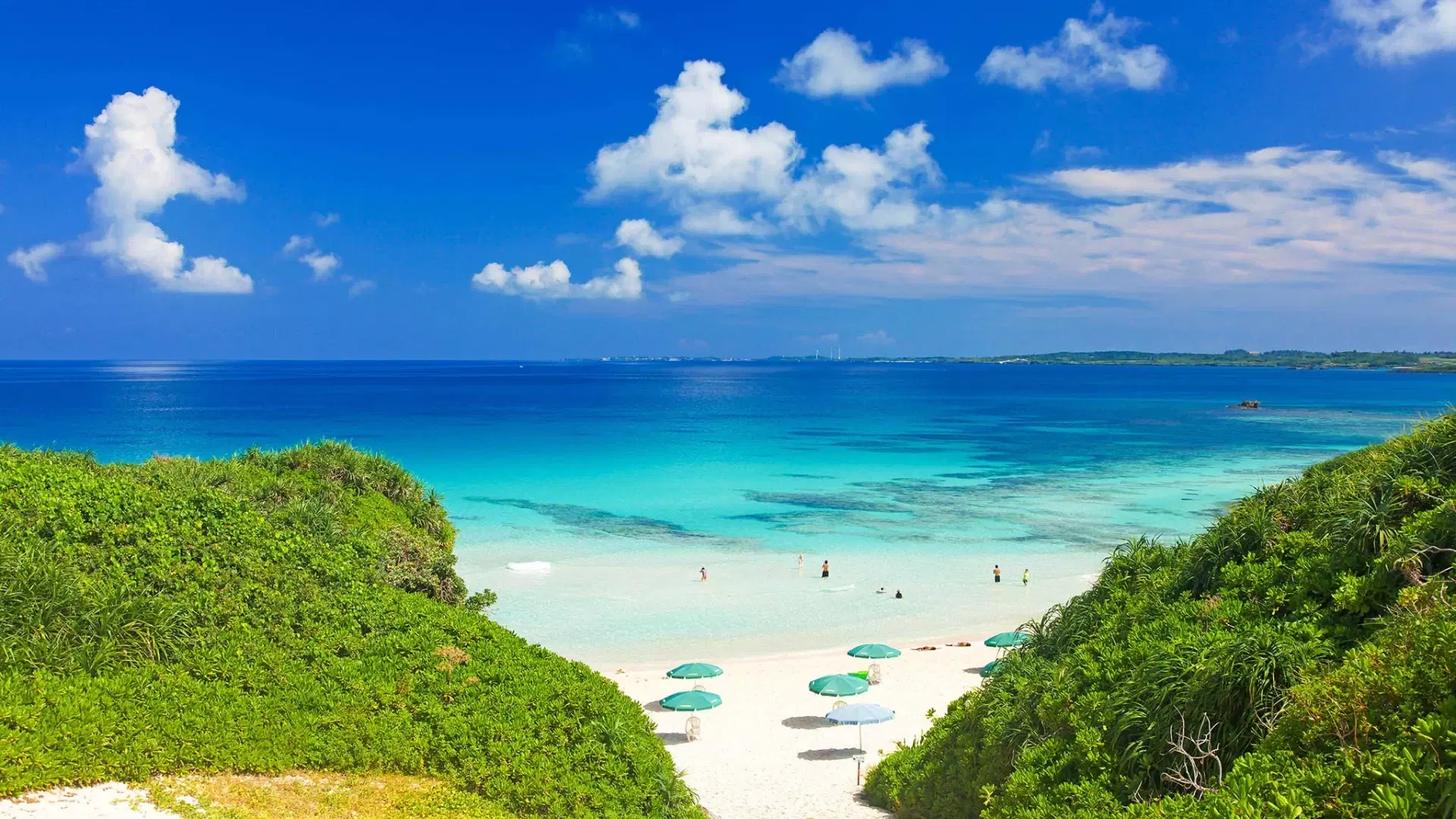
宮古島Miyako-jima is an island of luminous simplicity. Unlike most of the Okinawan archipelago, which is volcanic in origin, Miyako-jima was formed from uplifted coral reef, and this geological distinction defines the island's character with a thoroughness that touches every aspect of the visitor's experience. The terrain is flat, the highest point barely sixty meters above sea level, and the absence of rivers and mountains creates a landscape of open sky, sugarcane fields, and coastline that gives the island a sense of spaciousness unusual for its modest size. The beaches, formed from the same coral limestone that constitutes the island itself, are of a whiteness so pure they appear to glow, the sand reflecting the subtropical sunlight with an intensity that makes sunglasses not a fashion accessory but a physiological necessity.
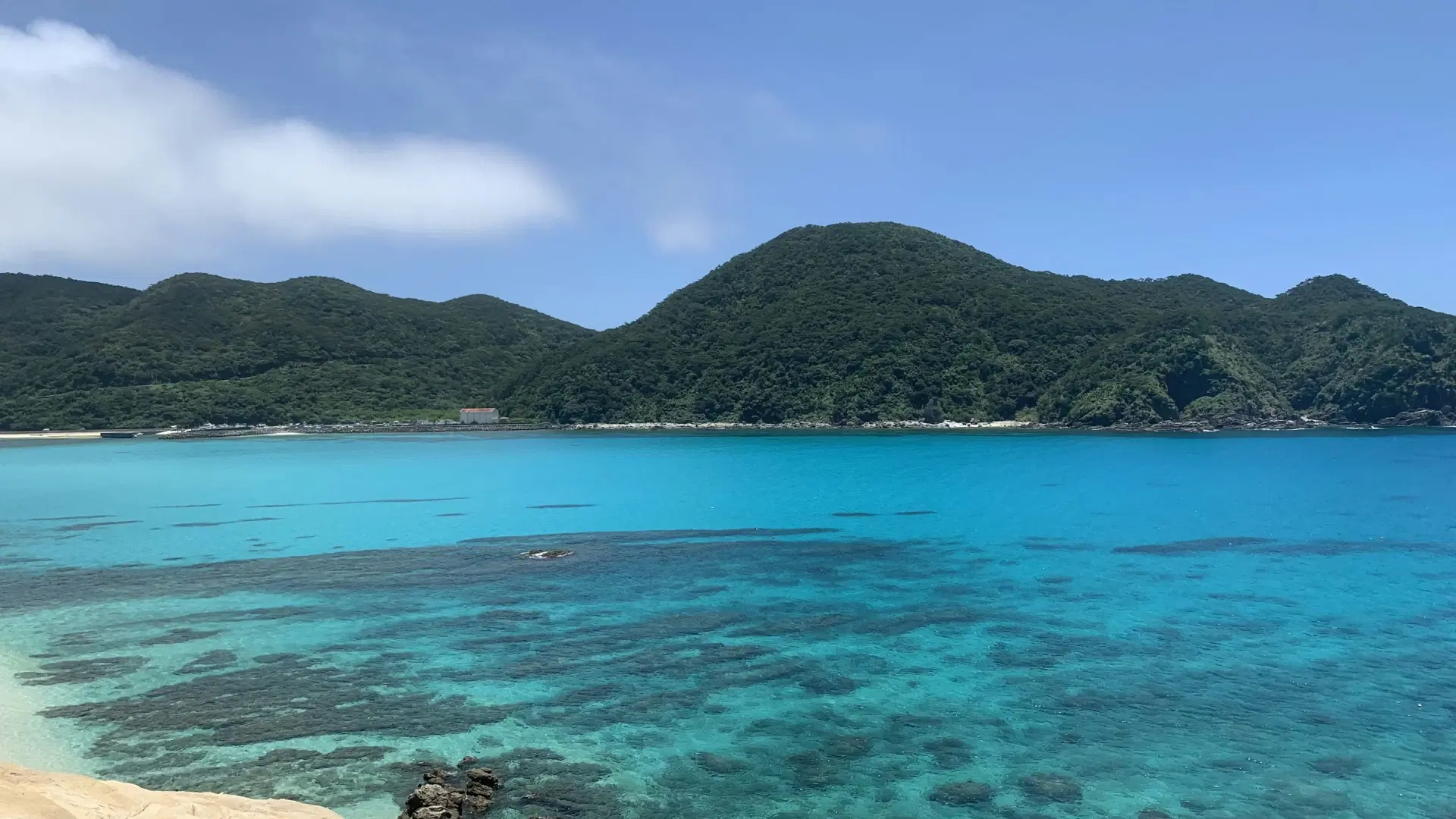
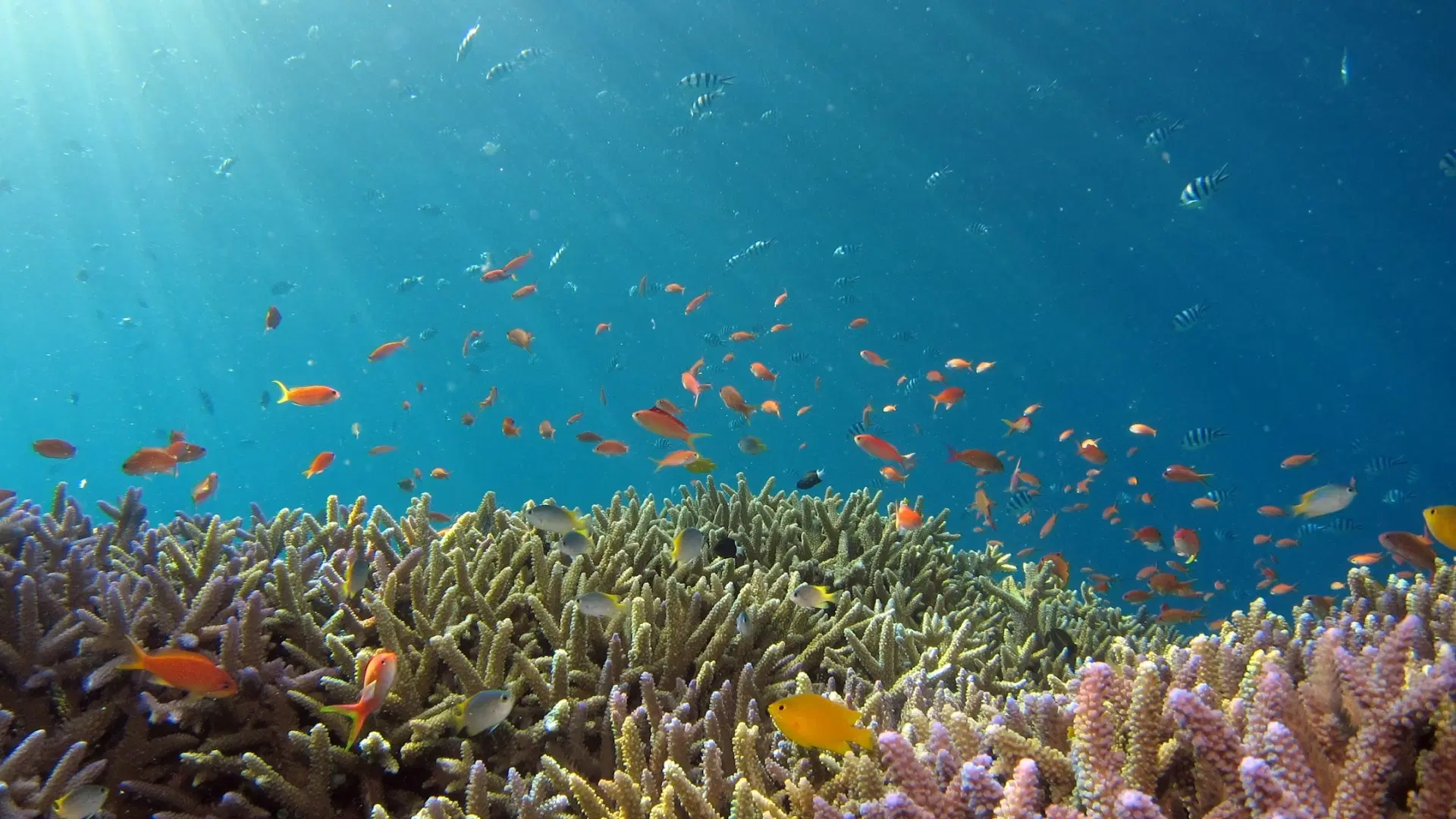
The water surrounding Miyako-jima is the island's primary claim to international attention. The coral reefs that ring the island and extend through the channels between Miyako-jima and its satellite islands of Irabu, Shimoji, Kurima, and Ikema have been described by marine biologists as among the healthiest and most diverse in the northern Pacific. The transparency of the water, measured in visibility of forty to fifty meters on optimal days, creates conditions for snorkeling and diving that approach the theoretical ideal, the coral formations visible in their full complexity from the surface and the marine life observable with a clarity that feels like watching an aquarium whose walls have been removed.
The three bridges connecting Miyako-jima to its neighboring islands are engineering achievements that have become attractions in their own right. Irabu Ohashi, at 3,540 meters the longest toll-free bridge in Japan, crosses a channel of impossible turquoise, the water's color so saturated that driving across the bridge produces the sensation of levitating above liquid gemstone. The bridge has transformed the island's geography, connecting communities that were previously separated by water into a single, explorable landmass linked by roads that traverse some of the most beautiful seascapes in Japan.
Miyako-jima is an island of luminous simplicity.
Highlights
Yonaha Maehama Beach, stretching for seven kilometers along Miyako-jima's southwestern coast, is consistently ranked among the finest beaches in Japan, and the comparison with global standards is not hyperbolic. The sand, composed of finely ground coral and shell, is white to the point of reflective brilliance, the water graduating from transparent shallows through pale turquoise to deep blue with a chromatic precision that seems digitally enhanced but is entirely natural. The beach's gentle slope and calm waters make it accessible for swimming, while its length ensures that even in peak season, walking a few hundred meters from the main access points provides something approaching solitude.
Sunayama Beach, on the island's north coast, offers a more intimate and dramatic coastal experience. The beach is reached through a tunnel of dense subtropical vegetation that opens onto a small cove framed by a natural rock arch, the limestone eroded into a shape that frames the water and the horizon in a composition of such photogenic perfection that it appears staged. The swimming here is more exposed than at Maehama, the waves reflecting off the surrounding rock faces, but the visual impact is greater, the combination of arch, sand, and water creating a landscape that distills the essence of tropical beach beauty into a single, concentrated composition.
The bridges linking Miyako-jima to Irabu, Kurima, and Ikema islands provide driving experiences that transform transit into sightseeing. Irabu Ohashi's length and elevation offer sustained views of the reef-studded channel below, the water's color shifting with depth and bottom composition in patterns visible from the bridge's height. Ikema Ohashi, shorter but positioned over equally spectacular water, connects to Ikema Island, whose small fishing village and surrounding reef offer a quieter alternative to the main island's increasingly developed coastline.
Culinary Scene
Miyako-jima's cuisine combines the Okinawan culinary tradition with ingredients specific to the island's coral limestone geography and subtropical agriculture. Miyako beef, raised on the island's open grasslands, has earned recognition at national wagyu competitions, the cattle's diet of mineral-rich grasses and the stress-free environment of the island producing beef of surprising tenderness and depth. The meat appears on local menus as steak, yakiniku, and in the Okinawan style as slow-braised preparations that soften the already tender flesh into something approaching the transcendent.
The surrounding waters provide an abundance of reef fish, tuna, and shellfish that appear in the island's restaurants with a freshness measured in hours rather than days. Katsuobushi production, using the bonito caught in the offshore waters, is a Miyako tradition whose dried and smoked product provides the umami foundation for the island's soups and broths. Mozuku seaweed, cultivated in the shallow reef waters, and sea grapes (umibudo), the tiny, bead-like algae that burst on the tongue with a pop of briny ocean flavor, are distinctly Okinawan ingredients that reach their best quality in Miyako's clean, warm waters.
Mango cultivation has become one of Miyako-jima's most celebrated agricultural achievements, the island's consistent warmth, intense sunlight, and coral limestone soil producing fruit of exceptional sweetness and fragrance. The mango season, from June through August, transforms the island's farm stands and dessert menus into celebrations of a single fruit, the mango appearing in smoothies, parfaits, shaved ice, and simply cut and presented on a plate, its quality requiring no elaboration.
Ryokans in Okinawa
There are no ryokans in our guide listed in Miyako-jima. See our selection across Okinawa.
View ryokans in Okinawa