Iriomote
西表島Iriomote is the wildest place in Japan. The second-largest island in Okinawa Prefecture, located roughly 450 kilometers southwest of the main Okinawa island and only 200 kilometers from Taiwan, it is covered by a subtropical rainforest so dense and so little penetrated by human habitation that over ninety percent of the island's interior remains roadless wilderness. The single road that circles approximately half the coast connects a handful of small communities whose combined population barely exceeds 2,400, the rest of the island belonging to the forest, the rivers, and the creatures that inhabit them, most notably the Iriomote wildcat, a critically endangered subspecies found nowhere else on earth whose nocturnal presence in the forest is a reminder that this landscape has not been fully claimed by human purposes.
The island's UNESCO World Heritage designation, granted in 2021 as part of the broader recognition of the Amami-Oshima, Tokunoshima, northern Okinawa, and Iriomote ecosystems, acknowledged what ecologists had long understood: Iriomote's forest is a relic of the subtropical broadleaf ecosystem that once covered a much larger area of East Asia, its isolation on an oceanic island preserving species and ecological relationships that have been destroyed elsewhere by development and agricultural expansion. The forest canopy, composed of banyan, pandanus, mangrove, and dozens of endemic species, creates a green density that absorbs sound, filters light, and generates a humidity so complete that the distinction between air and water becomes a matter of degree rather than kind.
For the traveler, Iriomote offers an encounter with wilderness that no other destination in Japan can provide. The experience is not of viewing nature from a managed distance but of entering it, the kayak trips up the mangrove-lined rivers, the hikes through the forest to hidden waterfalls, and the snorkeling over the surrounding coral reefs placing the visitor within the ecosystem rather than outside it. The island demands a relinquishment of control and comfort that more domesticated destinations do not require, and rewards it with a sensory immersion in the natural world whose intensity is proportional to the surrender.
Highlights
The Urauchi River, Okinawa's longest, winds through the island's interior forest in a corridor of mangrove and subtropical jungle that is most fully experienced by kayak. The paddle upstream, through water that reflects the forest canopy so perfectly that the distinction between surface and depth dissolves, provides a journey into a landscape that feels prehistoric, the banyan trees trailing aerial roots like curtains, the only sounds the splash of the paddle and the calls of birds hidden in the canopy. At the navigable limit of the river, a hiking trail leads through the forest to Mariyudu Falls and Kanbire Falls, cascades that drop through the green darkness with a force amplified by the silence of the surrounding forest.
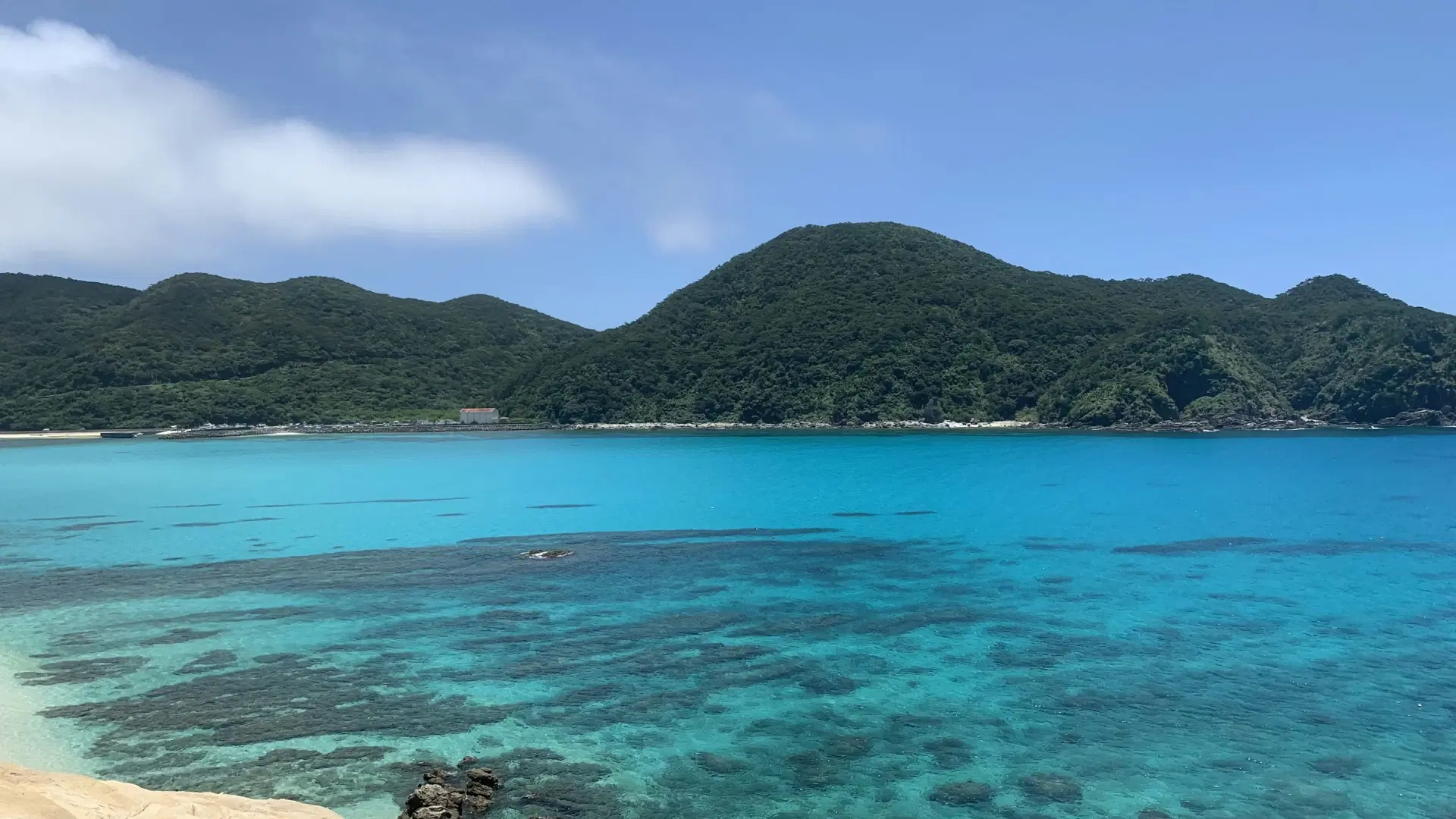
The Pinaisara Falls, at 55 meters the tallest waterfall in Okinawa Prefecture, is reached by a combination of kayaking through the Hinai River mangrove and hiking through the forest, the journey to the falls as rewarding as the destination itself. The mangrove estuary, a tidal forest where the roots of the trees create a submerged architecture colonized by fish, crabs, and mollusks, is an ecosystem whose complexity reveals itself gradually to those who paddle slowly and observe carefully. The view from the top of the falls, accessible by a steep trail that climbs through the forest above the cascade, extends across the mangrove to the reef-fringed coastline and the turquoise channel between Iriomote and neighboring Kohama Island.
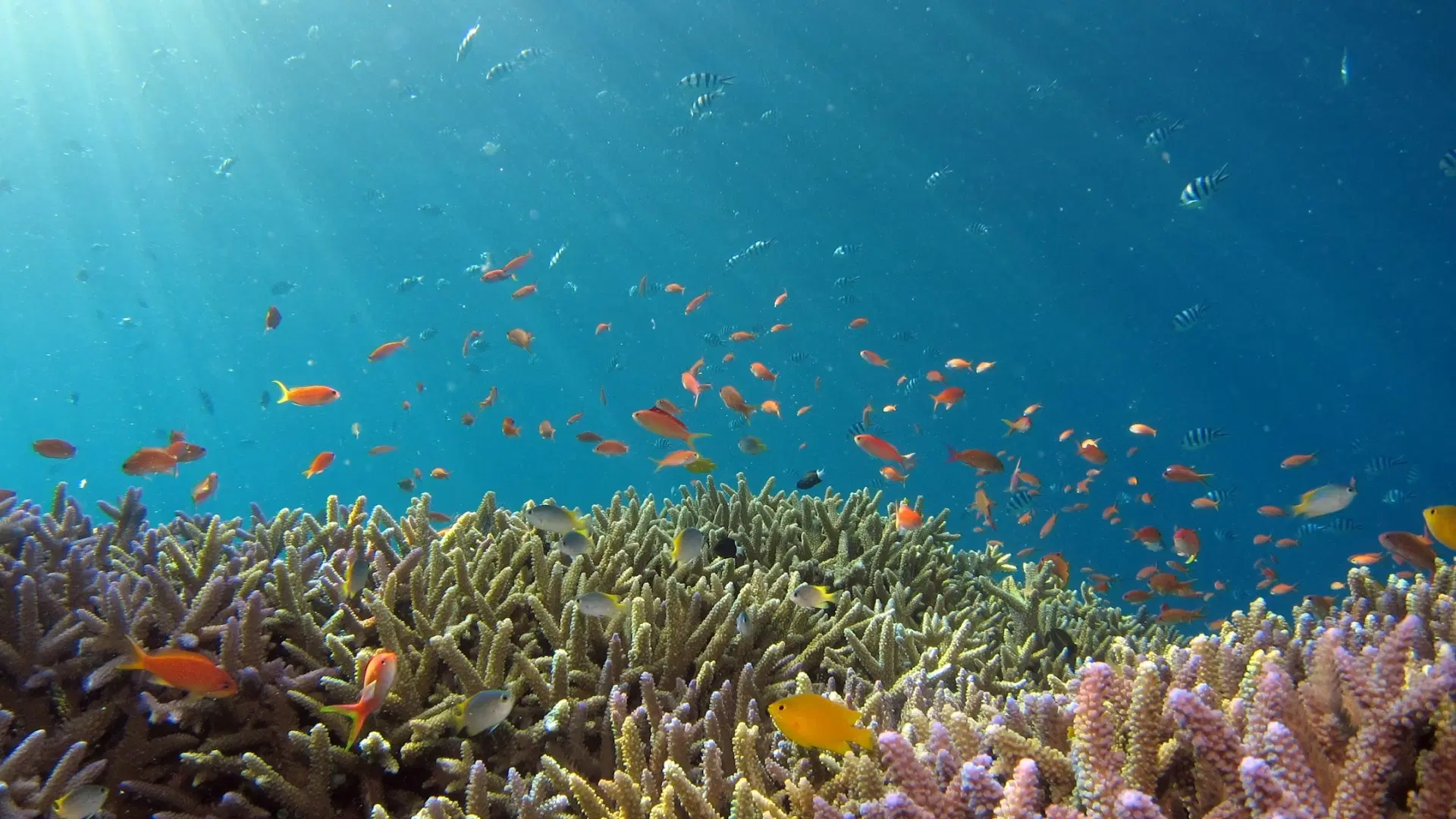
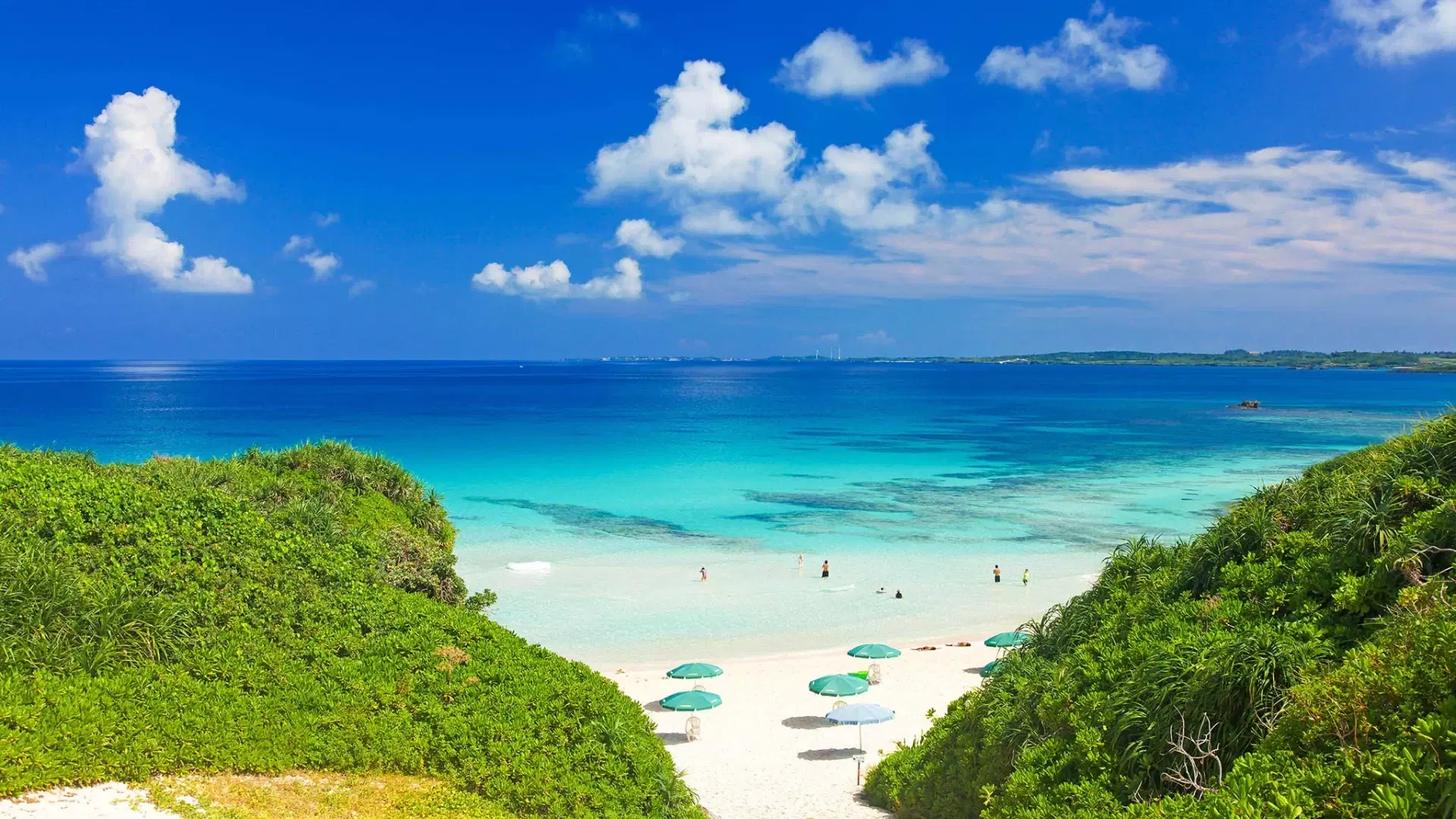
The coral reefs of Iriomote's coast, particularly those in the Barasu Island area near the island's north, offer snorkeling and diving in waters whose clarity and reef health rival any site in the Pacific. Barasu Island itself, a sandbar composed entirely of coral fragments washed together by currents, appears and disappears with the tides, a transient landmass that serves as a staging point for reef exploration. The underwater landscape here ranges from shallow coral gardens teeming with tropical fish to deeper formations where sea turtles, rays, and schools of pelagic fish move through water of extraordinary transparency.
Culinary Scene
Iriomote's cuisine is shaped by the island's remoteness, its subtropical ecology, and the culinary traditions of the Yaeyama island group to which it belongs. Wild boar, hunted in the island's interior forest, is a local delicacy whose rich, gamey meat is served as sashimi, grilled, or simmered in stews whose intensity reflects the animal's wild diet of forest fruits and roots. The practice of eating wild boar connects the island's dining table to its wilderness in a relationship of direct dependency that more commercialized food systems have obscured.
The surrounding waters provide seafood of outstanding freshness and variety. Shellfish gathered from the reef flats, reef fish caught by local fishermen, and the celebrated Yaeyama kamaboko, a fish cake of distinctive bouncy texture, appear on the menus of the island's small restaurants with a simplicity that lets the ingredients communicate their quality without culinary interference. Pineapple, cultivated on the island's limited agricultural land, reaches a sweetness and juiciness in Iriomote's warm, wet climate that exceeds what temperate cultivation can achieve.
Yaeyama soba, the island group's variation on Okinawa soba, uses round, thin noodles in a lighter broth than the main island version, the pork rib topping and pickled ginger garnish providing flavor contrasts that are assertive without being heavy. The meal is ideally accompanied by awamori from a Yaeyama distillery, the spirit's character reflecting the warmer, more humid aging conditions of the southern islands, which accelerate the maturation process and produce a smoothness at younger ages than mainland Okinawan awamori achieves.
Ryokans in Okinawa
There are no ryokans in our guide listed in Iriomote. See our selection across Okinawa.
View ryokans in Okinawa