Kerama Islands
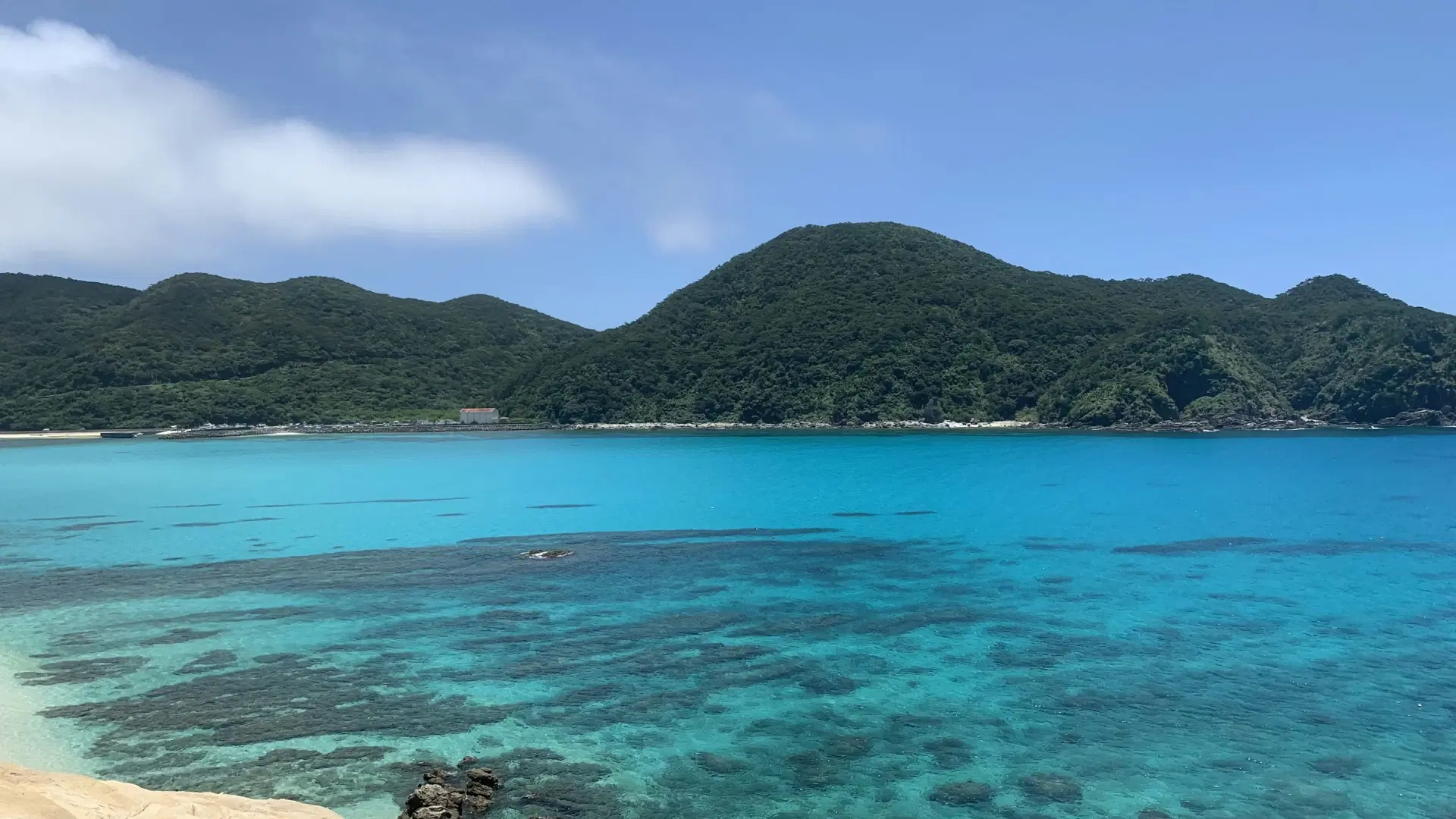
慶良間諸島The Kerama Islands lie thirty kilometers west of Naha, close enough to be visible from the Okinawan mainland on clear days yet separated by enough open water to feel genuinely remote. This archipelago of roughly twenty islands, most of them uninhabited, was designated a national park in 2014 in recognition of marine and terrestrial ecosystems of extraordinary richness. The waters surrounding the islands possess a transparency so extreme it has been given its own name, "Kerama Blue," a turquoise clarity that allows visibility to depths of fifty meters and transforms snorkeling and diving into experiences of weightless flight over coral gardens, sea turtle highways, and the vast, varied architecture of one of the world's most accessible coral reef systems.
Three of the islands, Tokashiki, Zamami, and Aka, support small communities whose populations are measured in hundreds rather than thousands. These villages, tucked into protected harbors on the islands' leeward sides, maintain a pace of life that the tourism industry has modulated but not fundamentally altered. The streets are quiet, the beaches empty by metropolitan standards, the evenings given to the sound of waves and the chirping of the Kerama deer, a miniature subspecies found nowhere else. The accommodation is modest, the restaurants few, the entertainment primarily the natural world itself.
For the traveler who has experienced Okinawa's main island with its complex overlay of military bases, resort development, and urban density, the Kerama Islands offer a return to an earlier, simpler relationship between human habitation and natural landscape. The islands' beauty is not curated or managed but simply present, the coral reefs sustaining themselves as they have for millennia, the humpback whales that visit the surrounding waters each winter arriving and departing on a schedule that precedes and will outlast any human calendar.
The Kerama Islands lie thirty kilometers west of Naha, close enough to be visible from the Okinawan mainland on clear days yet separated by enough open water to feel genuinely remote.
Highlights
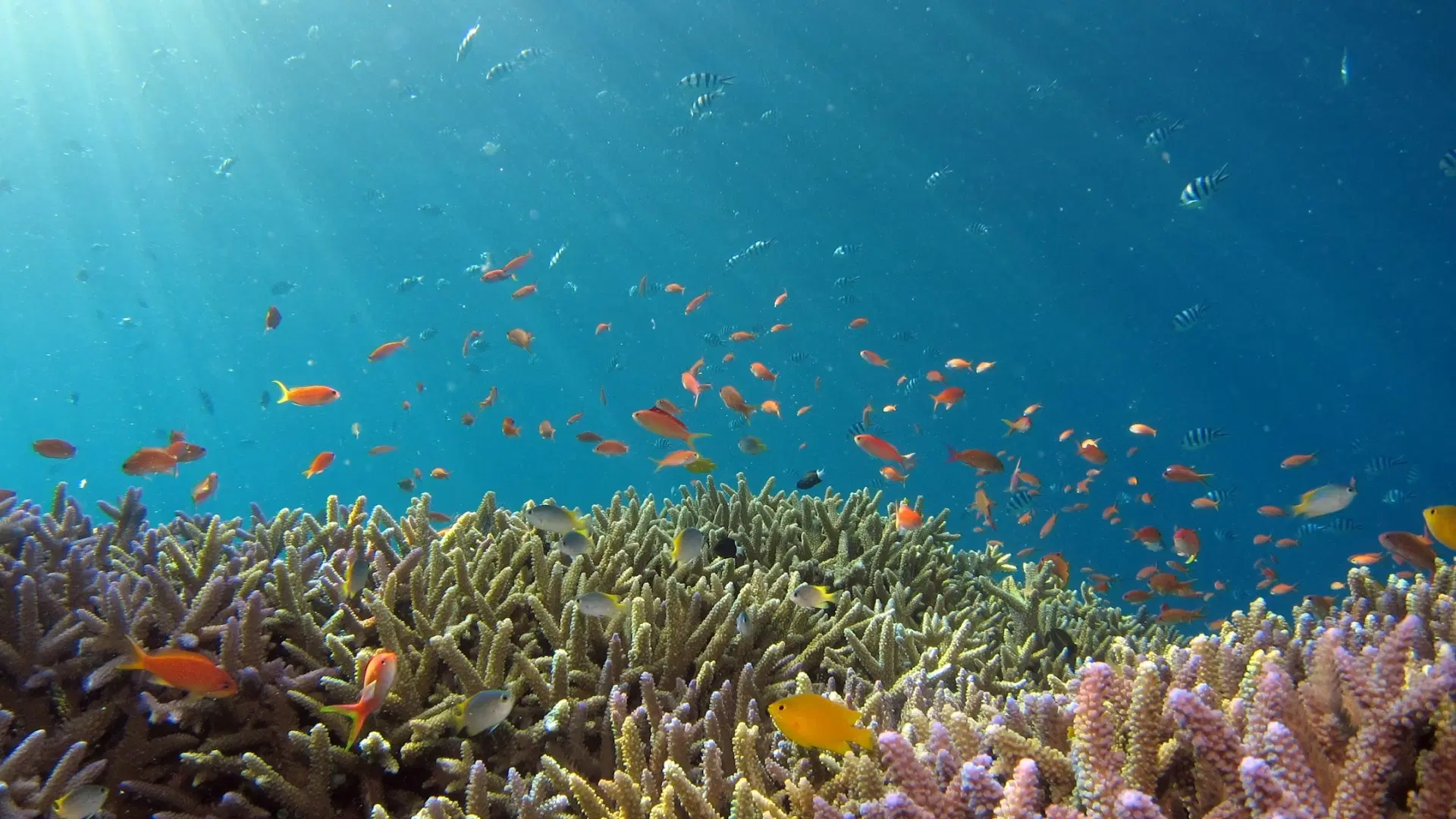
The diving and snorkeling in the Kerama Islands consistently ranks among the finest in Japan and competitive with any destination in the tropical Pacific. The coral reefs, comprising over 250 species of coral, support an ecosystem of staggering diversity, the underwater landscape varying from shallow coral gardens alive with clownfish and parrotfish to dramatic wall dives where the reef edge drops into deep blue. Sea turtles are so abundant in the Kerama waters that encountering one while snorkeling is more likely than not, the green and hawksbill turtles gliding through the shallows with an unhurried grace that invites following.
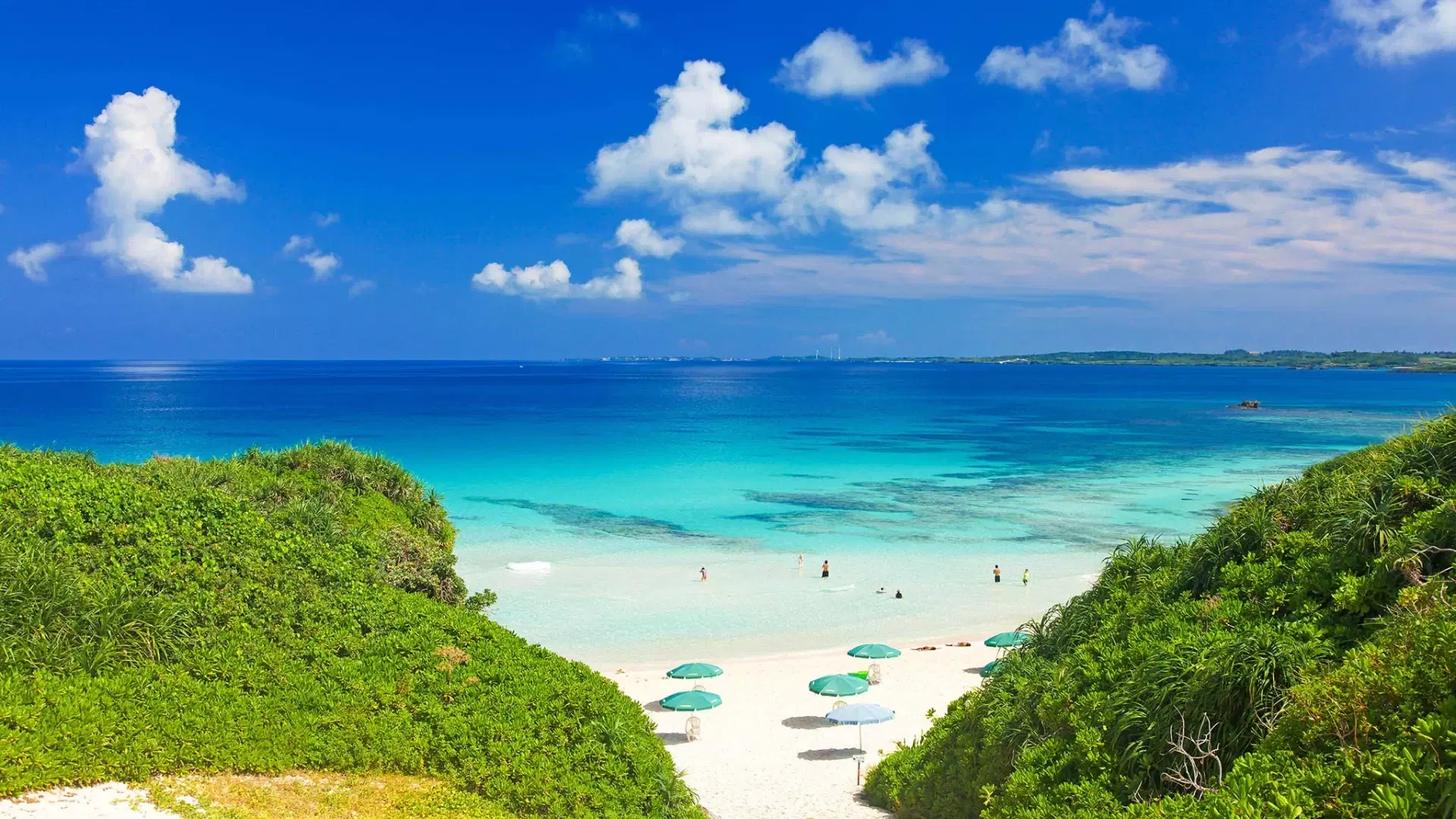
The beaches of the Kerama Islands are among the most beautiful in Japan. Furuzamami Beach on Zamami, a crescent of white coral sand sheltered by rocky headlands, provides snorkeling access to reef systems just meters from shore. Aharen Beach on Tokashiki, longer and more open, faces west across the East China Sea toward sunsets that color the water in progressions of gold, coral, and violet. Nishihama Beach on Aka, smaller and less visited, offers a solitude that is increasingly rare on any accessible Japanese beach.
Humpback whale watching season, from January through March, adds a dimension of magnitude to the Kerama experience. The whales migrate from northern feeding grounds to the warm Kerama waters to calve and nurse, their breaching, tail-slapping, and spouting visible from both shore observation points and the whale watching boats that operate from Zamami and Tokashiki harbors. The sight of a forty-ton animal launching itself from the water against the backdrop of the island's green volcanic peaks produces an encounter with wildness that even the most jaded traveler cannot dismiss.
Culinary Scene
The culinary offerings of the Kerama Islands are modest in variety but remarkable in freshness and sincerity. The seafood is, inevitably, the centerpiece: fish caught that morning in the surrounding waters appears as sashimi, grilled whole over charcoal, or simmered in Okinawan-style soups whose clear broths allow the flavor of the fish to speak without distortion. Mozuku, a type of seaweed cultivated in the Kerama shallows, is served in vinegar dressing as a starter whose slippery texture and mild oceanic flavor are an acquired taste that rewards repetition.
The island restaurants, typically family-run establishments with a handful of tables, serve Okinawan home cooking adapted to whatever the day's catch and the season's garden produce provide. Goya champuru, soki soba with slow-cooked pork ribs, and taco rice, the Okinawan fusion dish that fills a bowl of rice with taco-style ground meat, lettuce, and cheese, appear on menus that change with the availability of ingredients rather than the calendar of a test kitchen.
Awamori flows freely in the island izakaya, the spirit served with water and ice as the accompaniment to evenings that extend as long as the conversation sustains them. The informality of the Kerama dining scene, where the chef may sit down to share a drink with the diners and the meal ends when everyone is satisfied rather than when the courses are complete, reflects the island tempo that is the Kerama experience's most valuable and least portable quality.
Ryokans in Okinawa
There are no ryokans in our guide listed in Kerama Islands. See our selection across Okinawa.
View ryokans in Okinawa