Naha
那覇Naha is a city that has been destroyed and rebuilt so many times that the act of reconstruction has become part of its identity. The capital of Okinawa Prefecture occupies the southwestern coast of the main island, a compact, densely built urban center whose energy and warmth belie the catastrophic history that shaped it. The Battle of Okinawa in 1945 reduced the city to rubble, and the American military occupation that followed remade its infrastructure and social landscape in ways that remain visible and contested. Yet Naha's identity draws from sources older and deeper than any single conflict: the Ryukyu Kingdom, which for centuries operated as an independent maritime trading state connecting Japan, China, and Southeast Asia, left a cultural inheritance that persists in the city's architecture, cuisine, music, and the particular character of its people, a character marked by an openness and resilience that visitors encounter as warmth.
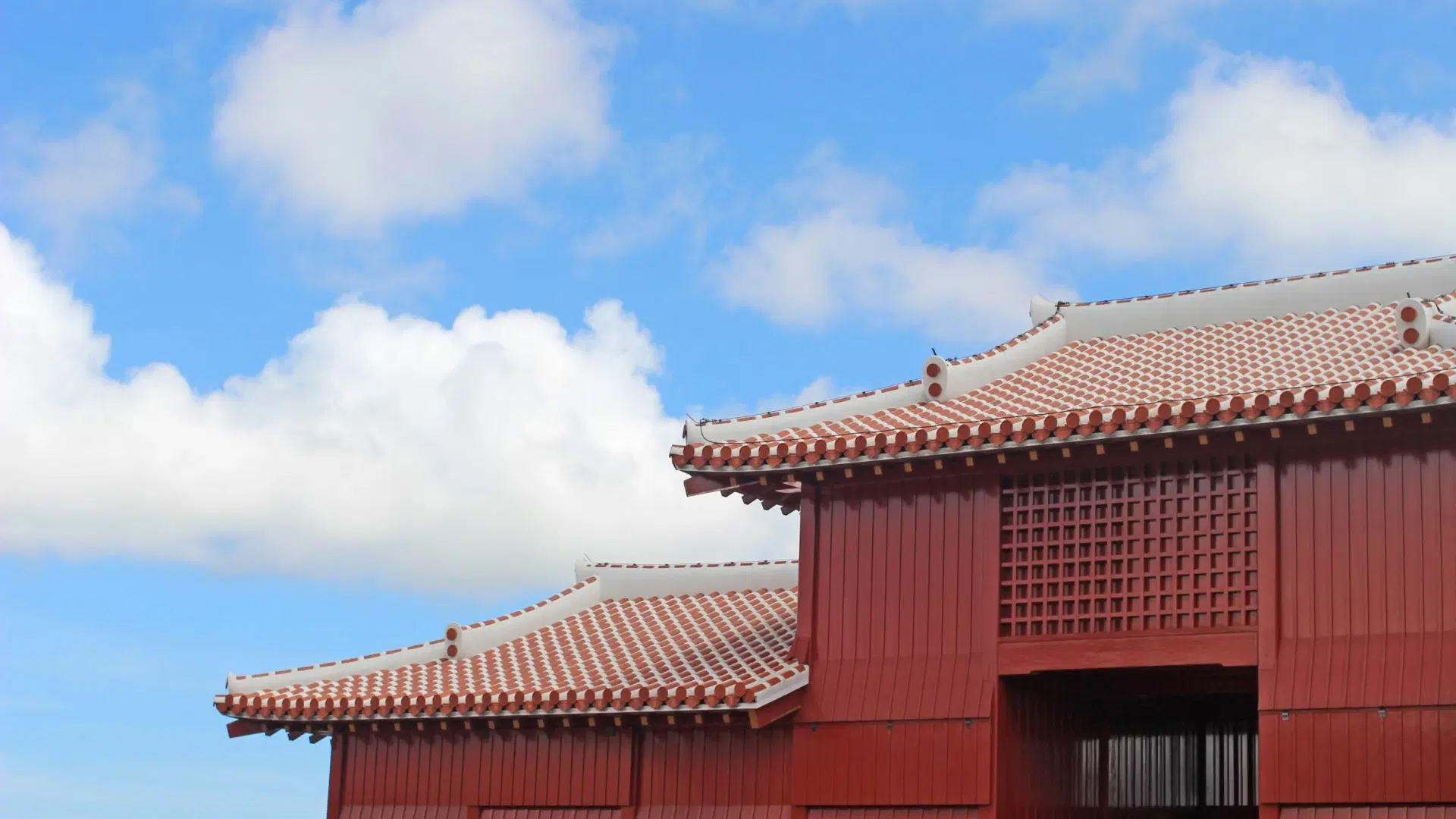
Shuri Castle, reconstructed atop the limestone ridge that overlooks the city, embodies both the grandeur of the Ryukyuan past and the painful cycles of loss and recovery that define Okinawan history. The castle, originally built in the fourteenth century as the seat of the Ryukyu kings, was destroyed in the war, painstakingly rebuilt over decades, devastated again by fire in 2019, and is now undergoing reconstruction once more. Each rebuilding is an act of cultural affirmation, a refusal to let the physical structures of identity disappear simply because the forces of destruction are powerful.
The contemporary city pulses with a vitality that draws from its multiple cultural streams. Kokusai-dori, the main commercial street, is a corridor of shops, restaurants, and entertainment venues that operates with an exuberance more reminiscent of Southeast Asian commercial districts than of the reserved commercial aesthetics of mainland Japanese cities. The adjacent Makishi Public Market, a labyrinth of seafood stalls, butchers, and produce vendors, displays the culinary abundance of the subtropical archipelago with a frankness that invites engagement rather than mere observation.
Naha is a city that has been destroyed and rebuilt so many times that the act of reconstruction has become part of its identity.
Highlights
Shuri Castle, even in its current state of ongoing reconstruction, is an essential encounter with the Ryukyuan heritage that distinguishes Okinawa from the rest of Japan. The castle's stone walls, which survived the 2019 fire, demonstrate a masonry technique whose gently curving lines and fitted limestone blocks reflect Chinese and Southeast Asian engineering traditions rather than the angular stonework of mainland Japanese castles. The Shureimon gate, rebuilt after wartime destruction and now a symbol of Okinawa itself, spans the approach with an elegance that blends Chinese architectural influence with Ryukyuan aesthetic sensibility. The surrounding Shuri district, once the kingdom's capital, retains fragments of the old street pattern and stone-walled residences that provide context for the castle's former prominence.
The Tsuboya pottery district, a compact neighborhood of kilns, workshops, and galleries, preserves a ceramic tradition that has served Okinawan households since the seventeenth century. Tsuboya-yaki, the distinctive pottery produced here, ranges from the unglazed arayachi used for storage vessels to the colorfully decorated jouyachi used for tableware, the dragon-and-fish motifs reflecting the maritime culture that defined the Ryukyu Kingdom. Walking through Tsuboya's narrow stone-paved lanes, where smoke occasionally rises from active kilns and the shelves of the workshops display wares intended for use rather than collection, provides an encounter with a living craft tradition that has adapted to modernity without abandoning its roots.
The Makishi Public Market, Naha's culinary heart, occupies a sprawling ground-floor hall where vendors display the ingredients that define Okinawan cuisine: brilliantly colored reef fish, purple sweet potatoes, islands of tofu in every firmness, pig faces and trotters arranged with the same care as the finest sashimi. The market's upper floor houses restaurants that will cook purchases from below, creating a eat-what-you-choose dining experience that connects the act of buying to the act of eating with an immediacy that supermarkets have severed.
Culinary Scene
Okinawan cuisine is a tradition apart from mainland Japanese cooking, shaped by the subtropical climate, the Ryukyu Kingdom's trading relationships with China and Southeast Asia, and a pragmatic approach to nutrition that has contributed to the island chain's famous longevity statistics. The cooking uses ingredients and techniques that mainland Japanese cuisine either ignores or marginalizes: pork is consumed in its entirety, from snout to tail, in preparations that range from the refined rafute (braised pork belly simmered for hours in awamori, soy sauce, and brown sugar) to the hearty champuru stir-fry that combines tofu, vegetables, and whatever protein is available.
Goya champuru, the signature dish of Okinawan home cooking, pairs bitter melon with tofu, egg, and pork in a stir-fry whose flavors are simultaneously assertive and harmonious, the bitterness of the goya softened but not eliminated by the cooking. The dish's popularity has spread to mainland Japan, but in Okinawa it retains its identity as everyday food, served at family tables and casual restaurants with a matter-of-factness that reflects its centrality to the local diet. Okinawa soba, despite its name, is made from wheat flour rather than buckwheat, the thick noodles served in a clear pork-bone broth with slices of stewed pork rib and red pickled ginger, a comfort food whose warmth belies the tropical setting.
Awamori, Okinawa's indigenous distilled spirit, is made from Thai long-grain rice fermented with black koji mold, a process that produces a spirit distinct from both mainland Japanese shochu and any Western equivalent. Aged awamori, stored in clay pots for years or decades, develops a smoothness and complexity that has earned comparison to fine brandy. The spirit is traditionally drunk with water and ice, its character best appreciated in the convivial atmosphere of an Okinawan izakaya where the live sanshin music and the warmth of the company are as essential to the experience as the drink itself.

Ryokans in Okinawa
There are no ryokans in our guide listed in Naha. See our selection across Okinawa.
View ryokans in Okinawa