Naha Cherry Blossom Festival
那覇桜まつりWhile the rest of Japan shivers through the depths of winter, Okinawa unfurls the first cherry blossoms of the year. The Naha Cherry Blossom Festival celebrates the flowering of the hikanzakura, a species of cherry whose deep pink bells open weeks before the pale somei-yoshino of the mainland, their vivid color a defiant blaze against the cool grey skies of the subtropical winter. The festival centers on Yoyogi Park and the paths that wind through Naha's hillside neighborhoods, where the cherry trees planted along roadsides and temple grounds transform the city into a corridor of saturated pink that bears little resemblance to the pastel delicacy associated with cherry blossoms elsewhere in Japan.
The hikanzakura is a fundamentally different tree from the cherry species that dominates mainland hanami culture. Where the somei-yoshino is ethereal and fleeting, its petals falling within days of opening, the hikanzakura is robust and generous, its flowers hanging in dense clusters that persist for weeks. The blossoms do not drift down in poetic showers but hold fast to the branch, their deep magenta fading gradually to a softer rose, the tree offering an extended meditation on color rather than a brief lesson in impermanence. This botanical character shapes the Naha festival into something more leisurely and less frantic than the mainland cherry blossom season, the trees inviting repeated visits rather than desperate single viewings.
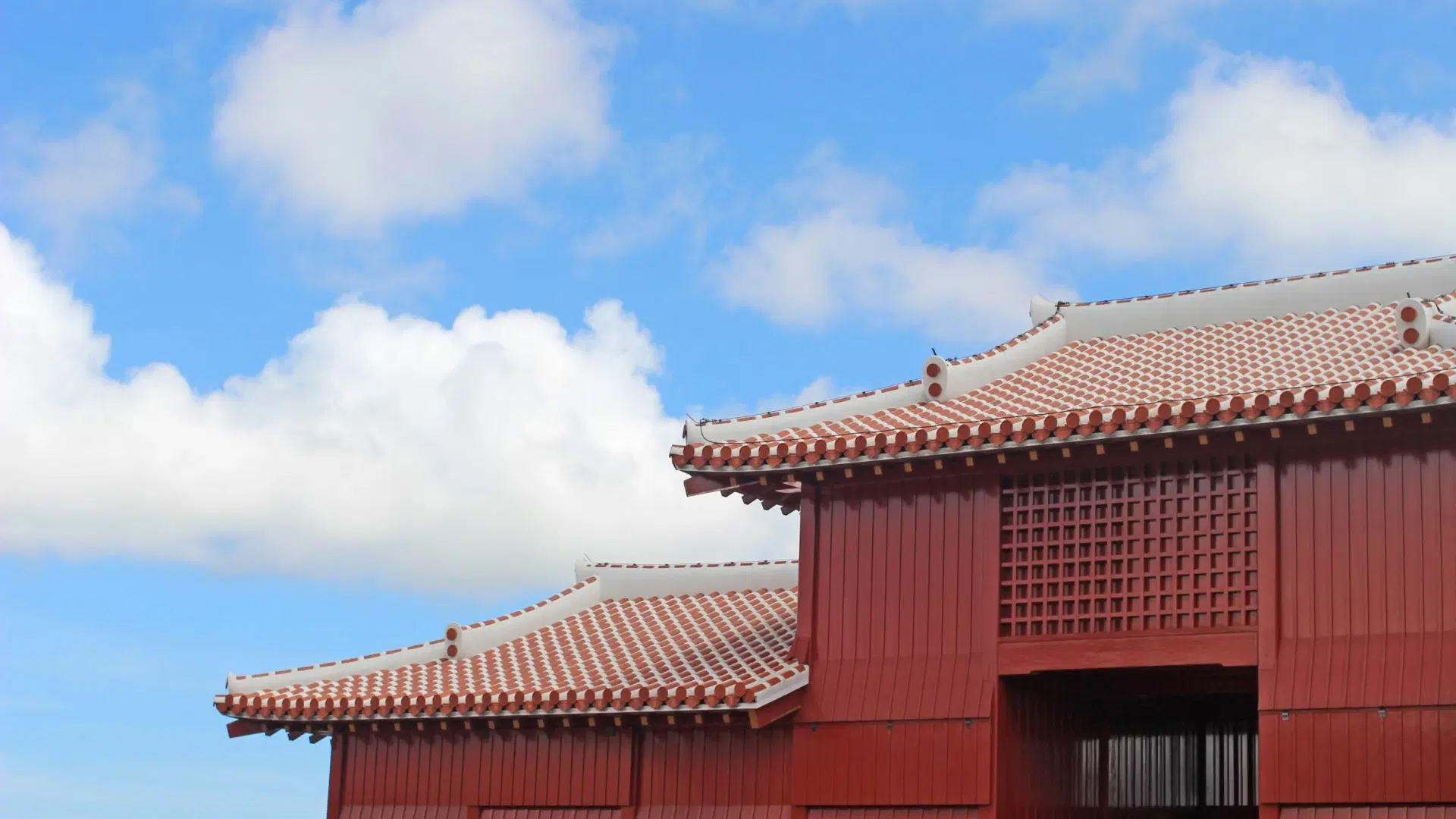
For the traveler seeking cherry blossoms outside the crush of the mainland spring season, Naha offers a revelation. The January timing means that flights and hotels carry winter rates rather than the premium of sakura season. The crowds, while enthusiastic, are predominantly local, the festival retaining the character of a community celebration rather than a tourist spectacle. And the blossoms themselves, glowing against the distinctive architecture of Okinawan neighborhoods, against the red tile roofs and coral stone walls that give Naha its particular texture, create compositions found nowhere else in the Japanese cherry blossom landscape.
While the rest of Japan shivers through the depths of winter, Okinawa unfurls the first cherry blossoms of the year.
History & Significance
The hikanzakura's presence in Okinawa predates recorded history, the species native to the subtropical regions of East Asia and naturalized across the Ryukyu archipelago long before systematic planting began. The trees were traditionally valued not only for their beauty but for their role as seasonal markers in an agricultural calendar governed by the subtropical climate, their flowering signaling the approach of the planting season. The formal cultivation of cherry trees along Naha's streets and in its parks intensified during the postwar rebuilding period, when civic planners sought to restore beauty to a city devastated by the Battle of Okinawa.
The Naha Cherry Blossom Festival emerged in its modern form during the late twentieth century as part of a broader effort to celebrate Okinawa's distinctive seasons and attract visitors during the winter months. The recognition that Okinawa's cherry blossoms bloom earlier than anywhere else in Japan gave the festival a unique marketing proposition, positioning the prefecture as the opening act of the nation's most beloved seasonal spectacle. The festival has grown steadily, its reputation spreading through social media and travel coverage, though it remains modest in scale compared to the mainland cherry blossom events, its intimacy one of its greatest attractions.
What to Expect
The festival's main viewing areas are concentrated along the hillside paths of Yoyogi Park and the surrounding residential streets, where rows of hikanzakura create tunnels of deep pink that arch overhead. The trees bloom from the top of the hill downward, the higher elevations flowering first and the lower sections following over the course of several days, a progression that extends the viewing window and allows visitors to find trees at their peak regardless of the exact date of their visit. The color is striking: not the near-white of mainland cherry blossoms but a vivid magenta that photographs beautifully against the blue winter sky or, equally compellingly, against the overcast grey that is more typical of Okinawan January.
Festival stalls along the main paths offer Okinawan seasonal specialties. Warm bowls of Okinawa soba, the wheat noodle soup that is the prefecture's comfort food, provide sustenance against the winter chill. Sata andagi, the dense, sweet doughnuts that are Okinawa's most beloved snack, pair with hot jasmine tea for a roadside treat. The atmosphere is relaxed and familial, groups of friends and families spreading mats beneath the trees in the Okinawan style of hanami, the picnic less formal and less alcohol-driven than its mainland equivalent.
Beyond Naha proper, the cherry blossom season extends across the island, with notable displays at Nakijin Castle ruins in the north, where the blossoms frame the ancient stone walls of the Ryukyuan fortress, and at Yaese Park in the south, where the trees overlook the Pacific coastline. A driving tour from south to north during the festival period reveals the blossoms at various stages of development, the journey tracing the season's progress across the island's latitude.